

Performance velvet is redefining how homeowners, designers, and furniture makers think about luxury upholstery. Once only prized for its unmistakable luster and elegant texture, today’s stain-resistant treatments, performance velvet combines rich aesthetic appeal with advanced stain resistance and impressive durability—making it a smart choice for busy, modern living spaces.
Key Takeaways
- Performance velvet offers a blend of plush style and easy-care practicality, but not all options provide equal stain and wear resistance.
- Leading stain-resistant technologies and brands focus on innovation, yet third-party certifications and durability metrics for velvet are scarce.
- Success with performance velvet depends on choosing the right product, knowing care routines, and understanding its lifestyle fit before investing.
- What Is Performance Velvet and Why Is It Trending?
- How to Choose and Use Performance Velvet: A Practical Guide
- Advanced Analysis and Common Pitfalls with Performance Velvet
- Conclusion: Should You Choose Performance Velvet?
- Frequently Asked Questions
What Is Performance Velvet and Why Is It Trending?
Performance velvet is a new generation of velvet fabric engineered for real-world residential use. Unlike traditional velvet, which is often delicate and hard to maintain, performance velvet is designed to resist stains, moisture, fading, and crushing from daily wear. Developed using advanced fiber blends and protective coatings (such as stain-resistant treatments and nanotechnology), it bridges the gap between luxury and practicality.

The popularity of performance velvet is rising in the interior textile fabric market, driven by its tactile richness and newfound ease of maintenance. Homeowners love its upscale look for living rooms, bedrooms, offices, and even family spaces where durability is essential. Manufacturers like Scotchgard, Crypton, Nano-Tex, and others are innovating in the field, but not all velvet marketed as “performance” delivers the same results.
It’s also worth noting that the market is evolving. Consumers increasingly demand furniture fabrics that meet modern needs—easy to clean, pet-friendly, family-proof, and enduring. With the luxury upholstery sector projected to reach over $10.7 billion by 2032 (source), performance velvet sits at the intersection of design and function.
How to Choose and Use Performance Velvet: A Practical Guide
Ready to select performance velvet for your sofa, chairs, or drapery? Here’s how to make sure you get the look and longevity you want without costly mistakes:
- Assess Your Needs
Identify areas where spills, stains, pets, or high traffic are most likely. Not all “performance velvet” performs equally under pressure. - Understand the Label
Ask for details on the specific type of performance treatment (e.g., Teflon, Crypton, Scotchgard) and fiber blend. Look for manufacturers that disclose their stain-resistance technology and, ideally, provide cleaning codes on their tags. - Request Durability Ratings
While many brands highlight durability, rarely do they publish Martindale or Wyzenbeek test results for velvet. Don’t hesitate to ask for these scores—especially for pet homes or heavy-use family rooms. A high number indicates better abrasion resistance. - Test the Fabric Sample
Before committing, rub a sample with a damp white cloth and check for color transfer or texture change. Dribble water or a mild stain—see how easily you can blot it up. If you have pets, check for snagging or fur accumulation. - Compare Cost vs. Alternatives
Performance velvet tends to cost more than standard velvet or synthetics. Prices vary by thickness, brand, and treatment. Evaluate what you get for the cost, as some luxury fabrics may still require gentle handling. - Review Care & Cleaning Instructions
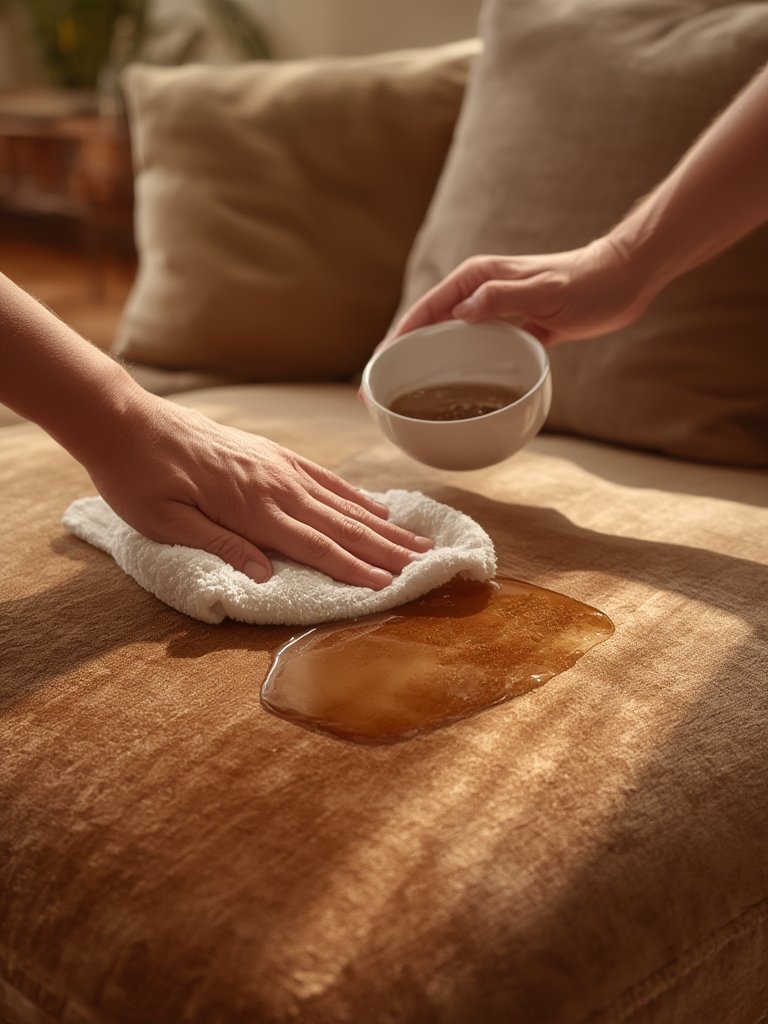
Each performance velvet will have its own maintenance protocols. These range from simple blotting to occasional professional cleaning. Some can handle mild soap and water, while others require fabric-specific cleaners. - Plan for Real Life
Think about how daily life will impact the fabric. Light colors, while striking, may need more attention. For extra peace of mind, select darker hues or patterned velvet in high-activity spaces.
Don’t forget—performance velvet isn’t your only option. If you’re seeking pet-ready or family-friendly upholstery, consider washable area rugs or surfaces like corduroy, leather, and high-quality synthetics. Read up on comparison guides or see how modular sectional sofas or multifunctional sofa beds use fabric choices for performance. Velvet works beautifully for accent pieces or statement seating, but may not suit every lifestyle or purpose.
For more on integrating performance fabrics into seamless home living, see our guide on indoor outdoor living space design or explore the latest biophilic decor approaches in the biophilic design living room article.
Advanced Analysis and Common Pitfalls with Performance Velvet
While performance velvet brings genuine benefits, there are realistic downsides and uncertainties to consider before committing.
Common Pitfalls
- Stain Resistance Gaps
Not all performance velvet is equally stain proof. Most options are coated for basic water repellency, but severe or oily stains (e.g. pizza grease, ink) can penetrate. Claims such as “pet proof” may be marketing, not a guarantee. - Lack of Industry Standards
Currently, no published certifications or universally recognized industry standards (ASTM, ISO) are specific to stain-resistant velvet. Teflon-coated textiles dominate the stain-resistant segment, but clear criteria for performance velvet are absent. - Durability Uncertainty
Brands often claim improved durability, but seldom provide Martindale or Wyzenbeek test data for pet-proof velvet. Some luxury velvets are durable, others may pill or mark more quickly over time. - Cleaning Learning Curve
Cleaning routines may differ between performance velvet and traditional velvet. Most new velvets allow spot cleaning, but older protocols (like dry cleaning only) still exist. Not following the care label can void warranties. - Cost vs. Value Tension
Performance velvet usually comes at a premium. Yet in many cases, the difference in stain/wear protection may not be substantial for light-use spaces. Weigh upfront investment against expected wear and lifestyle needs.
Comparison: Performance Velvet vs. Traditional Velvet vs. Other Luxury Fabrics
| Feature | Performance Velvet | Traditional Velvet | Other Luxury Fabrics (e.g., Boucle, Corduroy, Leather) |
|---|---|---|---|
| Stain Resistance | High (for most liquids, varies by brand/treatment) | Low | Medium (corduroy), Low (boucle), High (leather) |
| Durability (Martindale/Wyzenbeek) | Usually 30k+ double rubs (when tested) | 8k–20k (often untested) | Varies: Corduroy/Leather High, Boucle Medium |
| Pet Friendly | Moderate (resists claws better than old velvets, but fur and snags are possible) | Poor | Boucle: Poor, Leather: Excellent, Corduroy: Moderate |
| Cleaning Routine | Blot spills immediately, some allow soapy water | Dry clean only, easily stained | Corduroy: Vacuum, Leather: Wipe, Boucle: Vacuum |
| Appearance Retention | Resists crushing and fading (some brands); may still show marks over time | Tends to crush, fade, and mark quickly | Varies by material and weave |
| Cost | $$–$$$ | $$ | $–$$$$ (wide range) |
Crucially, industry observers note that the market for micro velvet—one subcategory of performance velvet—represented around 55% of global micro velvet sales in 2024 (see report here). However, granular price comparisons between types and brands remain elusive.
Homeowners also regularly voice challenges with velvet care, including potential for temporary watermarks, pile flattening from sitting, and increased dust/fur visibility. To minimize disappointment, always follow care guidelines and manage expectations for high-use furniture.

Conclusion: Should You Choose Performance Velvet?
Performance velvet can be an excellent investment for those who love the plush, radiant character of velvet but demand fabrics that work with everyday life. It’s best for people willing to pay a modest premium for better stain management, easier cleaning, and greater wear resistance. However, verify manufacturer claims, request durability scores, and know your lifestyle needs before purchasing.
For those prioritizing pet-proof or ultra-low maintenance materials, explore alternatives such as washable area rugs, corduroy upholstery, or modular sectionals with interchangeable covers. If you’re inspired to add luxury and practicality to your home, start by requesting a sample of performance velvet and see how it transforms your space.
Ready to make your space both stylish and liveable? Evaluate your options carefully, and consider performance velvet for the perfect balance of beauty and function.
Frequently Asked Questions
What is the difference between performance velvet and regular velvet?
Performance velvet is engineered for increased stain resistance, durability, and easier maintenance compared to traditional velvet, which is often more delicate and prone to marking and crushing.
Does performance velvet really resist pet claws and stains?
Many performance velvets provide moderate protection from light scratching and most liquid stains; however, sharp claws and oily spills can still cause permanent marks. Not all “pet-proof” claims are fully risk-free.
How do I clean a spill on performance velvet?
Blot spills immediately with a clean, dry cloth—do not rub. For stubborn stains, follow the care code provided by the manufacturer. Some allow a mild soap and water solution, while others may need specialized cleaners.
What’s a good alternative if I want something more pet- or kid-proof?
Look into washable area rugs, corduroy, or high-performance synthetics. Leather and modular sofas with removable covers can be smarter for households that need ultimate cleanability and durability.
Why is there so little published data on durability and certifications?
The stain-resistant and performance fabric industry is relatively new, and there are currently no industry-standard certifications or widespread durability metrics published for velvet, unlike other commercial textiles.