

Statement lighting is transforming home interiors in 2024, offering dramatic style and functional design through sculptural fixtures and oversized designer pieces. Whether you want to create a bold focal point in your living room or add a touch of artistry to your dining area, understanding how to use statement lighting can make your space unforgettable.
Key Takeaways
- Statement lighting is a dominant home trend in 2024, driving significant growth in the decorative and high-end lighting market.
- Proper planning is essential to avoid common pitfalls, such as installation complications, mismatched scale, or disappointing light output.
- You don’t need custom designer pieces—there are practical, actionable steps to achieve sculptural impact with a variety of lighting options and budgets.
- The Core Concept of Statement Lighting
- Step-by-Step Guide to Statement Lighting Success
- Advanced Analysis & Common Pitfalls
- Conclusion
- Frequently Asked Questions
The Core Concept of Statement Lighting
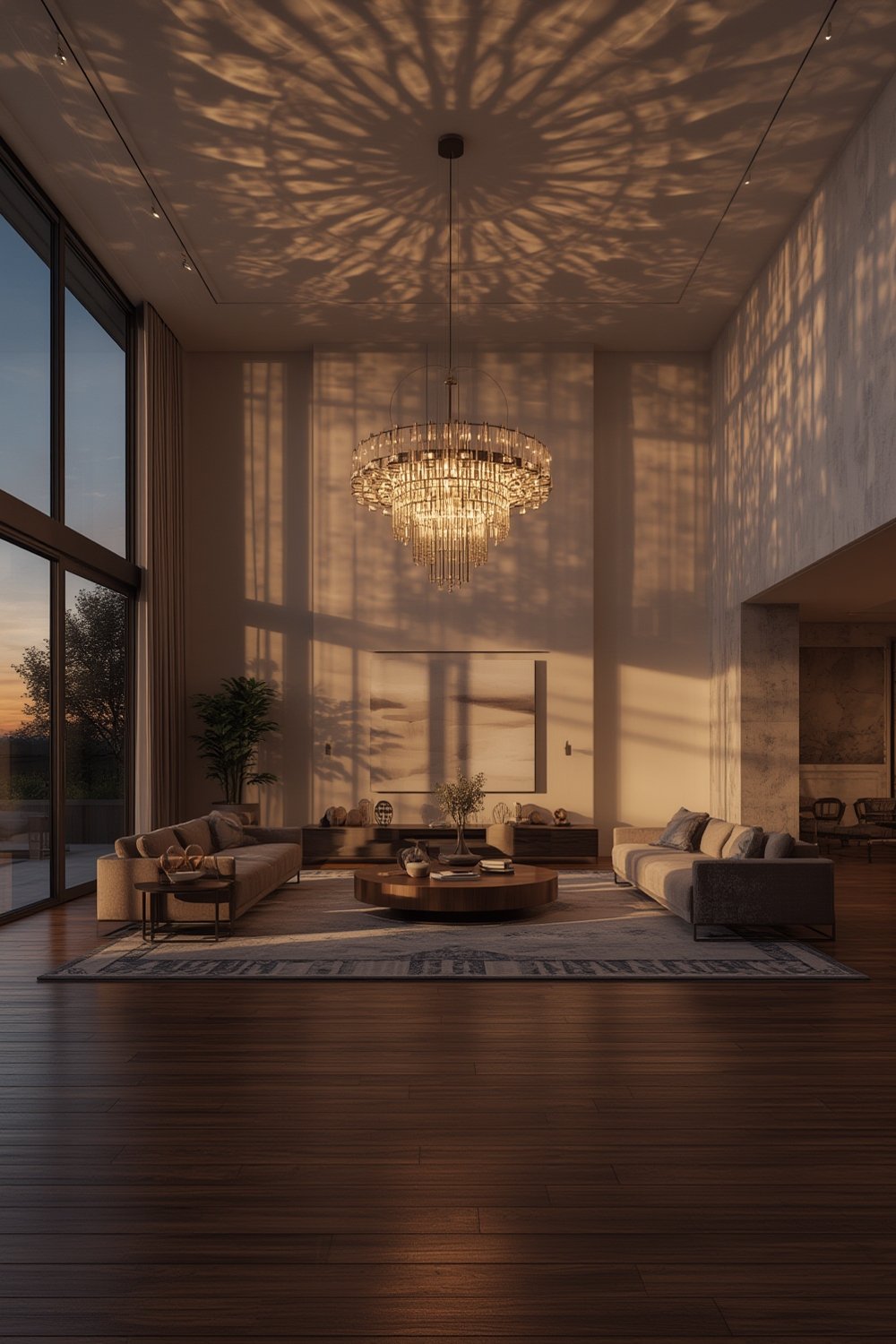
Statement lighting refers to using bold, noticeable light fixtures—like oversized chandeliers, artistic pendant lights, or sculptural lamps—to create dramatic visual interest and define the character of a space. Unlike traditional lighting, these pieces are designed to stand out as a central feature, adding personality and artistic flair while providing functional illumination.
Why is it so popular right now? According to recent market research, the decorative lighting sector—including statement and sculptural fixtures—reached a value of $42.69 billion in 2024 and is forecast to keep growing as more homeowners embrace expressive home décor. Statement lighting fits perfectly with other breakout interior trends, like biophilic design, quiet minimalism, or the use of curves and organic shapes.
Whether in a grand foyer, cozy home office, or a modern kitchen, statement lighting sets the mood and instantly raises the style quotient. Best of all, it’s flexible. Both custom designer fixtures and creative mass-market options are now widely available, so you can achieve this look regardless of your budget.
Step-by-Step Guide to Statement Lighting Success
Ready to bring statement lighting into your own space? Use this actionable, step-by-step approach to maximize both drama and function. No matter your style or ceiling height, these simple steps will ensure you get the “wow” without the headache.
- Establish Your Focal Point:
Decide which area of the room needs visual emphasis—dining table, kitchen island, reading nook, or entryway. Statement lighting works best in a location you want guests (and yourself) to notice first. - Select the Right Fixture Type:
Oversized chandeliers, large sculptural pendants, dramatic floor lamps, bold sconces, or even unexpected table lamps all count. Match the fixture to the function—kitchens and dining need directed task light, while living and entry spaces use more diffused, ambient glow. - Size and Scale Matter:
Always measure your ceiling height, table size, and room dimensions. In general, choose a fixture 12-24 inches smaller than the width of a table, or use about 2.5 inches of fixture height for every foot of ceiling height. Undersized lights will get “lost” in spacious rooms, while oversized ones look crowded in small spaces. - Coordinate with Room Style:
Modern, boho, classic, or industrial—find a statement piece that echoes (or intentionally contrasts) your interior vibe. Try pairing natural light with sculptural rattan pendants or mixing metal chandeliers in a warm minimal room. - Prioritize the Right Bulb and Dimming:
Not all statement fixtures have great built-in lighting quality. Check for compatible bulbs, consider LED for energy savings, and always install a dimmer to adapt ambiance from bright to cozy. - Plan for Installation Requirements:
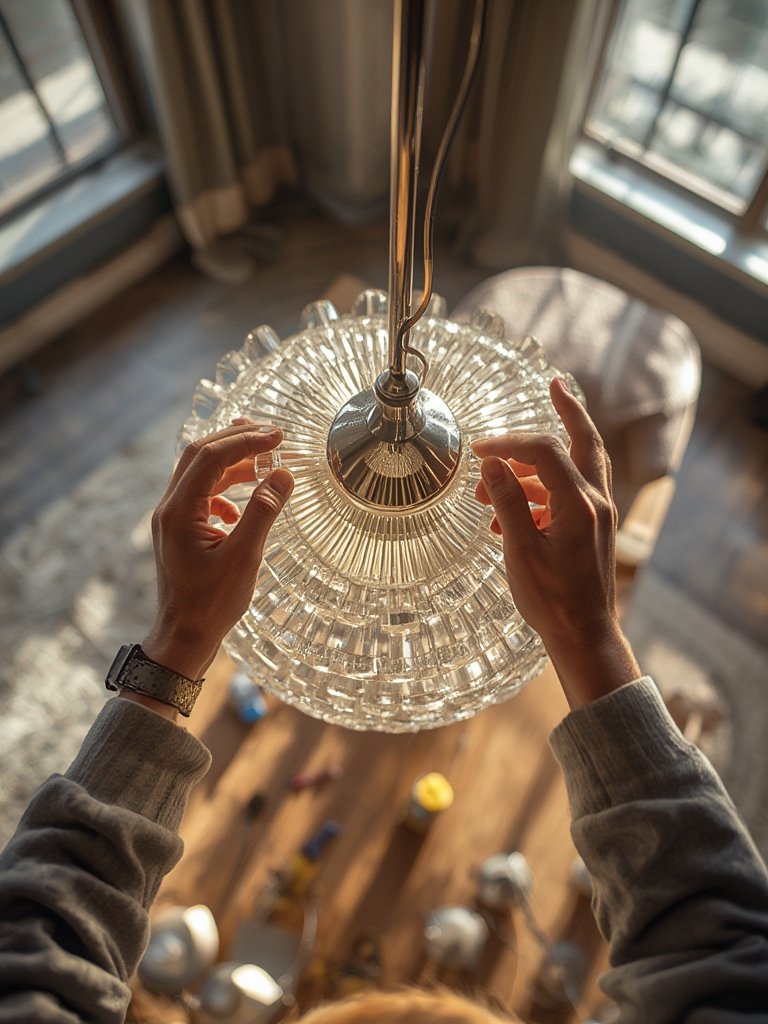
Oversized or heavy fixtures often need dedicated ceiling brackets, reinforced electrical boxes, two-person lifts, or even professional installation. Never rely on old ceiling hooks or under-rated hardware—read installation instructions and check weight limits before you buy. - Balance with Other Lighting Layers:
Ambient, accent, and task lighting should work together. If your new statement piece throws dramatic shadows (or not enough light), supplement with discreet recessed lights or hidden LED strips to fill the gaps. - Work in Sustainability:
Opt for eco-friendly finishes, vintage or upcycled pieces, or fixtures designed for LED bulbs when possible. According to market studies, sustainability is a top consideration for many homeowners embracing statement lighting in North America and Europe.
Looking to elevate a multi-functional space? Browse our guide on designing home office guest rooms for layering sculptural light with practical features, or combine bold fixtures with indoor-outdoor living rooms for seamless transitions.
Advanced Analysis & Common Pitfalls
Statement lighting delivers powerful results, but it also presents real-world challenges. Understanding the potential issues before you buy will save time, money, and frustration. Here’s what users commonly encounter, plus an actionable comparison of custom versus mass-market solutions:
| Issue | Mass-Market Fixtures | Custom/Designer Fixtures |
|---|---|---|
| Installation Difficulty | Usually lighter weight, with standard hardware. Still may require more than one person for larger sizes. | Often heavier and may need ceiling reinforcement, unique mounting plates, or professional install. |
| Price Range (2024) | $200–$2,000 for oversized chandeliers, $150–$800 for bold pendants. | $2,500–$20,000+ for custom or artist-signed fixtures. Data suggests steady growth in this segment but no formal average available. See high-end lighting market data. |
| Repair/Replacement | Easier to source parts, but may feel “disposable” if damaged. | May require sourcing from artist or manufacturer, extended lead times for repairs. |
| Light Output | Sometimes insufficient—check bulb wattage maximums and overall lumen output before buying. | Can be highly artistic, but sometimes prioritizes form over lighting function. Always clarify with maker. |
| Resale Value | Typically low unless item is a recognizable design icon. | May retain or increase value, but market can be niche. |
Other common pitfalls to watch out for:
- Mismatched Scale: Oversized fixtures can make a small room feel cramped, while undersized ones lose visual impact.
- Poor Placement: Fixtures hung too high or low disrupt sight lines and function (e.g., bumping a chandelier when walking by).
- Difficult Installation: Many sculptural fixtures are awkward or heavy—always check ceiling box ratings and get help if needed. This is an overlooked cause of failed projects.
- Lack of Complementary Lighting: Statement lights often don’t sufficiently light an entire room. Layer in other light sources for balanced, shadow-free results.
- Maintenance Challenges: Dusting intricate pendants or oversized pieces can be tricky. Plan for access—especially in double-height spaces.
On the positive side, these challenges are easy to avoid with upfront planning. Many pitfalls are simply the result of skipping measurements or ignoring installation requirements. Looking for other ways to maximize your renovation’s long-term impact? See why projects like garage door replacement or upgrading to energy-efficient windows offer strong returns in tandem with lighting updates.
Conclusion
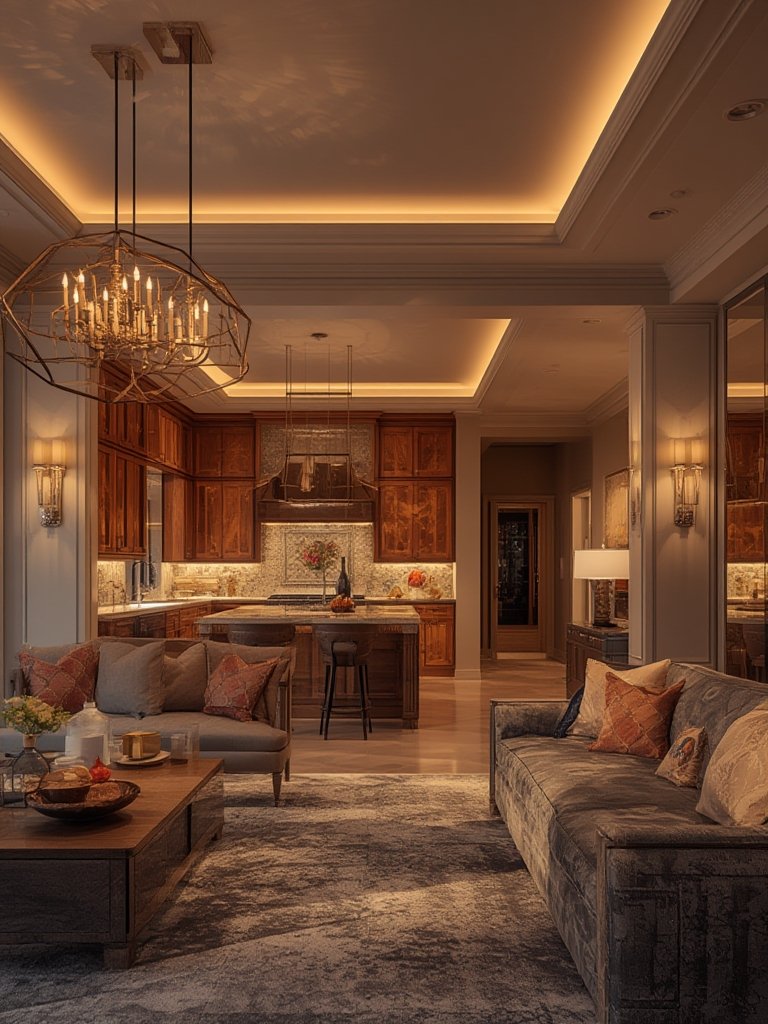
The rise of statement lighting shows no sign of slowing, as more homeowners seek to add both function and flair in their living spaces. By understanding your room’s needs, measuring carefully, and planning for installation realities, you can select sculptural fixtures that become conversation pieces—without headaches or overspending. Whether you choose a high-end masterpiece or a mass-market solution, statement lighting can instantly increase your home’s character and elevate every room. Ready to give your space an upgrade? Take the next step and start designing with bold lighting now.
Frequently Asked Questions
Does statement lighting actually add value to my property?
There is no direct data on the dollar value added by statement lighting, but unique fixtures can boost perceived value, improve first impressions, and elevate listing photos—especially in high-end or design-focused properties.
What is the ideal height for hanging a statement chandelier over a dining table?
Generally, hang the fixture so its lowest point sits 30–34 inches above the tabletop for rooms with 8–9 foot ceilings. For taller ceilings, raise it an extra 3 inches per additional foot in height for perfect proportions.
Are statement lighting fixtures energy-efficient?
Many modern statement fixtures are designed for LED bulbs and can be energy-efficient. However, always check compatibility, as some dramatic pieces use older bulb types or many light sources that may increase consumption.
Do I need a professional to install an oversized chandelier?
If the fixture is heavier than 15 pounds, has complex assembly, or will be installed on a high ceiling, it’s wise to hire a licensed electrician. DIY is possible for lighter or simpler fixtures using standard junction boxes.
Can statement lighting work in small rooms?
Yes, but choose an appropriately sized fixture. A bold mini pendant, small sculptural lamp, or dramatic sconce can create big impact without overwhelming limited space.