

Earth tone palette designs have become the defining trend of 2024, offering an inviting, grounded approach that transforms modern interiors with warmth, comfort, and timeless appeal. If you want to achieve calm, welcoming spaces while staying current with design industry favorites, harnessing this palette is essential.
Key Takeaways
- Earth tone palettes—especially terracotta, sage, and brown—are the most popular color trends for 2024, preferred for their soothing, versatile look.
- Success with an earth tone palette requires balancing textures, layering complementary colors, and adjusting for lighting conditions to prevent dullness or clashing hues.
- Natural materials, sustainable decor, and thoughtful color placement help make earth tone palettes both contemporary and enduring.
- What Is an Earth Tone Palette and Why Does It Matter?
- How to Build a Balanced Earth Tone Palette: Actionable Steps
- Advanced Analysis & Common Pitfalls: Real-World Challenges
- Conclusion: Bringing It All Together
- FAQ: Earth Tone Palette Essentials
What Is an Earth Tone Palette and Why Does It Matter?
An earth tone palette centers around shades found in soil, clay, plants, wood, and stone. Key colors such as terracotta, sage green, and brown reflect a natural, inviting ambiance that works across all types of interiors. In 2024, 46% of design professionals rated earth tone palettes as the most preferred, outpacing even the once-dominant gray and cool neutrals (industry data).
These palettes echo the trend toward “biophilic” design, which aims to reconnect homeowners with nature for improved wellbeing. When combined with natural finishes—like wood beams, linen upholstery, or stone planters—earth tone palettes create spaces that feel timeless yet current. Across living rooms, bedrooms, and even functional spaces like kitchens, these tones foster a sense of calm, authenticity, and subtle luxury.
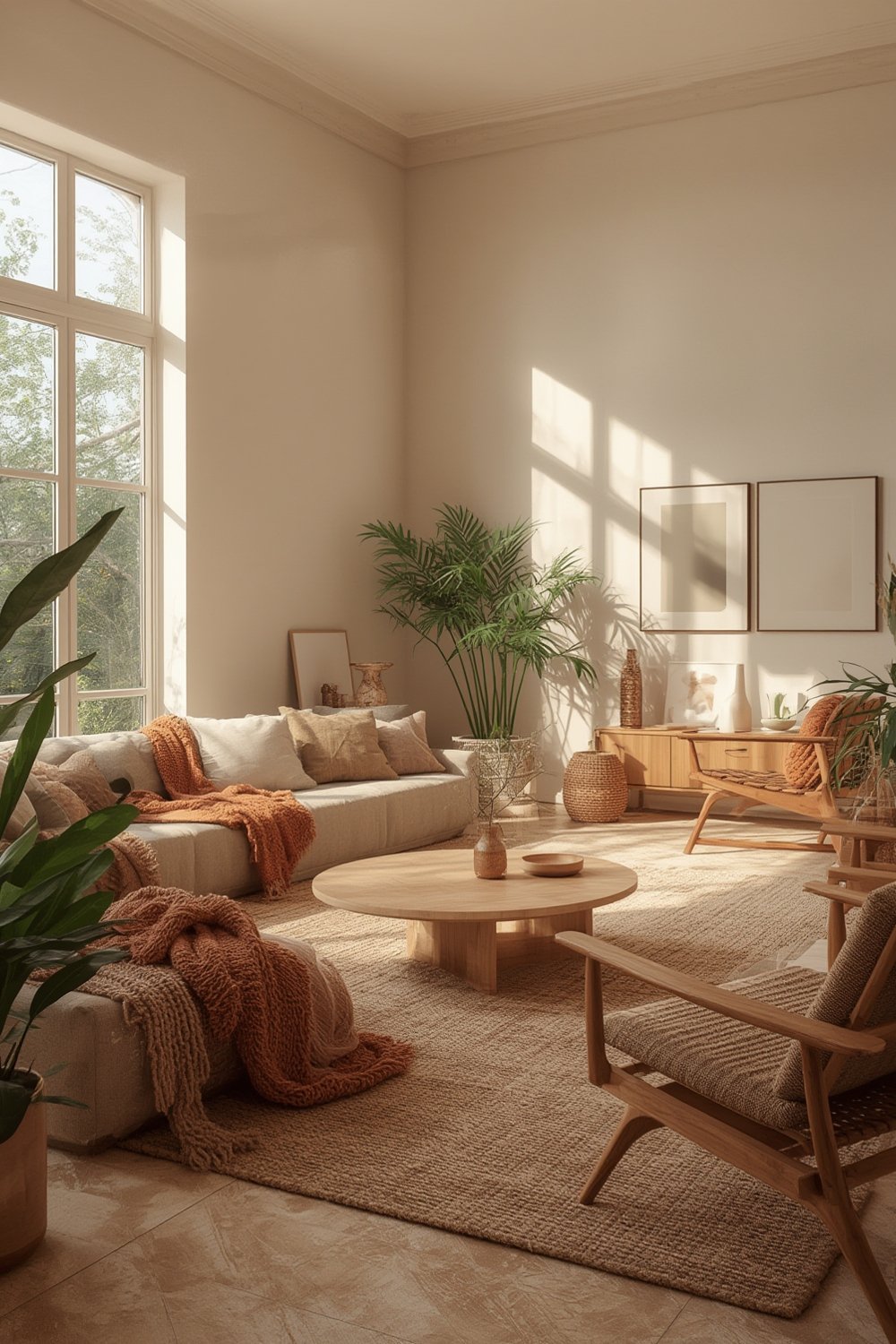
You’ll often see earth tone palette designs highlighted in modern home improvements such as biophilic design living rooms, enclosed porch conversions, and quiet minimalism upgrades, revealing the flexibility of these shades for both statement and subtle effects.
How to Build a Balanced Earth Tone Palette: Actionable Steps
Getting an earth tone palette right takes intention. Here is an actionable guide that professional designers follow, whether you’re updating a single room or an entire house.
- Choose Your Primary Tone:
Start with your psychological goal. Want cozy warmth? Make terracotta or burnt sienna your foundational color for walls, main rugs, or the largest piece of furniture. Prefer subtle freshness? Use sage or olive green as your canvas.
- Layer Complementary Earth Tones:
Add a second dominant shade—brown, tan, or moss green. Use this through secondary textiles (curtains, throws), accent walls, or upholstery for depth without overwhelming the space.
- Integrate Textures and Materials:
Layer in natural elements: stone planters, linen throws, or reclaimed wood accent walls (which also boost sustainability). These choices bring tactile interest and keep earth tone palettes from looking flat.
- Add a Pop or Gradient:
For modern balance, include one contrasting color in minimal doses—like a deep navy pouf or cream area rug. Or use tonal gradients, blending lighter and darker shades within your main palette for dynamic results.
- Balance Warm and Cool:
Offset warm terracotta and brown with cooler shades of sage for harmony. This prevents the room from feeling too heavy or too muted.
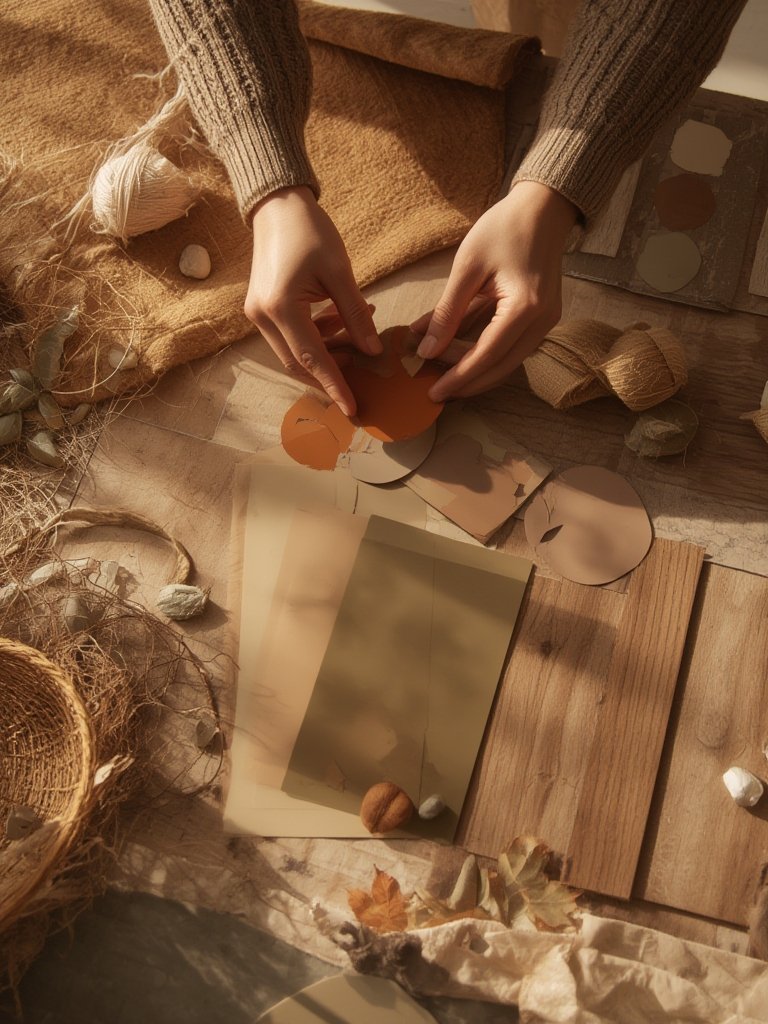
- Refine with Lighting & Accessories:
Switch up lighting types (overhead, wall sconces, task lamps) and test how your earth tone palette looks in each. Choose art and plants intentionally—pieces with clay colors reinforce the theme, while lush greenery (real or faux) boosts both sustainability and serenity.
- Iterate and Adjust:
Don’t be afraid to edit. Earth tone palettes evolve as your home’s needs and your taste grow—add washable area rugs in earthy shades or experiment with color drenching for a bolder effect.
Popular color choices for 2024 include Dutch Boy’s “Ironside” (a warm sage-like green), terracotta in both muted and saturated shades, and rich chocolate brown, all of which are praised in design industry reports.
Advanced Analysis & Common Pitfalls: Real-World Challenges
Despite the popularity of the earth tone palette, real-world applications come with challenges that can derail your results. Here’s a breakdown based on expert analysis and overlooked factors in top industry articles:
Common Pitfalls to Avoid
- Flatness and Lack of Depth: Too many similar hues with little texture leave rooms looking dated or uninspired.
- Poor Lighting Adaptation: Earth tone palette shades can read “muddy” or cold if you don’t tweak color temperatures or types of bulbs—this is rarely covered in mainstream guides but crucial, especially for rooms with low natural light. (see more on lighting shifts)
- Overuse of Heavy Colors: Layering only dark browns or saturated terracotta can quickly overpower smaller spaces. Balance with plenty of light neutrals and greens.
- Ineffective Use By Room Type: Data suggests earth tone palettes are not equally adopted across home zones—use richer, warmer shades in living rooms or bedrooms, but lighter, fresher versions in kitchens and baths for best results.
- Not Considering Sustainability: Many discuss the “natural” aspect, but authentic materials (e.g. real clay, stone) often come at a higher cost and environmental footprint compared to eco-friendly paint or recycled decor. This is an emerging issue as buyers grow more conscious of lifecycle impacts (industry source).
Room Adoption Rates & Lighting Impact: Side-by-Side Overview
| Area/Factor | Recommended Palette Emphasis | Special Notes |
|---|---|---|
| Living Room | Rich terracotta, sage, brown | Pair with plants and wood for biophilic effect (biophilic tips) |
| Bedroom | Soft brown, muted sage, off-white | Diffuse lighting is key; avoid harsh spotlights |
| Kitchen | Lighter earth tones, tan, olive | Balance stone counters with pale terracotta or moss accents |
| Artificial Lighting | Warm white bulbs | Prevents cold look—test with large samples first |
| Natural Daylight | All earth tones perform well | Sage shifts cooler; terracotta may appear brighter midday |
Additional Pitfalls
- Ignoring the tactile side: Relying solely on paint, forgetting textured decor like corduroy upholstery or boucle accent pieces that add dimension.
- Skipping accent and focus points: Avoid blandness by introducing standout furniture, wall art, or statement lighting in your earth tone palette.
- Being too trend-driven: Combine timeless earth tone pieces with select trend touches (like arched or curved furniture) for a look that evolves gracefully.
Conclusion: Bringing It All Together
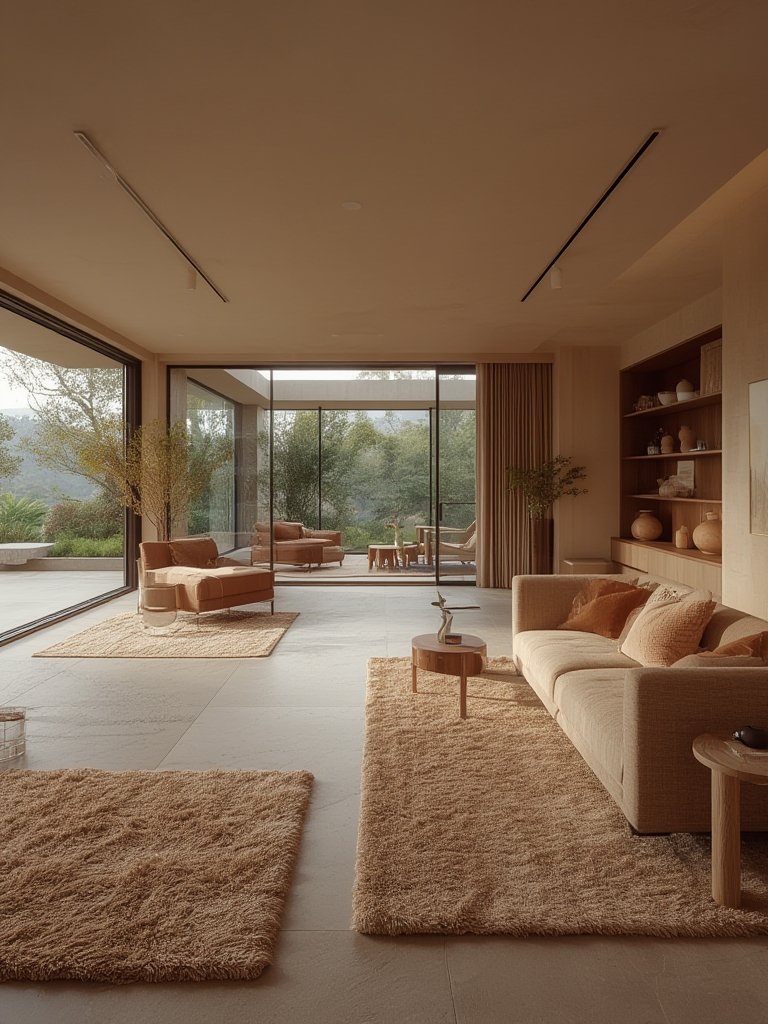
Earth tone palette design offers a modern path to comfort, style, and grounded living—when executed with care. Focus on layering terracotta, sage, and brown with natural materials, and always pay attention to lighting and texture for depth and livability. The exact earth tone palette you craft should evolve with your lifestyle, incorporating both sustainability and adaptability.
Ready to refresh your home with a proven approach? Start small—upgrade a reading nook or accent wall—and see how the mindful use of earth tone palettes transforms your space. Explore more innovative design tips, from quiet minimalism to color drenching, right here at Vibe My Home.
FAQ: Earth Tone Palette Essentials
What are the best colors to include in an earth tone palette?
Key earth tone hues for 2024 are terracotta, sage green, olive, and various browns—from chocolate to tan. Mix with neutral creams or beiges to keep the palette fresh and versatile. Pairing these with natural materials enhances the effect.
Will earth tone palettes make my rooms feel dark or dated?
Not if you balance warm and cool tones, use texture, and adapt your lighting. Avoid going too heavy on dark shades in small spaces. Add light or mid-tone elements like off-white, sage, cream area rugs, or art for a modern touch.
How do I incorporate earth tones in a minimalist or modern home?
Focus on subtle layering. Try a color-drenched accent wall, boucle accent chair in warm brown, or even a reclaimed wood accent piece. Keep lines simple, and use plants or art for nature-inspired contrast.
Are earth tone palettes suitable for kitchens and bathrooms?
Absolutely. In kitchens and baths, gravitate toward lighter earth tones (tan, olive, soft terracotta) for a fresh, clean look. Use natural stone or tiled backsplashes to echo the palette.
Is it expensive to use authentic clay or stone versus earth-tone paint?
Genuine natural materials often cost more than synthetic paints and finishes, but can add authenticity and long-term durability. Consider a mix—use premium materials for focus pieces, but rely on paints, art, or textiles for broader color coverage. Always prioritize sustainability when possible.