

Native plant lawn adoption is accelerating as homeowners seek eco-friendly, low-maintenance alternatives to turf grass. This practical guide explores why native lawns are booming, how to start one step by step, what realistic hurdles to expect, and critical mistakes to avoid for a successful transformation.
Key Takeaways
- 12% of Americans are converting turf to native plant lawns, with global market growth projected to double by 2034.
- Switching to native plant lawns offers major ecological benefits—supporting pollinators, conserving water, and improving soil health.
- Expect unique challenges with weeds, establishment, and curb appeal—success depends on informed planning and realistic expectations.
- What is a Native Plant Lawn? Why Make the Switch?
- How to Start Your Own Native Plant Lawn: Step-by-Step
- Advanced Analysis: Pitfalls and Comparison
- Conclusion
- FAQ
What is a Native Plant Lawn? Why Make the Switch?
A native plant lawn replaces conventional turf grass with low-growing grasses, sedges, and wildflowers native to your local ecosystem. Unlike traditional lawns that demand constant mowing, watering, and chemical inputs, native alternatives establish a resilient, low-maintenance landscape.
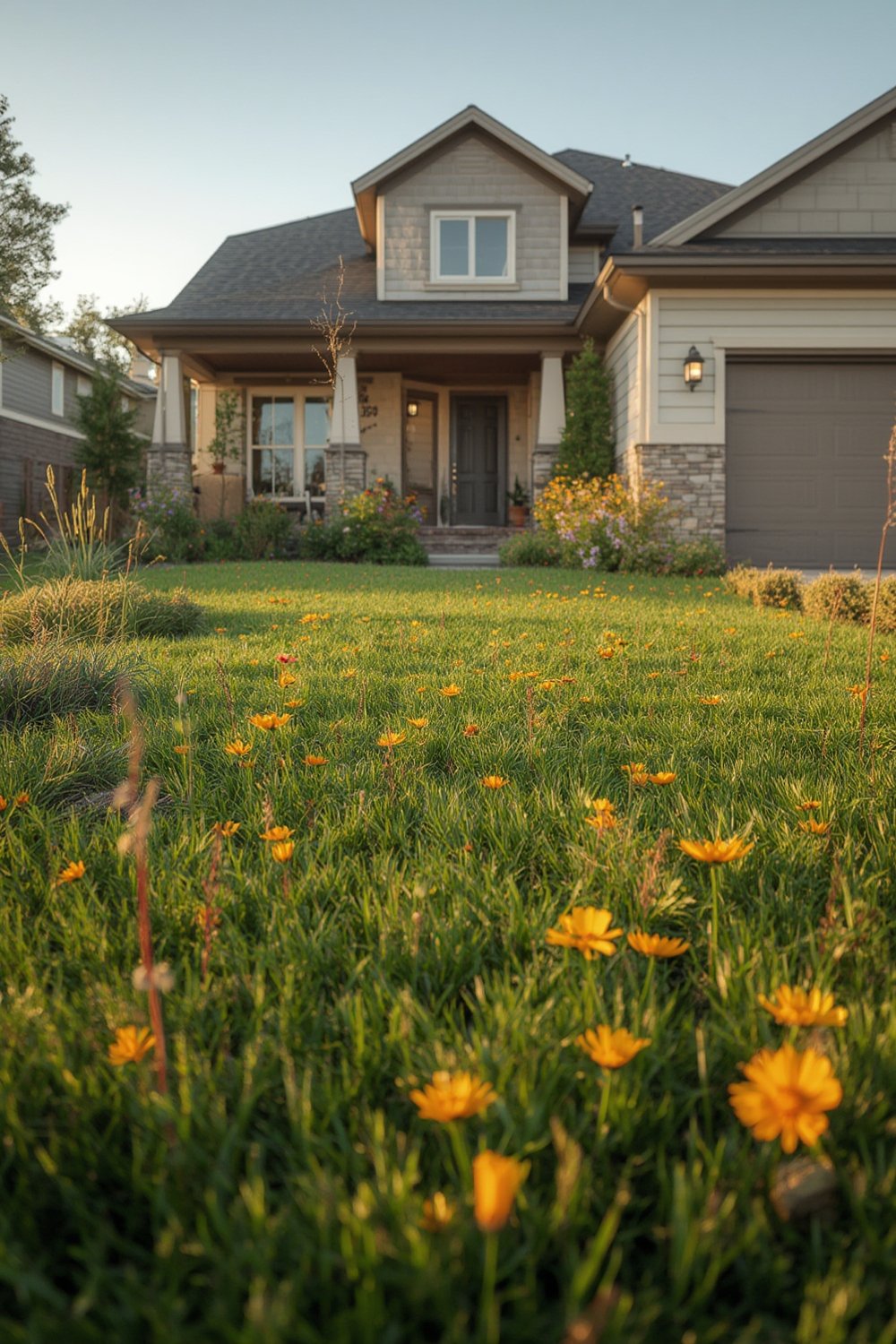
Interest is surging. According to the 2024 National Gardening Survey, 12% of U.S. adults are replacing some turf areas with native plant lawns or wildflower landscapes. 17% reported purchasing plants native to their region. On a global scale, the native grass seeds market is set to double by 2034, reflecting worldwide momentum.
Why choose a native plant lawn? Three big reasons:
- Water Conservation: Native species are adapted to your climate, dramatically cutting irrigation needs.
- Pollinator and Wildlife Support: Native plant lawns provide nectar, pollen, and nesting for bees, butterflies, and birds—something turf grass cannot offer.
- Reduced Inputs and Maintenance: Native lawns require less mowing and fewer chemicals, saving time and minimizing environmental impact.
Adopting a native plant lawn is also a modern biophilic design move, connecting indoor and outdoor environments for improved well-being—similar to trends discussed in biophilic living room design.
How to Start Your Own Native Plant Lawn: Step-by-Step
- Define Your Goals and Area
Decide how much lawn you want to convert. Start small—a border, a side yard, or a strip along the driveway often works best for your first attempt. - Research Native Species for Your Region
Consult local extension offices or native plant societies. Prioritize tough, low-growing grasses and wildflowers. Examples: Pennsylvania sedge (cool shade), Little Bluestem or Buffalograss (sunny, dry situations). - Remove Existing Turf Grass
Method options: sheet mulching, solarizing, or carefully digging up sod. Remove roots and debris to minimize weed regrowth. - Prepare the Site
Loosen compacted soil, correct drainage if needed, and avoid high-nitrogen fertilizers. Most native plants thrive in unimproved, slightly poor soil. Use a Home Soil Test Kit (pH & Nutrients) to check soil conditions before planting. - Sow or Plant Natives
Spread seed per supplier instructions. For faster establishment (especially with sedges), plant pots or plugs spaced per guidance. Water well at planting. Try a Regional Native Grass & Wildflower Seed Mix for better local adaptation. - Mulch and Water for Establishment
Apply a thin, weed-seed free mulch (straw, pine needles). Irrigate gently as needed until plants are established (first 1-4 months), then reduce as appropriate. Install a Soaker Hose / Drip Irrigation Kit with Timer for even watering and to save time. - Maintain Selectively—Not Neglectfully
Weed new areas frequently in year one. After establishment, mow or trim only 1-2 times per season to control woody growth and maintain a neat look.
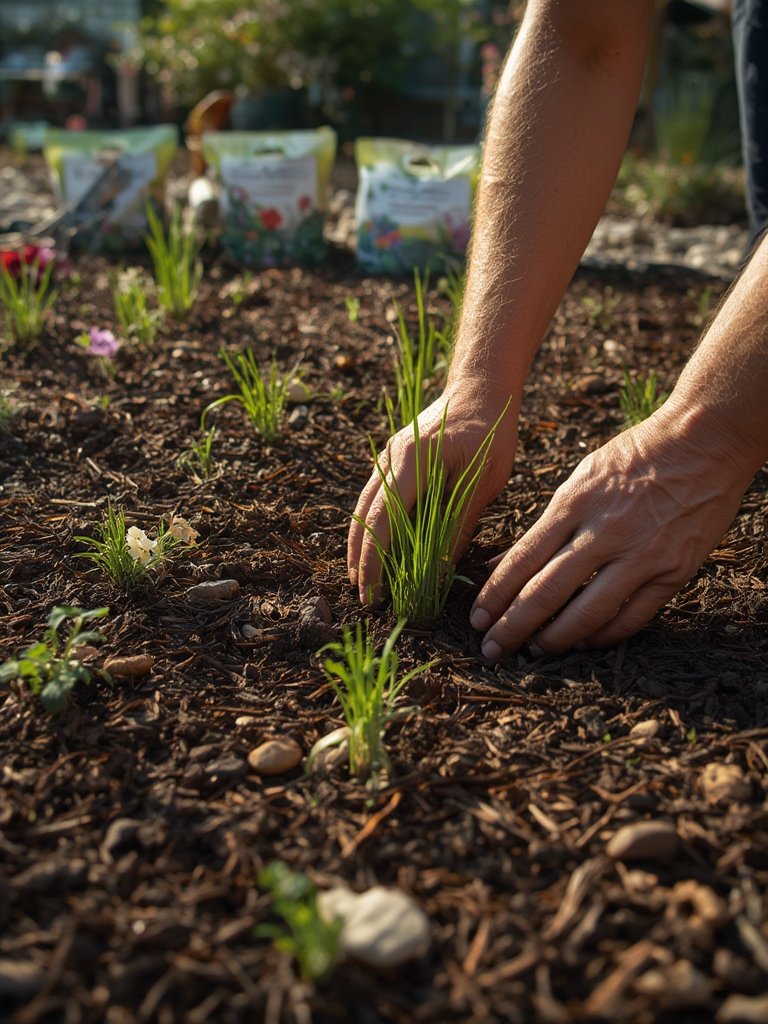
Bonus: If you’re worried about future projects (EV charger, smart home upgrades), install underground electrical conduit before planting—a strategy from our home EV charger installation guide. It saves time and prevents disturbance later.
Integrating areas like an enclosed porch sunroom or smart outdoor lighting can further increase backyard value and enjoyment.
Advanced Analysis: Pitfalls and Comparison
Creating a native plant lawn isn’t zero-maintenance. Here are the main pitfalls new adopters encounter, based on research and realistic user experiences:
- Weed Invasion: The soil seed bank is persistent. Expect heavy weeding in year one and some weed pressure every year, especially on previously neglected sites.
- Establishment Period: Native lawns take 1-3 years to fill in fully. They can look sparse or weedy at first, which may frustrate neighbors or HOA boards.
- Curb Appeal Challenges: Native lawns appear wilder than traditional turf, and some may mistake early stages for neglect. Strategic mowing along borders helps, but managing expectations is crucial.
- Knowledge Gaps: Many homeowners expect “no-mow lawns” to be zero-maintenance, but all lawns require at least annual trimming, plus spot weed management.
- Limited Supplier Availability: Regional native plants and plugs can be hard to source. Plan ahead for orders and choose reputable native nurseries.
| Aspect | Native Plant Lawn | Traditional Turf Lawn |
|---|---|---|
| Water Use | Low after establishment | High—all season |
| Mowing/Fertilizer Needs | 1-2 trims/year; minimal fertilizer | Weekly mowing; regular fertilizing |
| Wildlife Support | High (pollinators, birds, etc.) | Minimal |
| Curb Appeal (1st–2nd year) | Irregular; appears “wilder” | Uniform; neat |
| Long-Term Aesthetics | Natural, beautiful variety | Consistent, green carpet |
| Startup Cost | Moderate—varies by species and method; no clear data | Variable; often higher for sod, but prices depend on market |
| Maintenance Cost (5 years) | Lower after year 1; less input needed | Consistently higher; ongoing inputs |
For cost specifics, there is little published data comparing expenses over 1, 3, and 5 years. The U.S. spends $36 billion on overall lawn care annually, but breakdowns by lawn type are not available. Product costs and maintenance needs will vary.
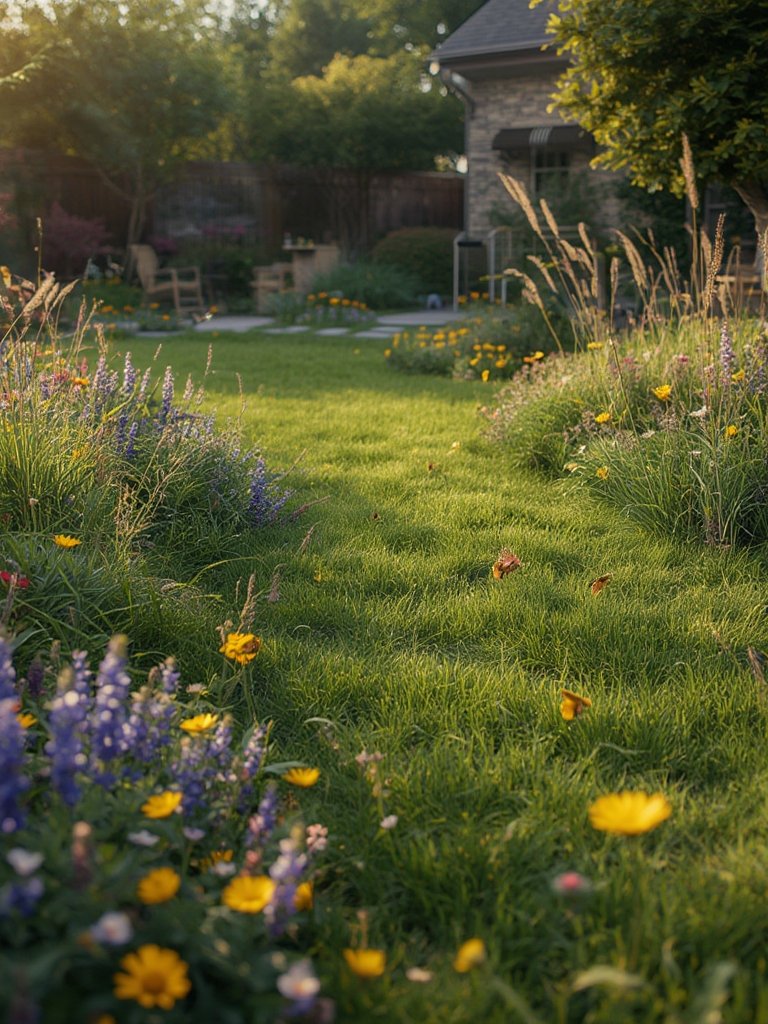
Recent scientific reviews confirm these three ecological benefits of native plant lawns:
- Support for pollinators—nectar and host plants benefit bees and butterflies (NWF).
- Biodiversity and soil health—diverse root systems build soil structure, promote carbon sequestration, and improve air quality (NWF).
- Erosion control—native grass restoration can reduce soil erosion by up to 75%, according to the US EPA (Precedence Research).
For those with pets or considering modern sustainable landscaping, remember to research for allergenicity, toxicity, or best species fit for your region. For design inspiration that integrates native plant areas indoors and out, see our biophilic design guide and explore furnishings that work with garden-connected spaces, such as a converted sunroom.
Conclusion
Shifting to a native plant lawn is a realistic and rewarding way to save resources, attract wildlife, and cut back on outdoor chores. The process takes patience, research, and some upfront work—especially on weed control and choosing regionally appropriate species. Accept wilder early years and communicate with neighbors for best results. Start your own native plant lawn transformation today and witness how it changes both your home’s curb appeal and your local ecosystem.
Ready to convert part of your yard? Dive deeper into sustainable home living with our biophilic living space tips or our indoor-outdoor oasis guide.
FAQ
How long does it take for a native plant lawn to fill in?
Most native plant lawns take between one and three growing seasons to mature and achieve dense coverage. Growth rate depends on species selection, soil preparation, and weed competition.
Are native plant lawns really “no maintenance”?
No lawn is zero maintenance. You will need to weed, especially in the first year, and usually mow or trim one or two times per season to keep aggressive plants in check.
Will a native plant lawn look messy compared to turf?
Native lawns offer a more natural, meadow-like appearance. They may look less uniform than turf grass, particularly in the early years, but careful edge mowing and thoughtful plant choice can increase tidiness and visual appeal.
What are the best regions for Pennsylvania sedge lawns?
Pennsylvania sedge (Carex pensylvanica) thrives in light to moderate shade and well-drained soils, particularly in the eastern and Midwest United States. In hotter or dryer climates, warm-season grasses like Little Bluestem may be better suited.
Can native plant lawns help with local stormwater or erosion issues?
Yes, native grass and sedge root systems absorb more water and hold soil in place better than shallow-rooted turf grass. This reduces runoff and soil erosion, offering both ecological and property protection benefits.