

Meadowscaping is changing how homeowners across the US rethink their lawns: replacing water-hungry grass with wildflower meadows that are beautiful, sustainable, and good for local wildlife. This practical guide shows exactly how to convert your yard using realistic steps, real pitfalls, and actionable tips—so you can enjoy the benefits without the headaches.
Key Takeaways
- Converting to meadowscaping saves money, water, and maintenance time while boosting biodiversity and curb appeal.
- The establishment period (first 1–3 years) is the highest-maintenance phase; ongoing care is much lower than traditional lawns.
- Smart planning and attention to weed control are critical for success and long-term low maintenance.
- What is Meadowscaping and Why Do It?
- Step-by-Step Guide: Convert Your Lawn to a Wildflower Meadow
- Advanced Analysis & Common Pitfalls
- Conclusion
- Frequently Asked Questions
What is Meadowscaping and Why Do It?
Meadowscaping means transforming a traditional turf lawn into a biodiverse landscape filled with native grasses and wildflowers. Instead of textbook green grass, you get color, texture, movement, and ecological benefits.
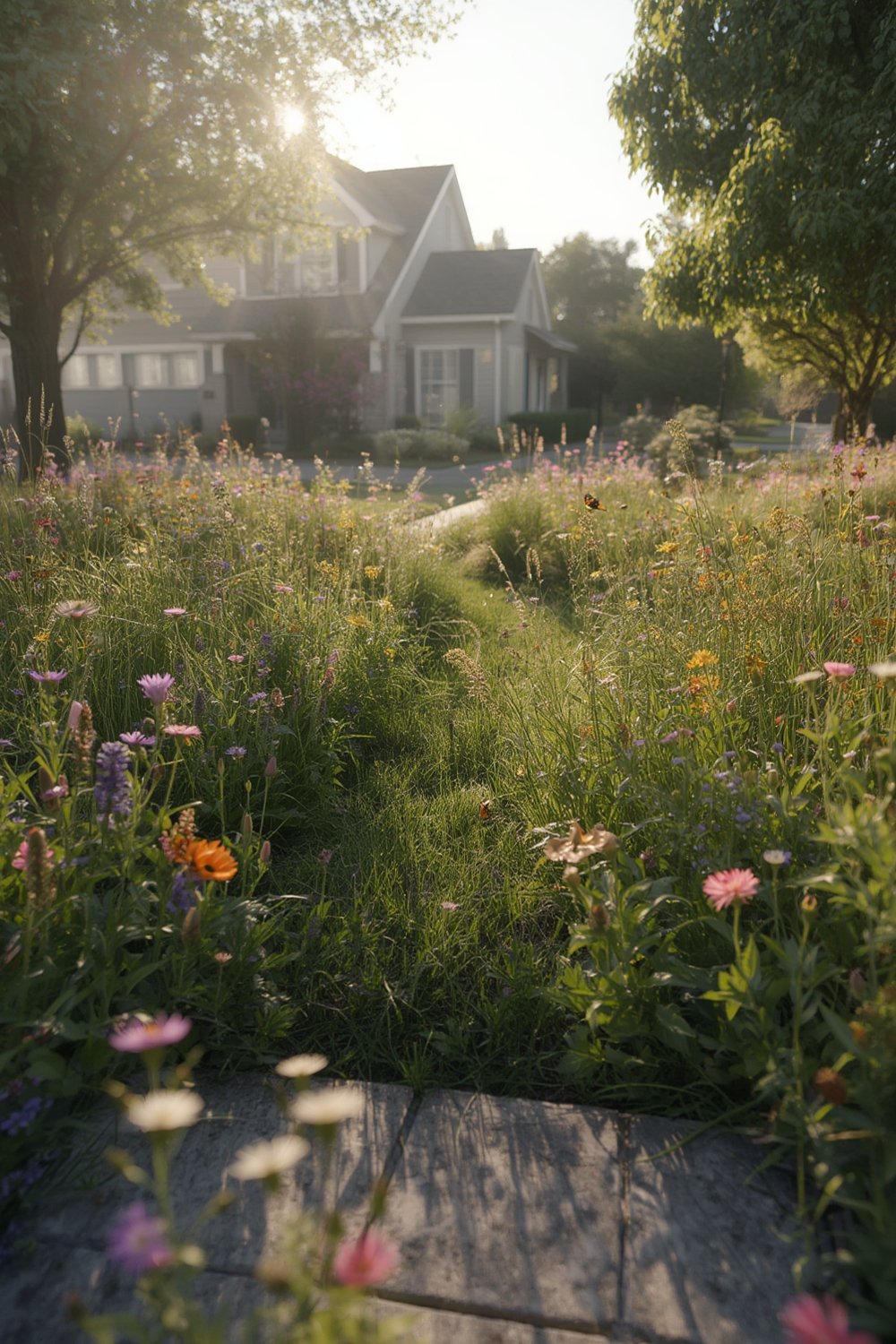
Why is meadowscaping becoming so popular? Lawns consume 9 billion gallons of water daily in the U.S., require harmful chemicals, and provide almost no habitat for pollinators or birds. As of 2024, 12% of adults in the US are now converting part of their lawns to wildflower meadows—a number that keeps growing. Interest in biodiversity, climate resilience, and reducing landscape costs drives this trend.
Meadowscaping yields:
- Less mowing, watering, and fertilizer required after establishment
- Support for bees, butterflies, birds, and beneficial insects
- Improved soil health, erosion control, and water infiltration
- Colorful, ever-changing seasonal beauty with minimal long-term input
This approach fits especially well in yards too big to mow easily, on slopes where grass struggles, or for anyone seeking a more sustainable and eye-catching home landscape.
For inspiration on other ways to connect home design with nature, see our guide on biophilic design for your living room.
Step-by-Step Guide: Convert Your Lawn to a Wildflower Meadow
Below is a practical, research-backed process to achieve successful meadowscaping in almost any residential yard.
1. Evaluate Your Site and Set Goals
- Decide how much lawn to convert. Measure the area for seed/plant calculations and potential rebates.
- Note sun, shade, drainage, and existing problem weeds.
- Consider how you’ll use the space: paths, buffer zones, play or seating areas.
2. Remove Existing Grass
- For small areas, use a sod cutter, shovel, or repeated mowing and sheet mulching.
- Solarization (covering with plastic for 4–8 weeks) is eco-friendly and effective for larger spaces.
- Remove root systems of invasive grass and weeds—this is time-consuming but essential for meadowscaping success.
3. Prepare the Soil (But Don’t Overdo It)
- Test for extreme pH or compaction; most native meadow species prefer unamended soil.
- Rake or lightly loosen the surface for seed contact. Avoid adding fertilizer: rich soil favors weeds and grasses, not wildflowers.
4. Choose Your Meadow Seed Mix or Plant Selection
- Select a mix designed for your region and sunlight—prioritize native wildflower species and pollinator-supporting grasses.
- Contact your state extension, native plant society, or trusted nursery for zone-specific recommendations, or look for reputable sources online.
- Pre-mixed native meadow blends can be found for most U.S. regions. Choose a reputable supplier for best results.
5. Planting
- Sow seeds in early spring or fall. Use a carrier (sand, compost) for even distribution at the recommended rate.
- Press seeds into soil (rolling or foot tamping); do not bury deeply.
- For plug-based meadows (more expensive), plant on a grid—water until established.
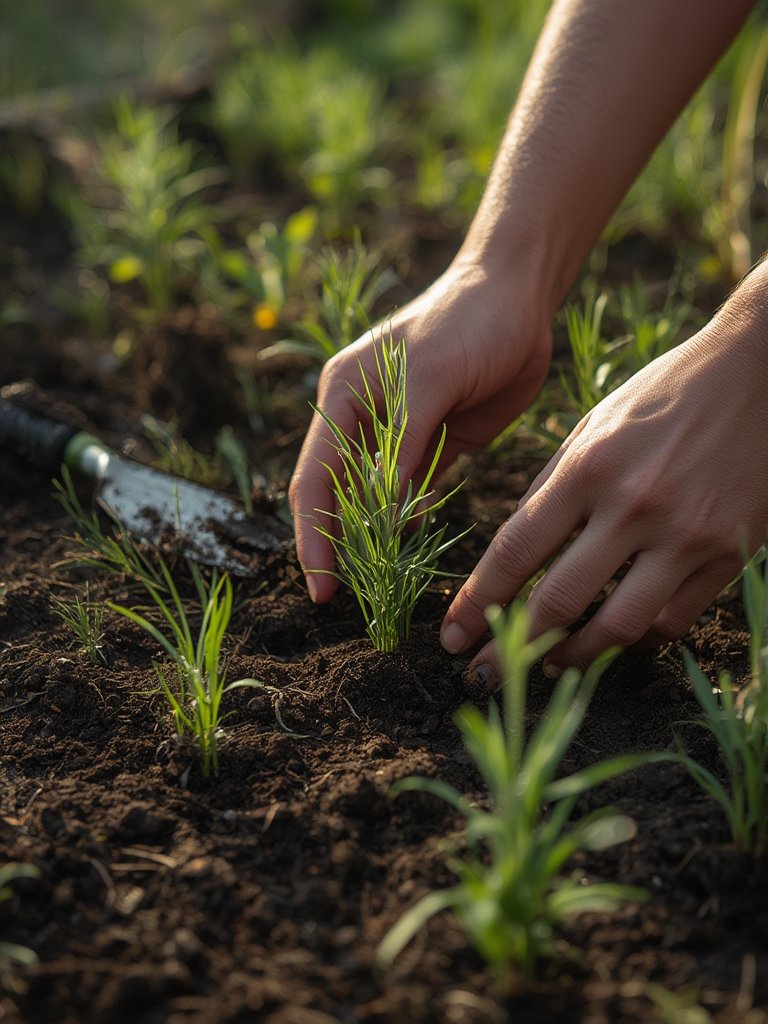
6. Establishment: Year 1–3
- This phase is critical: keep seedbed moist by watering 1–1.5 inches per week until seedlings are strong.
- Mow or trim vegetation to half knee height each time it reaches knee height—this reduces annual weed competition without harming deep-rooted meadow plants. Use a string trimmer if mowing is too rough for delicate seedlings.
- Spot-remove aggressive weeds by hand or with a targeted spot-spray of vinegar or approved herbicides, if needed.
- Expect a mix of flowers, grasses, and “weeds” the first season; density, color, and pollinator activity pick up in years two and three.
7. Ongoing Maintenance
- Once established, meadowscaping becomes extremely low maintenance. Water only in major droughts; no fertilizer necessary.
- Each late winter or early spring, mow or trim the entire meadow to 1–2 inches to clear dead growth, promote new shoots, and reduce thatch.
- Spot-manage any new weed invaders, particularly in the first three years.
- Consider incorporating mown paths or clear borders for a tidy, intentional look.
For larger conversions, check local incentives and rebates. Utah’s 2024 statewide program paid $1–$3 per square foot, with funded savings of over 100 million gallons of water annually.
Curious about optimizing other outdoor spaces? Learn how to blend an indoor-outdoor living space for year-round enjoyment or review our sunroom conversion guide.
Advanced Analysis & Common Pitfalls
Most meadowscaping failures boil down to three issues: neglecting weed control in early years, expecting instant “wildflower fields,” and skipping annual mowing or trimming that boosts long-term health.
Common Pitfalls in Meadowscaping
| Pitfall | Impact | How to Avoid |
|---|---|---|
| Skipping weed removal and weed control during establishment | Weeds take over, crowding out desirable wildflowers and grasses | Remove grass and invasive weeds before planting; mow/spot-weed regularly for first 1-3 years (source) |
| Choosing non-native or “generic” seed mixes | Low wildlife value, poor establishment, higher maintenance | Source region-appropriate, native-focused mixes for highest biodiversity |
| Failing to mow or manage thatch each year | Reduced wildflower emergence, increased weeds, cold soil slows growth | Trim/meadow mow to 1–2 inches in late winter/early spring (source) |
| Overwatering/fertilizing after establishment | Promotes lawn grasses and weeds over natives; negative ecological impact | Once established, water only in drought; never fertilize a native meadow |
| Expecting instant top-dollar curb appeal during establishment | Frustration with slow progress, patchiness, and changing appearance as meadow develops | Be patient: peak beauty and wildlife value arrive in years 2–4 |
Cost is another concern. While native meadow seed mixes are more expensive up front, lawns cost more over time: weekly mowing, regular irrigation and fertilizer, and chemical treatments are usually required for turf. Seeded meadows only need 1–3 trims in early years, and rarely require watering or chemicals after establishment (source).
Meadowscaping on sloped or poor soils? These are often ideal sites! Native wildflowers and tough prairie grasses have deep roots that prevent erosion, improve water infiltration, and support healthy soil biology.
For people focused on maximizing home value and return, pairing meadowscaping with energy-efficient window upgrades or a smart garage system is a winning strategy.
Conclusion
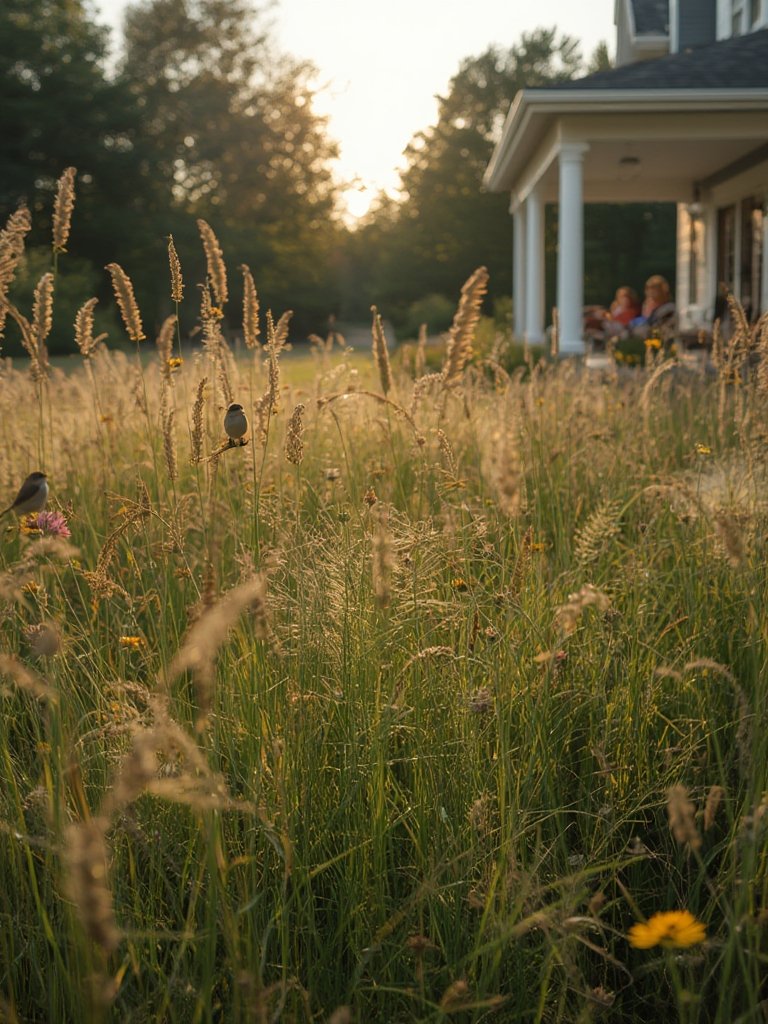
Meadowscaping is a realistic, proven way to cut maintenance, save money, and restore ecological value to your yard. Yes, the process requires patience and some honest effort up front. But by following the step-by-step plan outlined here, and being diligent in the first 1–2 years, you’ll end up with a yard that’s more beautiful, more functional, and dramatically better for the environment than any traditional lawn.
Ready to start your own meadowscaping transformation? Begin small, plan carefully, and enjoy the rewards for years to come. Want more guidance? Explore our other how-to guides for home upgrades, and share your results or questions below!
Frequently Asked Questions
How much does meadowscaping cost compared to a typical lawn?
Upfront costs are usually higher for native seed mixes—about $200–$600 per 1,000 square feet, depending on species. However, overall maintenance costs (watering, mowing, chemicals) drop dramatically after establishment. Many areas offer rebates or incentives up to $1–$3 per square foot, especially for replacing irrigated turf (Utah example).
Will a meadow attract snakes or pests?
Meadowscaping increases habitat for many beneficial creatures like pollinators and songbirds. While snakes may visit, they help control rodents and are not a hazard in most home landscapes. Routine mowing of edges and clear walking paths helps keep unwanted wildlife away from high-use areas.
Can I use meadowscaping in shady areas?
Most classic wildflower meadow mixes prefer full sun, but there are native plant options (like Pennsylvania sedge or shade-tolerant woodland wildflowers) for partial shade sites. Choose a seed mix labeled for woodland or shade, and adjust expectations for flower diversity.
How soon will I see flowers and pollinators?
Annual wildflowers may bloom within the first season, especially if a nurse crop is used. Perennial meadows reach peak bloom and support the most pollinators in years 2–4, after deep-rooted plants are established and weeds are under control.
Does meadowscaping lower my water bill?
Yes—once established, wildflower meadows require only natural rainfall or minimal irrigation during extreme drought, improving water savings by up to 75% versus the same area of traditional lawn (NWF source).