

Electric zero turn mower technology is transforming how large lawns are maintained, offering quieter, cleaner, and far lower-maintenance lawn care for homeowners and pros. If you want to ditch gas engines but aren’t sure if battery zero turn mowers are up to the job, this guide will give you clear, practical answers about performance, user complaints, running costs, and what to watch out for in 2024.
Key Takeaways
- Electric zero turn mowers have made major leaps in runtime, power, and battery technology—yet they still struggle with big or hilly properties and fast mowing.
- Charging, deck size, and initial purchase price are the top real-world pain points compared to gas models.
- Total ownership costs are usually lower with electrics thanks to minimal maintenance and no fuel, but battery replacement and long-term grid emissions need consideration.
- What is an Electric Zero Turn Mower? Why Are They Trending in 2024?
- How to Choose and Use an Electric Zero Turn Mower: Complete Walkthrough
- Advanced Analysis & Common Pitfalls: Real Problems and How to Avoid Them
- Conclusion: Is an Electric Zero Turn Mower Right for You?
- FAQ
What is an Electric Zero Turn Mower? Why Are They Trending in 2024?
Electric zero turn mowers (ZTRs) use high-voltage lithium ion batteries instead of gasoline engines and are operated through dual lap bars for ultra-tight maneuvering. They’ve become the go-to upgrade for homeowners and landscape pros with 1-4 acre properties needing serious cutting power, less noise, nearly no oil or belt maintenance, and no gas fumes.
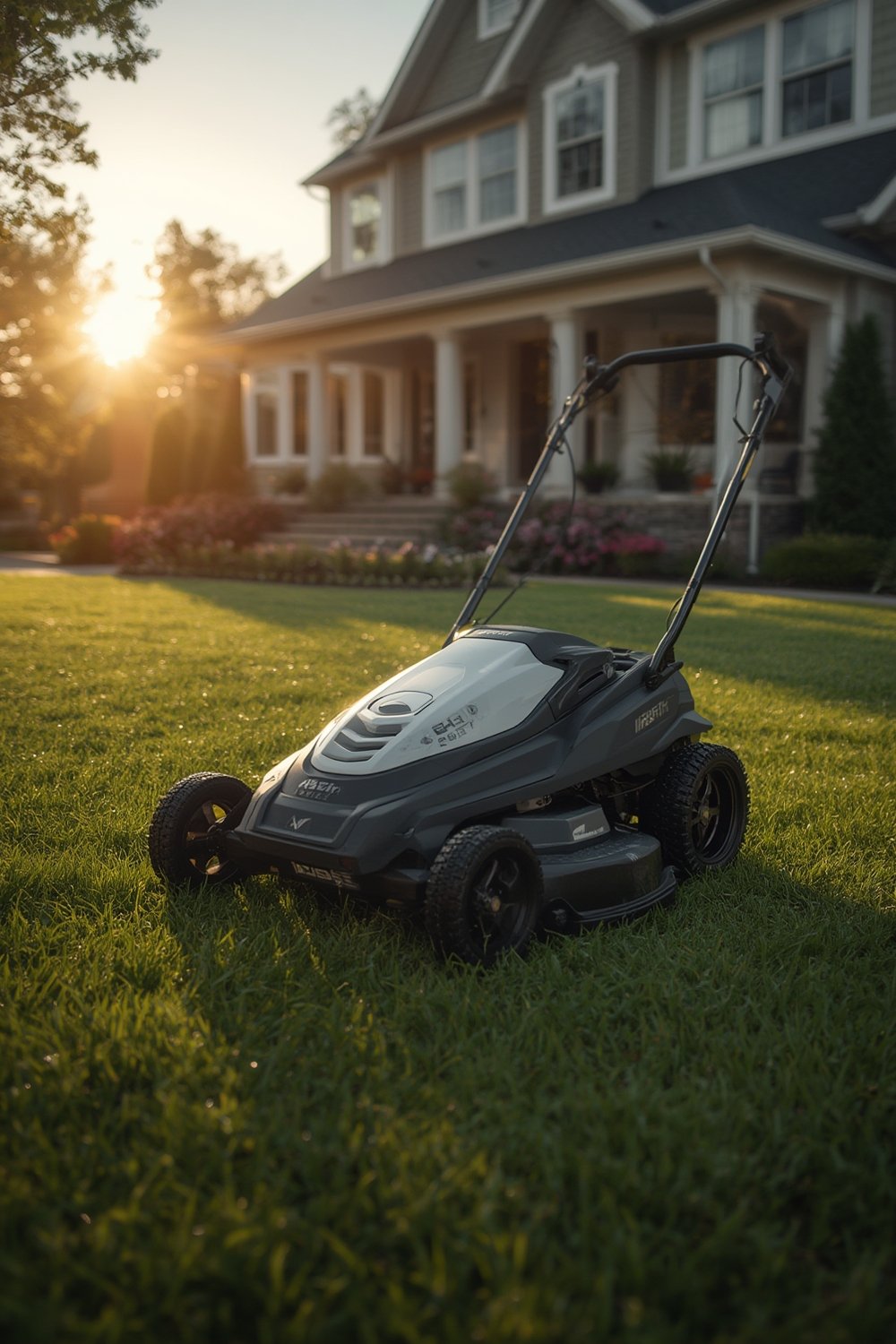
In 2024, models like the Ego Z6 and Greenworks 60V CrossoverZ are pushing boundaries: runtimes up to 4 or even 8 hours, standardized 42-54 inch cutting decks, digital controls, and quick-swap battery banks. Compared to traditional gas zero turn mowers (like the John Deere Z325E), electrics offer instant torque, quieter operation for early or late mowing, and—importantly for many—zero direct emissions at the mower.
But rapid adoption brings growing pains. Electric ZTRs have higher up-front costs, smaller decks (which can slow big jobs), depend on reliable garage charging setups, and their real-world mower batteries still aren’t “gas tank unlimited.” Understanding their strengths AND weaknesses is crucial before you buy—or upgrade.
How to Choose and Use an Electric Zero Turn Mower: Complete Walkthrough
Switching from gas to an electric zero turn mower isn’t like swapping a corded for a cordless drill. There are vital decisions if you want long-term satisfaction, not regret. Here’s how to get it right step by step:
- Define Your Priorities: Silence, low maintenance, and zero exhaust are the core electric ZTR advantages. If raw mowing speed, hillside grip, or ultra-low cost is the priority, gas may still win.
- Calculate Your Acreage and Terrain:
- For 0.5–2 acres with few hills: Ego Z6 42-inch or Greenworks 60V is ideal.
- For 2–4 acres: Look toward higher capacity models—Ryobi 80V (claimed up to 4 acres), Ego Z6 with 62Ah battery, or Toro Z Master Revolution.
- Above 4 acres or steep hills still favor commercial gas ZTRs, but premium electrics like the Toro HyperCell Z Master are catching up in runtime.
- Check Performance Specs:
- Cutting width: Electric decks still mostly max at 42–54 inches; gas ZTRs go 48–60 inches for fastest jobs. Source
- Battery size: Ego Z6 now offers up to 62Ah banks; actual specs can be confusing—always ask for Ah, not just volts.
- Runtime: 60-90 minutes for most electrics, 2-8+ hours on new high-end fleets (e.g., Toro Z Master Revolution).
- Recharge time: Fastest is Greenworks’ CrossoverZ setup (90 minutes for a full bank). Ryobi’s 80V recharge can exceed 5 hours.
- Budget Realistically:
- Expect $5000+ for a top-tier electric zero turn mower. Entry gas ZTRs begin at about $3,700 but may climb beyond $6,000 with options.
- Long-term, electrics require nearly no oil, filter, or routine engine repairs—just basic blade and deck maintenance. Expect to replace batteries every few years (source), although exact costs and timelines vary and are almost never quoted by brands.
- Match Charging to Your Garage:
- Make sure you have reliable 120V or 240V power near storage; fast chargers may require higher-amperage outlets.
- Consider installing a dedicated line, as with a home EV charger (home EV charger installation cost).
- Plan for Safe, Secure Storage:
- Electric mowers are weather sensitive—always store in a dry, locked garage for safety and to maintain battery life.
- If you’re upgrading your storage, adding a smart garage door opener boosts security for your valuable mower and simplifies daily charging access.
- Use for Ideal Lawn Conditions:
- For the best cut and runtime, mow dry grass, avoid extremely thick/tall patches at top speed, and keep blades sharp.
- Electric ZTRs do best on relatively flat, obstacle-free lawns less than 3–4 acres. For challenging slopes or wild growth, check out strategies for choosing the right zero turn mower for your conditions.

- Keep your battery charged after each use, and consider a backup set if you regularly mow 2+ acres.
- Stay updated on battery advances—2024 patents have surged. If buying now, select brands actively upgrading batteries, like the Toro HyperCell or Ego’s modular 10Ah packs (source).
For the most energy- and eco-conscious users, also explore compatible options like native plant lawns and meadowscaping if you want to reduce mowing needs even further.
Advanced Analysis & Common Pitfalls: Real Problems and How to Avoid Them
It’s easy to be wowed by specs, but user complaints and overlooked costs shape your real experience. Here’s what the top articles rarely mention—and what you need to know before you buy an electric zero turn mower.
Direct Comparison: Electric vs. Gas Zero Turn Mowers (2024)
| Model | Cutting Width | Runtime / Tank | Battery Capacity | Recharge Time | Engine (Gas Only) | Approx Price |
|---|---|---|---|---|---|---|
| Greenworks 60V CrossoverZ (Electric) | 42 in | ~1 hr (not specified) | 60V config, Ah not stated | 90 min (with fast charge) | – | ~$5,000 |
| Ego Z6 (Electric) | 42 in | 2 acres per charge | 4x10Ah (expandable), 56V | ~2 hr | $5,499 | |
| Ryobi 80V (Electric) | Not stated | 5 hrs / 4 acres | 3x80V | 5 hr | $5,000+ | |
| Toro Z Master Revolution (Electric) | Customizable | 8+ hrs | HyperCell system | Fast charge | $15,000+ (commercial) | |
| John Deere Z325E (Gas) | 48 in | Unlimited (2 acre optimal) | – | – | 24 HP | $3,699 |
| Toro TimeCutter MAX (Gas) | 54 in | Unlimited | – | – | Kawasaki V-Twin | $5,000 |
Common Pitfalls & Real-World Complaints
- Narrower deck widths (often maxing at 42–54 in.) mean more passes for large lots—gas ZTRs often reach 60 in. Source
- Charging mistakes: Average runtime is 60-90 minutes; forget to charge, and mowing is interrupted or delayed.
- Price shock: Even basic electric zero turn mowers often exceed $5,000 new—hard to justify for some compared to gas models with similar cut width.
- Sensitivity to thick grass, hills, and wet lawns: Running top speed through heavy or damp grass quickly drains even high-capacity batteries; slip and handling can suffer.
- Learning curve: Lap bar controls (especially on models like Greenworks) can be tricky for new users, even if you’ve used a lawn tractor before.
- No direct emissions doesn’t mean zero environmental impact: Most brands claim “emission-free” but rarely mention grid energy mix or the manufacturing/disposing of batteries. If ultimate eco-performance matters, research grid emissions for your local area or consider other home energy efficiency upgrades.
Ownership Costs: Long-Term Reality
- Electric ZTRs save money long-term on oil, filters, belts, and other fuel maintenance—ideal for those who hate tinkering. See breakdowns in our maximizing living space projects where total-cost thinking is key.
- However, battery replacement prices and replacement cycle (often every 3-6 years) aren’t clearly disclosed up front. Factor at least $400–$800 per replacement per bank.
- Charging cost is minimal in most regions (under $1 per full charge), but electricity rates and battery replacement add up over time. Unlike gas, you can’t pour in more “fuel” instantly.

2024 Battery & Tech Advancements
- Toro HyperCell battery allows for 8+ hour runtime and fast recharge in commercial-grade models. Source
- Ego Z6 batteries expanded to 62Ah (from 40Ah); supports 4 acre claims in ideal conditions.
- Greenworks fast chargers: 6-battery/3-charger design can recharge in 90 minutes, which is among the fastest consumer setups.
- 2024 saw a 15% increase in battery and mower tech patents—expect performance to keep improving, but replacement cycles may become more predictable.
Where Top Articles Fall Short
- Few sources share ampage-hour (Ah) data or multi-year battery replacement costs—request these specs directly when comparing products.
- Long-term (5-year) ownership cost analyses are rare. Ask retailers or manufacturers for case studies or customer data on battery/maintenance spend.
- Be skeptical of blanket “emission free” claims—real environmental impact depends on your area’s electric grid and how batteries are recycled or disposed.
For more home tech that pays off long-term, see our guides to high efficiency window upgrades, wellness home saunas, and tankless hot water systems.
Conclusion: Is an Electric Zero Turn Mower Right for You?
Electric zero turn mowers now rival most gas models for typical suburban lot sizes, with unbeatable noise, maintenance, and emissions advantages. However, higher up-front costs, runtime and deck size limits, plus future battery replacement still present real-world tradeoffs. For 0.5-4 acre properties with regular mowing needs, a quality electric zero turn mower can make lawn care quieter, cleaner, and easier—if you choose and use it wisely.
If you’re ready to cut the cord—and emissions—on your property, review battery specs carefully, test controls before buying, and ensure your garage supports fast, safe charging. For many, the switch is worth it. Explore brands, request detailed ownership cost estimates, and make your next zero turn mower electric.
Want to compare more? Discover the smartest ways to upgrade your outdoor space or garage with our top guides to smart garage security and indoor-outdoor living design.
FAQ
How long does a typical electric zero turn mower runtime last on a single charge?
Most 2024 residential electric zero turn mowers run 60–90 minutes on a full battery under average conditions. Higher-end models (like Ego Z6 with expanded battery and Toro HyperCell) claim up to 4–8 hours, usually for commercial use or ideal lawns.
How often will I need to replace the batteries?
Expect batteries to last 3–6 years with regular use. Actual life depends on battery chemistry, maintenance, and charging habits. Replacement costs per battery bank can range from $400–$800.
Are electric zero turn mowers suitable for hills and rough terrain?
Electrics perform best on flat or gently rolling lawns. Steep slopes or wet/thick grass can reduce runtime and traction, as with all ZTRs, but electric motors may respond slightly slower on loose or uneven ground.
Is the cutting width of electric models always narrower than gas?
Most electric zero turn mowers currently offer a 42–54 inch deck, which is enough for 1–3 acre lots. Gas models often offer decks up to 60 inches, so they may be better for very large or commercial properties where speed counts.
What are the real maintenance savings with electric zero turn mowers?
You skip oil changes, filters, belts, and tune-ups. Maintenance is mostly sharpening or replacing blades and making sure the battery is charged and stored properly. This saves time and yearly costs compared to gas ZTRs.