

Bee hotel installations have become one of the most popular DIY conservation trends for people hoping to boost native pollinator numbers. But do these nesting structures really work as well as advertised? If you’re considering adding a pollinator shelter to your yard or garden, this guide will cut through the hype and share the newest 2024 data, step-by-step advice, and the biggest pitfalls to avoid for realistic, positive impact.
Key Takeaways
- These nesting structures can support cavity-nesting native bees, but only about 30% of wild bee species use them.
- Location, design, and patience are crucial—many nesting structures show little activity for 1–2 years, and cleaning can reduce bee use.
- Poor management may attract pests, wasps, or non-native bees, sometimes harming local pollinator populations.
- What is a Bee Hotel and Why Does it Matter?
- How to Build and Install a Bee Hotel (2024 Best Practices)
- Common Pitfalls & Advanced Bee Hotel Analysis
- Conclusion
- FAQ
What is a Bee Hotel and Why Does it Matter?
A bee hotel is a human-made structure designed to provide nesting habitat for solitary, cavity-nesting bees like mason bees or leafcutter bees. Instead of hives, these bees lay eggs in reeds, twigs, or tunnels. These nesting structures mimic natural cavities, offering a safe place for bees to nest and raise young—critical as native habitats shrink due to urbanization and yard monocultures.
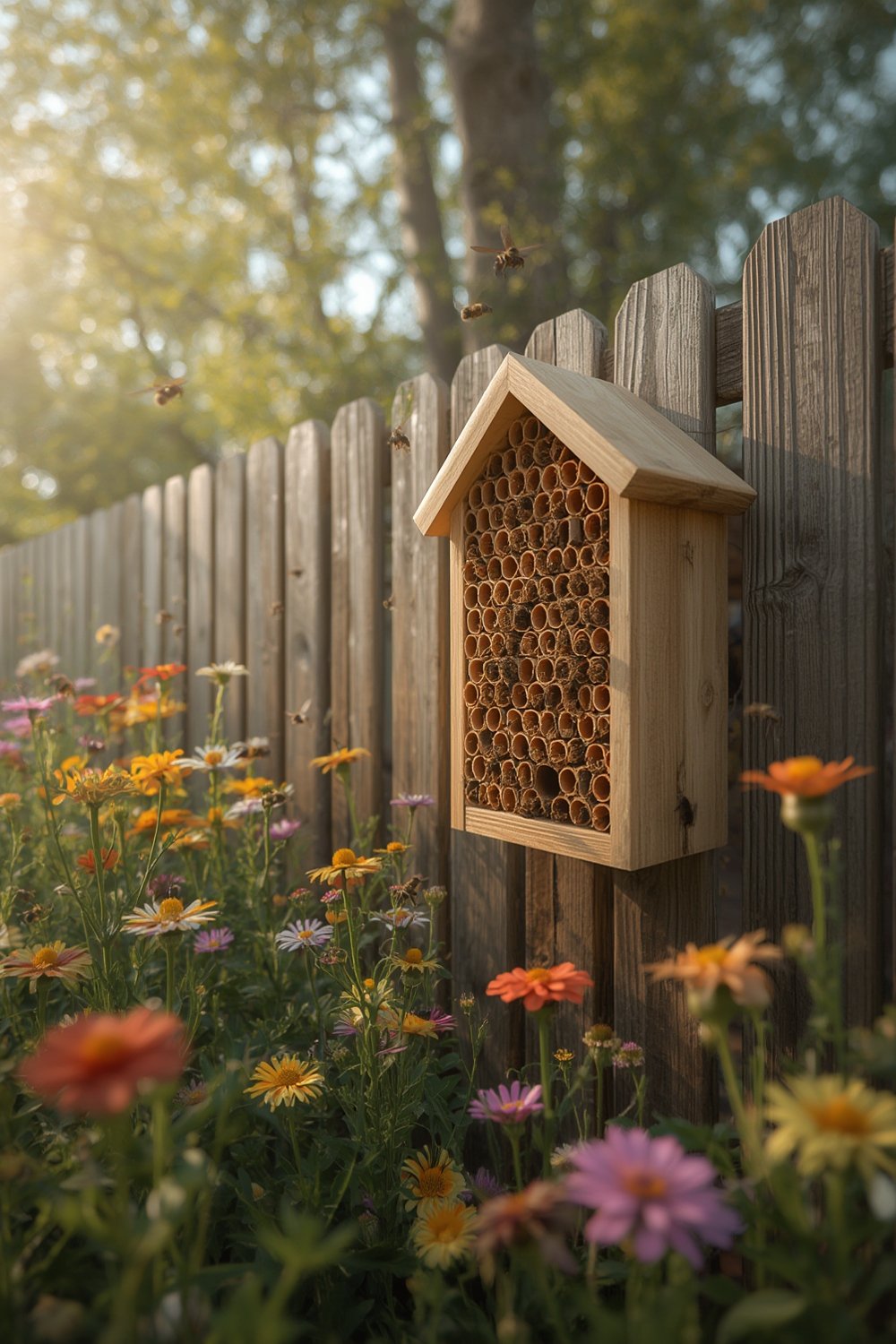
The buzz around pollinator shelters is driven by concern over pollinator declines and a desire for low-maintenance, effective ways to help. Recent studies show that, when designed and managed properly, these habitats can significantly boost populations of some native bees. For example, the 2024 Big Bee Hotel Experiment found 27% occupancy across hundreds of installations. However, effectiveness depends heavily on setup, habitat context, and ongoing maintenance.
While you may find inspiration for greener living in trends like biophilic design or energy-efficient upgrades, this is a practical, hands-on step toward real biodiversity support at home.
How to Build and Install a Bee Hotel (2024 Best Practices)
Not all nesting structures are created equal. Follow these steps for a design that works for native bees—not pests or invaders:
- Choose the right spot. Place your nesting shelter at least 5km from managed honeybee hives and pesticide-treated areas to reduce harmful competition and chemical exposure. Select a sunny wall or post, facing southeast, at least 3–5 feet above ground to avoid moisture and predator issues.
- Select natural, non-treated materials. Use sections of bamboo tubes, paper tubes, or hardwood blocks drilled with smooth holes. Avoid plastic or metal, which can overheat or trap moisture. Emulate proven designs: both bamboo and wooden reed nesting shelters saw full occupancy in a 2021–22 post-fire field test.
- Size matters. Solitary bees prefer holes 4–10mm in diameter and at least 15cm deep. Vary hole sizes to attract more species but keep interiors smooth to prevent wing injuries.
- Do not clean the structure between seasons. New 2024 research shows that undisturbed nesting shelters averaged higher bee occupancy. Let old nests remain for at least 2 years before considering removal.
- Be realistic about build-up time. A nesting structure rarely succeeds instantly. Expect low activity for 1–2 years while populations establish, as found in multiple scientific studies.
- Monitor monthly for signs of use. Look for capped holes—mud for mason bees (83% of nests in recent studies), leaf for leafcutter bees (7%), or a blend of both. Avoid disturbing or moving the entire structure except for safety or heavy predator presence.
- Replace tubes or the structure after 2–3 years. Cavities may build up mold, pests, or pathogens over time. Discard and rebuild to keep offering safe habitat.
💡 Pro Tip: Skip fancy, decorative insect houses and opt for simple designs using bamboo tubes or drilled hardwood. Trends show that “natural cavity” mimicry outperforms store-bought models both in occupancy and species diversity.
🔥 Hacks & Tricks: Use wild reeds or find hollow stems in your yard as free, authentic bee nest tunnels—the more variety you offer in tube size and type, the broader the range of solitary bees you’ll attract.
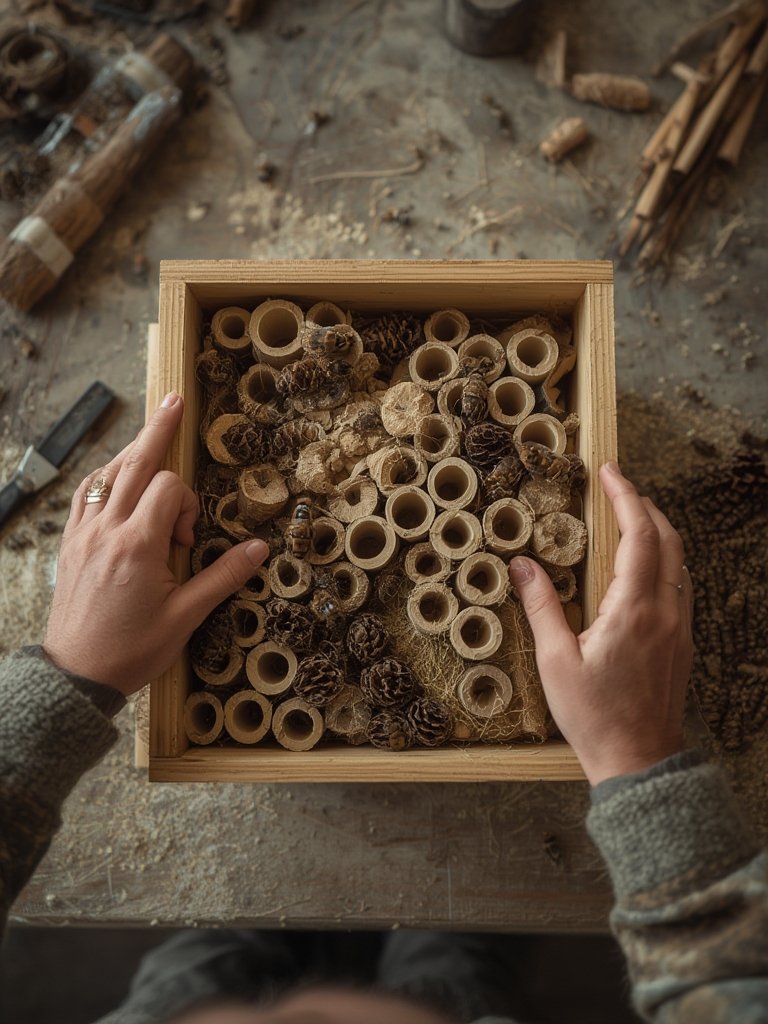
For garden context, pairing your pollinator shelter with a dense pollinator garden or meadowscaping can greatly improve nesting success. This pollinator habitat complements, but does not replace, native forage and flower-rich habitat.
If you’re making upgrades elsewhere on your property, a nesting shelter integrates easily with features like sunrooms or indoor-outdoor spaces for a seamless connection with nature.
Common Pitfalls & Advanced Bee Hotel Analysis
Despite good intentions, most pollinator habitat problems come from poor design, rushed installation, or unrealistic expectations. Here’s what the latest research says to watch for:
| Issue | Effect | How to Avoid |
|---|---|---|
| Nesting structures placed near honeybee hives or lawns with pesticides | Drastically fewer native bee occupants due to competition and chemical residues | Locate your structure away from managed bee yards (<5km) and never near routinely sprayed areas |
| Fancy “insect hotel” kits with mixed-sized holes, plastic parts | Attract wasps (dominant in 75% of long-term studies), help non-natives, or trap moisture leading to mold | Use only natural, dry, sun-protected tubes between 4–10mm diameter; avoid all plastics |
| Frequent cleaning or disturbance | Reduces bee occupancy and destroys ongoing nests | Let the structure remain undisturbed for at least 2 years; don’t remove nest debris unless disease or heavy pests occur |
| Assuming instant results | Discouragement when the structure is empty the first season; leads to abandonment | Expect and plan for a 1–2 year slow population buildup |
| Relying solely on a nesting shelter for pollination | Neglect of floral habitat—these structures only serve 30% of native bee species | Combine with native gardens, native lawns, or natural meadows for real impact |
| No ongoing inspection or replacement | Over years, pests (mites, parasitic wasps) and disease build up in blockages | Plan a clear replacement/refresh cycle every 2–3 seasons |
Additional findings: In Toronto’s long-term survey, non-native bees and wasps took over nearly a quarter of all nesting structure occupancy points—often outcompeting the natives. Similar trends have been noted anywhere non-target “generalist” wasps and bees abound (source).
If maximizing pollinator support is your goal, be aware: gardens rich in wildflowers and native ground cover consistently outperformed solitary bee shelters for pollinator diversity and crop pollination rates (see HelpABee’s research overview).
Conclusion
This type of pollinator habitat is a powerful conservation tool when you understand their strengths and limitations. They provide vital nesting opportunities for cavity-nesting bees but will not single-handedly solve pollinator decline. The best practice is to combine your bee hotel with diverse native plantings, avoid interference for at least 2 years, and use simple, natural materials in the sunniest, safest spot.
Ready to start? Build your own nesting habitat or update your existing one today, and help support pollinator biodiversity in your community. See our recommended guides on pollinator garden design or meadowscaping for complementary actions. Every small step counts for bees!
FAQ
How long before bees start using my pollinator shelter?
Most users report it takes one to two full seasons before regular bee activity appears. Be patient and avoid moving or cleaning the structure during this period.
What material and hole size works best for native bees?
Natural tubes (bamboo, reed, or drilled hardwood) between 4–10mm in diameter, at least 15cm deep, with smooth interiors, consistently see the best occupancy by solitary bees.
Can wasps or pests harm bees using my nesting structure?
Yes. Parasitic wasps and introduced species often occupy nesting structures, especially in urban areas. Minimize risk by using only tightly packed, appropriately sized tubes and not mixing tube materials or sizes excessively.
Is it better to build or buy a nesting shelter?
Building your own is usually more effective and avoids the pitfalls of poorly designed store-bought models. Follow designs that mimic natural nesting structures and avoid decorative “insect hotels” with mixed cavities.
How much does a quality nesting shelter cost in 2024?
Precise cost data is lacking, but simple DIY models made from bamboo or wood are inexpensive. Commercial models vary, but the most critical features are natural materials and proper hole design, not price.