

Robotic lawn mower technology is rapidly changing how homeowners and businesses approach grass cutting. Instead of pushing a noisy mower under the sun, these smart devices handle mowing independently, promising a neater lawn with far less effort.
Key Takeaways
- Robotic lawn mowers are seeing high global growth, especially for small, residential lawns and among tech-savvy homeowners.
- Most models offer advanced navigation, app integration, and reduced labor, but potential pitfalls include navigation issues and ongoing maintenance costs.
- Smart autonomous mowers may require higher upfront investment but offer possible long-term savings and environmental benefits compared to traditional mowing.
- What Is a Robotic Lawn Mower and Why Use One?
- How to Set Up and Use a Robotic Lawn Mower: Step-by-Step Guide
- Advanced Analysis & Common Pitfalls
- Conclusion
- FAQ
What Is a Robotic Lawn Mower and Why Use One?
A robotic lawn mower is an automatic grass-cutting device powered by rechargeable batteries and guided by sensors, boundary wires, or onboard GPS. These mowers travel over your yard on their own, finely mulching clippings for a healthy lawn with minimal human intervention.
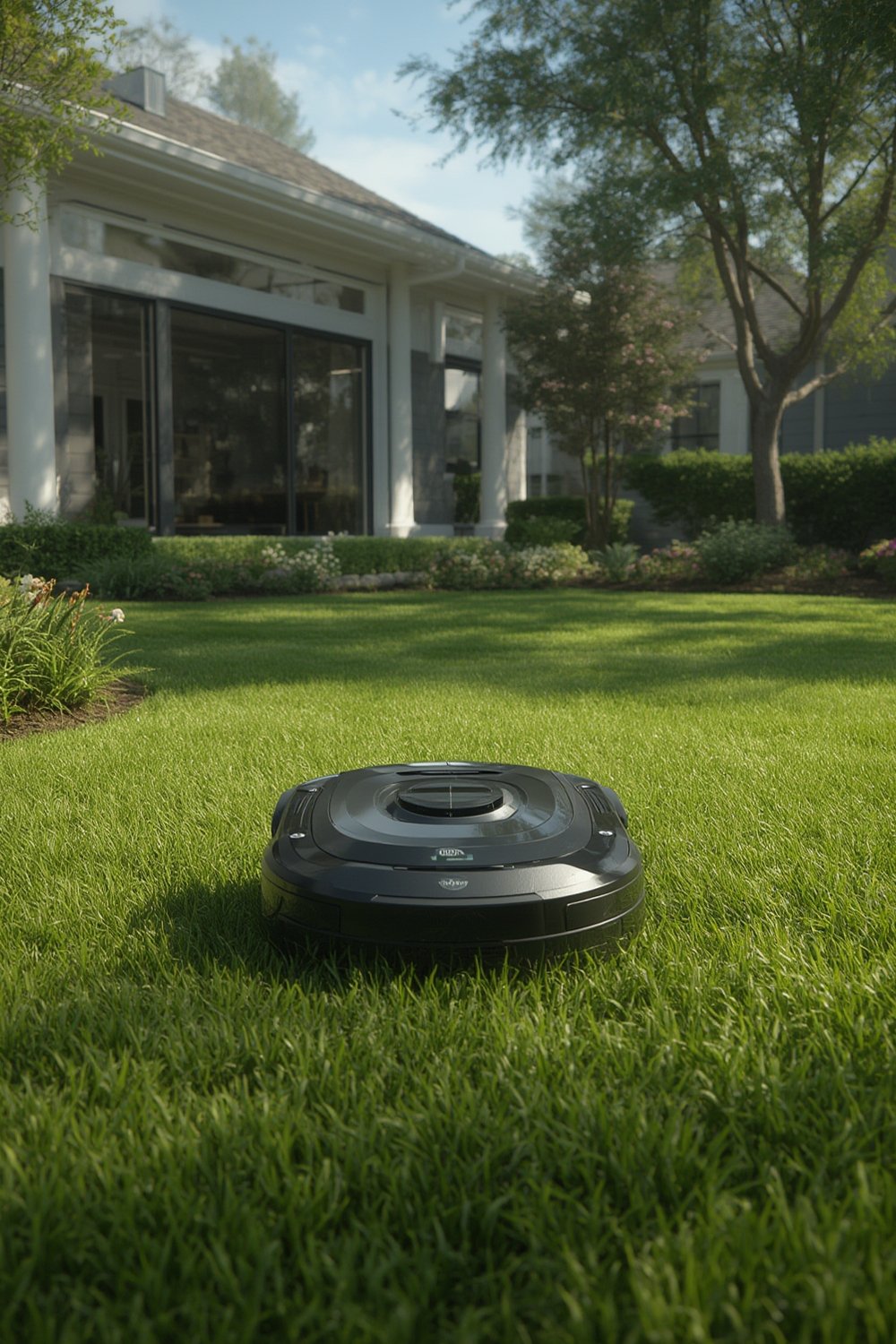
The global robotic lawn mower market is expected to reach anywhere from $6 to $21.97 billion by 2034, fueled by demand for sustainable and smart home solutions. In 2024, the residential market comprised nearly 65% of sales, especially popular for lawns under 0.4 acres. Europe leads in adoption, but the North American segment is quickly catching up with faster growth rates.
Many homeowners are drawn to robotic mowers for their time-saving appeal and ability to maintain a consistently healthy yard. Unlike zero turn mowers or electric zero turn mowers, autonomous robotic models require virtually zero manual effort once set up.
Modern robotic mowers stand out by offering:
- Smart scheduling and zone programming via app
- Obstacle detection using AI and sensors
- Automatic docking and self-charging
- Quiet, emission-free operation
For those interested in low-maintenance landscaping, pairing these mowers with a native plant lawn or clover lawn can further reduce upkeep and environmental impact.
How to Set Up and Use a Robotic Lawn Mower: Step-by-Step Guide
Getting started with a robotic lawn mower is straightforward, but success comes down to careful planning and ongoing maintenance. Here’s a detailed walkthrough to maximize results.
- Choose the right robotic lawn mower for your needs.
- Consider yard size, battery life, and smart features like app integration, weather sensors, and zone mapping.
- Compare models with advanced navigation for complex lawns with lots of obstacles.
- For eco-friendly mowing, explore options that pair well with meadowscaping or organic lawn care.
- Prepare your yard.
- Remove large branches, toys, and visible debris.
- Assess for major holes, exposed cables, or uneven ground that can impact mower navigation.
- Install the boundary wire and charging station.
- Lay boundary wire along the edge of your mowing area and around obstacles, as per manufacturer guidance.
- Anchor the wire securely, using included stakes or burying shallowly for better durability.
- Set up the charging dock in a dry, accessible location near an outdoor outlet.
- Configure settings and schedule mowing.
- Download the manufacturer’s app for remote control and scheduling (most 2024 models support Wi-Fi or Bluetooth).
- Set up mowing times to avoid heavy foot traffic or watering windows. For convenience, coordinate with your smart irrigation system.
- Adjust height-of-cut for seasonal growth or tailored landscape needs.
- Monitor performance and perform routine maintenance.
- Clear grass clippings from wheels and blades every week or two.
- Replace blades seasonally, and check for firmware updates in the app for bug fixes or performance boosts.
- Inspect the boundary wire occasionally, especially after storms or landscape projects.
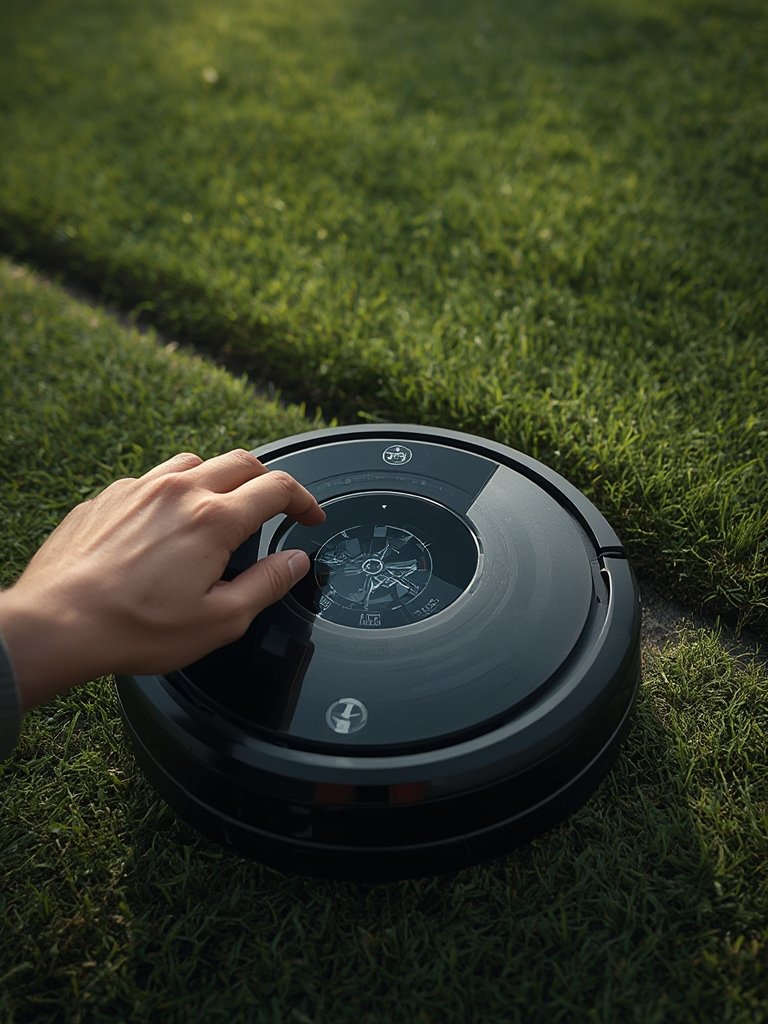
Following these steps can minimize downtime, increase coverage accuracy, and ensure your robotic lawn mower completes the job reliably all season long.
Advanced Analysis & Common Pitfalls
Real-world use of robotic lawn mowers is not always perfect. Because many high-ranking guides ignore user challenges and cost details, here’s a realistic look at the most common issues and questions homeowners face:
- Navigation challenges: GPS and wire-guided mowers may struggle with tight edges, dense gardens, or debris. Manual boundary adjustments are often needed to prevent missed spots.
- Upfront and ongoing costs: Most homeowners underestimate the added expense of installation and seasonal blade replacement compared to traditional zero turn mowers. Ongoing maintenance, station repairs, and part replacements are required annually.
- Pet and wildlife interference: Some models may pause or stop when they encounter small animals, but few offer true animal-recognition safety systems.
- Security risks: While leading robotic lawn mower brands often promise anti-theft PINs or alarms, determined thieves can still remove the unit if it’s left exposed overnight. There are no industry-standard locks.
- Weather limitations: Most units are weather-resistant but not waterproof—rain can cause navigation hiccups or station charging faults.
For those with steep, complex, or very large yards, advanced terrain handling and obstacle avoidance become premium features to prioritize.
Cost Comparison: Robotic Lawn Mower vs. Manual & Ride-On Mowing
| Feature | Robotic Lawn Mower (2024) | Manual Push Mower | Ride-On/Zero Turn Mower |
|---|---|---|---|
| Initial Purchase | $900–$2,400 | $120–$400 | $2,500–$7,000 |
| Installation Cost | $150–$400 (pro install) | None | None |
| Annual Blade/Parts | $25–$70 | $10–$40 | $60–$120 |
| Annual Energy/Fuel | $20–$50 (electricity) | Negligible | $110–$350 (fuel) |
| Ongoing Labor | Minimal (monitoring, setup) | High (weekly mowing) | Medium (operator needed) |
While the initial price of a robotic lawn mower is higher than a push mower, costs are usually lower than most ride-ons and dramatically reduce labor long-term. For eco-focused homeowners, combine with organic lawn care, a Pennsylvania sedge lawn, or drought tolerant landscaping to further minimize expenses and environmental impact.
Technical Specs and Features to Consider in 2024
- Smart Navigation: AI, GPS, and advanced sensors help mowers avoid obstacles and cut efficiently (see Cognitive Market Research).
- App Control: Many robotic mowers now integrate with home Wi-Fi or Bluetooth for scheduling, remote zoning, and status alerts.
- Energy Efficiency: Low power draw during operation; most use rechargeable lithium batteries.
- Cutting Width/Battery Life: While most models manage lawns up to 0.4 acres, there are options for larger areas and steeper slopes—be sure to select accordingly.
Environmental and Quality Impact
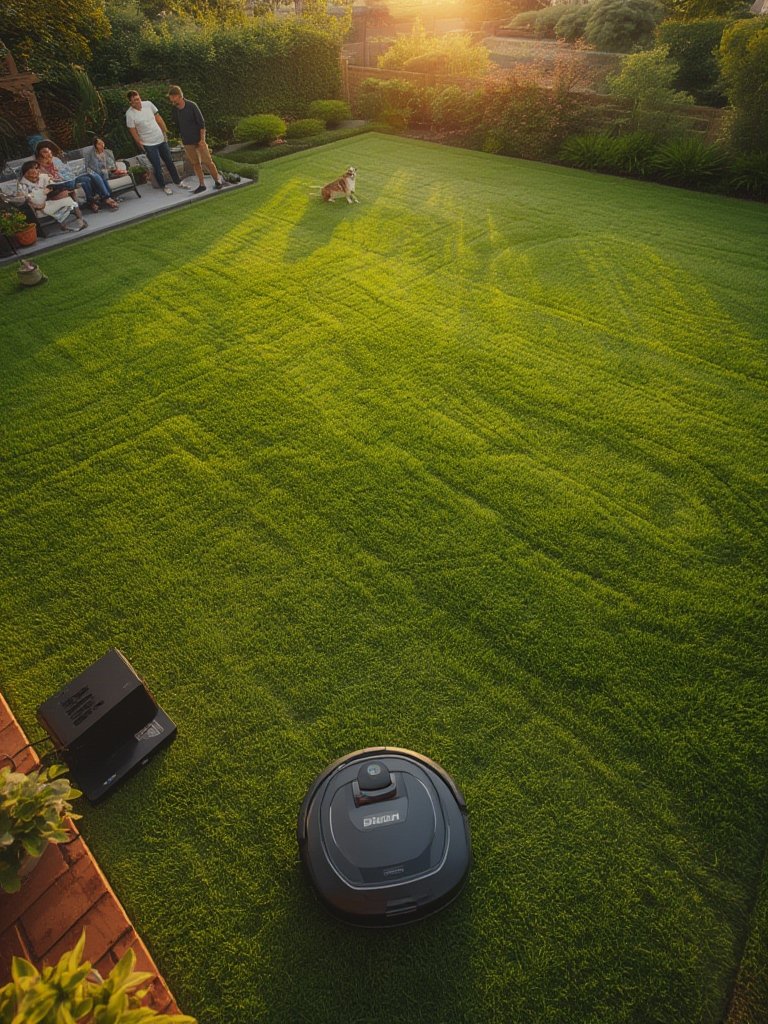
Robotic lawn mowers operate quietly, almost emission-free, and keep lawns consistently clipped. This “little and often” mowing style improves grass health and density over time, with minimal nutrient or water loss compared to traditional high-shear, infrequent mowing.
Combining robotic mowing with native grass replacement or meadowscaping is an option if you want a truly low-maintenance, eco-driven landscape.
Conclusion
Robotic lawn mowers offer a blend of convenience, eco-friendliness, and modern technology that’s hard to ignore for today’s homeowner. While upfront costs and occasional navigation tweaks are real concerns, ongoing savings and the promise of hands-off, reliable mowing make them an appealing upgrade. If you’re ready to modernize your grass care routine, compare models thoughtfully and see if a robotic lawn mower brings the convenience—and yard quality—you want. Don’t wait for another season of weekend mowing; explore smart solutions now.
FAQ
Are robotic lawn mowers safe around pets and children?
Most 2024 robotic mowers include basic collision and lift sensors to halt blades upon contact. However, always supervise their operation when pets or kids are present, since no mower can distinguish animals or fingers from obstacles with 100% accuracy.
How much does a robotic lawn mower cost in 2024?
Prices range from $900 to $2,400 for leading residential models, with installation ranging $150–$400. The true cost will depend on your yard’s size, complexity, and whether you choose professional installation.
Can a robotic mower handle bumpy lawns, slopes, or complex gardens?
Most entry models are best for flat, uncomplicated grass areas. If your lawn includes steep banks or rough terrain, choose a mower rated for slopes and with advanced navigation. Read reviews for real-world performance in conditions similar to yours.
What are the main downsides of using a robotic lawn mower?
The biggest complaints are occasional navigation errors, ongoing blade and wire replacements, and limited performance in messy or difficult lawns. Theft remains a minor risk, as most anti-theft features only discourage casual losses. Manual intervention is sometimes needed after storms, heavy debris, or equipment malfunctions.
Can robotic lawn mowers operate in rain or at night?
Many models are weather-resistant and can operate in light rain, but for best results, avoid mowing soaked grass. Night operation is technically possible, but extra caution is needed for nocturnal wildlife and neighborhood noise considerations.