

Casement window replacement is one of the most effective ways to upgrade the comfort, energy efficiency, and style of your home in 2024. With demand for window replacements climbing in today’s residential market, understanding the process and potential pitfalls will save you time, money, and headaches.
Key Takeaways
- Casement window replacement demand is surging in 2024, driven by energy efficiency and sustainable housing trends.
- Choosing modern casement or vinyl windows requires careful attention to product certification and installation quality.
- Upgrading windows provides efficiency and comfort, but beware of common installation and warranty pitfalls.
- Understanding Casement Window Replacement in 2024
- Step-by-Step Guide to Casement Window Replacement
- Advanced Analysis and Common Pitfalls
- Conclusion
- Frequently Asked Questions
Understanding Casement Window Replacement in 2024
Over the past decade, casement window replacement has emerged as an increasingly popular home improvement among both homeowners and property managers. The global casement window market in 2024 is valued at more than $14 billion and growing steadily at a CAGR of 4.78%. This trend is largely due to tightened building standards, the push for sustainability, and the superior airtight seals of modern casement designs. These windows swing outward on hinges, making them easy to open for ventilation and straightforward to clean.
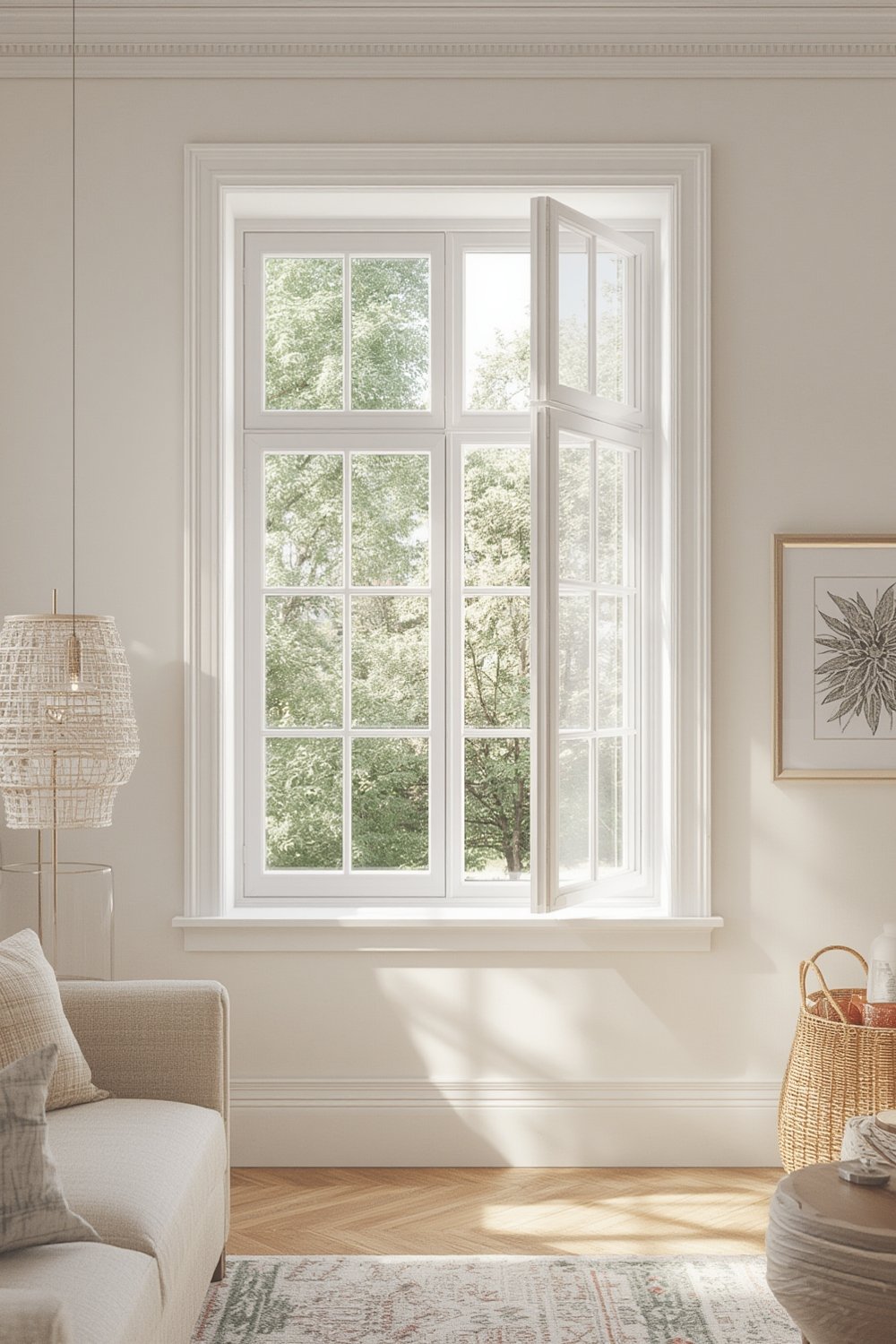
Casement windows are prized for high energy efficiency thanks to their compression seals, which outperform sliding or double-hung windows in preventing drafts. Current demand is fueled by rising energy costs and a strong focus on sustainable building materials, which have seen use increase by more than 12% each year since 2020 (Verified Market Research). These windows are especially favorable in regions with harsh climates, as they reduce heating and cooling losses year-round.
North America leads the market, with the US segment growing at a projected CAGR of 4.4% until 2030, largely due to energy efficiency upgrades (TechSci Research). Significant growth is also seen across the Asia-Pacific region and developing markets, where urbanization and housing booms drive increased window upgrades and replacements.
If you want to see related ideas for your renovation, check out our sliding vs casement windows comparison and tips for choosing the best energy efficient windows.
Step-by-Step Guide to Casement Window Replacement
Replacing old windows with modern casement windows is a sizable investment. Here is a realistic, simplified step-by-step approach for homeowners:
- Assess Your Current Windows. Examine the existing frames for signs of damage, rot, or warping. Note energy bill trends and drafty areas.
- Research Window Materials and Styles. Decide between vinyl, fiberglass, wood, or composite. Vinyl casement windows remain popular for their affordability and low maintenance. For more details, see our guide on vinyl vs wood windows.
- Get Accurate Measurements. Use a tape measure to record each window’s width and height. Measure at three points for precision.
- Select Certified Products. Look for windows carrying ENERGY STAR, low U-factor, and low SHGC ratings for best thermal performance. If you’re unsure, review our window glass types explained article.
- Compare Installation Quotes. Request at least 3 detailed quotes from local installers. Ask about lead times, warranty terms, and references.
- Finalize Plans and Order Windows. Confirm sizing and styles, place your order, and schedule installation. Review warranty details and any available financing offers.
- Oversee the Installation. Be present when installers arrive. Ensure they follow manufacturer instructions, check that frames are plumb, and verify seals are properly installed.
- Finalize Cleanup and Inspection. Inspect work for defects or missed caulking. Test window operation and locks.
- Register Your Warranty. Submit product and installation warranty forms immediately to avoid lapses in coverage.
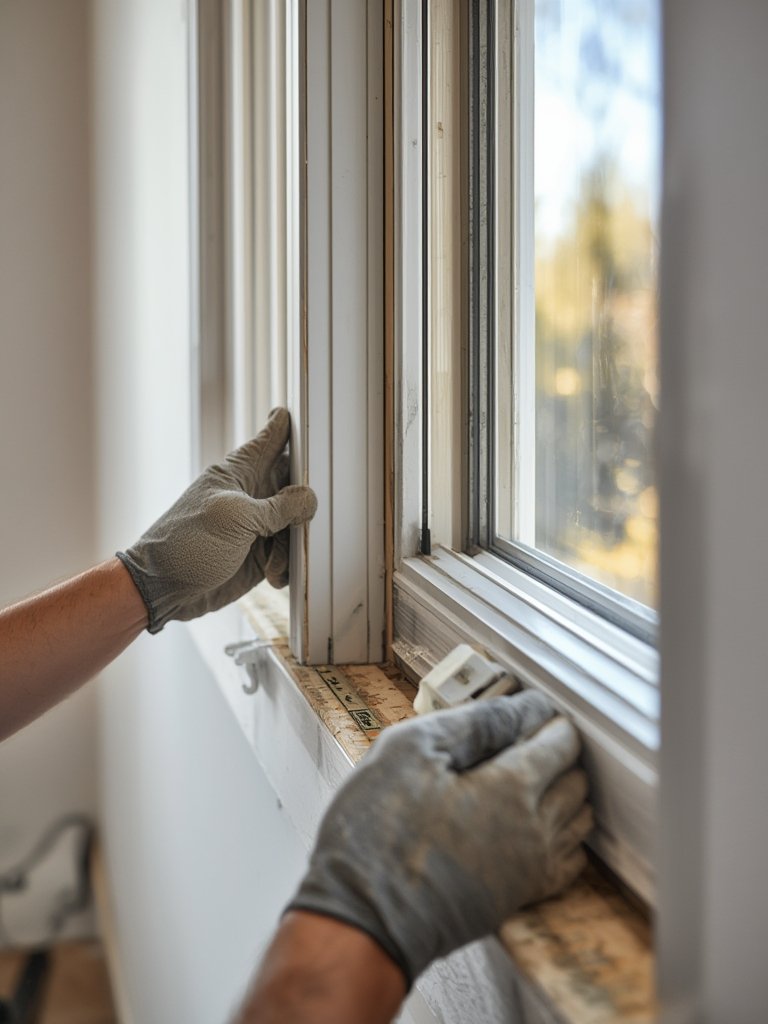
For tricky installations where access or old brickwork is involved, consider hiring installers experienced in historic window replacement.
If you need more details on preparing your home, visit our checklist for window installation preparation.
Advanced Analysis and Common Pitfalls
While casement window replacement offers great benefits, homeowners often face several challenges. Choosing the wrong materials or installer can lead to energy leaks, water issues, and voided warranties. Here’s a breakdown of the most common issues:
| Common Pitfall | Impact | How to Avoid |
|---|---|---|
| Improper Sizing or Measuring | Drafts, leaks, costly returns | Carefully measure at multiple points, always double-check before ordering. |
| Poor Installation Quality | Reduced energy efficiency, window failures | Hire certified, experienced installers and review references. |
| Lack of Product Certification | Missed energy rebates, higher utility bills | Only buy ENERGY STAR or equivalent rated windows. |
| Ignoring Local Codes | Failed inspections, extra costs | Review regional building codes and secure necessary permits. |
| Overlooking Warranty Registration | No recourse if product fails | Submit all warranty forms right after installation. |
It’s also important to acknowledge that, while modern casement windows significantly limit air infiltration, some homeowners have complained (mainly anecdotally) about lock mechanisms or crank handles wearing out with frequent use. Without maintenance, minor alignment issues can become operational problems. Plan occasional lubrication and cleaning for hassle-free operation.
Energy savings can be substantial, but the actual percentage reduction will depend upon your previous window type and climate. Double-glazed casement windows with advanced low-e coatings can markedly reduce heating and cooling bills compared to single-pane predecessors (Research and Markets), especially in extreme climates.
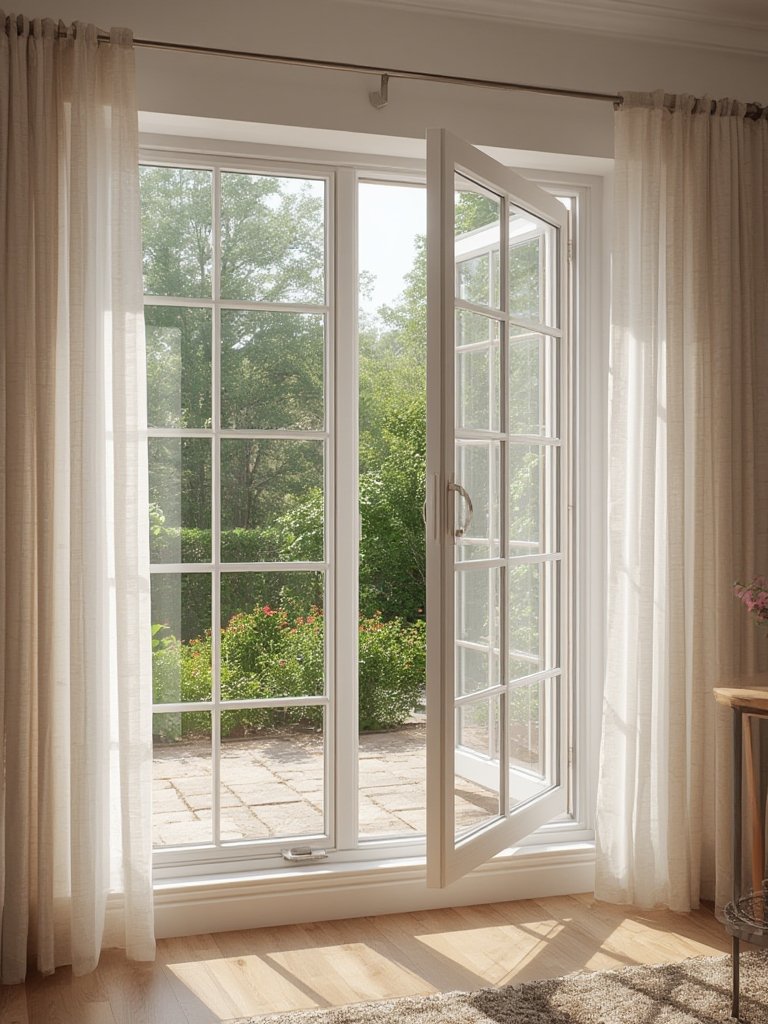
Finally, compare warranty duration and coverage terms closely across providers. Some low-cost installers offer limited guarantees, leaving homeowners liable for hidden defects a few years down the line. For a contrast of warranty types, see our window warranty guide.
Conclusion
Upgrading your home with casement window replacement delivers measurable increases in comfort and energy efficiency, especially when you choose certified products and hire expert installers. While the process can be daunting, following best practices and being aware of common pitfalls will ensure a positive, long-term outcome for your home. Thinking about starting your own project? Contact us for a personalized casement window replacement quote today and explore more of our window replacement resources for additional tips.
Frequently Asked Questions
How long does casement window replacement take?
On average, replacing a single casement window typically takes 2 to 4 hours, depending on the complexity and accessibility. A full-house replacement project can be completed within 2 to 4 days by a skilled crew.
Are vinyl casement windows better than wood or aluminum?
Vinyl casement windows are more affordable and require less maintenance compared to wood. They also resist moisture better than aluminum. However, some homeowners prefer the look and insulation of wood, while aluminum is valued for strength in larger window openings.
What certifications should I check for when buying casement windows?
Look for ENERGY STAR labels, as well as product information on U-factor (lower values are better) and Solar Heat Gain Coefficient (SHGC). These ensure the window meets modern energy performance standards.
How much can I save on energy bills by upgrading to modern casement windows?
Actual savings vary based on climate and your old windows. While some homeowners reduce energy bills by 10-25%, results depend on window quality and your home’s insulation.
What are the signs my old casement windows need to be replaced?
Look for stubborn operation, drafts, condensation inside glazing, visible damage or rot, and rising energy bills as signs it’s time for casement window replacement.