

Battery backup garage door opener systems have become essential in California, especially as power outages rise during extreme weather events. If you own a garage and depend on an automatic opener, learning how battery backup can keep you from getting locked out is critical for your safety and peace of mind.
Key Takeaways
- California faces frequent, long-lasting power outages—garage access without a battery backup opener is at risk during these events.
- Battery backup garage door openers give you reliable emergency access, with little to no user-reported issues during recent outages.
- Understanding installation, maintenance, and realistic pitfalls will help you make the best choice for securing your garage access.
- What is a Battery Backup Garage Door Opener and Why is it Essential?
- How to Choose and Install a Battery Backup Garage Door Opener
- Advanced Analysis: Pitfalls, Problems, and What Most Guides Miss
- Conclusion
- Frequently Asked Questions
What is a Battery Backup Garage Door Opener and Why is it Essential?
A battery backup garage door opener is a modern version of a standard garage opener that includes a built-in battery. When grid power fails—whether from storms, wildfires, or routine blackouts—the backup battery automatically runs your opener for a limited time. This prevents you from being trapped outside (or inside) your garage when the power goes out.
In California, the need has never been greater. In February 2024 alone, a single storm led to 1.4 million PG&E customers without power, with 875,000 people statewide affected (Los Angeles Times). That winter saw over 61% of major outages statewide caused by severe weather (Axios San Francisco), and the independent CPUC reliability report highlights the ongoing residential challenges. Without a battery backup garage door opener, any outage can mean losing access to your home and vehicle for hours—or days.
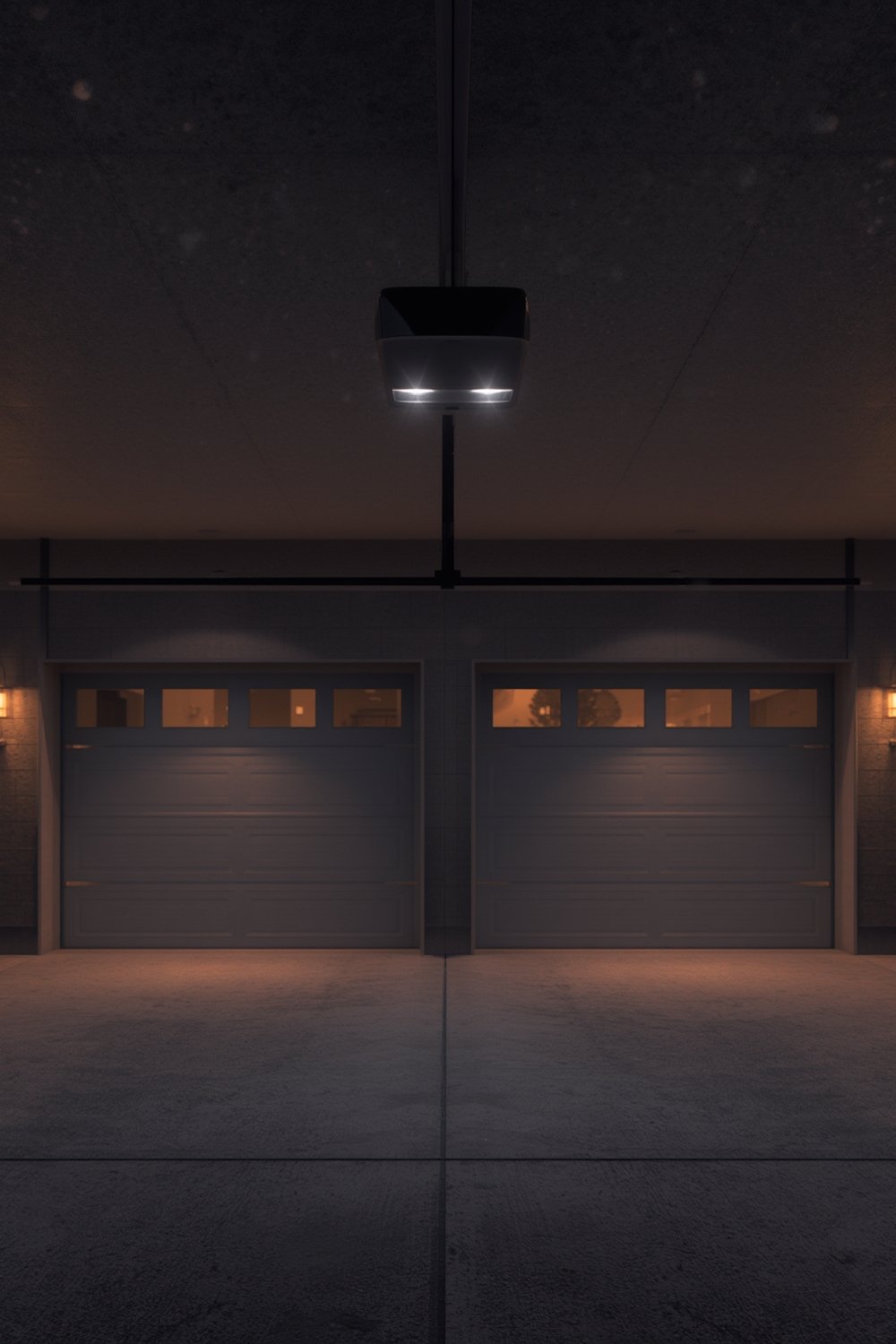
Few top guides cover these risks at the homeowner level, but anyone who has been caught on the wrong side of a powerless garage knows just how frustrating—and dangerous—it can be. Explore home backup power solutions for a broader safety net. Internal links like Garage door security upgrades and How to avoid garage lockouts can further help you protect access to your home.
How to Choose and Install a Battery Backup Garage Door Opener
Ready to guarantee access during an outage? Here’s a clear, step-by-step approach to selecting, installing, and maintaining a battery backup garage door opener:
- Identify Your Opener Model: Write down the opener’s brand, model, and year. Most brands (Chamberlain, LiftMaster, Craftsman) design battery backup units for recent models from 2010–present, but older units may not be compatible. Look at the manual or check online forums linked to Garage door opener FAQs for help.
- Check for Built-in Battery Backup: Many modern openers have battery backup by default. If yours doesn’t, look for a manufacturer-approved add-on kit.
- Purchase the Correct Battery Backup Unit: Buy only from reputable hardware suppliers or direct from the manufacturer. Costs can range from $60–$140 for battery modules, while complete openers with backup are often $250–$600+ (before installation).
- Professional vs. DIY Installation: If you’re not comfortable with wiring and mounting, hire a professional. Labor averages $120–$350 depending on location and garage design.
- Test Immediately: Once installed, cut the main power to the opener and confirm it operates on battery alone. Expect to see a battery indicator LED (usually yellow or red). Run the opener fully open and closed a few times.
- Schedule Battery Maintenance: Every six months, test the battery; most last 1–2 years before needing replacement.
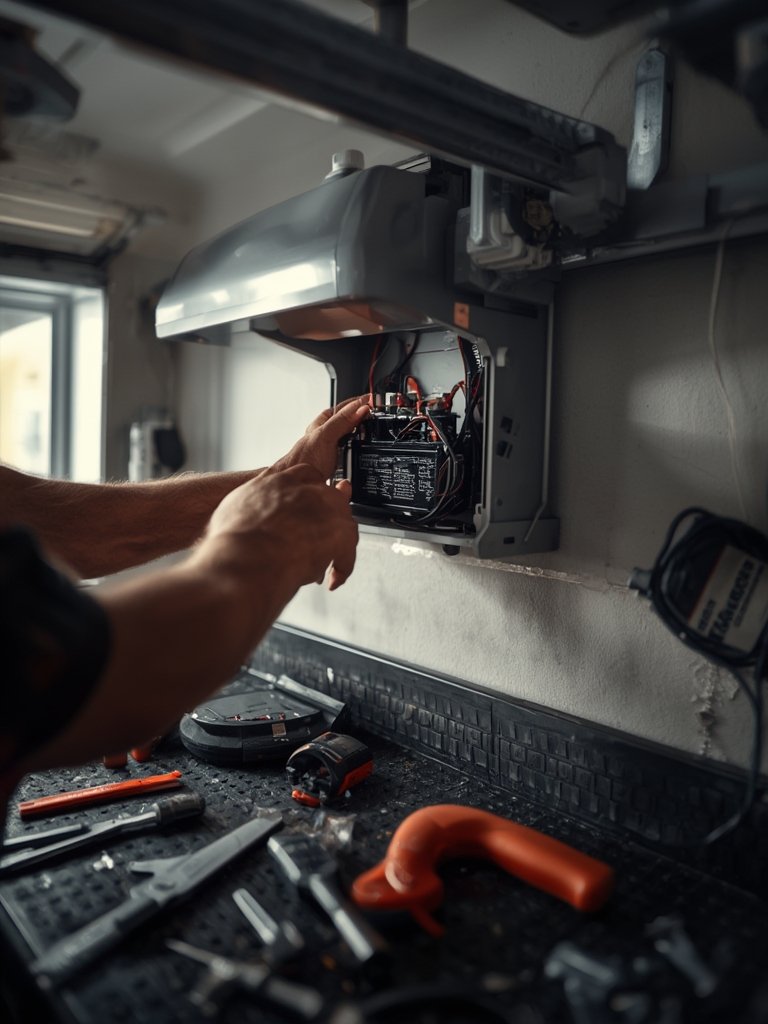
For a deeper dive, our Battery replacement guide walks you through extending the life of your opener backup, and Basic garage door maintenance keeps your system running smoothly year-round.
Advanced Analysis: Pitfalls, Problems, and What Most Guides Miss
Most guides ignore the practical challenges of ownership. Here’s what users and experts are really dealing with in 2024:
- Battery Lifespan and False Alarms: Backup batteries degrade quickly under frequent power loss. If your area is heavily affected by outages, you might replace the backup battery every 1–2 years.
- Runtime Limits: Most batteries offer only 20–24 open/close cycles on a single charge. Multiple cars and repeated use will drain it fast during extended blackouts. Plan conservatively if you have a busy household.
- Manual Release Issues: Even with a battery, know how to use the manual release cord. If the battery is dead—or you forget to maintain it—you can still open the door by hand, but this can be tough for older adults or those with heavy insulated doors.
- No Standardized Statewide Law or Penalty: Despite rumors, there is no 2024 California law mandating battery backups or setting penalties (CPUC). Always check your city/county regulations before assuming compliance.
- User Experience: No widespread complaints have surfaced, but if batteries aren’t checked regularly or cables are installed improperly, failures still happen.
| Issue | Reality | How to Fix |
|---|---|---|
| Short Battery Runtime | 20–24 cycles per charge, less in cold weather | Limit use, keep doors closed, recharge or swap extra battery |
| Lost Compatibility | Older openers may not support add-on battery | Upgrade opener, research before purchase |
| Installation Mishap | Improper installation leads to failure | Use a licensed professional |
| Battery Neglect | No maintenance = dead battery | Test every 6 months, replace as needed |
| Manual Override Hard to Use | Physically difficult for some users | Practice with manual release cord ahead of outages |
Explore advanced strategies in our guide on Smart garage integrations for layered backup and see How to weatherproof your garage door for added reliability when storms strike.

Conclusion
Intense California weather will keep causing grid failures—but practical steps can prevent you from losing access to your home. Getting the right battery backup garage door opener, paired with routine checks and knowing your manual override, keeps your household moving regardless of outages. Don’t wait for the next big blackout. Research, choose, and install a backup system now—and you’ll be grateful for it the next time the lights go out.
Take action today to secure your garage with a reliable battery backup garage door opener. Compare models, read owner manuals, and schedule installation to guarantee access—rain or shine.
Frequently Asked Questions
How long does a battery backup garage door opener run during a power outage?
Most battery backup units provide 20–24 full open/close cycles during a blackout, depending on the opener model and battery age. Heavy doors or cold weather may reduce this number.
Is my old garage door opener compatible with a battery backup?
Usually, only openers manufactured from 2010 onward support battery backup add-ons. Check your owner’s manual or contact the manufacturer to confirm before buying.
How often do I need to replace the backup battery?
Expect to replace the backup battery every 1–2 years under normal use, or sooner if you experience many outages. Many openers have an indicator light to signal when replacement is needed.
Will installing a battery backup affect my opener’s warranty?
If you use a manufacturer-approved battery backup, your warranty should stay intact. Unauthorized third-party units may void the warranty—always verify before purchasing.
Are battery backup garage door openers required by law in California?
As of 2024, there is no statewide California law requiring garage door opener battery backups, and no set penalties for not having one. Some municipalities may have local requirements—check your local ordinances for updates.