

Color drenching interior design is redefining how modern homes feel and function. Instead of relying on single accent walls or timid neutral backdrops, color drenching immerses a space in one bold hue—walls, ceiling, trim, and even furniture—creating a cohesive, dramatic, and emotionally resonant environment that stands out from the usual crowd-pleasers. Here’s how to make this striking trend work in real-life rooms, step by step.
Key Takeaways
- Color drenching interior design transforms rooms into immersive, unified spaces where a single color delivers maximum visual impact and emotional resonance.
- Mixing finishes (like gloss and matte) and treating architectural details and furnishings brings depth and avoids monotony, while color choice directly affects mood and perception.
- Challenges include application complexity, maintaining interest, choosing the right finish, and styling furniture, but these can be tackled with forethought and creativity.
- Understanding Color Drenching Interior Design: What & Why
- How to Do Color Drenching: Step-by-Step Guide
- Advanced Analysis & Common Pitfalls in Color Drenching
- Conclusion
- FAQ
Understanding Color Drenching Interior Design: What & Why
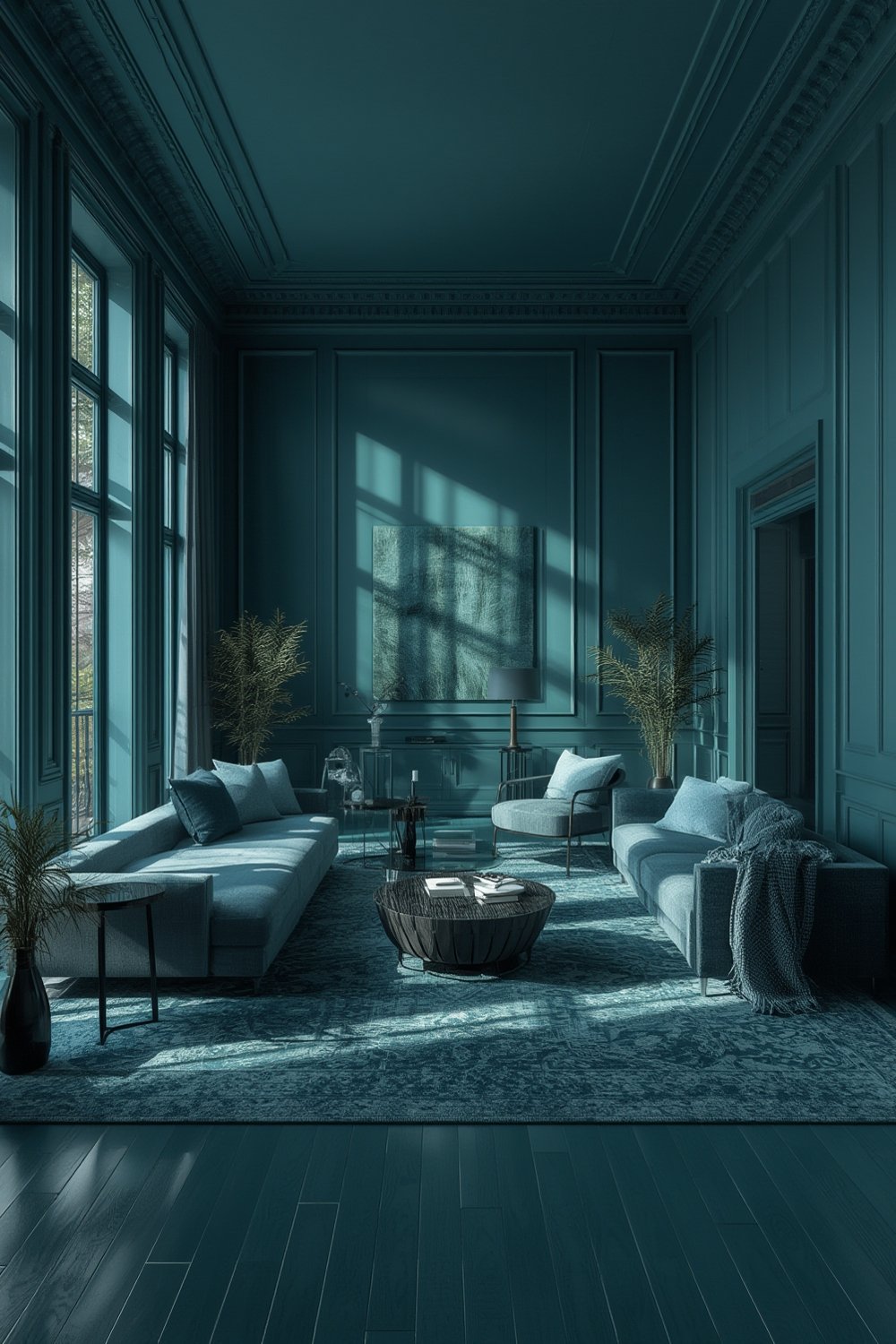
Color drenching interior design means selecting one color and applying it generously to the entire room, including walls, ceiling, baseboards, doors, trim, and, often, furnishings. The result? An immersive, enveloping feel that encourages bold visual storytelling and changes the entire character of a room. This approach has emerged as a top design trend for 2024 after gaining traction since 2022, with professionals and homeowners embracing the look for its ability to transform ordinary rooms into high-impact, emotionally engaging spaces. Unlike the dated “accent wall” technique, color drenching makes the entire space intentional and elevated. According to interior design forecasters and Google Trends data, interest continues to rise into 2026, with designers and mainstream homeowners alike seeing the power of this move (source, source).
How to Do Color Drenching: Step-by-Step Guide
- Choose Your Color Strategically
Select a color that matches the mood and function of the room. Deep navy feels calming and sophisticated (ideal for bedrooms or living rooms), while rich greens energize offices or creative spaces (source). Test large swatches on different walls to see how light affects the color throughout the day. - Pick Finishes Intelligently
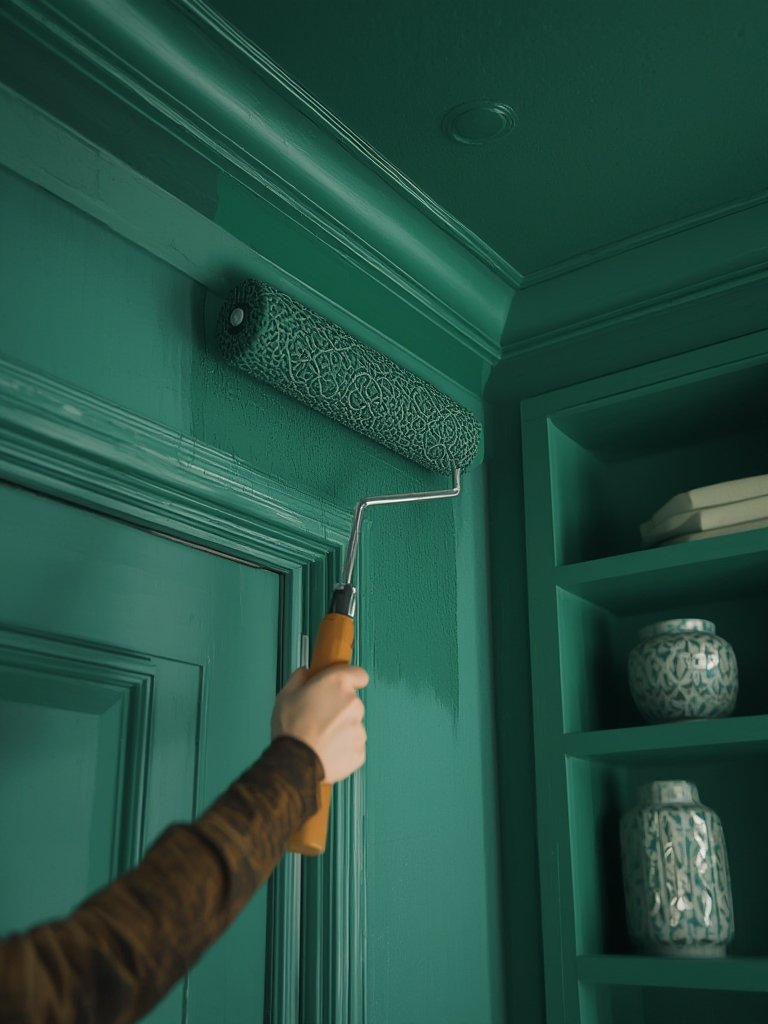
Effective color drenching balances gloss, matte, and eggshell finishes across different surfaces—even though the hue remains the same. Use a flatter finish on ceilings, eggshell or low-sheen for walls, and semi-gloss for trim or doors to enhance architectural character and break visual monotony (source). - Prep the Room Thoroughly
Remove or carefully mask all hardware, fixtures, and switch plates. Patch any imperfections. Sand surfaces, especially trim and furniture, for best adhesion. Proper prep ensures crisp results, especially as imperfections are more visible when a single color is used on everything. - Paint Ceilings First
Work from the top down. Paint the ceiling first using a roller with an extension pole, then proceed to the walls, followed by woodwork, doors, and trim. - Treat Fixtures and Furniture
Extend the color drenching effect to bookshelves, radiator covers, wooden window casings, and even select furnishings for maximum cohesion. For best results on furniture, use durable, hardwearing paints formulated for the substrate (wood, MDF, or metal). - Layer Soft Furnishings
Consider slipcovering or reupholstering key pieces to match the main color, or simply add throws and cushions in the same shade for a softer approach. - Style and Accessorize Wisely
Break up the monochrome look with metallic accents, natural woods, or contrasting textures so the space feels intentional, not clinical.
Looking for ways to boost energy savings and comfort in your newly drenched space? Consider pairing your room transformation with an intentional, minimalist approach or upgrade your home climate control with a smart thermostat installation for year-round efficiency.
Advanced Analysis & Common Pitfalls in Color Drenching
Color drenching interior design is gaining mainstream acceptance, but applying it well requires attention to common pitfalls and realistic limitations:
- Overwhelming Monotony: Too much flatness can make a room oppressive. Vary sheen (matte versus gloss) and add natural textures or contrasting décor for relief (source).
- Paint Application Complexity: Covering woodwork, fixtures, and furniture is time-intensive and demands excellent prep. Missed spots or uneven coats show up more starkly than in regular room painting.
- Color Perception Shifts: Lighting transforms how color looks—one shade can seem dramatically different under LED and daylight. Test everywhere first.
- Furniture & Accessory Styling: Without careful selection, painted-furniture can look heavy or forced. Lighten the look with contrasting art, greenery, or reflective elements.
- Cost & Labor: Color drenching can require more paint (and more expensive specialty finishes) than typical paint jobs, especially if you cover built-in cabinetry, radiators, or large furniture pieces.
| Aspect | Traditional Room Painting | Color Drenching Interior Design |
|---|---|---|
| Visual Impact | Accent walls, mostly neutral or varied hues | Fully immersive, dramatic and unified |
| Complexity | Easy for DIY, less prep | Requires meticulous masking, more labor |
| Cost | Standard | Potentially higher (extra paint, prep, specialty finishes) |
| Psychological Effect | Potentially fragmented, safe, or “default” | Emotive, cocooning, visually calming if done well |
| Fade Resistance | Depends on paint used | All surfaces must match in resilience for longevity |
Many top-ranking articles overlook the full impact of the immersive color choice process, how mixing finishes (matte, silk, gloss) prevents flatness, and the art of cohesive furniture styling. Don’t skip these steps, or your project could fall flat.
Conclusion
Done correctly, color drenching interior design elevates any space from forgettable to unforgettable, enveloping you in color and mood every time you enter. Remember, mixing paint finishes and thoughtfully styling furniture and accessories avoids visual fatigue and achieves the wow factor. If you’re ready to join the wave of homeowners and designers transforming rooms for 2024 and beyond, start with a bold hue, plan your application, and embrace the full, immersive effect. For more creative upgrades, check out our biophilic design living room guide or maximize your home’s function with multi-functional home office ideas. Ready to dive in? Tackle your own color drenching interior design project or consult a professional to bring your vision to life.
FAQ
What is the best room for trying color drenching interior design?
Small rooms, such as powder rooms or bedrooms, are ideal for experimenting. The technique can make them feel larger and more unified. Larger rooms can also benefit, but consider the lighting and mood you want to create.
Can I color drench a rental property or apartment?
Yes—use removable wallpaper, stick-on panels, or painted furniture and décor that you take with you. Always check with your landlord and review your lease before painting walls or trim.
How do I stop a color drenched room from feeling flat or boring?
Mix paint finishes (such as eggshell and gloss), layer in natural materials, add artwork, metallics, or greenery. This adds depth and prevents monotony.
Are there innovative paint products specifically for color drenching in 2024?
No specific new products have been reported yet. Focus on using durable, high-quality paints matching your surface type and desired finish.
How does color choice affect mood in color drenched rooms?
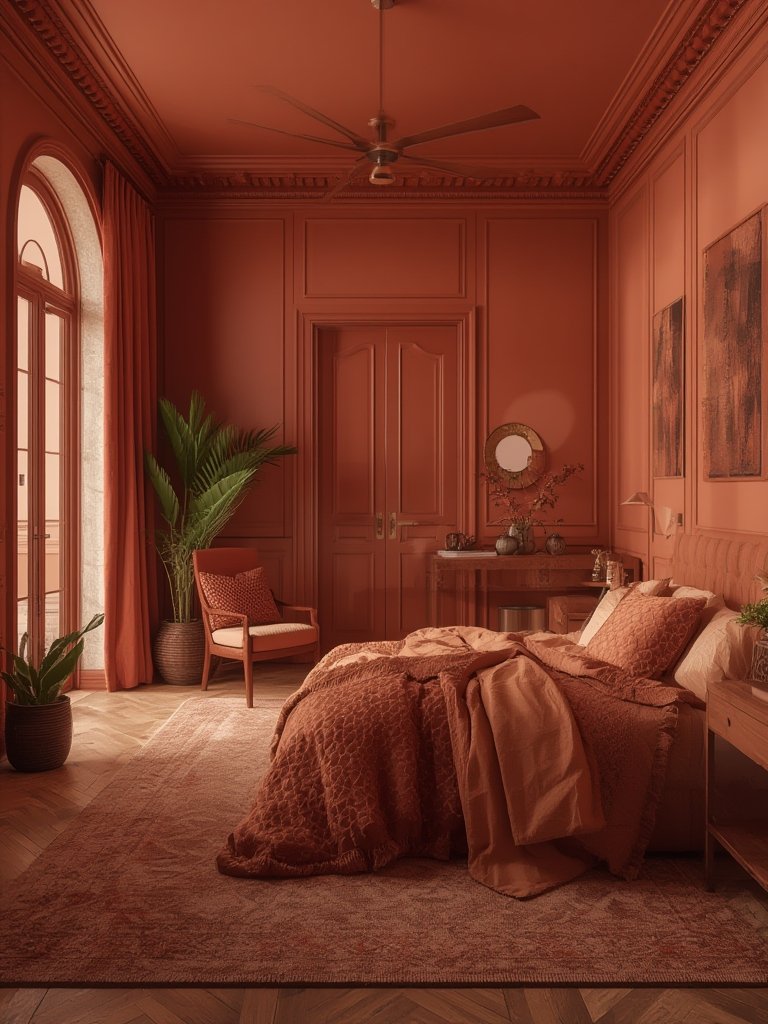
The hue used dramatically shapes the room’s emotional tone. Deep blues and greens tend to soothe, warm earth tones can cozy up a space, and bold reds or yellows create energy and vibrancy.