

Vertical garden living wall systems are fast becoming a must-have for modern homes and businesses seeking natural beauty, better air quality, and efficient space use. If you’re interested in transforming dull interiors or bland outdoor walls into lush, living displays, this guide uncovers everything you need—actionable steps, hidden pitfalls, and the latest industry data for 2024.
Key Takeaways
- Vertical garden living walls are booming globally, with Asia Pacific leading adoption and the commercial sector dominating, but residential use is growing fastest.
- Common pitfalls include hydroponic nutrient issues, moss wall humidity needs, and structural risks often overlooked in mainstream guides.
- Plan for lighting, irrigation, and regular maintenance—ignoring these can lead to plant loss, system failures, or wasted investment.
- What is a Vertical Garden Living Wall and Why Install One?
- Step-by-Step Guide: How to Create Your Own Living Wall
- Advanced Analysis & Common Pitfalls to Avoid
- Conclusion
- FAQ
What is a Vertical Garden Living Wall and Why Install One?
A vertical garden living wall is a system that enables you to grow plants on vertically suspended panels, either indoors or outdoors. Unlike traditional gardens, which require significant ground space, these living walls maximize vertical real estate—turning empty walls into thriving plant ecosystems.
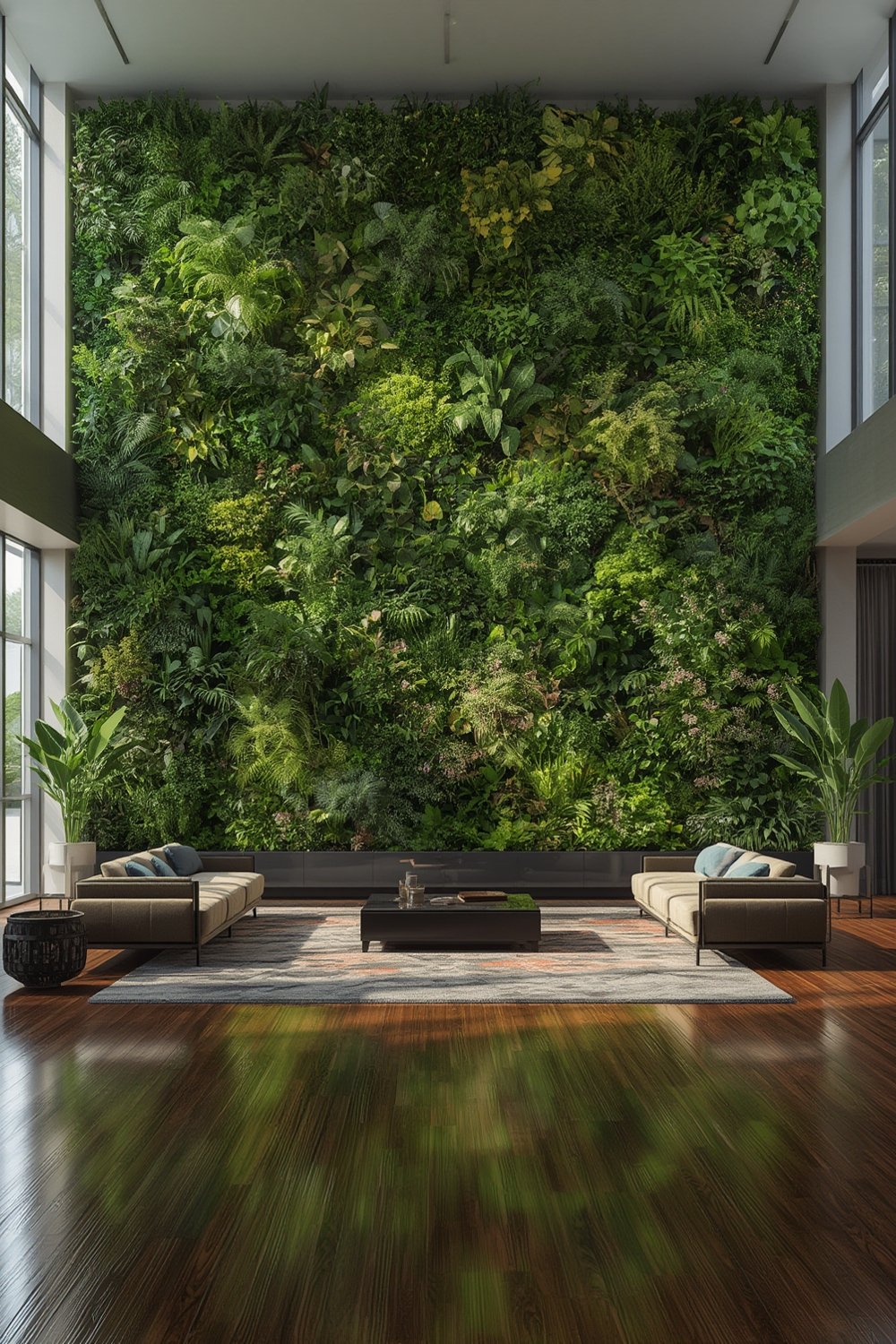
By 2024, the vertical garden living wall industry has reached a global value exceeding $1.3 billion, with analysts projecting growth to at least $3 billion by 2034 (source). Trends show rising popularity due to urbanization, space limitations, and growing awareness of biophilic design. The commercial segment is the largest, but residential installations—especially for indoor living walls—are gaining pace thanks to health and aesthetic benefits.
Living walls are more than attractive: they boost indoor air quality and productivity, reduce ambient temperature, and improve wellbeing. This aligns with broader home and office trends like biophilic design principles or creating seamless indoor-outdoor spaces.
Step-by-Step Guide: How to Create Your Own Living Wall
Ready to install a vertical garden living wall in your home or office? Follow these steps for best results:
1. Assess Your Space and Goals
Decide where the living wall will go—indoors or outdoors. Measure available wall space, check for adequate support, and identify access to natural or artificial light.
2. Choose the Right System
Main options include soil-based panels, hydroponic (soil-less), and modular systems. Hydroponic setups are tidy and lightweight but require careful attention to nutrient levels and pH. Consider your experience level and commitment to maintenance before deciding.
3. Prepare Support and Irrigation
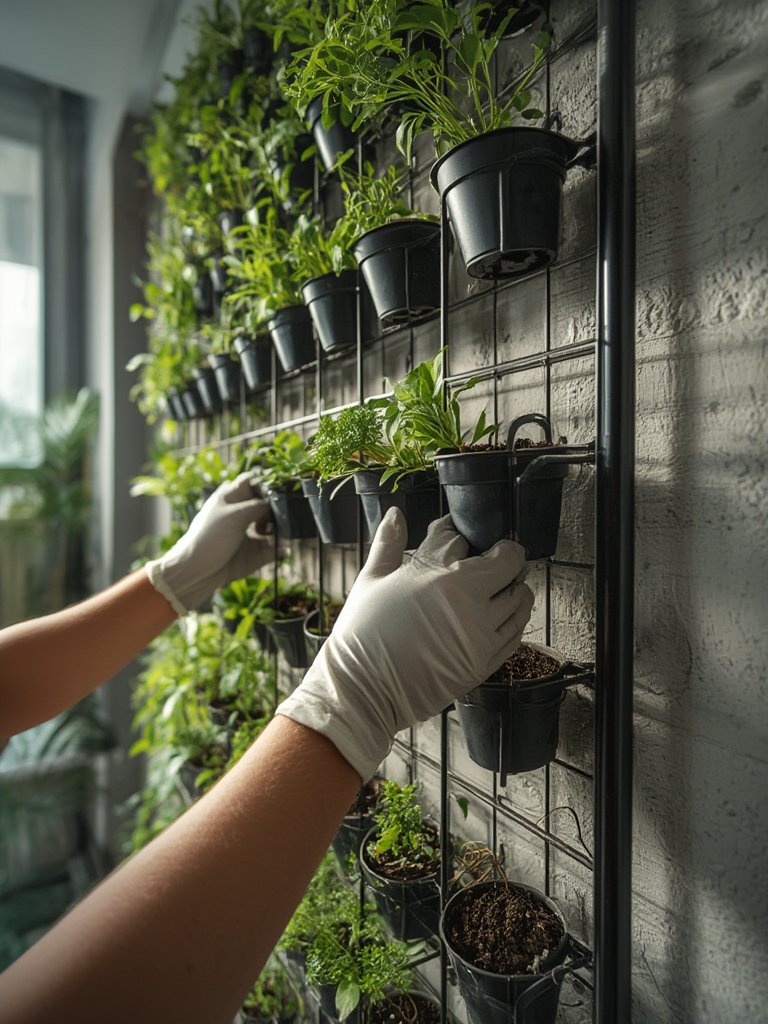
Strong support is critical—especially on drywall or partitions. Most living walls need integrated irrigation. For home projects, a drip system is common (connected to a water source and a timer). Small indoor units often have self-contained tanks.
4. Select Plants for Your Environment
Choose plants that suit your room’s light, humidity, and temperature. For low light: try ferns, philodendrons, or moss. For bright areas: consider herbs, succulents, or flowering varieties. Indoor vertical garden living walls thrive with species tolerant to varying moisture.
5. Plan Lighting
If natural light is lacking, use LED grow lights positioned for uniform coverage. LED bars or spotlights give efficient, energy-saving support to indoor plant growth.
6. Install and Monitor
Install panels or modules, set up irrigation, and insert your plants. For hydroponic systems, add nutrient solution and calibrate pH (5.5–6.5 for most species). Check for leaks and ensure timers work. Monitor plants daily at first, then adjust maintenance as the system stabilizes.
7. Schedule Ongoing Maintenance
Even the best systems require regular care—trimming, dead leaf removal, occasional fertilizing, and checking for pests or system failures. Weekly inspections prevent small problems from spiraling into plant loss or water damage. If your wall is part of a bigger redesign, consider integrating with projects like enclosed porch sunrooms or quiet minimalism spaces.
Advanced Analysis & Common Pitfalls to Avoid
While installing a vertical garden living wall is achievable for most homeowners, several often-overlooked technical details can create headaches. Here’s what mainstream guides rarely tell you:
Overlooked Hydroponic Technology Fails
- Nutrient Delivery Issues: Hydroponic systems can suffer from uneven or clogged tubing—plants at the ends may be underfed or die off suddenly.
- pH Balancing: Without regular testing, water pH can stray from the safe range. This causes nutrient lockout and poor growth. Use simple digital meters weekly.
Moss Wall Maintenance Protocols
- Humidity Control: Moss walls require consistent high humidity. If relative humidity drops below 40%, browning or shrinkage occurs. Using room humidifiers may be necessary.
- Dust Accumulation: Over time, dust dulls moss color and clogs pores. Gentle vacuuming (on low) or misting keeps moss healthy.
Green Wall Structural Risks
- Load-Bearing Failures: Wet soil and water add surprising weight. Mount systems only on reinforced walls that can support this load or consult a pro during the design phase.
- Irrigation Leaks: Even small drips behind panels lead to mold or rotten drywall if left unchecked. Water alarms or leak sensors are worthwhile investments.
| Aspect | Why It Matters | Impact if Ignored |
|---|---|---|
| Hydroponic Nutrient/Pump Issues | Maintains plant health and growth rate | Random plant deaths, patchy walls |
| Humidity/Dust for Moss | Prevents browning, keeps appearance fresh | Faded, unattractive moss surfaces |
| Load Bearing/Irrigation Leaks | Protects your wall structure and investment | Costly repairs, hidden mold, water damage |
Addressing these pitfalls from the start guarantees a healthier, longer-lasting vertical garden living wall. Interested in tackling broader home upgrades? See efficient EV charger installations or smart automation guides.
Conclusion
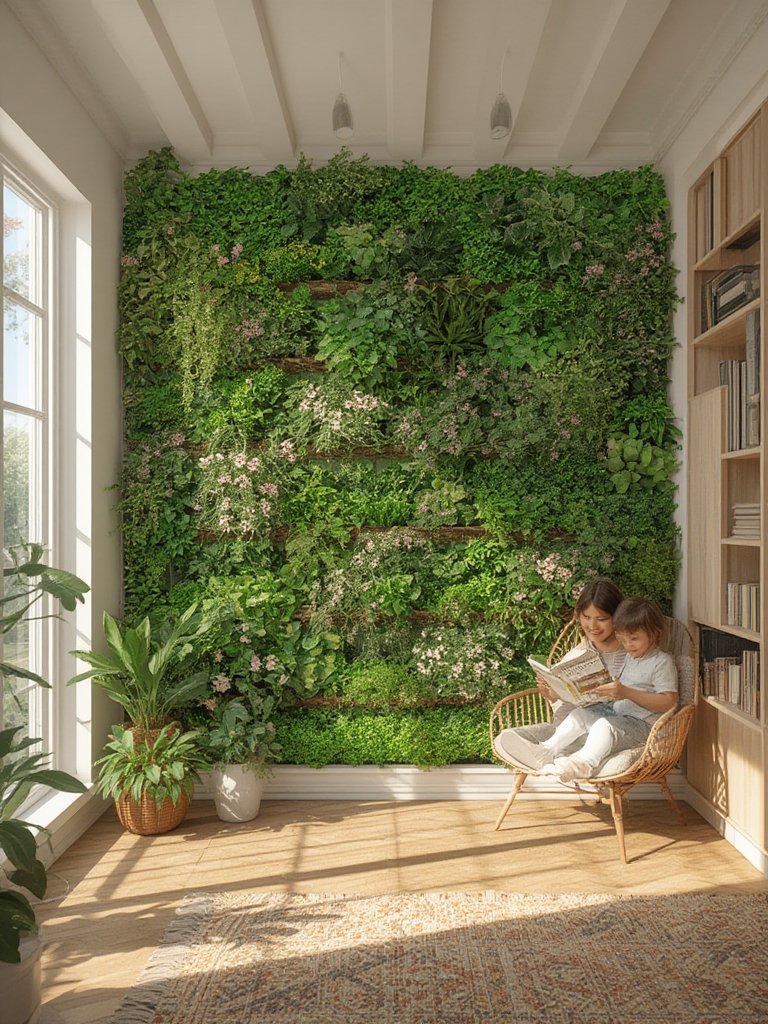
Vertical garden living wall installations can dramatically improve any space—but only when you plan for technical needs, ongoing care, and potential issues from the start. With rapid global adoption and strong growth in both commercial and home markets, these systems are more accessible than ever. Choose the right setup, maintain it wisely, and your vertical garden living wall will reward you with beauty, health, and a daily link to nature.
Ready to make your walls come to life? Start your project with these actionable tips—or explore other smart upgrades, like a smart garage opener or an indoor sauna for true integrated living.
FAQ
How much space do I need for a vertical garden living wall?
Most systems can be tailored to fit available wall space—from small picture-frame designs for apartments to full wall installations. Even 3-4 square feet is enough for a compact, impactful indoor setup. Large living walls may require reinforced backing.
Do I need special lighting for my living wall indoors?
If your wall receives less than 4-6 hours of direct or bright indirect sunlight per day, supplement with LED grow lights to promote even, healthy growth throughout the year.
How often does a vertical garden living wall need maintenance?
Check plants and irrigation weekly. Basic tasks include pruning, topping up water tanks, cleaning leaves, and monitoring for pests. Automated irrigation reduces workload but doesn’t eliminate regular checks.
What are the biggest risks to home vertical garden walls?
Ignored maintenance can lead to system leaks, dead plants, mold, or hidden water damage—especially if the wall lacks waterproof protection or proper irrigation monitoring.
Can living walls really improve indoor air quality?
Studies cite general air quality improvements thanks to living walls, but the exact figures versus potted plants remain scarce. Anecdotal evidence and user experience suggest better humidity and cleaner air with proper upkeep.