

Heat pump water heater installation is rapidly emerging as the top choice for homeowners who want real hot water savings, but getting the most out of these high-efficiency units takes careful planning. If you want to avoid costly regrets or hidden installation headaches, keep reading—this is the practical, up-to-date guide you need for 2024.
Key Takeaways
- Heat pump water heater installation offers annual operating cost savings of 60–75% compared to conventional electric models, with typical payback periods of 3–6 years or less after incentives.
- Most installations require a 240V electrical service, ample ambient air space (450–1,000 cu ft), and planning for condensate drainage—plus possible panel upgrades if you’re switching from gas.
- Federal tax credits, utility rebates, and state incentives can reduce upfront costs by up to $2,000, with real-world payback potentially under one year for eligible homeowners.
- Understanding Heat Pump Water Heater Installation
- Step-by-Step Guide: Successful Heat Pump Water Heater Installation
- Advanced Analysis & Common Pitfalls
- Conclusion
- FAQ
Understanding Heat Pump Water Heater Installation
Heat pump water heater installation involves replacing or upgrading an existing water heater with a technology that uses ambient air to produce hot water dramatically more efficiently. Unlike conventional electric water heaters that generate heat directly, heat pump units transfer heat from the air into your water tank. This major efficiency gain means these systems can cut typical water heating costs by 60–75% and reduce a home’s overall energy use.
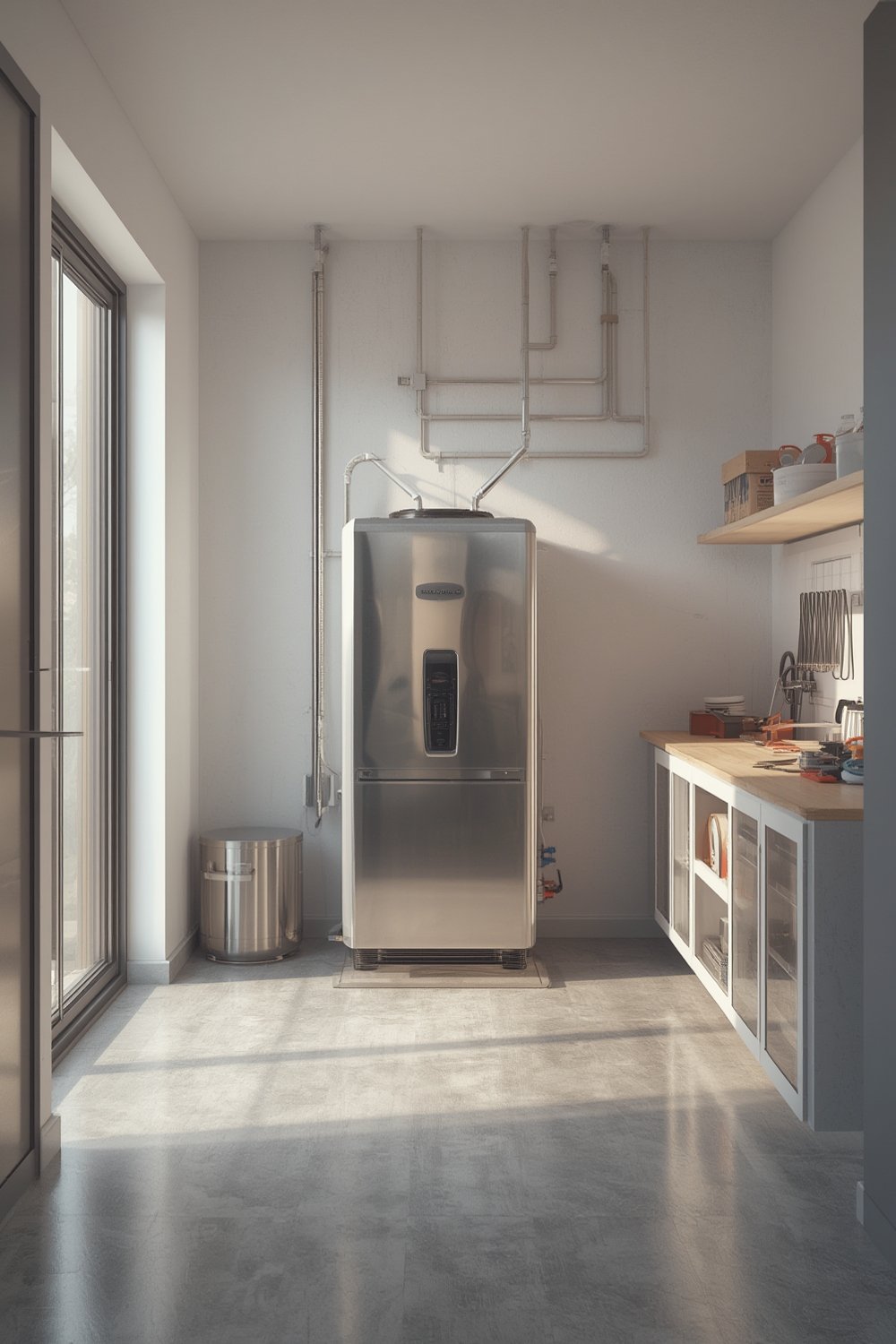
Most heat pump water heaters (HPWHs), also called hybrid electric water heaters, look similar to regular tank units but feature a compressor and air handler on top. They require more space—often 450–1,000 cubic feet of open air—and need 240V electrical service and a condensate drain. These requirements are crucial for long-term performance and efficiency, but commonly missed in rushed or poorly planned installations.
Switching from gas to electric heat pump water heaters unlocks large savings and eliminates combustion risks or fossil fuel emissions in the home. For those looking to maximize energy efficiency, HPWHs now represent the “gold standard” according to Energy Star and the Department of Energy.
Step-by-Step Guide: Successful Heat Pump Water Heater Installation
- Size the Unit Properly
Select a tank that matches your household size and peak usage. A 50–80 gallon unit covers most homes. As noted by Palmetto, larger households may need larger tanks to avoid backup electric element use. - Assess Space Requirements
Ensure at least 450–1,000 cubic feet of open, unconditioned air space—usually a basement, utility room, or large garage. The unit needs airflow and clearance (often at least 6–24 inches above and around) for filter access and efficient heat exchange. - Upgrade Electrical Supply if Needed
Most heat pump water heaters require a 240V, 30-amp dedicated circuit. If replacing a gas heater, an electrician may be needed for panel upgrades or wiring, which can add $700–$1,700 to project cost. - Install Condensate Drainage
HPWHs remove moisture from the air during operation, producing several gallons per day of condensate. Plan for gravity drainage or a condensate pump routed to a floor drain, utility sink, or exterior outlet. - Remove Existing Water Heater
Shut off water, power, and drain the tank. Dispose of the old unit per local regulations or arrange for contractor haul-away. - Set Up Water, Power, and Venting Connections
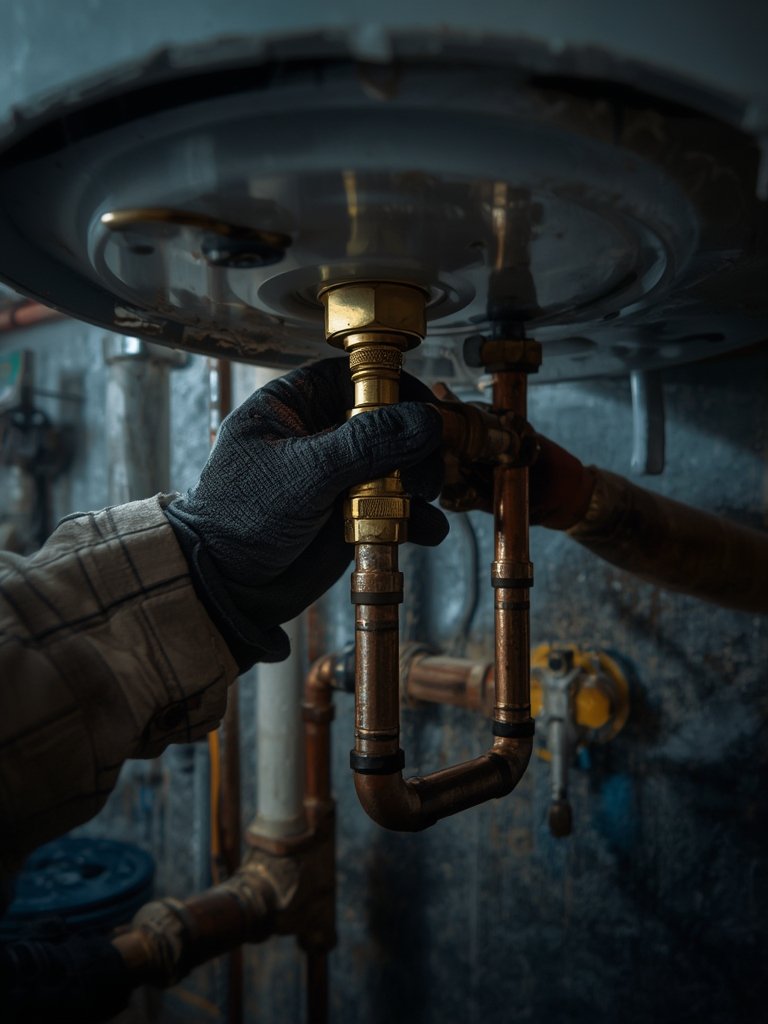
Connect the cold and hot water supply lines, ensure tight electrical connections, and check for leaks. HPWHs do not require combustion venting (unlike gas), simplifying installation. - Configure System Modes and Settings
Program your HPWH for “Heat Pump Only” mode whenever possible. Monitor for noise, temperature, and condensation in the first days of operation. - Apply for Rebates and Tax Credits
Save receipts and gather model numbers. File for the Inflation Reduction Act (IRA) federal tax credit (up to $2,000), plus local utility rebates for Energy Star-rated models.
For detailed installation comparisons and tips to maximize water heating efficiency, see our guides on tankless water heater installation and home EV charger installation cost.
Advanced Analysis & Common Pitfalls
While the promise of big energy savings sounds appealing, heat pump water heater installation isn’t always hassle-free. Here’s a realistic look at the major obstacles and mistakes that catch many first-timers off guard.
- Insufficient Space: HPWHs need at least 450–1,000 cu ft for proper airflow. Installing in cramped closets or under-stair spaces ruins efficiency and shortens lifespan.
- Inadequate Electrical Supply: Many older homes or gas-to-electric conversions lack a suitable 240V circuit. Panel upgrades bump up project costs and add complexity.
- Cold Climate Challenges: Below 40°F ambient temperature, most hybrid water heaters switch to electric resistance backup, losing efficiency. Garages and unheated spaces in cold regions are especially problematic.
- Noise Complaints: While quieter than some appliances, HPWHs do make a low hum and fan noise—install away from bedrooms or quiet zones and check the decibel rating.
- Performance Drop When Oversized/Undersized: If the tank is too small, it’ll rely on backup heating; too large, and you’ll overpay upfront for unused capacity.
- Unanticipated Hidden Costs: Drainage solutions, panel or circuit upgrades, permit fees, and even smart home integration (compatible with many systems) can add hundreds to your initial budget.
| Metric | Heat Pump Water Heater | Conventional Electric | Tankless Gas |
|---|---|---|---|
| Unit Cost | $1,200–$3,000 | $500–$1,000 | $700–$2,500 |
| Installed Cost (Replacement) | $3,600–$4,800 (electric) $4,300–$6,500 (gas) | $1,200–$2,000 | $2,500–$4,500 |
| Annual Operating Cost | $90–$300 | $230–$600 | $228–$360 |
| Typical Payback | 3–6 years <1 yr (with incentives) | – | 7–10 years |
| Energy Reduction (vs. Electric) | ~65–75% | – | ~25–40% |
| Lifespan | 10–15 years | 8–12 years | 15–20 years |
If you’re also upgrading other aspects of your home, our casement window replacement energy guide and safe home sauna installation resources offer actionable steps for maximizing overall energy performance.
Financially, government incentives make a huge difference. The Inflation Reduction Act gives up to $2,000 in tax credits for eligible models (see utility cost breakdowns). State and utility rebates can stack, sometimes reducing payback to under a year (IRA incentive guide).
Finally, real-world efficiency: modern HPWHs cut water heating usage by 65–75% and can save typical families $350–$600 per year. These savings can be amplified if you pair with grid-supplied renewable electricity or rooftop solar, making your system even cleaner (full comparison review).
Conclusion
Heat pump water heater installation is one of the smartest home upgrades for comfort, cost savings, and reducing your carbon impact. The process is straightforward, but only when you account for electrical, space, and drainage requirements right at the start. Take advantage of current rebates and plan ahead to avoid costly mistakes—your future self and utility bills will thank you. If you’re ready to upgrade, research your incentives, compare professional quotes, and get your focus keyword—heat pump water heater installation—done right this year!
Want more guidance on efficient home upgrades? Explore our in-depth advice on smart garage door opener installation, sunroom conversions, and other energy-smart projects.
Take action: Gather your home’s electrical and space details, estimate costs, and start leveraging today’s best rebates for a smooth, affordable heat pump water heater installation.
FAQ
How big of a space do I need for heat pump water heater installation?
Most heat pump water heaters require at least 450–1,000 cubic feet of ambient air space. Typical installs work best in a large utility room, basement, or garage with clearance for airflow and maintenance.
Will I need to upgrade my electrical panel?
If switching from a gas unit or older electric water heater, you may need a 240V, 30-amp dedicated circuit. Electrical panel upgrades are common and can add $700–$1,700 to your project. Consult a licensed electrician to be sure.
How do I get the federal $2,000 tax credit?
Install an eligible Energy Star hybrid or heat pump water heater, save all documents and invoices, and claim the credit on IRS Form 5695 with your tax return. Check state and local programs for additional savings.
Do heat pump water heaters work well in cold climates?
Below 40°F, heat pump water heaters lose efficiency and may rely on backup electric elements. Installation in consistently cold, unheated spaces is not recommended unless the area is kept warm year-round.
How long does installation typically take?
Most professional installations are completed in one day if your electrical and drainage systems are ready. Expect delays if panel upgrades or special permits are needed.