

Color drenching paint is shaking up home interiors with bold, immersive results. If you want your rooms to stand out from ordinary neutrals and create a dramatic, cohesive vibe, this is the technique top designers are talking about. Here’s what color drenching means, how to do it, mistakes to avoid, and actionable steps for your own space.
Key Takeaways
- Color drenching paint delivers immersive, modern interiors by saturating walls, ceilings, and trim in a single rich hue for a striking, unified look.
- Best results require careful color selection, planning, and layering different paint finishes for subtle dimension.
- Potential pitfalls include poor lighting, awkward touch-ups, and resale risks—so plan with care and know your maintenance requirements.
- What is Color Drenching Paint? The Core Concept
- How to Color Drench Paint: Step-by-Step Guide
- Advanced Analysis & Common Pitfalls
- Conclusion
- FAQ
What is Color Drenching Paint? The Core Concept
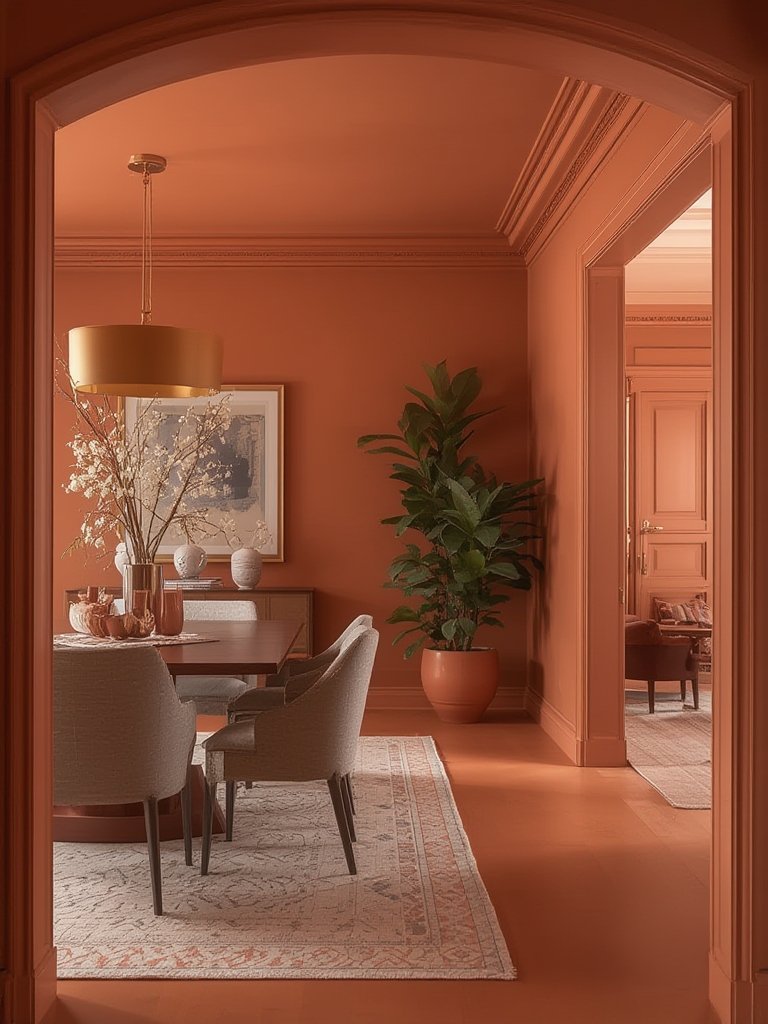
Color drenching paint is an interior design technique where one bold or nuanced color is applied to every surface in a room—including walls, ceilings, moldings, and often built-ins or furniture. Instead of stopping at feature walls or accent trim, color drenching soaks the whole space in the chosen hue for maximum impact and total cohesion.
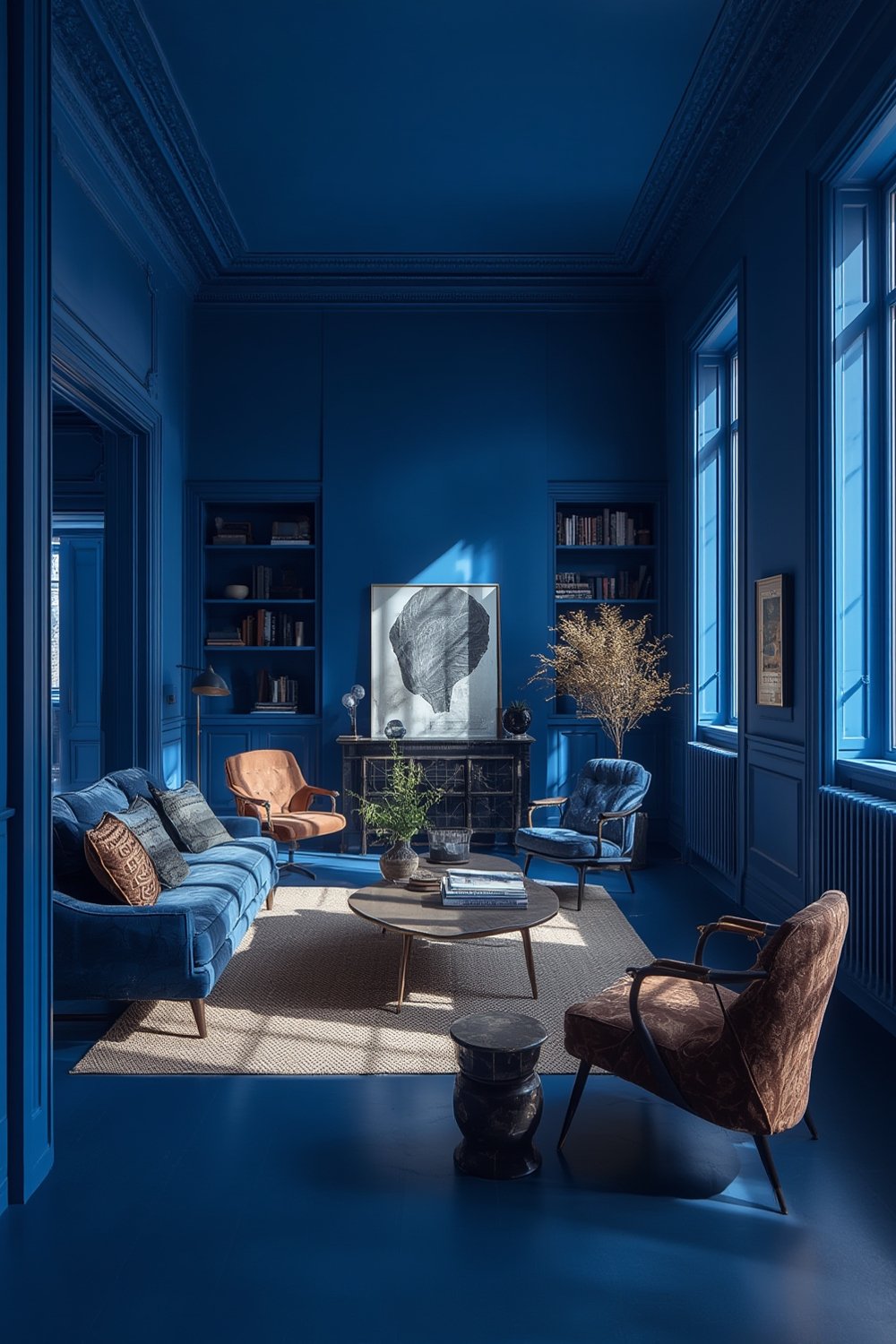
Why is color drenching trending now? The desire for bolder personal expression and dramatic, cocoon-like spaces is replacing the all-white, minimal look. According to paint industry leaders (Haute Living SF), brands like Behr and Sherwin-Williams report surging demand for deep, moody and emotionally resonant shades. Notably, 74% of Americans are open to painting a room dark, with younger adults especially keen to break the “builder beige” mold.
Strategically, color drenching paint can:
- Create a sense of enveloping comfort and personality
- Reduce visual clutter and expand small or low-light rooms by minimizing contrast and shadows (Brian Kondo, 2024)
- Let architectural features and textures shine by removing distraction from color contrast
Color drenching pairs well with other rising trends like quiet minimalism, statement furniture (see curved sofas), or biophilic designs using natural materials (living room biophilia), allowing personalization without visual noise.
How to Color Drench Paint: Step-by-Step Guide
Ready to try color drenching paint in your home? Follow these steps for success, whether you’re tackling a powder room or planning to saturate your living room ceiling-to-skirt.
- Pick Your Color and Finish Wisely
- Rich, deep tones—like emerald, charcoal, or terracotta—are classic, but soft blues and earthy, muted colors are surging in 2024–2025 (Janovic).
- Review 2024–2025 Color of the Year picks for inspiration: Behr Cracked Pepper, Glidden Limitless, Valspar Renew Blue, or Sherwin-Williams Upward.
- For a high-end effect, combine finishes: eggshell or satin for most walls; semi-gloss for trim and cabinetry (YouTube: Finishes Explained).
- Calculate Paint Needed
- Measure every surface you plan to paint, from skirting boards to ceilings, for an accurate estimate. Add 10–15% extra for touch-ups and furniture if included.
- Prep the Room
- Remove hardware and outlet covers. Mask windows and floors. Repair cracks, holes, or texture inconsistencies—they’ll be far more noticeable in monochrome.
- Use a quality primer, especially when covering contrasting colors or painting over woodwork.
- Apply Paint Methodically
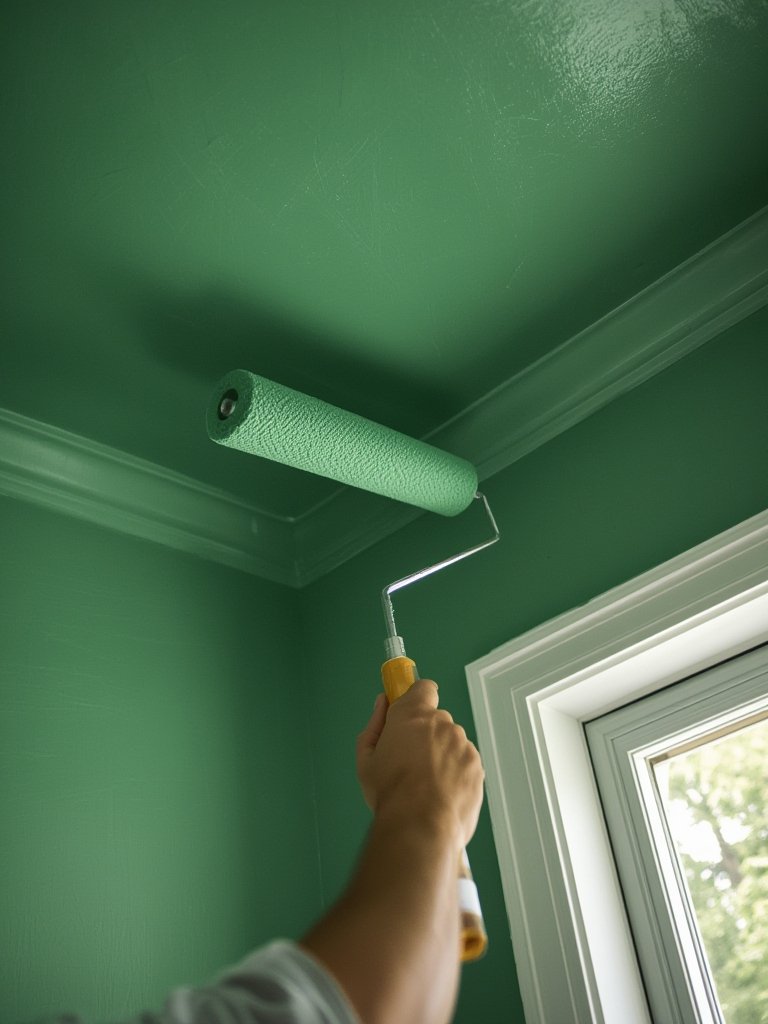
- Start with the ceiling, then progress down to the crown, walls, trim, doors, and skirting.
- Let each coat dry fully before recoating or moving to the next section to avoid streaks and drips.
- Switch tools as needed: rollers for larger planes, angled brushes for mouldings.
- Add Finishing Touches and Furnishings
- For max drama, continue the color on radiator covers, open shelves, or even lighting fixtures.
- Layer in contrasting textiles, metals, or plants for visual interest and softness.
- Troubleshoot and Touch Up
- Have a small amount of touch-up paint for later—exact color matches can be tough after months/years, especially with deep hues.
For a cohesive open-plan look, consider color drenching in one main area (like a reading nook or dining alcove) first. This allows for drama without overwhelming your entire home. Find more multi-zone tips in our guide to multi-functional home office guest rooms.
Advanced Analysis & Common Pitfalls
While color drenching paint offers striking benefits, the technique isn’t foolproof. Here’s what commonly goes wrong and how to plan around these realistic challenges:
| Pitfall | How it Happens | How to Avoid |
|---|---|---|
| Color Looks Dull or Oppressive | Rooms lacking natural light or using ultra-saturated hues can feel heavy or close in. | Balance with mirrors, layered lighting, and soft furnishings. Test paint in all lighting conditions over several days. |
| Uneven Surfaces Exposed | One color highlights flaws in wall prep, texture, or trim alignment. | Meticulously repair and sand before priming. Use higher-gloss finishes only on smooth areas. |
| Matching Issues in Future Touch-Ups | Aged paint, shifting light, or batch variations cause patchy touch-ups. | Store original paint with exact batch details. Repaint whole walls (not just spots) for best blend. |
| Resale Hesitation | Bold, personalized color drenching might turn off buyers wanting neutral, blank canvases. | Go bold in smaller, secondary rooms or spaces that are easily repainted (e.g., powder rooms, studies). |
| Accentuating Dust & Fingerprints | Dark or glossy finishes show smudges, dust, or handprints easily. | washable, scrubbable paint formulas and commit to regular wiping. |
It’s also worth noting that color drenching can drive higher initial costs versus a single accent wall, thanks to extra gallons required and potentially more labor (especially for intricate trim or built-ins). As of now, there’s a lack of comprehensive cost breakdowns in public industry reports—but anecdotal data suggests material expenses can run 20–40% higher per room for full drenching.
Durability matters, too. If you have pets or kids, prioritize high-washability finishes and consult technical specs from your paint brand. Some colors may fade or scuff faster; always ask for sample maintenance and cleaning tests, similar to choosing washable area rugs for active spaces.
Still not sure if drenching is right for you? Try it in a small area first, or consult a local designer for a tailored plan. Trends evolve—going all-in with color drenching is best for those planning to stay put for a while, or who love making a strong visual statement.
Conclusion
Color drenching paint is a high-impact design move, now trending for its immersive, contemporary appeal and ability to make even small rooms feel expansive and intentional. When done right, it can wow guests, mask awkward lines, and turn “boring beige” rooms into personal sanctuaries. The most important step: sample generously, prep thoroughly, and layer finishes for visual richness. Embrace color drenching paint thoughtfully, and you’ll elevate your space in a way that’s both designer-approved and uniquely yours. Ready for something braver than neutral walls? Start painting—and share your results to inspire others.
For more fresh interior ideas, don’t miss our guides on quiet minimalism, reclaimed wood accent walls, or bringing nature inside with biophilic home decor.
FAQ
Does color drenching paint make a room look smaller or bigger?
It can make rooms feel larger and more open, especially those without natural light, by removing color contrast and visual boundaries. But very dark shades may make large rooms feel more intimate and cozy. Always test your chosen color in the exact space before committing.
Which paint brands and colors work best for color drenching?
Top choices for 2024–2025 include Behr’s Cracked Pepper, Glidden’s Limitless, Valspar’s Renew Blue, Sherwin-Williams’ Upward, and Dutch Boy’s Ironside. Use high-quality, washable formulas with eggshell or satin for most walls, and semi-gloss for durability on trim. Always sample before full application—some brands offer color depth or washability guides online.
Is it hard to repaint after color drenching if I change my mind?
Yes, especially with deep, rich hues. Neutralizing saturated colors can take extra coats of primer and paint. To make future changes easier, stick to spaces you love or that won’t impact resale, like powder rooms or a study.
Can I color drench a single accent wall or just the woodwork?
True color drenching involves enveloping all walls, the ceiling, and trim in one hue. However, you can create a “half-drenched” effect by including one main wall, adjacent trims, and a few painted furnishings. Partial drenching offers bold style with less commitment.
What rooms are best for trying color drenching paint first?
Low-stakes spaces like powder rooms, hallways, or studies are perfect for experimenting. These are easy to repaint later and create a dramatic, memorable impression with lower risk.