

Hidden tech furniture is changing how we live, work, and relax at home. If you want to maximize space, add seamless technology, and keep your living areas clutter-free, this practical guide will help you understand, choose, and implement hidden tech furniture for real-life results.
Key Takeaways
- Modern hidden tech furniture offers integrated charging, IoT features, and space-saving designs—ideal for small homes and remote workspaces.
- Choosing the right piece depends on understanding key specs and balancing technology with design aesthetics for lasting satisfaction.
- Potential issues include charging inefficiency, tech obsolescence, and durability—know these pitfalls before investing.
- The Core Concept: What is Hidden Tech Furniture?
- Step-by-Step Guide: How to Choose and Use Hidden Tech Furniture
- Advanced Analysis & Common Pitfalls
- Conclusion
- FAQ
The Core Concept: What is Hidden Tech Furniture?
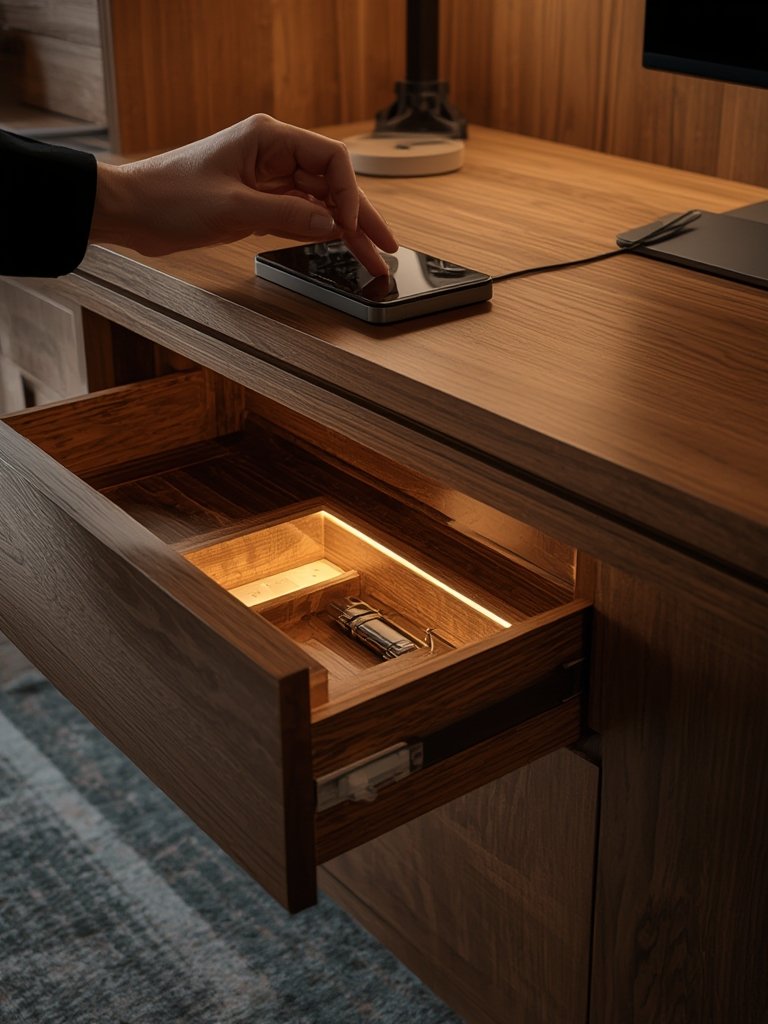
Hidden tech furniture refers to pieces like desks, tables, beds, and seating that integrate modern technology invisibly within classic or contemporary designs. Common features include wireless charging pads, USB ports, built-in speakers, IoT sensors, and even voice assistant compatibility. The design focus is on concealing hardware and wires—to keep surfaces clean and interiors uncluttered.
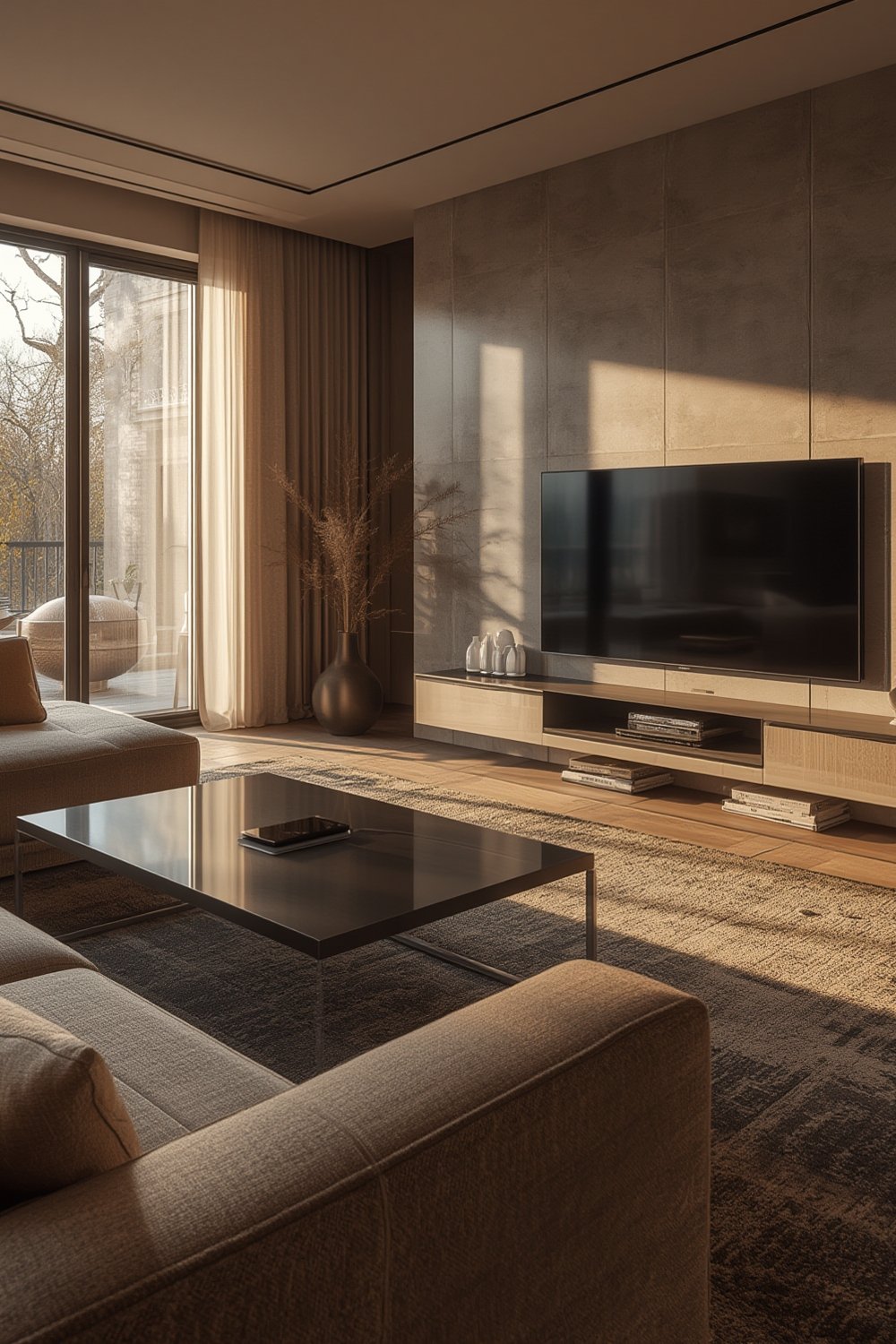
This approach solves nagging pain points: untidy cords, device clutter, and constant searching for power outlets. Especially in remote work setups, it helps keep home offices organized and efficient. For small apartments or multipurpose spaces, space-saving designs with stowed-away features offer dual utility—transforming a coffee table into a charging hub or a sideboard into a home command center.
The market is expanding fast. In North America, the smart furniture sector, which includes hidden tech integrations, was valued at $1.4 billion in 2023 and is projected to grow to nearly $1.8 billion by 2030 at a 3.5% CAGR (NextMSC). North America remains the clear leader, driven by high smart home adoption, consumer demand for ergonomic tech, and remote work trends (TechSciResearch). Design-forward brands such as IKEA, Herman Miller, and Steelcase are constantly innovating, merging aesthetics and utility (Ken Research).
This evolution isn’t limited to dedicated tech furniture. It’s affecting modular sofas, convertible beds, and even accent chairs, where USB ports and inconspicuous tech features are now blending in. Explore more innovative furniture approaches in these guides:
- Multi-Functional Home Office Guest Room: 9 Best Ways to Maximize Space
- Modular Sectional Sofa Guide
- Tankless Water Heater Installation: 7 Best Ways to Maximize Efficiency
Step-by-Step Guide: How to Choose and Use Hidden Tech Furniture
Ready to make the most of hidden tech furniture? Follow these practical steps to select, install, and optimize these smart pieces for your home.
- Identify Your Needs and Home Layout
Decide where integrated tech will provide the most value—bedroom nightstands, living room coffee tables, home office desks, or entryway benches. Consider daily device charging requirements, desired convenience features, and the number of users. - Evaluate Essential Tech Features
Look for wireless charging (Qi standard), USB-A and USB-C ports, built-in cable management, and Bluetooth speakers. If you want advanced automation, choose pieces compatible with popular smart home systems. - Check Power & Electrical Safety
Choose products with certified power supplies (look for UL, CE, or FCC marks for safety). Plan for safe, hidden cable routing or wall outlets to avoid trip hazards and overheating. Some models offer wireless-only charging; others still require plug-in power. - Assess Build Quality & Materials
Durable materials are essential—look for solid wood, powder-coated metals, or reinforced plastics. Soft-close drawers, anti-scratch laminates, and moisture resistance will help pieces last in real homes. - Match Technology with Design
Don’t compromise your personal style. Today’s leading brands offer minimalist, mid-century, and contemporary options with seamlessly hidden tech. Ensure that visible hardware blends or can be covered. - Plan for Futureproofing
Look for modular designs or those with upgradeable ports. As device charging standards change (especially USB-C becoming more common), you’ll want the flexibility to adapt. - Installation & User Setup
For plug-in units, simply assemble and place near outlets. For wall-integrated pieces, consider professional installation. Test all tech features before full use—wireless charging should work through the surface, and all ports should deliver the expected wattage.
Explore how integrated tech design complements overall home style for wellness and sustainability in these home improvement topics:
If you’re introducing hidden tech elements in tandem with other upgrades (such as smart thermostat installation or home EV charger setup), plan your projects so that wiring and controls integrate smoothly. Check out smart thermostat installation or home EV charger installation cost guides for related tech tips.
Advanced Analysis & Common Pitfalls
Even with the appeal of hidden tech furniture, real-world use can surface unforeseen challenges. Here are the most frequent pitfalls—and actionable ways to avoid them:
- Charging Inefficiency or Device Incompatibility
Not all wireless pads deliver equal power. Lagging wattage or non-standard ports mean slow charging or failed connections—especially if your phone or laptop needs 15W fast charging, but the table only outputs 5W. - Durability and Longevity
Integrated tech can become outdated or fail before the furniture itself does. Poor-quality USB ports or charging pads can break from repeated use. Choose products with replaceable power modules to extend life. - Heat and Safety Risks
Concealed electronics need proper ventilation. Cheap builds can overheat with prolonged device charging, risking fire hazards. Always confirm safety certifications. - Design Incompatibility
Bulky tech or visible cut-outs can undermine a room’s look. Some “tech furniture” still feels like an appliance—not a seamless part of your decor. - Lack of Support or Futureproofing
Some products aren’t easy to update as standards change (e.g., USB-C). If software is involved, make sure it receives regular updates—or stick to hardware-only features.
| Feature | Hidden Tech Furniture | Standard Furniture |
|---|---|---|
| Charging Ports | Integrated (USB, wireless, modular) | Absent or added via external adapters |
| Build Quality | Often higher (reinforced for tech weight); can vary by brand | Varies widely; usually not tech-optimized |
| Price Range | Generally 10–30% higher due to components (prices not always transparent) | Lower upfront (unless custom-built) |
| Aesthetic Options | Modern, minimalist, and classic; some sacrifice looks for tech | Wider range, especially heritage/traditional styles |
| Longevity | Risk of tech obsolescence; modularity helps | May outlast tech models, but lacks features |
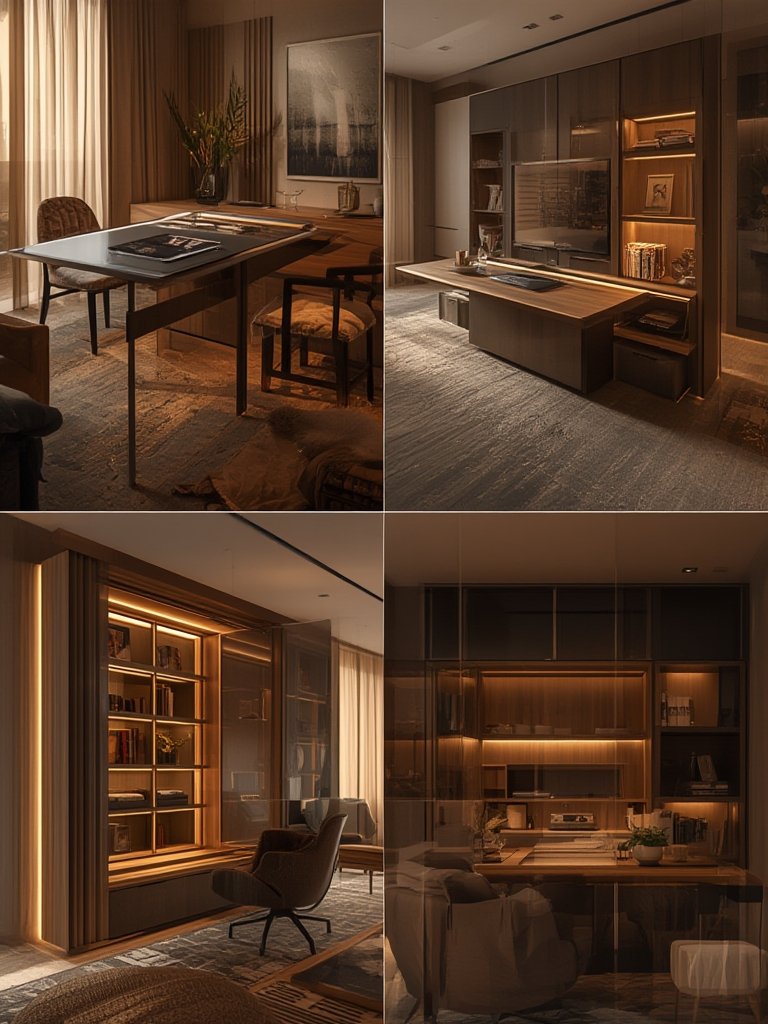
If you need hybrid or flexible pieces that adapt beyond just tech features, see our latest design strategies in Indoor Outdoor Living Space Design and Quiet Minimalism Home Design.
Conclusion
Hidden tech furniture isn’t just a trend—it’s a practical upgrade for adapting your home to new lifestyles and tech needs. By understanding specs, planning for lasting value, and blending style with utility, you’ll avoid common pitfalls and get the most from your investment. As the market grows—especially in North America—more options are becoming available for every style and budget. Ready to power up your home? Start your search for hidden tech furniture that fits your space perfectly, and enjoy the technology you can’t see—but will definitely feel every day.
Want more smart design solutions? Explore our in-depth guides and plan your next functional home upgrade today.
FAQ
What is hidden tech furniture?
Hidden tech furniture blends technology features—like built-in chargers, ports, or sensors—inside tables, beds, or seating without visible wires or obvious gadgets. Surfaces remain clean, and tech is activated only when needed.
Does hidden tech furniture require special installation?
Most plug-in units are easy to install—just assemble and connect to power. For built-in or wall-integrated tech, you may need professional installation for wiring and safety. Always check manufacturer instructions.
Is hidden tech furniture worth the price premium?
It depends on your usage. If you regularly charge multiple devices or want a cleaner look, the added convenience and space-saving features can justify the higher price. For low-tech needs, standard furniture may suffice.
How can I ensure my hidden tech furniture is safe?
Look for certifications like UL, CE, or FCC. Ensure all wires and components are properly secured, and avoid overloading outlets. Keep vents clear for heat dissipation.
Will the technology become obsolete quickly?
Some features, like USB-A ports, may become outdated as newer standards (like USB-C) emerge. Choose modular designs where possible or opt for furniture that can be upgraded or retrofitted later.