

### Blog Post:
Arched mirror designs are transforming how people style their spaces for visual impact and Instagram-worthy backdrops. Whether you want to open up a small room, create a statement focal point, or simply achieve the trends Gen Z are buzzing about, an arched mirror is a fast, actionable upgrade. Here’s how to do it right—without wasting money or dealing with safety problems.
Key Takeaways
- Arched mirrors are booming with Gen Z, driven by social media, AR technology, and demand for Instagrammable spaces.
- Practical choices—size, material, positioning—make or break both style and safety (especially in rentals and small homes).
- Plan for real-world challenges like installation hazards or mirror distortion to avoid costly mistakes and enjoy lasting results.
- Understanding the Arched Mirror Trend
- Actionable Step-by-Step Guide: Buying & Styling an Arched Mirror
- Advanced Analysis & Common Pitfalls When Using Arched Mirrors
- Conclusion: Elevate Your Space With Arched Mirrors
- FAQ: Arched Mirror Shopping and Styling
Understanding the Arched Mirror Trend
Arched mirrors are at the center of a design wave combining function and style for modern interiors. They soften harsh lines in minimalist or industrial rooms, add verticality to low ceilings, and reflect light to visually expand small spaces. This isn’t just about aesthetics—Gen Z and Millennials now prioritize visual storytelling in home spaces, with 75% following influencers for product ideas and 50% directly influenced by recommendations.
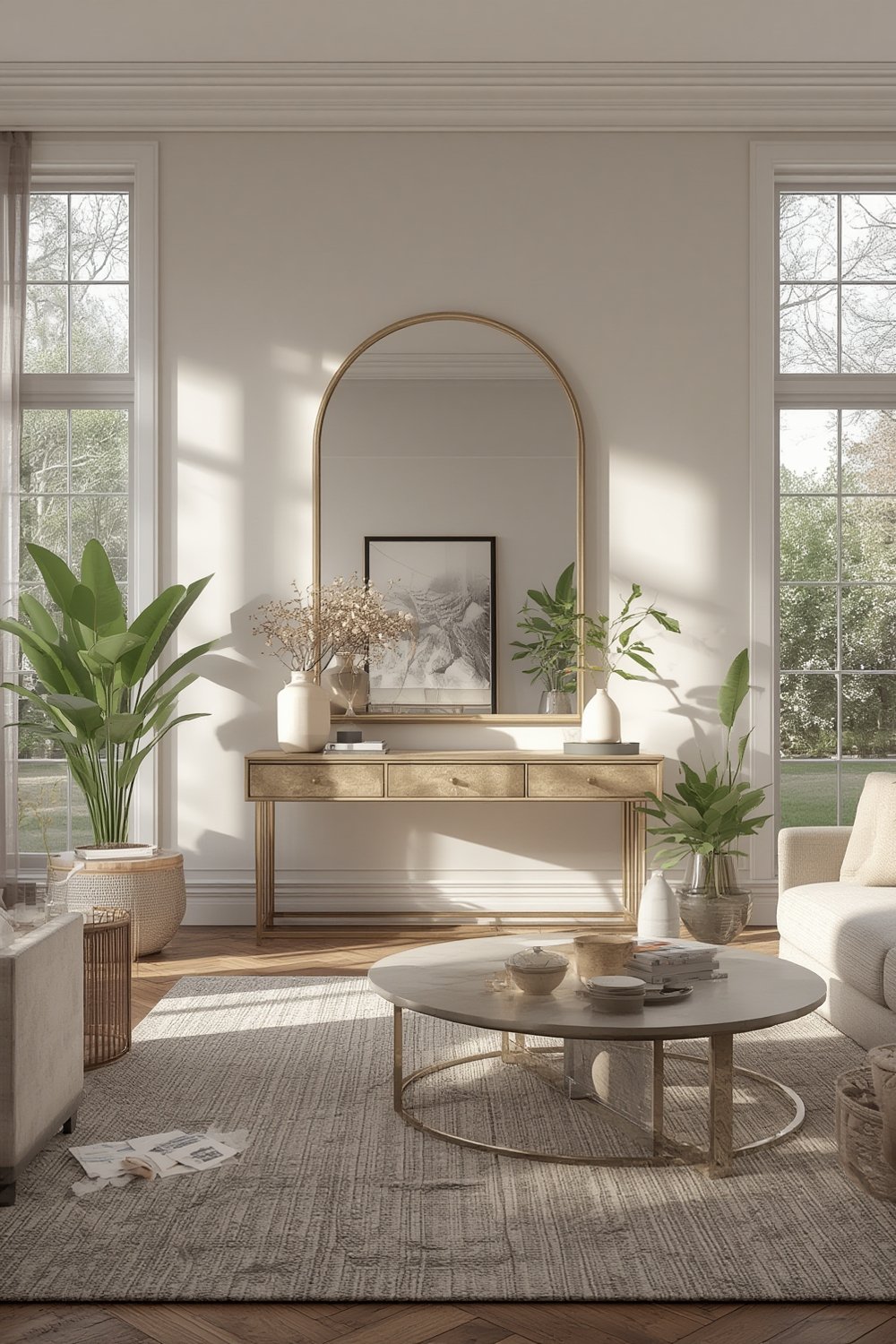
Retailers are tapping into this demand: Gen Z shoppers crave Instagrammable moments and flock to setups that photograph beautifully. Interactive AR mirrors are driving engagement in stores up to 9x compared to static displays, indicating the power of visual, shareable design as proven in Nike’s AR mirror case study. At home, large arched floor mirrors or full-length pieces become daily self-expression tools as well as decor.
Explore more on how curves shape interiors by reading our guide on curved furniture and architecture, which pairs perfectly with arched mirror choices for a cohesive, on-trend look.
Actionable Step-by-Step Guide: Buying & Styling an Arched Mirror
Follow these steps to select, install, and style an arched mirror for maximum effect—balancing design with real-world practicality and safety.
-
Define your purpose:
- Want a statement piece in the entryway? Choose a large arched floor mirror.
- Trying to maximize light in a dark hallway? Position a wall-mounted, tall arched mirror to bounce illumination deeper into the space.
- Looking for better selfies or social media shots? Prioritize a full-length arched mirror with crystal-clear glass and a subtle, thin frame for minimal distortion.
-
Measure twice, buy once:
- Measure the maximum width and height your wall or floor can accommodate.
- Plan for mirror height (standard floor models: 60-72 inches; width: 24-36+ inches) and make sure you have at least 2 inches clearance from outlets, switches, or furniture edges.
-
Choose materials wisely:
- High-end arched mirrors have aluminum or hardwood frames with lead-free high-clarity glass—they cost more but are durable and distortion-free.
- Budget models may use MDF or plastic frames, or thinner glass—expect them to be lighter but potentially prone to warping or distortion over time.
-
Install safely (especially for renters):
- If wall-mounting, use anchors matched to your wall type (drywall, plaster, masonry).
- For floor mirrors, always use anti-tip kits or secure to the wall at the top. Never rely solely on leaning for large, heavy designs—these can tip unexpectedly.
- If you have kids or pets, avoid placing arched mirrors near high-traffic paths or play areas. Learn more about making dual-use spaces work with safety in our multi-functional home office guest room ideas.
-
Styling for maximum visual impact:
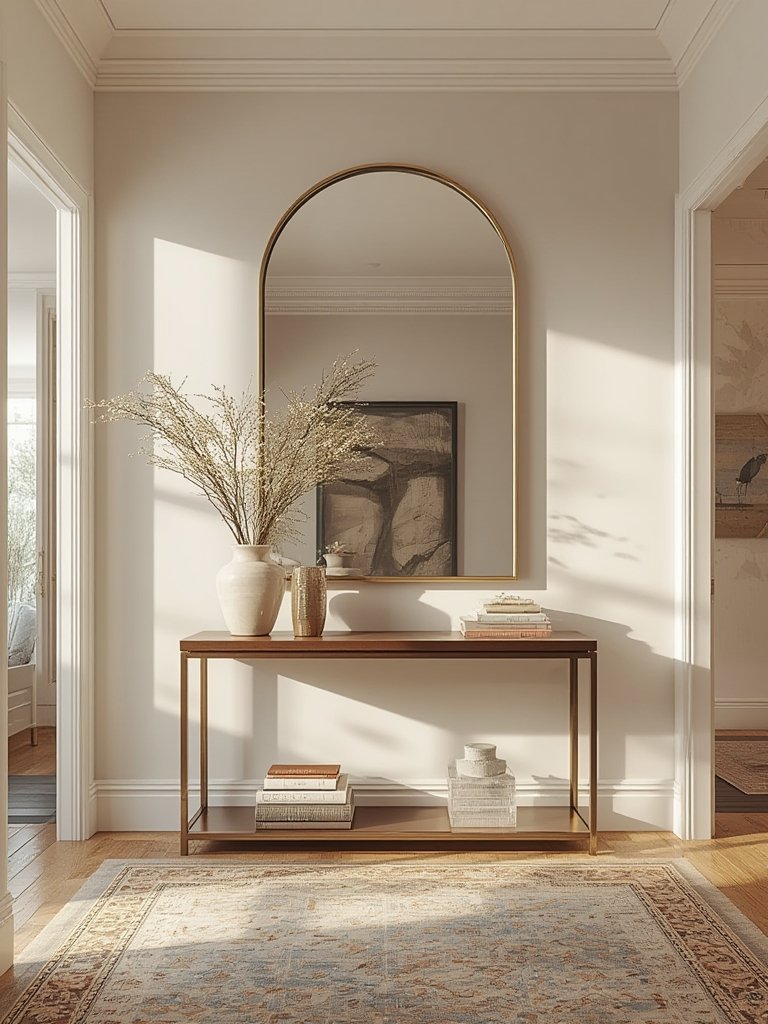
- Pair your arched mirror with curved furniture—like a curved sofa—to reinforce soft lines and flow.
- Add organic accessories (e.g., indoor plants or textured rugs as shown in our washable area rugs trend) to warm up the look.
- Leave at least 6-12 inches above floor level when leaning a mirror for better reflection angle and safety buffer.
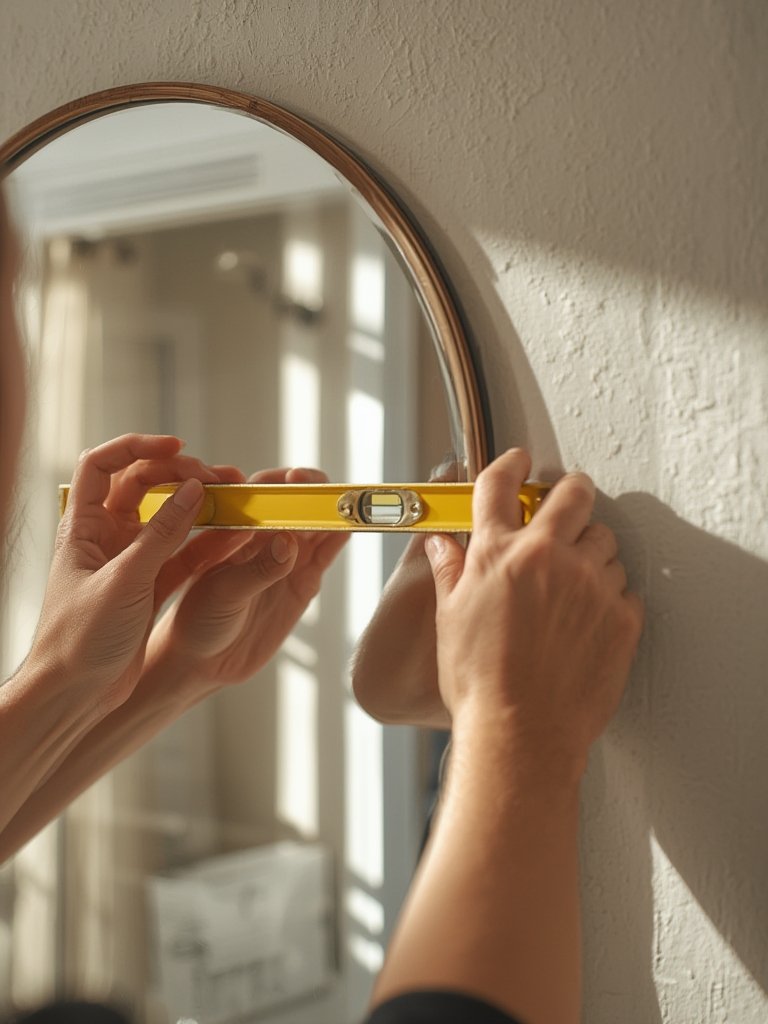
When planning your layout, remember that mirrors are only one ingredient in a successful room recipe. For example, integrating an arched mirror with natural light and cohesive textures delivers the high-impact “Instagram moment” today’s users crave, as explored in the latest AR-mirror marketing trends.
Advanced Analysis & Common Pitfalls When Using Arched Mirrors
While arched mirrors are popular and on trend, real-world use brings practical challenges. These can’t be overlooked or you risk safety issues, wasted money, or poor results.
Most Common Pitfalls
- Poor installation: Leaning a heavy mirror unsecured can cause tip-overs, posing real risks especially in homes with pets or kids.
- Size mismatch: Too-small mirrors look lost on a large wall; oversized pieces crowd circulation paths, especially in narrow halls.
- Distortion or glare: Low-grade glass may warp or give funhouse reflections—especially on tall or budget arched mirrors.
- Frame quality: Thin plastic or MDF frames—not reinforced—may crack or split over time, undermining safety.
- Difficult returns: Mirrors are heavy and fragile; buying the wrong size or shape often leads to complicated (and costly) returns.
Comparison Table: High-Quality vs Budget Arched Mirrors
| Feature | High-Quality Arched Mirror | Budget Arched Mirror |
|---|---|---|
| Frame Material | Aluminum, solid wood, reinforced | MDF, plastic, thin veneer |
| Glass Clarity | Lead-free, ≥5mm thick, minimal distortion | Standard, 3-4mm thick, visible distortion |
| Weight | Heavier (20-50 lbs+) | Lighter (10-25 lbs) |
| Finish Options | Wide selection: black, gold, bronze, specialty | Limited (often black or white only) |
| Typical Price Range | $250-$700+ | $70-$220 |
| Durability | Long-term, repairable | May warp, dent, or break under light impact |
| Best Use | Main living areas, open rooms, permanent installs | Temporary setups, rentals, light-traffic zones |
For challenging installs, consider modular solutions or professional help—especially for oversized, wall-hung arches in homes with kids. Need permanent and safe installation tips for high-value upgrades? See smart garage door opener installation tips for parallels in secure mounting and tech-friendly home improvements.
Conclusion: Elevate Your Space With Arched Mirrors
With strategic placement and smart choices, an arched mirror can upgrade your home’s look and feel—expanding light, visually enlarging rooms, and giving you the perfect shot every time. Remember to measure, plan for safety, and invest in quality where it counts. Whether you aim for Insta-worthy style or daily practical value, the arched mirror is a proven choice for 2024 and beyond. Ready for a more beautiful, functional home? Try these actionable tips and watch the transformation.
For more space-lifting ideas, discover how enclosed porch conversions or seamless indoor-outdoor designs maximize natural light alongside your curated mirror display.
FAQ: Arched Mirror Shopping and Styling
What size arched mirror should I choose for a small entryway?
For narrow spaces, select an arched mirror no wider than one-third of your wall. Standard heights of 36-48 inches work best. Always measure both wall and floor clearance before buying.
How can renters safely install large arched mirrors?
Renters should use anti-tip straps or stand mirrors securely against the wall. Avoid drilling holes; opt for non-invasive mounting kits designed for drywall, and always check with your landlord first.
Do arched mirrors really make rooms look bigger?
Yes, when placed opposite a window or used as a focal point, arched mirrors reflect light and views—visually expanding even small rooms. Strategic styling enhances this effect.
What is the best frame material for durability?
Aluminum or solid hardwood frames offer the best strength and stability. Avoid thin MDF or plastic frames for high-traffic or long-term areas.
Are floor arched mirrors safe for homes with kids and pets?
Yes—if you secure the top to the wall with anti-tip kits and avoid placing mirrors where children or pets play. Do not leave heavy mirrors fully freestanding in busy spaces.
—