

Biophilic design living room ideas are transforming home interiors in 2024 by blending nature, wellness, and style. Homeowners today are seeking more than aesthetics—they want living spaces that support mental health and everyday wellbeing.
Key Takeaways
- Biophilic living rooms reduce stress and boost mood, attention, and comfort, according to new scientific research.
- Common hurdles include low natural light, plant maintenance, and unclear costs, but these can be solved with intentional planning.
- True results come from integrating several biophilic elements—not just one or two standalone decor changes.
- What Is Biophilic Design in Living Rooms?
- How to Implement a Biophilic Living Room: Step-by-Step
- Real-World Challenges and Common Pitfalls
- Conclusion
- FAQ
What Is Biophilic Design in Living Rooms?
Biophilic design in the living room involves creating a space that connects you with nature. This is achieved with indoor plants, organic materials such as wood and stone, earthy color palettes, natural lighting, and shapes or textures reminiscent of the outdoors. The goal: boost daily wellbeing, reduce stress, and foster a natural sense of calm [Global Wellness Institute].
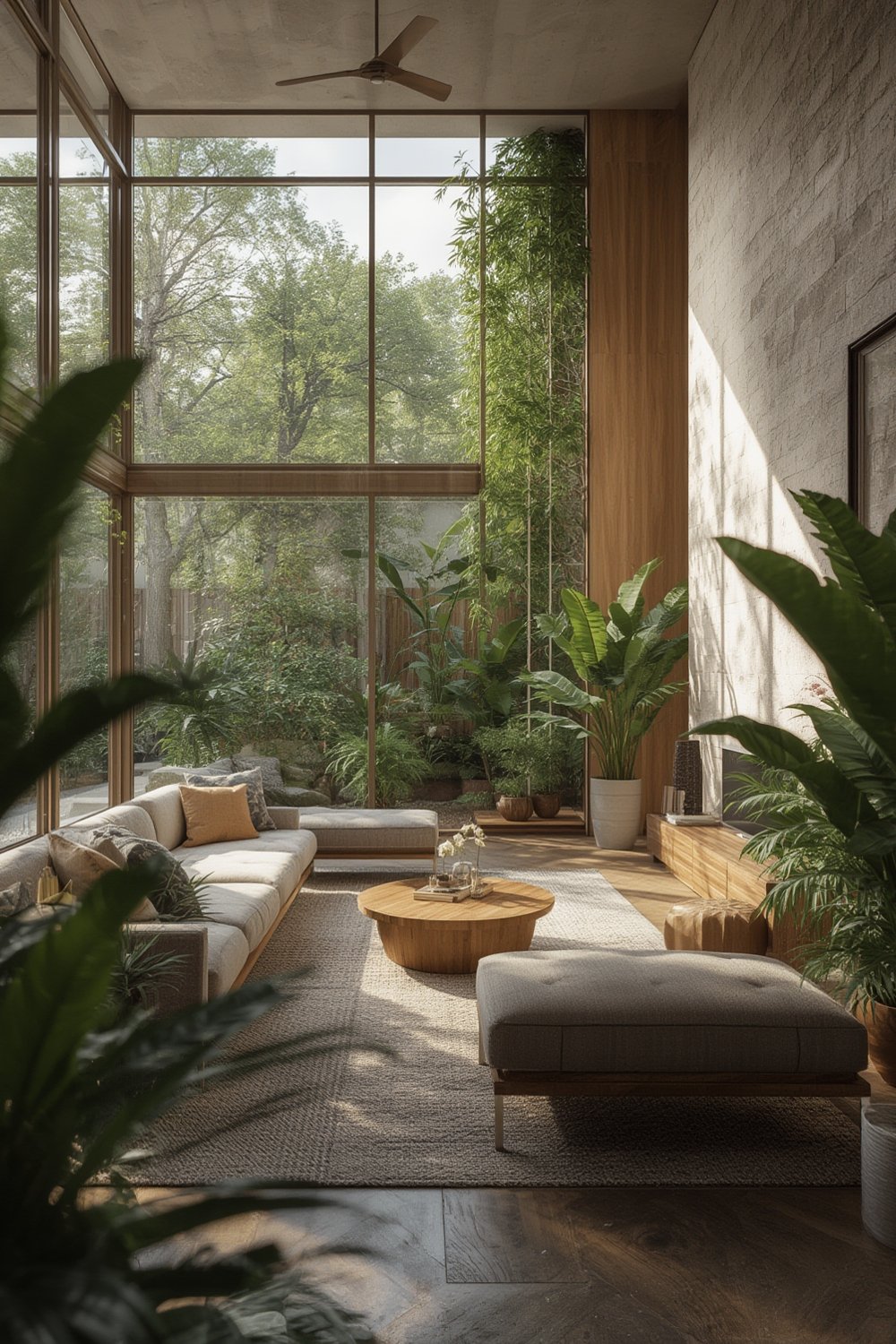
Current evidence shows living rooms using biophilic design can lower anxiety, increase focus, and improve mood. A 2024 review found that layering elements—like live plants, daylight access, and wood or stone surfaces—has the biggest wellness payoff. Even indirect cues (such as patterns that emulate leaves) can restore attention levels and encourage relaxation [NCBI Study 2024].
For practical, at-home examples, see our articles on best low-light indoor plants, earth tone living room ideas, and decor with natural textures.
How to Implement a Biophilic Living Room: Step-by-Step
Achieving a biophilic design living room is not about throwing a few plants onto a shelf. Think holistic. Here are the core steps to get you on the right track, even if your space or budget is limited.
- Assess and Map Out Your Space
Measure light availability, humidity, and existing furniture layouts. If you struggle with light, consider shade-tolerant indoor plants as outlined in our low light plants guide. - Prioritize Plants That Thrive Indoors
Select easy-care options like snake plants, pothos, or ZZ plants for durability. For maintenance tips, see our indoor plant care article. - Incorporate Natural Materials
Furniture or decor in wood, bamboo, rattan, or unpolished stone adds authentic texture. Even a reclaimed wood coffee table can ground your living room in nature. - Layer Earthy Color Palettes
Go for muted greens, warm browns, sand tones, or deep blues on walls, rugs, and throws for a restful yet invigorating atmosphere. - Enhance with Natural Light and Airflow
Consider swapping heavy curtains for sheer fabrics to let daylight in. If you’re on a budget, rearrange seating so everyday traffic flows alongside windows. - Add Nature Analogue Patterns & Shapes
Pillows, wallpapers, or ceramic pieces that mimic leaves, ripples, or branching forms subtly reinforce the biophilic effect. - Finish with Multisensory Touches
Use nature-inspired sounds (digital or real water features) or calming scents derived from natural oils (think cedar or eucalyptus candles).
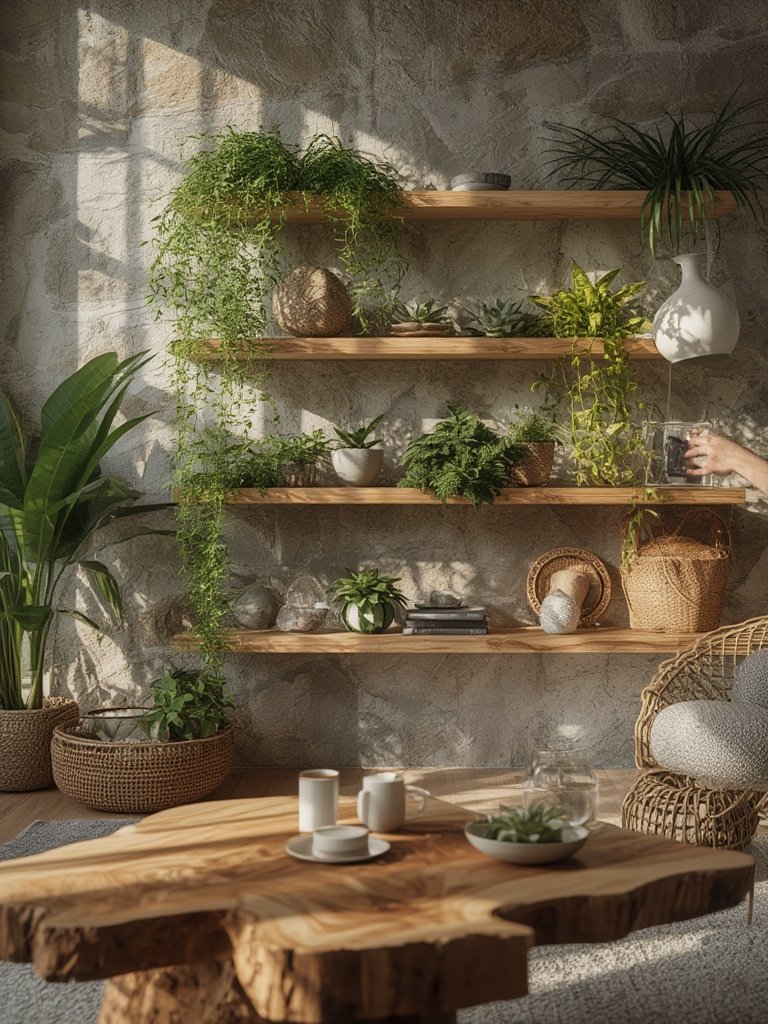
If you’re hiring a designer, look for professionals focused on sustainability, such as WELL or LEED-accredited consultants. Costs can vary widely, as there is little available 2024 data, but you can save by DIY-ing decor upgrades and choosing locally-sourced materials.
Real-World Challenges and Common Pitfalls
Implementing a biophilic design living room sounds simple. In reality, there are practical barriers you need to be aware of:
- Lack of Natural Light: Many apartments or north-facing rooms have poor sunlight. This challenges plant growth and limits daylight benefits.
- Plant Maintenance: Some indoor plants require consistent care. Overwatering, pests, allergies, or pet toxicity concerns can arise. For solutions, see pet-safe houseplant options and our maintenance guides.
- Budget Constraints: Quality plants and genuine materials can be pricey, especially from eco-focused retailers. Costs for a fully integrated biophilic living room in 2024 are still unreported in research [Michaels Homes 2024].
- Long-Term Commitment: Keeping plants and materials healthy requires regular attention. Many homeowners lose interest after the initial excitement wears off.
- Unrealistic Expectations: One or two themed items will not provide full benefits; you need at least a handful of biophilic elements working together to see real changes [NCBI 2024].
- Lack of Data/Guidance: Surprisingly, there are few expert-backed, step-by-step guides, and homeowners have to rely on trial and error.
| Pitfall | Easy Fixes | What Not to Do |
|---|---|---|
| Too little light for plants | Use low-light species, supplement with grow bulbs, place mirrors strategically | Avoid sun-loving, high-maintenance plants if your home is dim |
| High cost of natural decor | DIY small upgrades, buy second-hand, use sustainable local sources | Don’t overspend on rare live-edge tables or large installations if you’re on a budget |
| Plant care burnout | Choose tough, low-maintenance species, use self-watering pots, set reminders | Don’t go overboard with rare or fussy plants |
| Poor integration with tech | Use smart home sensors for light/watering, automate shades and airflow | Don’t isolate tech from nature—blend their use for dynamic biophilic effects |
Conclusion
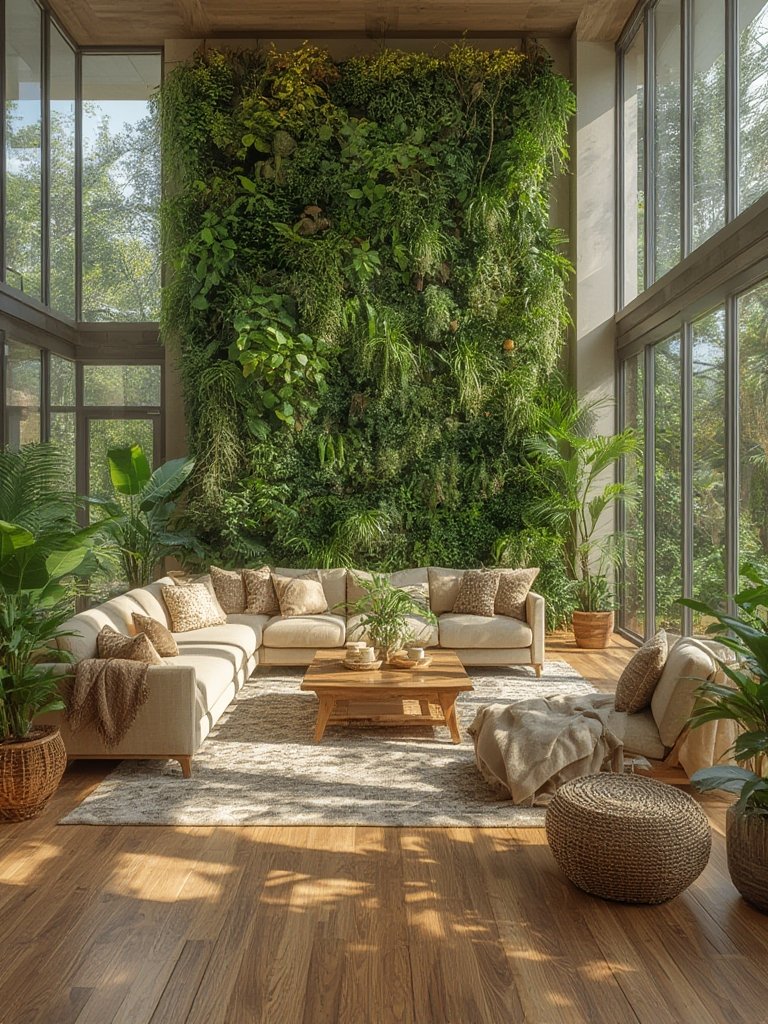
Bringing the principles of biophilic design into your living room can deliver measurable improvements to your mood and wellbeing. The most successful transformations come from thoughtfully layering natural materials, light, color, and living elements. While challenges like lighting, cost, and long-term maintenance are real, they can be addressed with careful planning and the right mix of plant and decor choices. For more inspiration, check out our biophilic home office and nature-inspired bedroom ideas. Start today and experience the restorative power of a biophilic design living room. Ready to elevate your space? Browse our product guides or schedule a consult with our team.
FAQ
Does a biophilic design living room improve mental health?
Yes. Studies show that living rooms with biophilic features—plants, natural light, and materials—reduce stress, improve mood, and support focus. See the research.
How can I create a biophilic living room on a tight budget?
Prioritize a few resilient plants, use secondhand wood furniture, and add nature-inspired textiles. Mirrors to reflect light and simple DIY upgrades make a big difference without a major investment.
Which colors work best for a biophilic living room?
Natural colors like deep green, terracotta, sand, beige, and muted blue create harmony and relaxation. Combine these with organic textures for best results.
What are the most common mistakes in biophilic living rooms?
Overloading on plants that need sun in dark rooms, ignoring plant care needs, and using only superficial elements (like just a leafy pillow) without layering other aspects.
How do I maintain plants if I travel a lot?
Choose drought-tolerant species, use self-watering planters, and ask a neighbor for occasional watering. Consider plant-sitter or smart irrigation systems for extended absences.