

### Blog Post:
Curved furniture and architecture are reshaping interiors in 2024, fueling a major design shift toward softer, organic shapes in both homes and commercial environments. The look is everywhere—arched doorways, rounded sofas, sculptural tables—and it’s changing the way we think about space, comfort, and flow. But there’s more beneath the trend: real challenges, practical solutions, and hidden pitfalls most articles overlook. Here’s what you need to know to get it right.
Key Takeaways
- Curved furniture and architecture dominate 2024’s top design trends, offering inviting, organic aesthetics across both residential and (increasingly) commercial spaces.
- Curved elements require specialized planning for size, placement, and materials—neglecting these risks cramped layouts, mismatched textiles, and increased maintenance.
- Durability, cleaning, and large-scale integration remain underexplored—the practical aspects matter as much as style when choosing rounded forms for any project.
- The Core Concept: What and Why of Curved Furniture and Architecture
- Step-by-Step Guide: How to Integrate Curved Furniture and Architecture
- Advanced Analysis & Common Pitfalls
- Conclusion: Should You Embrace Curved Furniture and Architecture?
- FAQ: Curved Furniture and Architecture
The Core Concept: What and Why of Curved Furniture and Architecture
Curved furniture and architecture describe the movement toward soft, rounded forms and organic shapes in interior and exterior design. In 2024, the focus on curves has evolved into a signature feature: think sinuous sofas, oval dining tables, archways, circular rugs, and cabinetry with fluted or beveled edges. This curved approach creates flow, breaks up boxy rooms, and brings a sense of calm and invitation that sharp corners often lack.
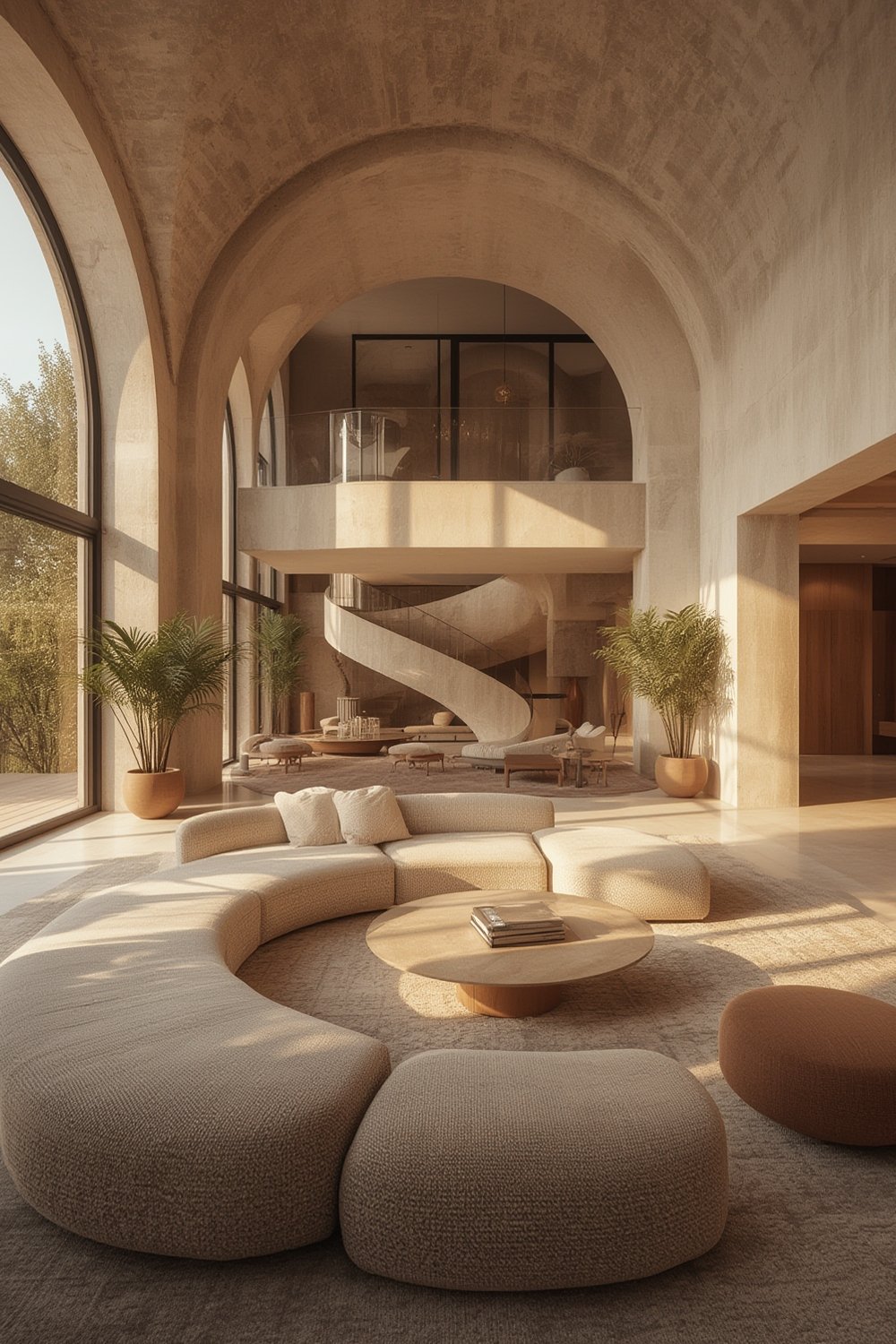
Several leading sources announce curves as a “macro trend” with “staying power,” dominating features in living rooms, bedrooms, kitchens, and office environments (Livabl; Dkor Interiors). While hard numbers are scarce, designers and retailers agree: the demand for curved pieces is at an all-time high, and the effect is visible from showrooms to new builds.
Why do curves matter so much? Soft shapes make a room feel more welcoming, reduce visual clutter, and create areas that promote conversation and relaxation. Curved furniture removes the risk of sharp corners, making them safer for children and more fluid for high-traffic rooms (Rlowell). There’s even a theory that our brains naturally enjoy circular forms, leading to spaces that feel instinctively comfortable.
If you’re exploring a biophilic design living room or want architecture that maximizes flow, integrating curves is a strong strategy for creating organic, tranquil environments.
Step-by-Step Guide: How to Integrate Curved Furniture and Architecture
Adopting curved furniture and architecture requires intentional choices and attention to your space’s unique needs. Here’s how to get it right from concept to completion:
- Measure and Assess Your Space
Don’t guess—precisely measure room dimensions, notable features, and intended traffic flow before shopping. Curved pieces often have wider bases and projections compared to angular options, so check for ample clearance on all sides. - Select the Right Curved Element
Focus on one or two anchor pieces per space. Sofas, dining tables, accent chairs, or arches offer the most impact. For example, an oval or round dining table eases traffic in narrow rooms. - Choose Suitable Materials and Fabrics
Textured fabrics—bouclé, chenille, heavy weaves—hide seams and minimize the challenge of pattern-matching on curves (Livabl). For custom cabinetry or architectural elements, opt for woods or stones that respond well to shaping and finishing. - Plan for Installation and Circulation
Avoid pushing curved sofas or tables against walls; allow at least 18–24 inches of space behind each arc for easy movement and cleaning access. For architectural arches and curved doorways, consult a contractor to confirm wall structure and load-bearing requirements. - Prioritize Lighting and Adjacent Features
Curved forms benefit from well-placed, soft lighting—think wall-washers, uplighting coves, or pendant fixtures that echo gentle arcs. Avoid cluttering nearby corners with sharp, contrasting silhouettes. - Maintain and Protect
Regularly vacuum or brush textured fabrics. Use mild cleaners or specialist products for curves and organic finishes. Promptly address spills on upholstered curves to avoid stains lodging in seams.
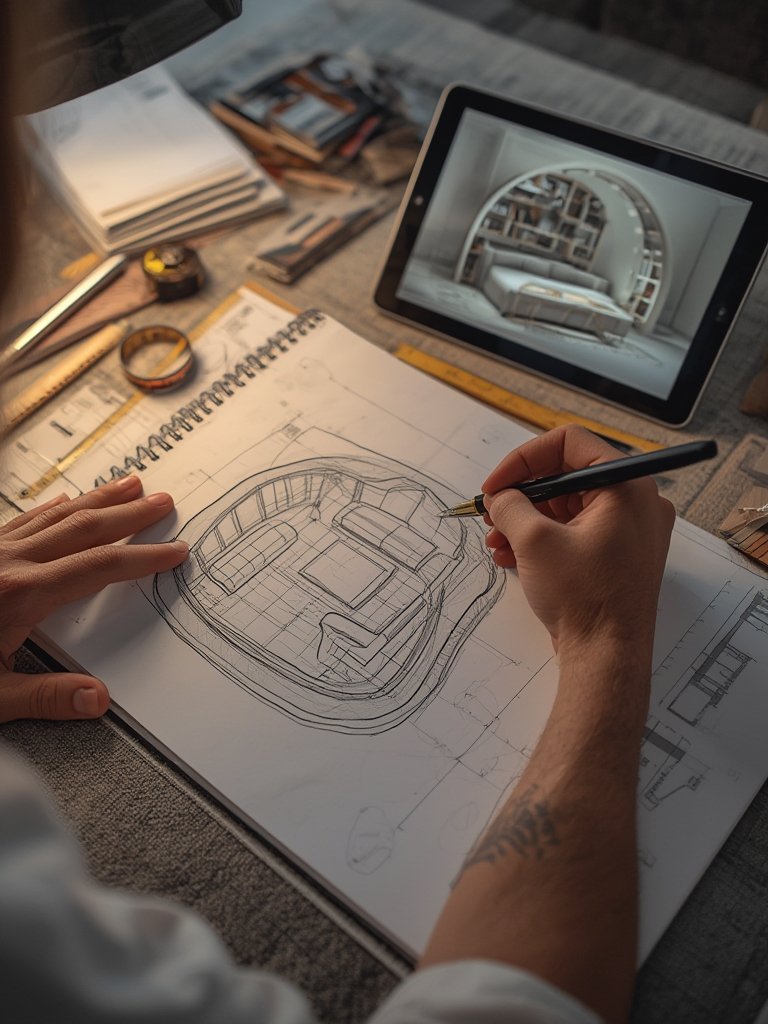
For further inspiration on blending curved forms with seamless spaces, check out our guide on indoor outdoor living space design. Round edges and arches can also boost natural light and make spaces feel more connected.
Thinking about integrating curves into functional rooms? Explore multi-functional home office guest room ideas and quiet minimalism home design to see how subtle curves can declutter and bring calm to hybrid spaces.
Advanced Analysis & Common Pitfalls
While curved furniture and architecture look stunning, several practical issues crop up before and after installation:
- Space Planning Is Critical: Curved pieces are bulkier than angular equivalents. Misjudging clearance leads to cramped layouts, blocked walkways, and wasted investment.
- Difficult Fabric Matching: Bold patterns are hard to align on curves, leading to visible seams. Stick to textured, solid fabrics or risk messy visuals and increased upholstery costs.
- Maintenance and Cleaning: Rounded upholstery attracts dust and debris along seams. Arched doorways and curved cabinetry may be harder to dust and clean, especially at the base or in areas with intricate fluting.
- Durability Concerns: Long-term wear on curved edges, especially in high-traffic spaces, is rarely discussed. Materials like boucle may show pilling or matting faster on tight curves compared to flat surfaces.
- Cost Factors: Custom and handcrafted curves incur higher labor and sourcing expenses than factory-produced angular pieces. No direct price ratios exist, but expect to pay a premium for most authentic curved installations (BayWindow).
- Scalability Gaps: Most use cases focus on residential homes. There’s little evidence about efficiency or cost-performance tradeoffs for integrating curves into commercial or high-traffic buildings.
- Lack of Scientific Backing for Wellness Claims: While many articles praise the calming and social benefits of curves, scientific research is lacking. Psychological benefits are largely anecdotal (Rlowell).
- Material Innovation Is Limited: As of 2024, true advances in material science or accessible digital fabrication for curves are rare. Most rounded forms rely on traditional handcraft or specialty CNC machining—still costlier than angular mass production.
| Feature | Curved Design | Angular Design |
|---|---|---|
| Space Requirement | Higher—needs clearance around curves | Lower—can be placed flush to walls |
| Cost (Typical) | Moderate to High (custom, handcraft) | Lower–Mass produced, more options |
| Material/Fabric Options | Best with textured solids (fewer patterns) | Wide range, including bold patterns |
| Cleaning/Maintenance | Can be tricky (dust in seams/curves) | Easier (flat surfaces, right angles) |
| Durability | Untested for high-traffic/longevity | Established; more usage data exists |
| Scalability | Mostly residential; commercial use not well explored | Proven for both residential and commercial |
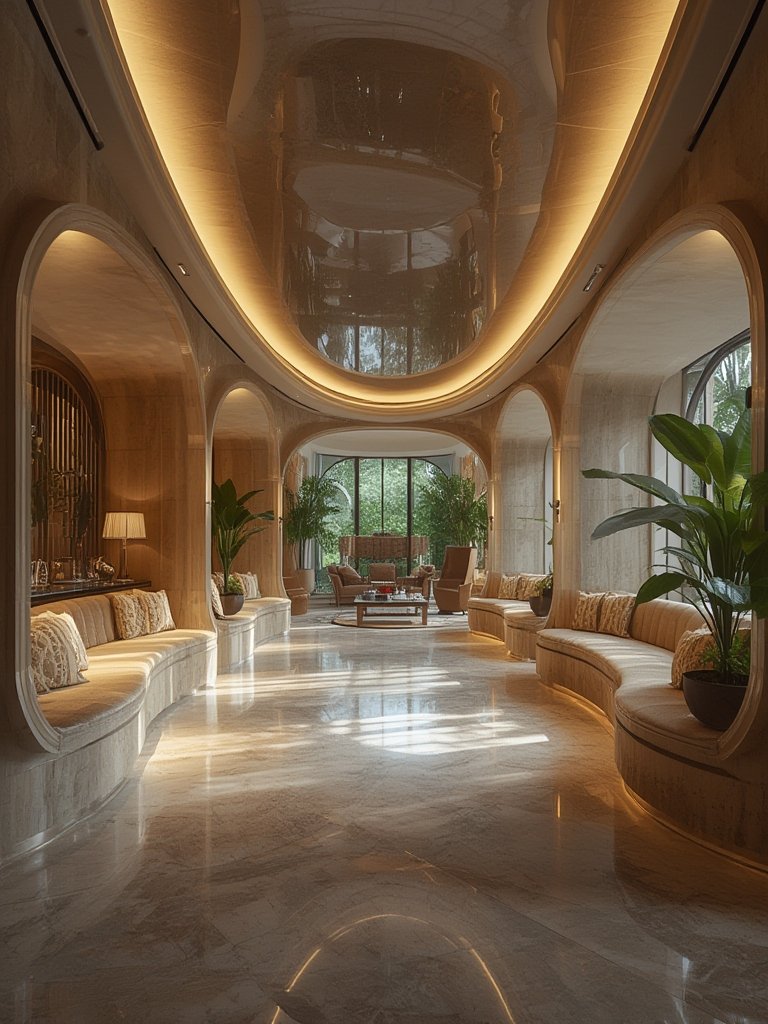
For similar real-world integration challenges, see how combining porch sunroom conversion or kitchen storage upgrades with softened forms can maximize utility without sacrificing style.
One more consideration: despite the renewed focus, no notable buildings or commercial flagships have yet put curved furniture and architecture at the center of their design in the past five years. What you see in glossy spreads is, for now, mostly residential experimentation and trade-show prototypes (Dkor Interiors).
Conclusion: Should You Embrace Curved Furniture and Architecture?
Curved furniture and architecture deliver a memorable, organic look—and in 2024, they are here to stay. Yet, integrating curves is about more than style. Thorough planning, careful material selection, and realistic expectations around durability and maintenance are crucial. For those prioritizing softness, flow, and conversation-ready spaces, the rewards are substantial.
Want to see more trend-forward ideas? Explore our resources on quiet minimalism, biophilic living rooms, and accent wall inspiration to help you decide how curved elements might best fit your project.
Ready to update your space? Start planning with the latest insights in curved furniture and architecture—and create interiors that flow, invite, and inspire for years to come.
FAQ: Curved Furniture and Architecture
What is the main benefit of using curved furniture and architecture?
Curved pieces bring a softer, more inviting atmosphere to interiors, promote flow, and reduce risk from sharp corners. They can make rooms feel larger and more natural, especially in open-concept homes.
Are curved sofas harder to clean than traditional sofas?
Yes. Curved upholstery collects dust and crumbs in seams, especially around the base and back. It’s important to vacuum regularly with an upholstery attachment and use fabric protectants designed for textured materials.
Is curved furniture suitable for small spaces?
It depends. Curved pieces can work well in small rooms as long as you plan for circulation space. Modular curves or smaller accent pieces often fit better than large, sculptural sofas.
Does curved furniture or architecture cost more than traditional options?
Generally, yes. Most curves require custom fabrication or specialist craftsmanship not needed for square forms, which raises prices. However, some mass-market brands now offer affordable curves in limited styles.
Are there any major durability or longevity issues with curved furniture?
This is underexplored. While some materials like boucle wear quickly with heavy use on curves, data is limited. Until more testing emerges, treat curves as accent or moderate-use features if longevity is critical.