

### Blog Post:
Fluted furniture has quickly moved from specialist design catalogs into mainstream residential and commercial interiors. If you’re considering ribbed cabinetry, grooved panels, or vertical channel details for your next space, it pays to understand what’s trending—plus the real challenges, best materials, and what actually works in the long term.
Key Takeaways
- Fluted furniture delivers dramatic texture and architectural interest but comes with specific installation and maintenance concerns.
- Design excess, acoustic issues, and durability of ribbed details have caused some experts to predict a decline in fluting’s popularity post-2024.
- Most competitor articles miss key points like technical specifications, long-term material performance, and real-world cost breakdowns.
- What Is Fluted Furniture and Why Is It Popular?
- Step-By-Step Guide: Planning and Using Fluted Panels in Real Life
- Advanced Analysis: Pitfalls, Acoustic Woes, and Hidden Challenges
- Conclusion
- FAQs About Fluted Furniture
What Is Fluted Furniture and Why Is It Popular?
Fluted furniture refers to cabinets, drawers, islands, headboards, and other pieces with repeating ribbed or grooved surfaces—most commonly using vertical channeling. This tactile detail, inspired by classical architecture (think Greco-Roman columns), reemerged in late 2022 as a response to the “flat pack fatigue” of minimalist and modular furnishings. The trending look appeared pervasive at the Spring 2024 High Point Market, alongside curvy and organically earthy furniture forms.
Homeowners and designers alike love fluted furniture for its ability to add depth and movement to both modern and traditional spaces. Manufacturers offer ribbed surfaces in MDF, solid wood, composites, metal, and even glass. The look works for accent credenzas, kitchens, bathroom vanities, and even biophilic spaces when paired with natural wood finishes.
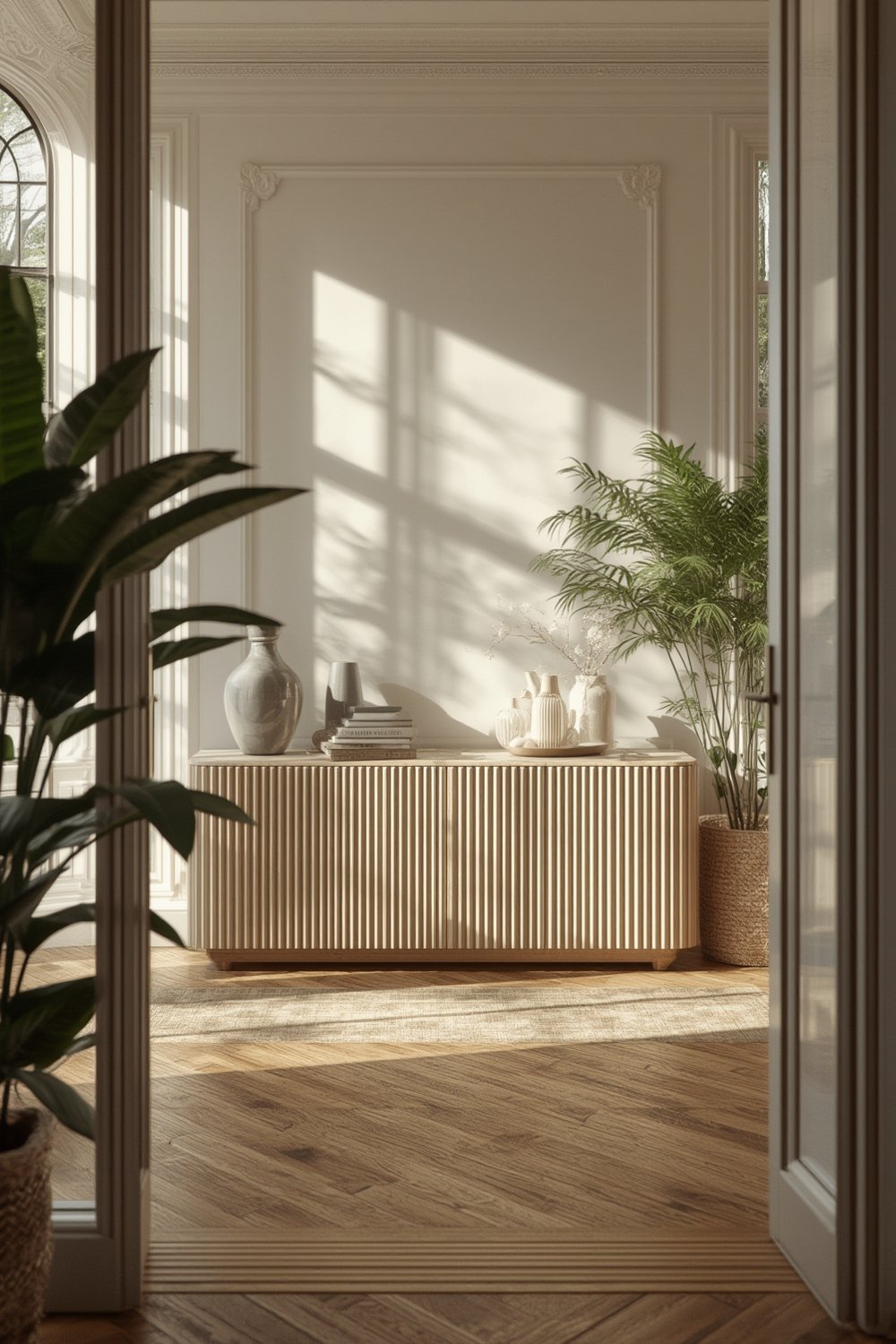
Unlike purely smooth fronts, fluting draws the eye and breaks up “boxy” cabinetry. It’s also cropping up in more specialized design trends—see how biophilic design uses ribbed wooden profiles for organic tactility or explore visual warmth in quiet minimalism spaces.
But fluted profiles are not just about style. They can hide fingerprints, conceal minor dents, and redirect lighting beautifully. However, this heavily textured trend is not without its drawbacks—especially when overused or incorrectly installed.
Step-By-Step Guide: Planning and Using Fluted Panels in Real Life
If you’re ready to integrate fluted details into your home or commercial project, skip the generic inspiration posts. Here’s a hands-on guide tackling what most content skips—the practicalities that make or break success with fluted panels and ribbed cabinetry.
- Assess Room Function and Acoustics
Before you specify fluting: high-relief grooves amplify sound reflection. In offices, media rooms, or minimalist living areas, limit fluted panels to avoid making the space feel “live” or echo-prone. Consider hidden storage or smooth fronts for acoustic comfort. - Select Appropriate Materials
Oak and other hardwoods outperform MDF for durability, especially on cabinet doors that see daily use. For bathrooms or any wet zones, choose sealed composites or moisture-resistant MDF. Metal fluted accents look modern but can dent; glass ribbing is purely decorative and prone to fingerprint smudges. - Determine Groove Depth and Spacing
The most elegant fluted furniture uses low-relief channels (about 5–8 mm deep), which are easier to clean and less likely to trap dirt. High-relief ribs (10–15 mm+) may feel overbearing if applied across entire wall runs or large kitchen islands. Always request a sample before finalizing your design. - Plan Installation and Finishing
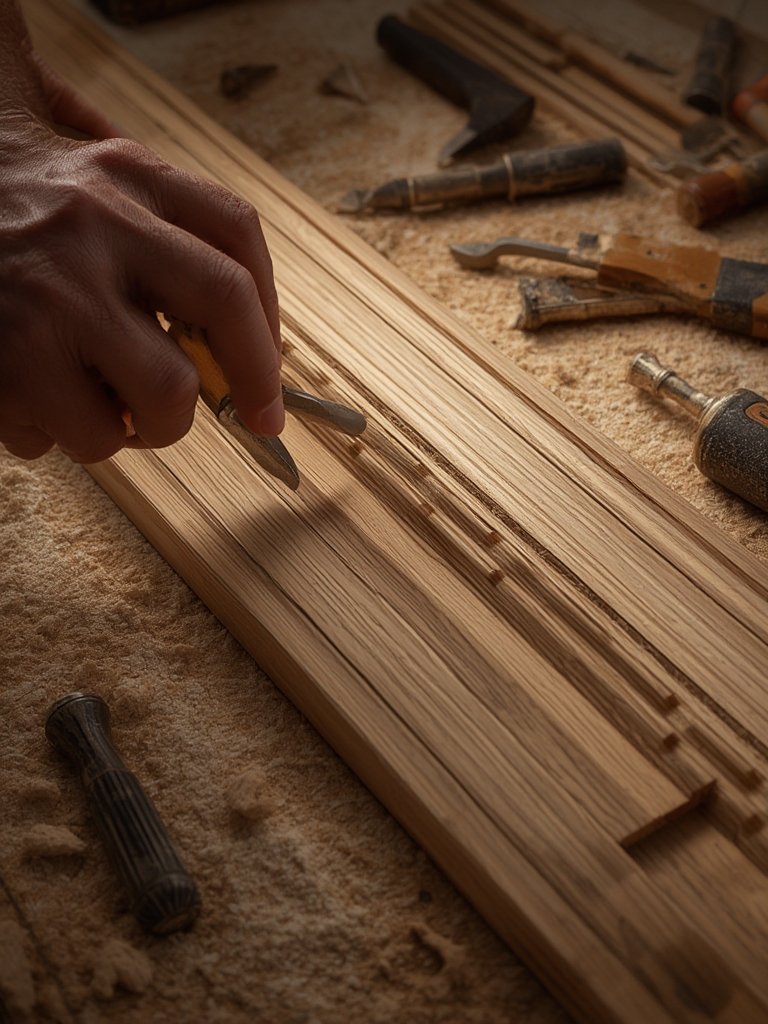
Full panel fluting requires skilled joinery or CNC routing for crisp, even grooves. Expect higher labor time—fluted panels cost more in finishing than flat fronts. For DIYers, modular overlay panels are now widely available. Just ensure good edge sealing to prevent moisture damage. - Budget Realistically
As of 2024, there’s no reliable data for cost per linear foot of fluted cabinetry. However, expect a premium over standard panels due to the additional machining and increased finishing labor. Plan for at least 20-40% more investment versus plain MDF or plywood cabinetry. Factor in additional cleaning time for vertical channels.
- Maintenance and Cleaning
Ribbed surfaces trap dust more than flat ones. Use a soft brush attachment on your vacuum or a microfiber cloth weekly. For sticky spills (especially on kitchen islands or bathroom vanities), a narrow cleaning brush helps clean between the channels. - Reversible and Sustainable Approaches
If you’re worried about trend fatigue, consider using fluted furniture as movable pieces (like consoles or buffets) instead of committing to full fixed installations. This works hand-in-hand with primary trends like free-standing furniture for easy flexibility and future-proofing.
For project inspiration, notice how top-performing modular sofas incorporate ribbed channeling for texture alongside user-friendly maintenance. Discover more about this in modular sectional sofa trends and why flexible furniture is surging.
Advanced Analysis: Pitfalls, Acoustic Woes, and Hidden Challenges
The mainstreaming of fluted furniture isn’t all positive. Research and expert commentary highlight specific pitfalls both homeowners and pros need to consider before moving forward.
| Issue | Details & Risks | How to Avoid |
|---|---|---|
| Excessive Acoustic Reflection | Designers warn that too much fluting can cause a room to “hum” or feel acoustically sharp, especially when used on wall-to-wall millwork or in open-plan spaces. Source | Break up fluted runs with smooth surfaces, fabric panels, or softer elements; focus on low-relief fluting where sound reflection is a concern. |
| Overuse and Trend Fatigue | Some experts predict fluted panels will rapidly fade as a micro-trend due to mass adoption by big-box retailers and IG-driven repetition. Source | Limit fluting to accent pieces or unique areas; opt for reversible installations to update easily. |
| Cleaning Challenges | Grooves collect dust, crumbs, and pet hair, leading to more frequent—sometimes tedious—cleaning requirements. | Use low-relief fluting; reserve deep channels for minimal-contact zones. Regular soft brushing keeps grooves clean. |
| Material Selection | MDF is affordable but can swell with moisture and damage at edges if not fully sealed. Metal can feel cold and dent; hardwood is durable but more expensive. Source | Specify water-resistant panels in kitchens and baths; confirm quality of sealants and finishes pre-installation. |
| No Reliable Cost Data | 2024 market reporting does not offer linear foot pricing or labor benchmarks for fluted panels. Budget swings widely, especially with bespoke work or imported pieces. | Request bids from multiple trades, clarify whether the cost is per panel or per finished piece, and include finishing/paint in quotes. Review cost strategies similar to those in home charger installation cost guides. |
Some pros also note that patents or manufacturing innovations for fluted panels remain scarce. New techniques like modular overlays and CNC pre-made grooves are evolving, but as of late 2024, there are no widely cited patent filings or major leapfrogs in production efficiency—so hand-finished work can drive up labor costs.
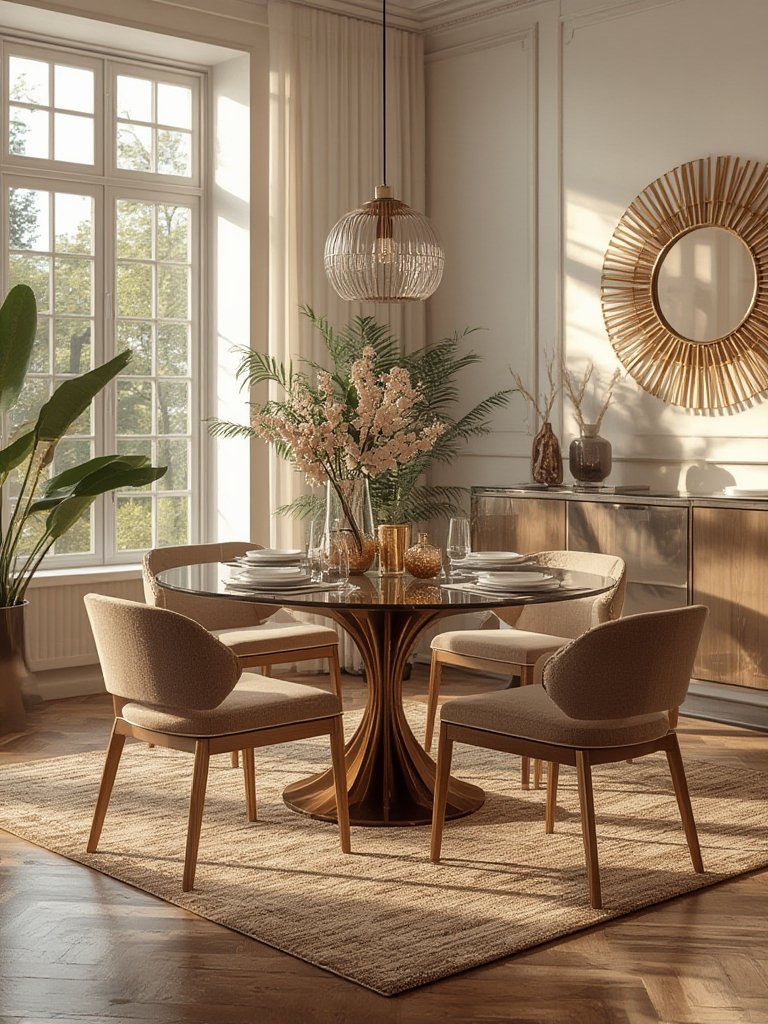
Finally, material breakdowns are still sorely lacking in most published guides. While wooden furniture as a share of the U.S. market is up for its durability, the best performance for fluted surfaces will depend on the exact environment and profile—a crucial but often missed detail.
For inspiration on mixing tactile details while avoiding a cold, unwelcoming vibe, explore current trends in corduroy upholstery and why layered textures matter.
Conclusion
Fluted furniture delivers strong architectural impact and works beautifully as an accent or focal point when used intentionally. But it’s not as low-maintenance or future-proof as flat cabinetry—consider acoustics, cleaning, real installation costs, and the risk of trend fatigue.
If you want a sophisticated, tactile look that elevates your interior, fluted furniture is still worth exploring in 2024—especially in movable pieces or areas where you can update the look with minimal hassle. Always prioritize the best materials and modest groove depth for long-term performance. Ready to bring this trend into your home sustainably and smartly? Start planning your fluted upgrade with a clear budget and maintenance plan, or consult a local expert for custom advice.
FAQs About Fluted Furniture
Is fluted furniture hard to keep clean?
It collects more dust than flat surfaces, so expect to use a soft brush vacuum attachment or microfiber cloth weekly. For persistent grime or in kitchen applications, use a narrow cleaning brush. Low-relief grooves are much easier to maintain than deep channels.
Is fluted furniture just a passing trend?
While fluted profiles surged in popularity and were highly visible at the 2024 High Point Market, many experts predict overuse could cause its decline by 2025. Using fluted details in moderation or on movable furniture helps avoid trend fatigue.
What’s the best material for fluted cabinetry or panels?
Solid hardwoods like oak and walnut offer the best durability, especially in high-traffic areas. Moisture-resistant MDF or quality composites are ok for budget-friendly projects but must be sealed thoroughly in kitchens and baths. Metal and glass are best for accent features, not everyday surfaces.
Does fluted furniture absorb or reflect sound?
Fluted profiles—especially in high relief—often reflect sound, making rooms feel livelier and sometimes causing acoustic “hum.” Limit fluted surfaces in spaces where quiet or sound absorption is important.
Can I add fluted details to existing furniture?
Yes. Peel-and-stick fluted panels or custom overlays can be attached to flat front furniture or cabinets, making it a renter-friendly, non-permanent update. Be sure to check for firmness and avoid applying to damp-prone surfaces.