

Free-standing furniture is changing the way kitchens and living spaces are designed in 2024, offering flexibility, personal style, and a practical answer to evolving lifestyles. As home layouts, budgets, and design tastes adapt, the debate between unfitted, movable pieces and conventional built-ins grows sharper—yet realistic advice on how to succeed with this trend is surprisingly hard to find.
Key Takeaways
- Free-standing furniture gives homeowners more flexibility to adapt their space, move pieces as needed, and add character.
- There is a lack of clear data on cost, durability, and user complaints, so careful planning is key.
- Latest trends blend antique and new, focusing on customization and cozy, lived-in aesthetics.
- The Core Concept: What Makes Free-Standing Furniture Different?
- Step-by-Step Guide: How to Add Free-Standing Furniture to Your Kitchen
- Advanced Analysis & Common Pitfalls
- Conclusion
- FAQ
The Core Concept: What Makes Free-Standing Furniture Different?
Free-standing furniture, sometimes called unfitted or movable furniture, consists of stand-alone pieces such as hutches, islands on wheels, larders, armoires, or vintage dressers that are not anchored to the wall or floor. In the kitchen, this approach often means mixing these unfitted elements with a small run of built-in cabinetry, typically along a single wall. The result combines the adaptability of movable items with targeted built-in storage for efficiency.
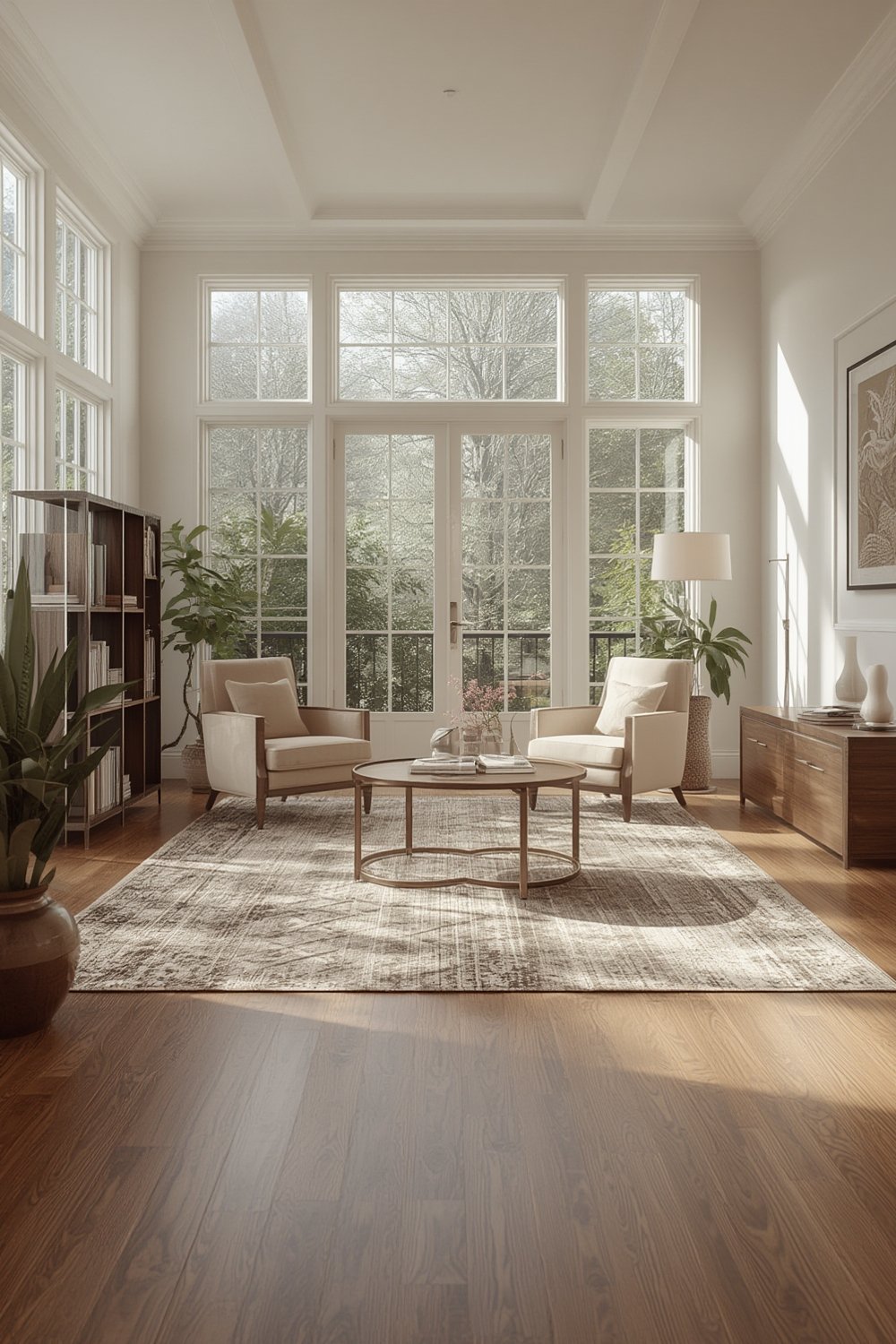
Why choose this method? Unlike traditional fitted kitchens, free-standing furniture allows you to adjust your layout as your needs or family changes. You might expand your workspace by adding a butcher block island, or bring in more warmth with a reclaimed wood hutch. Because these pieces are not fixed in place, they are also ideal for older homes, apartments, or situations where flexibility is essential—such as rentals or when you anticipate moving soon.
This flexibility comes with a design advantage: mixing new and antique pieces creates a collected, lived-in feel, rather than the uniform look of standard kitchens. In fact, according to Country Living and industry sources, the unfitted kitchen is one of the key trends of 2024–2025, reflecting British and European influences where character is prioritized over strict uniformity.
However, free-standing furniture is still often combined with limited, modern built-ins for key functions—think sinks or ranges—so it’s rarely an all-or-nothing decision. For a successful transition, understanding when and how to use both types is essential.
Step-by-Step Guide: How to Add Free-Standing Furniture to Your Kitchen
Transforming your kitchen or living area with free-standing furniture is achievable for nearly any homeowner. Here’s a realistic—and actionable—plan:
- Assess your existing layout and storage needs.
Identify pain points: Do you lack pantry space? Need more countertop area? Want a cozy eat-in space that doesn’t require major remodeling? - Choose which built-ins to keep or remove.
Almost all successful free-standing kitchen designs blend a small section of cabinetry—often where the sink or dishwasher lives—with standalone pieces elsewhere. - Hunt for the perfect freestanding pieces.
Look for antique hutches, larders, farmhouse tables, carts on casters, or vintage buffets at flea markets, online auctions, and big box stores. Matching is not the goal; character is. - Customize for function (and beauty).
Add shelves, paint, new hardware, or even custom-cut countertops to adapt each piece to your storage and style needs. Café curtains, baskets, and open shelving can complete the unfitted look. - Plan for function.
Place your main work surfaces—prep table, island, or butcher block—within easy distance of the sink and stove. Make sure freestanding pieces do not block appliances, windows, or doors. - Secure where necessary.
If stability is a concern, anchor tall pieces to walls using removable furniture anchors for safety, especially in homes with children or pets. - Integrate portable solutions for flexibility.
Rolling carts or islands add workspace or storage in a snap and can be wheeled aside when you need space for gatherings. - Accent with textiles and finishes.
Natural wood tones, Shaker-style doors, painted finishes, and even biophilic design principles (like incorporating plants and organic materials) add warmth and personality.
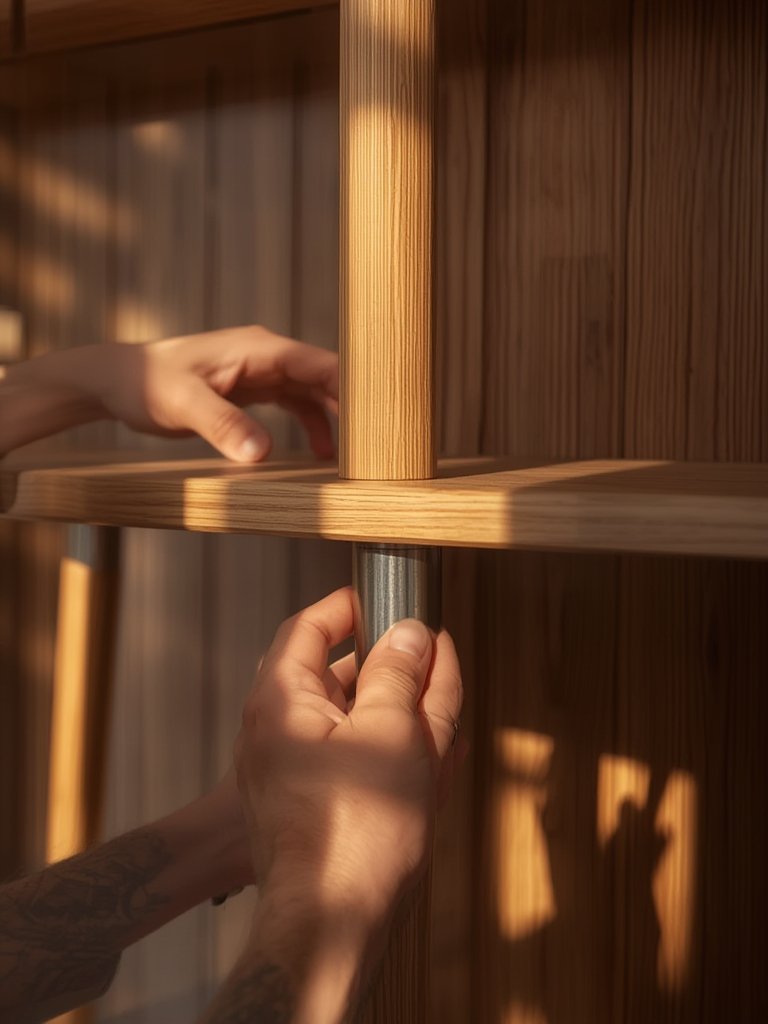
This approach doesn’t just apply to kitchens—free-standing furniture works beautifully in home offices, multi-use guest rooms, or indoor-outdoor spaces. For example, our multi-functional home office guest room guide explores flexible furniture for compact city apartments. Or, take inspiration from enclosed porch conversions that blend free-standing daybeds, storage benches, and side tables to easily reconfigure lounging areas.
Advanced Analysis & Common Pitfalls
While free-standing furniture offers undeniable charm and adaptability, several real-world issues come up again and again—rarely discussed in trend pieces or by furniture retailers.
- Lack of sealed storage: Free-standing dressers and chests may not be fully airtight or pest-proof, unlike modern built-ins. Food storage in particular can suffer if vintage larders are used.
- Stability and safety: Tall, narrow cupboards and islands on casters may tip or roll unexpectedly. This is especially problematic in homes with young children, pets, or on sloped floors.
- Maintenance and wear: Painted or antique pieces often need more upkeep. Frequent rearranging can scratch floors, and soft wood is prone to dents.
- Space inefficiency: Some unfitted pieces look substantial but actually hold less than built-in cabinets with tailored inserts, drawers, or sliding shelves. Deep vintage hutches may waste space or create clutter.
- Cost uncertainty: While the narrative touts savings from upcycling antiques, actual costs swing dramatically based on finish, restoration, or transport needs—many overlook expenses like countertop fitting for a freestanding island or anchor hardware.
| Feature | Free-Standing Furniture | Built-In Cabinetry |
|---|---|---|
| Flexibility | High (easy to rearrange, move, or take when relocating) | Fixed (cannot be moved after install) |
| Cost | Variable (can be low for antiques, higher for restoration/customization) | Predictable (especially with stock cabinets; professional labor required) |
| Durability | Depends on piece/material/maintenance; may require more repairs | Generally high with proper care; less regular maintenance |
| Storage Efficiency | Medium (vintage forms rarely optimized for modern needs) | High (custom inserts, trays, and organizers) |
| Aesthetic | Personal, unique, “collected” appearance | Uniform, seamless, contemporary |
Despite these potential drawbacks, many homeowners use creative fixes and still feel the payoff is worthwhile: showcasing character, customizing pieces, and enjoying an ever-fresh layout. It is wise to trial layouts with tape or cardboard cutouts before investing in any large, freestanding furniture—especially if floor space is at a premium.
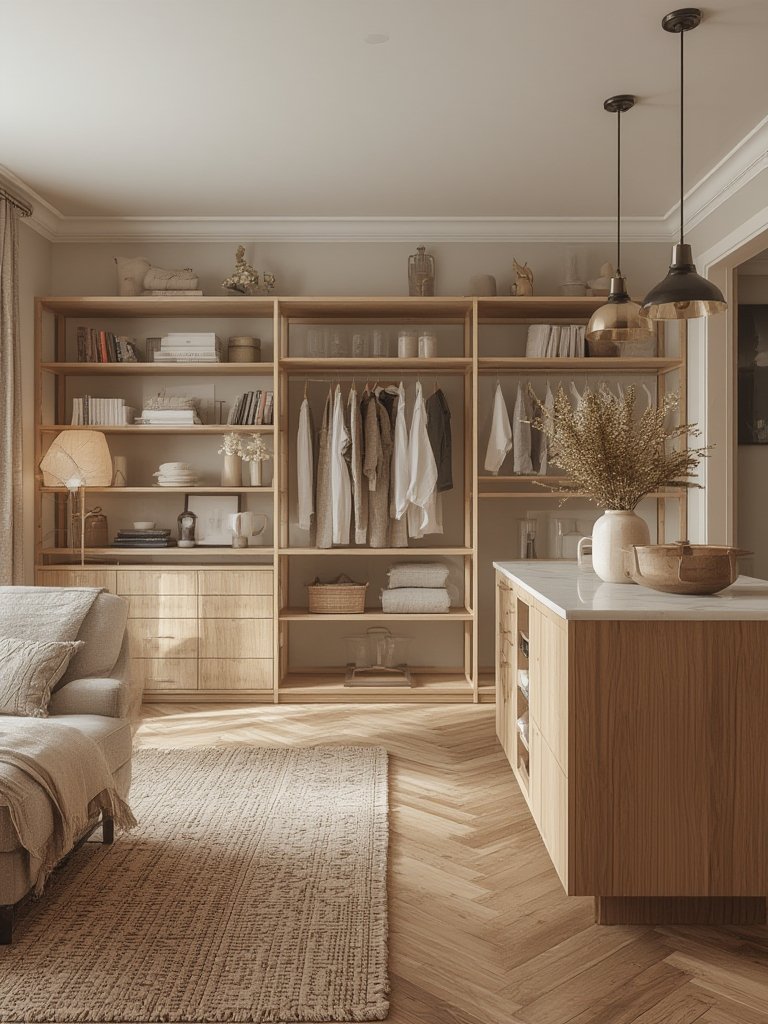
If you are considering upgrading other areas for efficiency or ROI, check out practical tips for tankless water heater installations, organized kitchen storage solutions, or even garage door replacement for maximum resale value. These projects, when combined with flexible furniture, can rapidly improve comfort and home value.
For more on design trends and pitfalls, external guides like Homes & Gardens’ kitchen tips and the NKBA 2024 Design Trends Report are worth reviewing.
Conclusion
Free-standing furniture is one of the most effective ways to create a flexible, stylish, and truly personal kitchen or living area in 2024 and beyond. By mixing unfitted antiques with strategic built-ins, you achieve both function and flair—if you plan ahead and are realistic about spacing, maintenance, and costs. There are some drawbacks, but most can be avoided with smart selection and minor tweaks.
Ready to try free-standing furniture in your own remodel? Start with a single standout piece and see how it transforms your space, or explore our other guides to maximize comfort and value—then share your experience to help others make informed choices.
FAQ
Is free-standing furniture suitable for small kitchens?
Yes, free-standing furniture can work in small kitchens if you choose compact, multi-use pieces (like a narrow island on wheels) and maintain clear walkways between appliances and work zones. Avoid bulky antiques if floor space is tight.
Does free-standing kitchen furniture lower home resale value?
There is no evidence that free-standing furniture lowers resale value. In fact, its flexibility allows buyers to adapt the space for their own needs, which can be a selling point. Built-in elements are still preferred for sinks and appliances, so balance is key.
How do you secure tall free-standing pieces for safety?
Use removable furniture anchors that attach to the wall and the back of cabinets or hutches. This prevents tipping, especially in homes with children or pets, but can be removed if you move or change your layout.
Are there building codes that affect using free-standing furniture?
Current research shows no building codes in North America or Europe specific to free-standing kitchen furniture in 2024, but always check with local authorities about safety requirements for plumbing, electrical, and fire safety if making major changes.
What are the most popular materials and finishes for free-standing kitchen furniture in 2024?
Trending materials include reclaimed or antique wood, painted finishes (often in rich, deep colors), marble-topped tables, shaker doors, and mixed painted/natural wood contrasts. Creative customization with new hardware, textiles, and even café curtains is common.