

Geometric patterns are one of the most powerful tools for transforming any maximalist interior, delivering both visual impact and modern sophistication without overwhelming a space. Across wallpapers, rugs, furniture, and art, these structured designs combine history with trend-forward aesthetics, making them essential for anyone seeking a bold, curated home.
Key Takeaways
- Geometric patterns are surging in popularity for maximalist interiors, thanks to their flexibility, market growth, and ability to balance energy with order.
- Sustainability and new technologies like digital printing or CNC are changing how geometric decor is made—offering more eco-friendly, customized, and durable options.
- Understanding the benefits, pitfalls, and insider tips on sourcing and installing geometric designs ensures you achieve maximalist impact without common mistakes.
- What Are Geometric Patterns and Why Maximalists Love Them
- How to Use Geometric Patterns in Maximalist Interiors: Step-by-Step
- Advanced Analysis & Common Pitfalls in Geometric Maximalism
- Conclusion: Bringing It All Together
- Frequently Asked Questions
What Are Geometric Patterns and Why Maximalists Love Them
Geometric patterns are decorative motifs built around repeated shapes—think hexagons, triangles, abstract fractals, and angular lines. Unlike organic or floral designs, geometrics deliver a sense of order and energy. Maximalists gravitate to these patterns because they layer visual excitement on walls and textiles, unify bold color palettes, and draw the eye without making a room feel disjointed.
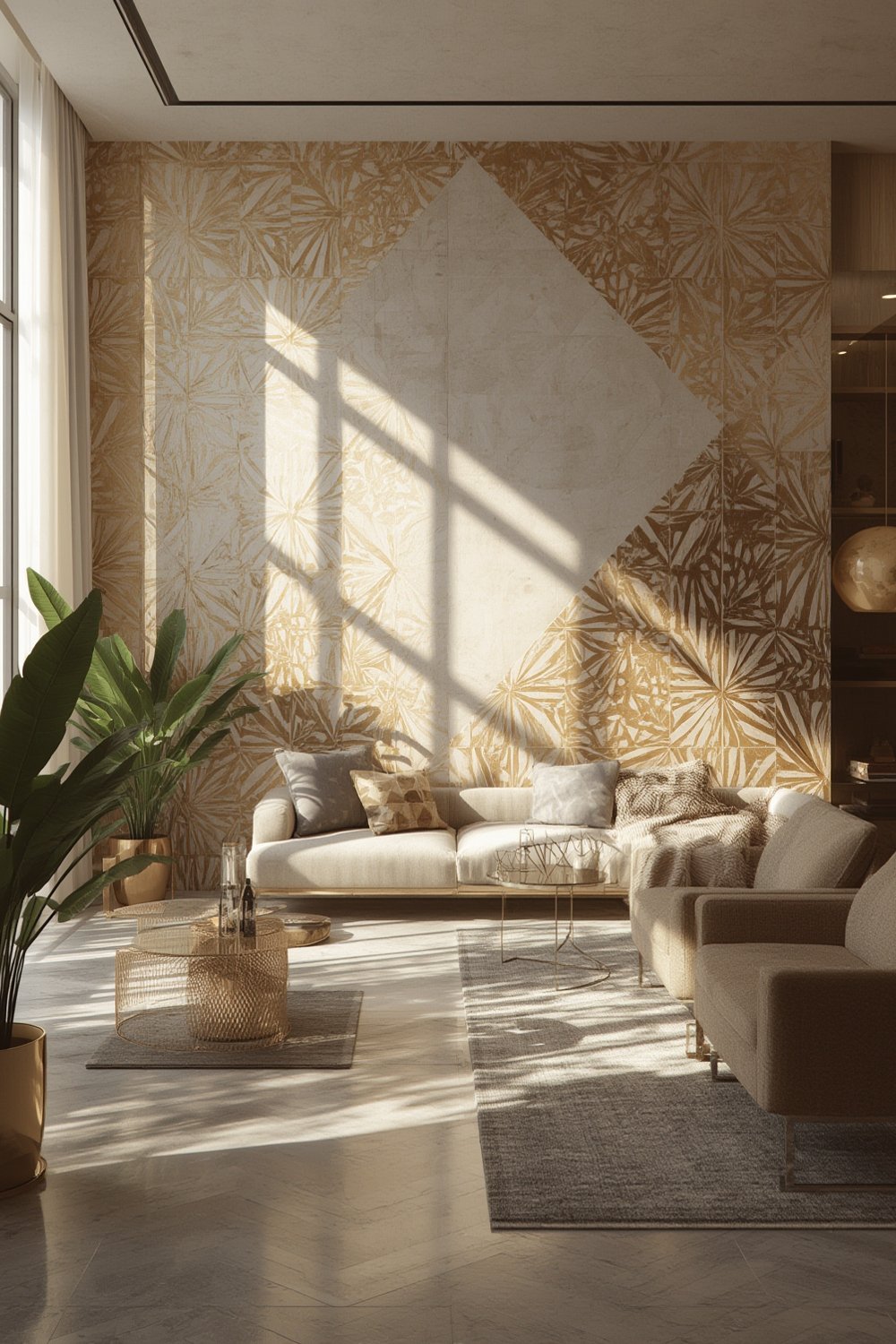
Market statistics show that geometric pattern decor is not a fleeting trend. In 2025, the global geometric pattern decor market is valued at $13.6 billion and projected to hit $19.13 billion by 2032, with a sustained growth rate of 5.0%. Most of this growth is driven by homeowners and businesses seeking modern, versatile designs that help spaces feel curated—but not cluttered. Source. Clean-lined geometric elements are now top-selling art themes, with significant demand in carpets, rugs, and contemporary wall art.
Even better, geometric shapes work across eras and styles. From the brass and marble Neo Deco revival to digitally printed custom panels and fractal elements on furniture, the current market provides options for every project and price point.
Maximalists have one mandate: more is more. But layering geometric patterns brings more cohesion than chaos. Whether you’re investing in a large-scale triangle rug, a series of cube-patterned textiles, or a brass-inlaid bar cart, the possibilities for bold, beautiful, and (thanks to new tech) truly unique rooms are endless.
How to Use Geometric Patterns in Maximalist Interiors: Step-by-Step
Want to confidently introduce geometric designs into your maximalist space? Here’s a proven, actionable guide based on designer insight and current data. Each step maximizes visual payoff and avoids common mistakes.
-
Start with a Foundation
Rugs, wallpapers, or a statement wall are the best places for a primary geometric motif. Large-scale Moroccan or Turkish patterns (think Berber diamonds or kilim triangles) create an anchor for maximalist layering without clashing with other patterns. Washable area rugs now come in intricate geometric and fractal designs that suit busy homes. -
Layer in Accent Patterns
Bring in smaller geometric elements through throw pillows, curtains (try pleated designs with abstract prints), and bold-trimmed lampshades. Neo Deco-inspired metallics—especially brass or marbled decor—add dimension and fit seamlessly with both historic and futuristic maximalist rooms.
For inspiration on mixing eras, check out our take on the vintage modern mix. -
Combine Material Innovation and Sustainability
Opt for digitally printed, eco-friendly textiles or items crafted via CNC for precision. Eco-conscious geometric decor is gaining ground—look for recycled materials or brass and marble with verifiable sourcing.
Learn more about earth-friendly interiors in our sustainable wood furniture feature. -
Balance Geometry with Organic Elements
Too many sharp angles can feel cold. Offset polygons and lines with plants, curved sofas, or biophilic decor. This moderates the room and aligns with trends favoring comfort plus visual interest. Browse our biophilic decor insights for the perfect pairing. -
Troubleshoot Placement and Scale
Use geometric patterns to highlight problem areas—narrow entryways, low ceilings, or drab cabinets—by drawing the eye with fractal dimension or vertical striping. If working with antiques or architectural quirks, consider layering geometric throw blankets or modular pieces for flexibility. Our modular sectional sofa tricks work especially well here.
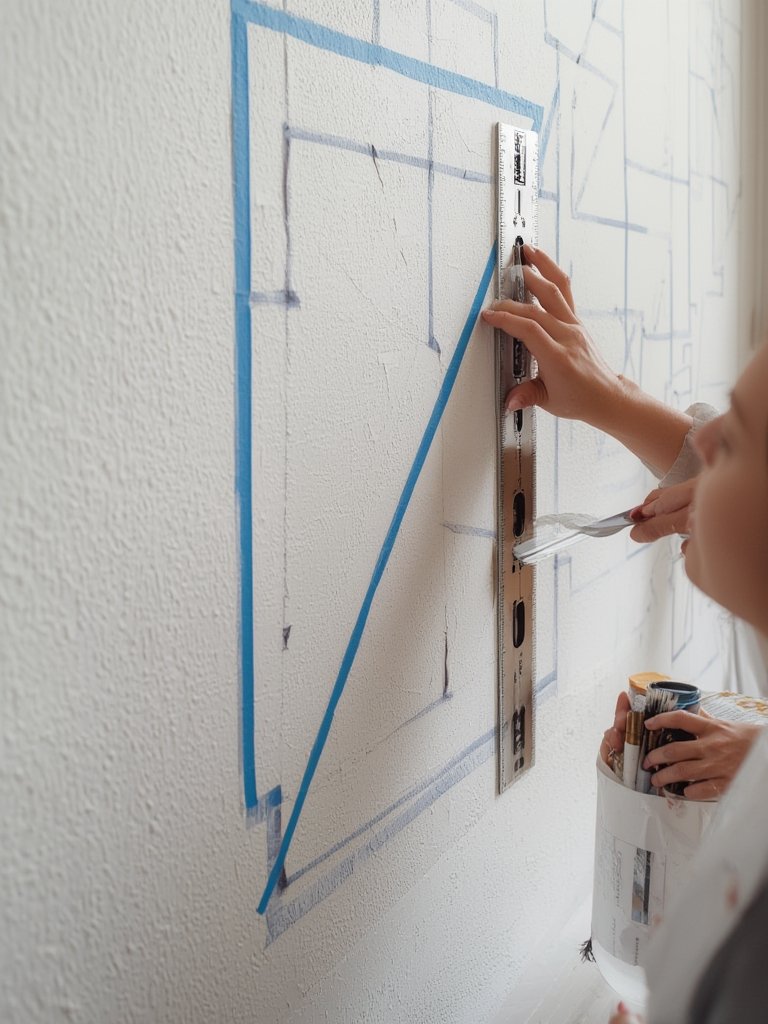
- Preview placements with peel-and-stick geometric tiles or decals—risk-free and removable if you want to experiment with color or form.
- If you crave even more drama, mix high-gloss Neo Deco surfaces (brass, red marble, lacquer) with matte geometric motifs for extra depth.
Combine all these elements to craft a layered, energetic living space that feels curated, not chaotic. Maximalism and geometric patterns go hand-in-hand when you plan ahead and blend structured prints with smart materials.
Advanced Analysis & Common Pitfalls in Geometric Maximalism
Even with geometric patterns trending upward, it’s easy to misstep—especially in maximalist interiors. Here are the key pitfalls, plus expert-backed observations.
- Overuse of Sharply Angular Patterns: The 2024 data show a rise in preference for curved and organic forms, with 33.6% of consumers seeing sharp geometrics as too rigid for maximalist rooms. Avoid filling every surface with strict triangles or hexagons.
-
Ignoring Sustainability and Product Longevity: Many trend articles overlook how materials and tech shape pattern quality. Choosing digitally printed or CNC-cut decor on sustainable substrates is both greener and more precise. Traditional weaves for geometric rugs last longer and retain vibrancy.
Brass, red marble, leather, and metals are favored for Neo Deco pieces due to durability. Source - Mismatch of Color or Scale: Combining geometric designs of wildly different sizes or colors without a connecting palette can overwhelm a room. Use bold patterns as statement zones, then echo their hues or motifs in smaller ways elsewhere.
- Failure to Plan for Price: The market includes both premium (brass, antique bar carts) and budget (modest geometric prints) decor. There’s little public pricing data for specific patterns, so research spending before committing to splurge items. Splurging on a statement fractal cabinet is impactful, but smaller art gives an affordable way to join the trend.
| Element | Maximalist Approach | Common Pitfall | How to Fix |
|---|---|---|---|
| Angular Prints | High-energy backdrops or focal rugs | Feels harsh/cold | Blend with curved furniture, plants |
| Triangle/Hexagon Designs | Wall tiles, art panels, textiles | Visually cluttered if overused | Use only as accent or on a single plane |
| Traditional Woven Rugs | Intricate patterns, bold color | Can appear dated if not layered | Pair with modern colors or accessories |
| Neo Deco Materials | Shiny brass, red marble, custom glass | Prone to fingerprints/wear if not quality | Seek quality finishes, consider care |
| Digital/CNC Printing | Bespoke, precision patterns | Low-cost options may fade/peel | Ask about manufacturing process & warranties |
For maximalists, advanced pattern selection means thinking about not just style but longevity, quality, and environmental footprint. There’s also an increasing move toward fractal geometrics for depth—shapes that add visual dimension or mimic patterns in nature for more brain-pleasing, science-backed comfort. Source
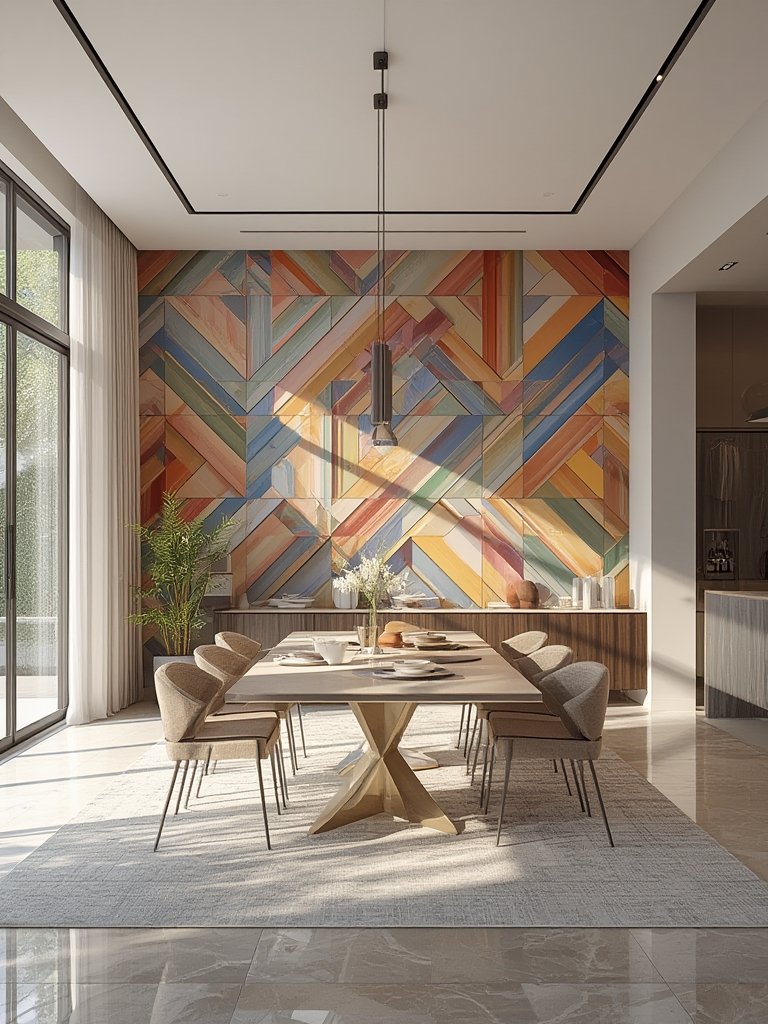
Curious about mixing other bold motifs besides geometric patterns? Our animal print home decor guide covers more maximalist statement ideas for every style.
Conclusion: Bringing It All Together
When you understand the trends, pitfalls, and advanced options, geometric patterns become a powerful tool for maximalist design. Modern technology and sustainability efforts are making patterns more customizable and durable, while market growth ensures variety for every taste and budget. Use geometric patterns confidently to bring cohesion, energy, and future-proof style to any interior.
If you’re ready to transform your space, start by choosing one geometric focal point, then layer smartly. For further inspiration, browse our guides on maximalist decor and maximizing living space to unlock your home’s full design potential.
Frequently Asked Questions
What are geometric patterns in home decor?
Geometric patterns use repeated shapes or lines such as triangles, hexagons, circles, or fractal motifs. They are applied to rugs, wallpapers, furniture, and decor accents to create a visually structured effect.
Why are geometric patterns so popular in maximalist interiors?
They add boldness and order, making maximalist rooms feel curated rather than chaotic. Their adaptability fits vintage, Neo Deco, and ultra-modern looks, ensuring longevity as a trend.
Do geometric prints make a room feel cold or harsh?
If overused or paired only with sharp angles, geometric patterns can feel rigid. Balance with soft elements like curved furniture, plants, or layered textiles to keep spaces inviting.
Are sustainable options available for geometric decor?
Yes. Look for eco-friendly materials, digital or CNC printed textiles, and responsibly sourced metals or woods. These options increase both longevity and green credentials.
How much does geometric decor cost?
Prices vary widely—from affordable prints and textiles to premium items made from brass or artisan materials. Plan spending based on priority pieces and consider a mix of splurge and budget-friendly options.