

home EV charger installation cost can be surprisingly different depending on your home, your region, and the choices you make along the way. For many homeowners in 2024, understanding exactly what you’ll pay (and where big surprises happen) is the difference between a smooth experience and a money pit. Here’s what you need to know, including steps, hidden costs, and how to trim your bill fast.
Key Takeaways
- The total home EV charger installation cost in 2024 typically ranges from $1,200 to $4,000, depending on installation complexity, your electrical panel, and your home type.
- Most of the cost comes from labor and electrical upgrades—distance from your panel, or a full panel upgrade, can double your bill.
- Federal tax credits and some utility rebates can reduce your final out-of-pocket cost by 30% or more, but you must claim them after installation.
- What is Home EV Charger Installation Cost? (The Core Concept)
- Home EV Charger Installation Cost: Step-by-Step Guide
- Advanced Analysis & Common Pitfalls
- Conclusion
- Frequently Asked Questions (FAQ)
What is Home EV Charger Installation Cost? (The Core Concept)
At its core, home EV charger installation cost is the sum of equipment, labor, permitting, and any home electrical upgrades needed to get a Level 2 charging station set up at your residence. In 2024, most single-family homes pay between $1,200 and $4,000 for a typical install. The cost strongly depends on whether your panel is close by, needs upgrading, or if running wires is tricky—condos or apartments can see even higher costs due to permitting or shared systems.
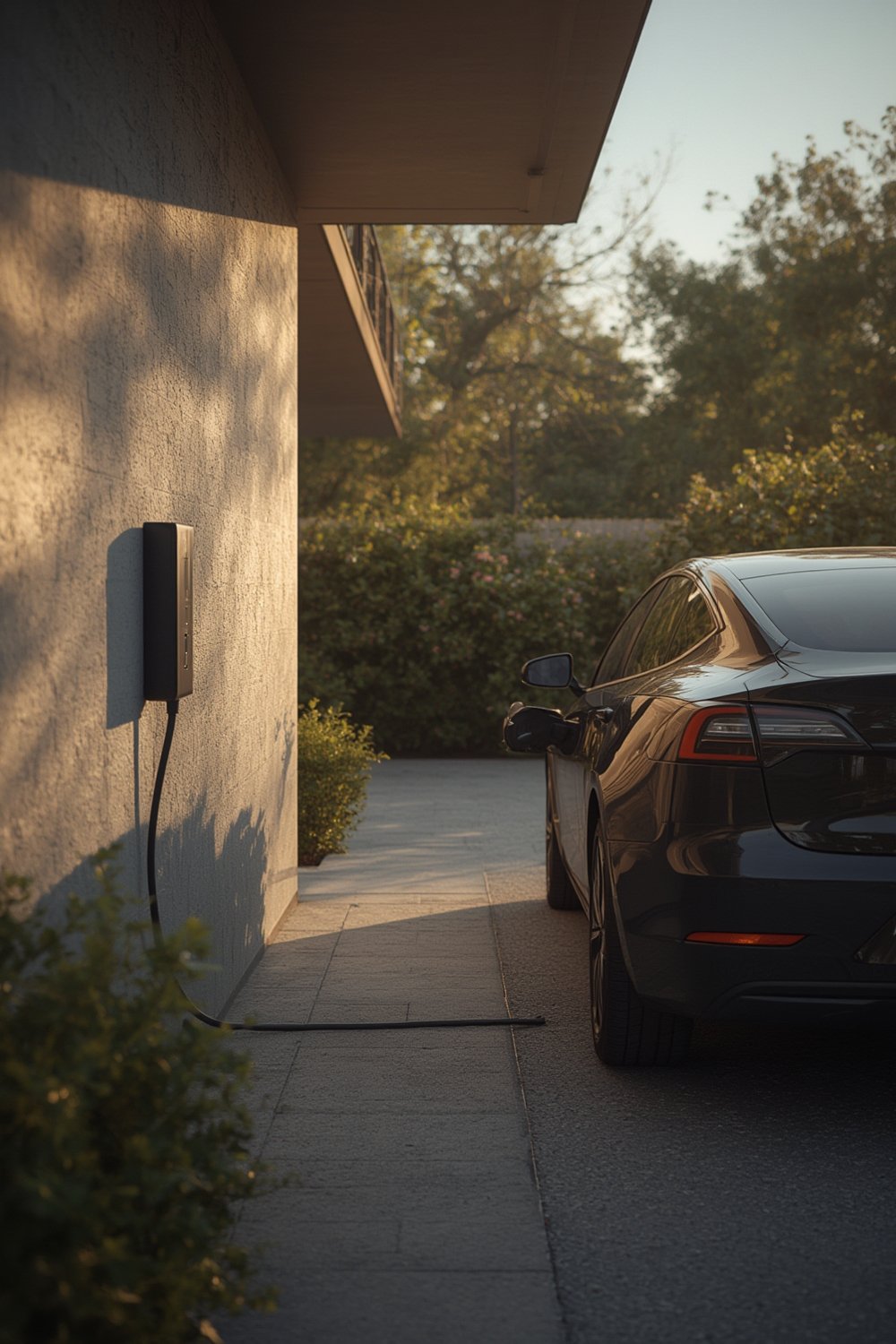
The charger hardware itself, like a Tesla Wall Connector, is usually $400–$1,200. Labor is often the biggest piece (up to $150/hour or $3,000 total for complex jobs), plus local permits ($50–$300). If your electrical panel isn’t powerful enough or wiring is far from your parking area, you’ll add $1,500 to $4,000 for upgrades or trenching. See the SimpleSwitch 2024 EV charger install cost guide for a clear breakdown.
Costs are highest in states like California, Texas, and Florida where labor rates and permitting fees trend up. Whether you live in a condo, work with an HOA, or have an older home, unique factors can add to the price.
Home EV Charger Installation Cost: Step-by-Step Guide
Here’s exactly how to estimate, plan, and actually install a home EV charging station, so you avoid surprise expenses—and pass final inspection the first time.
- Check your current electrical panel capacity.
- Locate your main service panel. Is it 100A or 200A?
- Most Level 2 chargers require a 40-50A dedicated 240V circuit.
- If your panel is already loaded, factor in $1,500–$4,000 for a panel upgrade.
- Decide where you’ll mount your charger.
- Garage? Exterior wall near driveway?
- The total wiring length from panel to charge point is the biggest wild card in your cost—shorter is cheaper.
- Choose your charging station hardware.
- Popular models (like Tesla Wall Connector or ChargePoint Home Flex) run $400–$1,200.
- Make sure the charger you buy matches your car’s specs and is UL listed (meets safety codes).
- Ask for quotes from licensed electricians.
- Request itemized estimates broken down by hardware, labor, permits, and any extras (panel upgrade, subpanel, trenching).
- A good quote ranges from $800–$3,000 labor (plus equipment).
- Apply for permits and schedule install.
- Your electrician should handle these, but permit costs vary by city ($50–$300).
- Typical install time: one day.
- Complete utility or tax credit paperwork.
- Federal tax credits (up to 30%) apply after install—keep your invoices for IRS Form 8911.
- Check for local utility rebates, which may stack with federal credits.
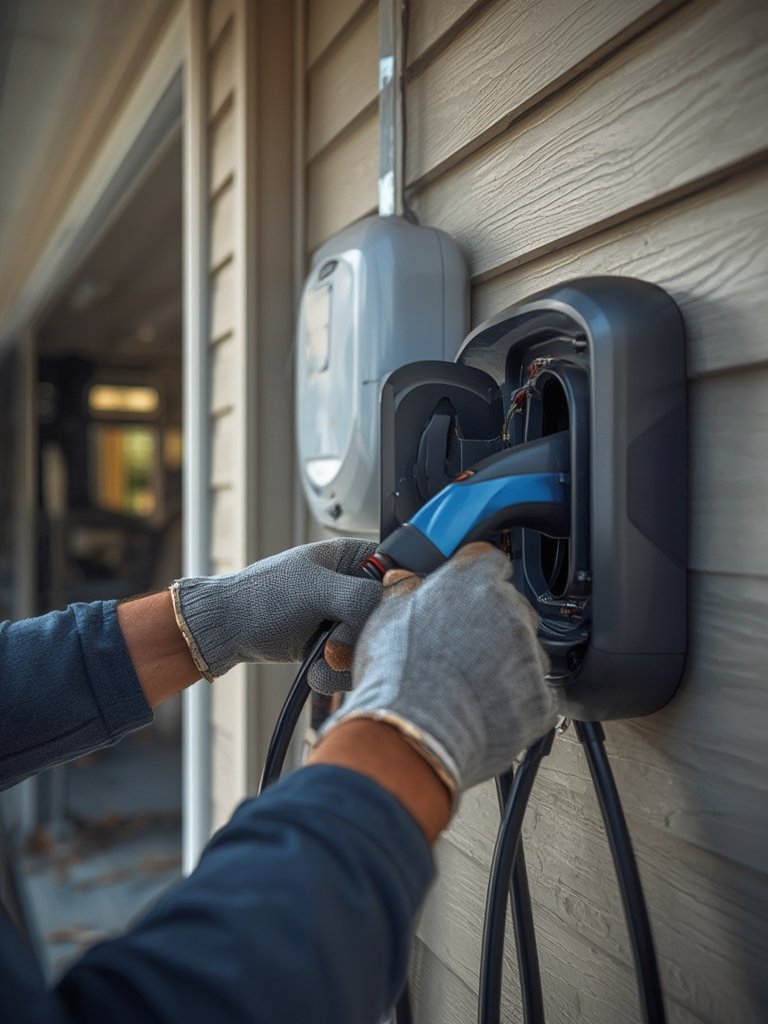
Planning your EV charger install up front matters. If you need a panel upgrade or have to trench out to an exterior post, your project can quickly reach $4,000 or more. But for most single-family homes with a panel in the garage, $1,200–$2,000 all-in is realistic.
Some common EV charger install mistakes include skipping permit inspections, hiring unlicensed contractors, or underestimating how wiring distance inflates your bill. Always prioritize safety and code compliance for both insurance and future home appraisal purposes.
Advanced Analysis & Common Pitfalls
Hidden costs and surprises are the #1 issue with home EV charger installation. Here’s exactly where homeowners run into trouble in 2024—and what the data says.
| Installation Type | Cost Range | Key Factors |
|---|---|---|
| Simple (single-family, near panel) | $300–$800 | Existing 240V outlet. Minimal wiring. Source |
| Typical (single-family garage) | $1,200–$2,000 | New wiring and permits. |
| Complex (distant panel, upgrades) | $2,500–$4,000+ | Trenching, panel work, or subpanels. Source |
- Electrical panel upgrades: Many older homes need their 100A panel swapped for 200A to handle Level 2 charging, an unplanned $1,500–$4,000 expense.
- Wiring distance/trenching: If your panel is on the opposite side of your house compared to your driveway or garage, expect to pay drastically more for conduit and labor.
- Condo or HOA complications: Shared infrastructure and permitting in multi-unit buildings can add weeks and several hundred dollars to your timeline; few online guides acknowledge how tough this can be.
- Permitting and inspection delays: In some regions (especially California and Florida), getting city signoff can take longer than the installation itself.
- Unlicensed work risks: Cheaper “handyman” installs often won’t pass inspection or could void your home insurance policy—always choose a licensed expert.
- Unclear incentives: Federal credits are real, but state or utility rebates are often vague or buried in paperwork. Be proactive with your research—see the SimpleSwitch 2024 incentives explainer.
Many existing guides don’t address costs for condos, apartments, or HOAs. This leaves many owners unprepared for higher electrician fees, lengthy HOA approvals, or the need for additional meters—always ask your association and electrician for details up front.
If optimizing costs matters most, investigate if your charging usage justifies the upfront spend. Installing 240V outlets as part of larger home renovations may be cost-effective by grouping with other work.
Conclusion
The real home EV charger installation cost is determined by your electrical panel, wiring distance, and any local permitting hurdles. Most US homeowners in 2024 spend $1,200 to $4,000 all-in, but costs spike for panel upgrades or if you live in a condo. Federal tax credits and utility rebates offer big savings—claim them. Ready to install? Start by getting a free, no-obligation quote from a licensed electrician and collect bids—you’ll save real money and headaches down the line.
For a deeper breakdown of charger types and cost ranges—or to see how this compares to public charging fees—check out our full EV charging cost comparison and how to choose the right EV charger resources.
Take Action: Before you invest, download our EV home charging checklist—and compare local incentives to shrink your bill fast.
Frequently Asked Questions (FAQ)
What is the most expensive part of EV charger installation at home?
The most expensive component is often labor or electrical panel upgrades. If your panel needs boosting from 100A to 200A, or if you require extensive wiring/trenching, costs can double or triple versus a standard install.
Do I need a permit and city inspection to install a Level 2 EV charger at home?
Yes, in almost all US locations a permit and city inspection are required for a Level 2 charger. This ensures electrical code compliance and protects you for insurance and resale.
Can I get rebates or incentives for installing a home EV charger?
Federal tax credits—typically up to 30%—can be claimed after install via IRS Form 8911. Utilities in many states also offer rebates, though these vary by region and are often on a first-come basis.
Will installing a home EV charger increase my home’s value?
Available real estate data suggests homes with EV charging readiness are increasingly appealing to buyers, but ROI depends on local demand for EVs and the quality of the installation.
How do I choose a qualified electrician for my EV charger installation?
Hire only a licensed electrician with experience in EV charging stations. Ask for references, proof of insurance, and if possible, focus on those listed as Tesla- or EVITP-certified, though the main priority is licensing and experience.