

Home sauna installation is more popular than ever, but too many homeowners underestimate just how complex the process can be. If you’re dreaming of a personal wellness retreat, it’s crucial to understand the real costs, technical requirements, common challenges, and up-to-date actionable steps before you start tearing up a single tile.
Key Takeaways
- Home sauna installation averages $3,100 to $7,000, with steam rooms and custom spas costing more. Labor, ventilation, and electrical upgrades are significant extra costs.
- Typical pitfalls include surprise expenses, strict regional codes, and moisture or electrical issues—careful planning and permits are essential.
- Your available space, budget, and home layout will dictate the right sauna or wellness feature—each requires specific power and ventilation solutions.
- The Core Concept: Home Sauna Installation Explained
- Step-by-Step Guide: How to Install a Home Sauna
- Advanced Analysis & Common Pitfalls
- Conclusion
- FAQs
The Core Concept: Home Sauna Installation Explained
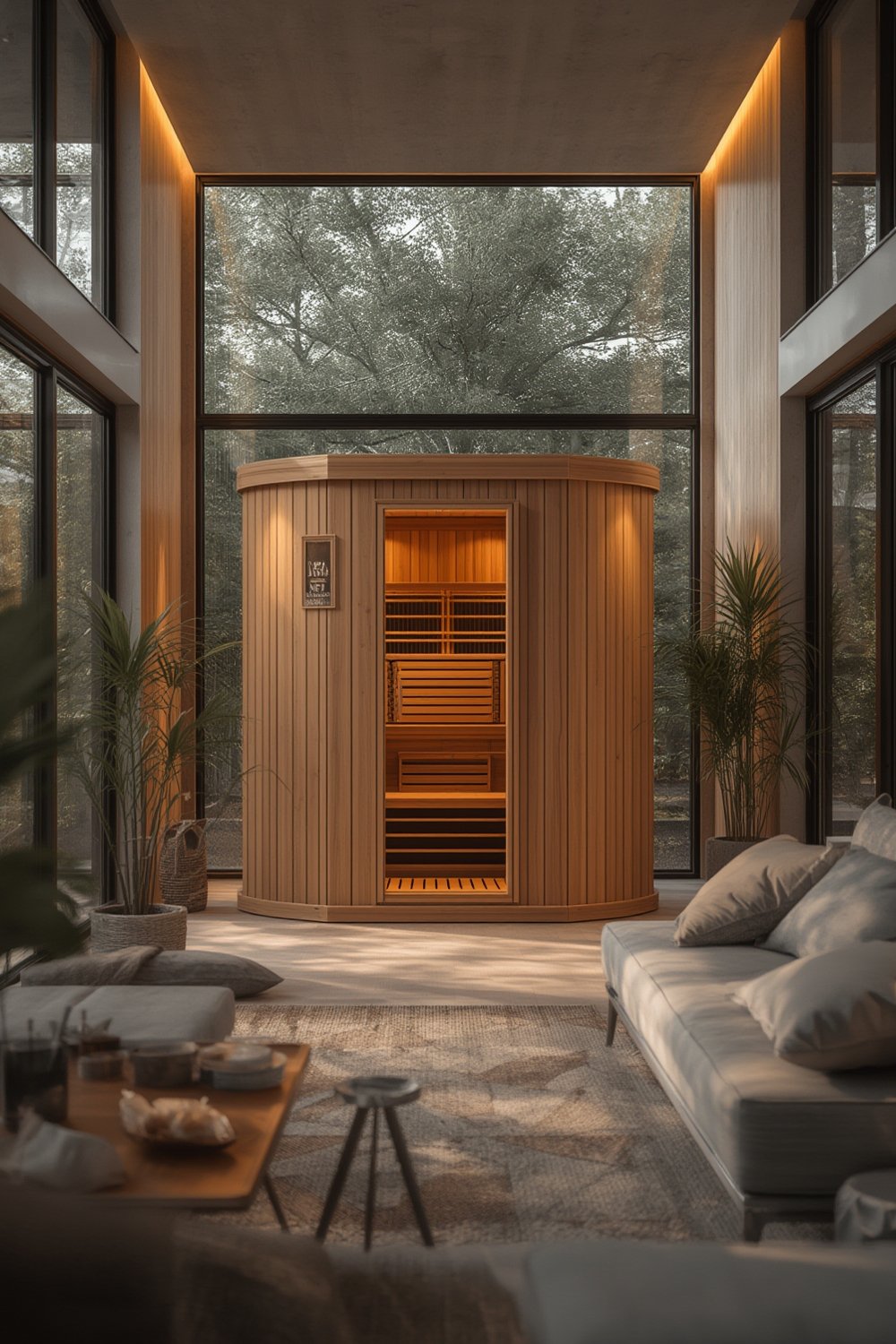
Home sauna installation gives you direct access to relaxation, stress relief, and personal wellness at home. Whether you go for a traditional dry sauna, an prefab infrared sauna, or a custom wellness room with steam and cold plunge, each type requires careful planning. Core considerations include installation cost, technical requirements (space, electrical, ventilation), strict building codes in some regions, and maintenance. Cost and complexity spike quickly if you want a steam room or a multi-feature spa. Making the right choices up front will save you money, protect your home’s structure, and ensure your wellness retreat stays a benefit—not a burden.
Step-by-Step Guide: How to Install a Home Sauna
1. Define Your Sauna Type and Space
Decide if you want a traditional dry sauna, infrared sauna, steam room, or a combination unit. Next, pick your location—indoors (spare room, basement, bathroom) or outdoors (patio, backyard shed). Measure the available space. Small prefab units can fit in as little as 9 square feet, but most comfortable indoor saunas use 16-36 square feet or more. Outdoor builds may require a concrete slab ($6/sq ft) for stability.
2. Set a Realistic Budget
Factor in both upfront and hidden costs:
- Basic prefab infrared sauna: $1,500–$7,000
- Traditional dry sauna: $2,500–$10,000+
- Indoor custom units: $4,000–$10,000+
- Steam room: $2,800–$13,000 for residential sizes
- Professional labor: $300–$2,500
- Electrical/ventilation upgrades: $300–$4,000
Always leave room for unexpected expenses: demolition, waterproofing, enclosure upgrades, permits, or ventilation systems.
3. Check Local Codes and Permits
Many regions have strict regulations, especially for steam rooms or any electrical work. On the West Coast and Northeast, building codes and high labor rates can push costs to $10,000–$18,000 or more. Vet your chosen contractor and get written quotes. For steam rooms, plan on plumbing and waterproofing per local standards. Indoor units may require mechanical ventilation to meet code and protect your home.
4. Prepare the Site
For indoor installations, remove existing fixtures and ensure the subfloor supports the sauna. For outdoor builds, pour a concrete slab if needed and ensure adequate drainage. For steam rooms, waterproofing and vapor barriers are non-negotiable.
5. Upgrade Electrical and Ventilation
Most electric saunas require a dedicated 220V/240V line—budget $300–$1,500 for an electrician. Proper ventilation is critical for indoor saunas and steam rooms; budget $250–$600 for a ventilation fan or up to $4,000 for a full mechanical system. For more on electric requirements, see this guide.
6. Assemble or Build the Sauna
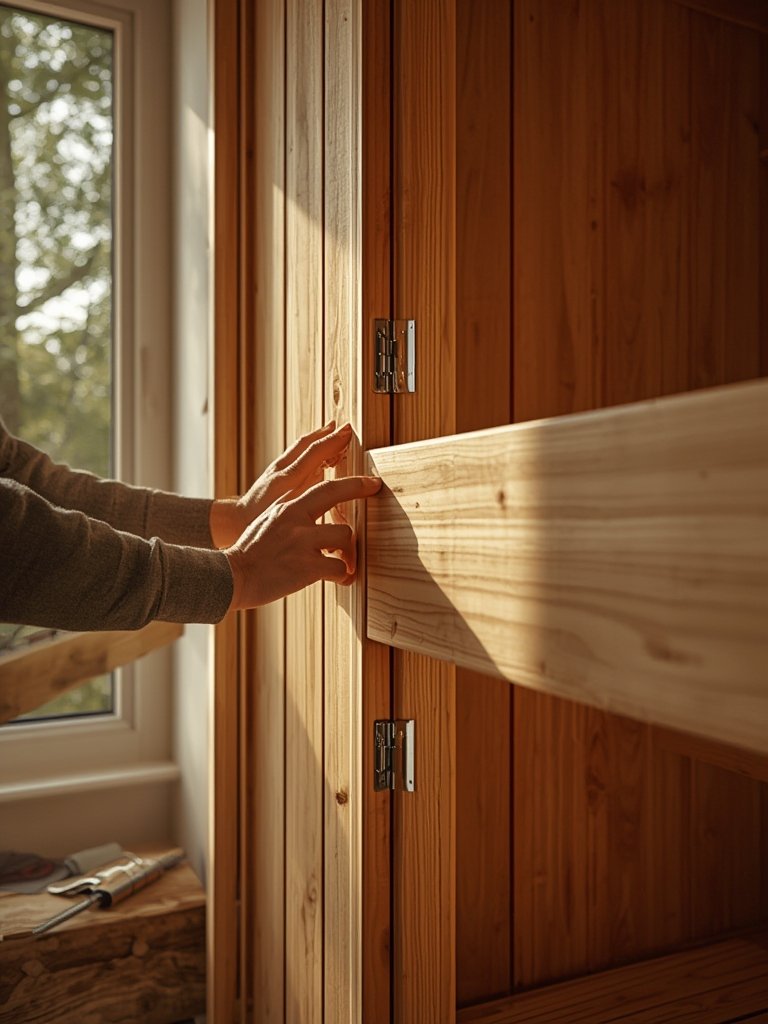
Prefabricated kits can be installed in a day or two, but custom projects may take one to three weeks. Professional labor for prefab assembly typically ranges from $300–$1,500. Steam rooms require installer expertise for plumbing, waterproofing, and generator setup ($1,500–$7,000 for labor). For outdoor structures, ensure all exterior materials resist weather and rot.
7. Test and Inspect
Check all electrical circuits, ventilation, and finishes before first use. For steam rooms, test the steam generator, enclosure seals, and remote controls. Inspect for water leaks and ensure vapor barriers are intact. Don’t forget the final permit inspection if required in your area.
8. Plan Long-Term Maintenance
Infrared and electric saunas need regular cleaning and annual electrical inspection. Steam rooms require descaling the generator and checking for grout or sealant failures. Invest in a good warranty and keep all receipts for insurance purposes. For ongoing tips, see our Sauna Maintenance Best Practices guide.
For deeper insight into integrating wellness features into your remodel, visit our article Remodeling with Wellness Rooms: What to Know.
Advanced Analysis & Common Pitfalls
Even the best-planned home sauna installation can go sideways. Homeowners most often hit snags with moisture control, insufficient budget, code violations, and surprise repairs from electrical or plumbing upgrades. Below is a comparison of the four most common residential wellness installations:
| Type | Cost Range (2024) | Space Need | Key Technical Requirements | Typical Issues |
|---|---|---|---|---|
| Infrared Sauna | $1,500–$7,000 | 9–16 sq ft (Small); 2–3 people | Dedicated 120V/240V line, ventilation fan ($250–$600) | Poor ventilation, insufficient wiring |
| Traditional Sauna | $2,500–$10,000+ | 16–36 sq ft 3–6 people | 240V electric or wood-burning stove, outdoor slab ($6/sq ft), ventilation | Loose seals, heat leaks, high energy cost |
| Steam Room | $2,800–$13,000+ | 9–35 sq ft (Small–Medium) | Steam generator, water line, full vapor barrier, advanced ventilation | Waterproofing failures, generator leaks, code violations |
| Cold Plunge | $15,000+ (in spa combos) | 6+ sq ft | Drainage, sealed floor, GFCI (if electrical chillers) | No detailed data, but often underbuilt drainage, safety concerns |
Common Pitfalls to Avoid
- Ignoring the need for professional-grade ventilation in indoor saunas or steam rooms, leading to mold and structural damage (source).
- Underestimating labor costs, which can be 30–50% of your total expense.
- Failing to factor in regional code demands, especially for electrical and waterproofing work (source).
- Skipping necessary upgrades—cheaper now, expensive in repairs later.
- Choosing the wrong sauna type for your space—some require substantial room and heavier infrastructure.
Make sure to consult our guide on Sauna vs Infrared: Differences & Requirements to help you choose the best fit for your needs.
Conclusion
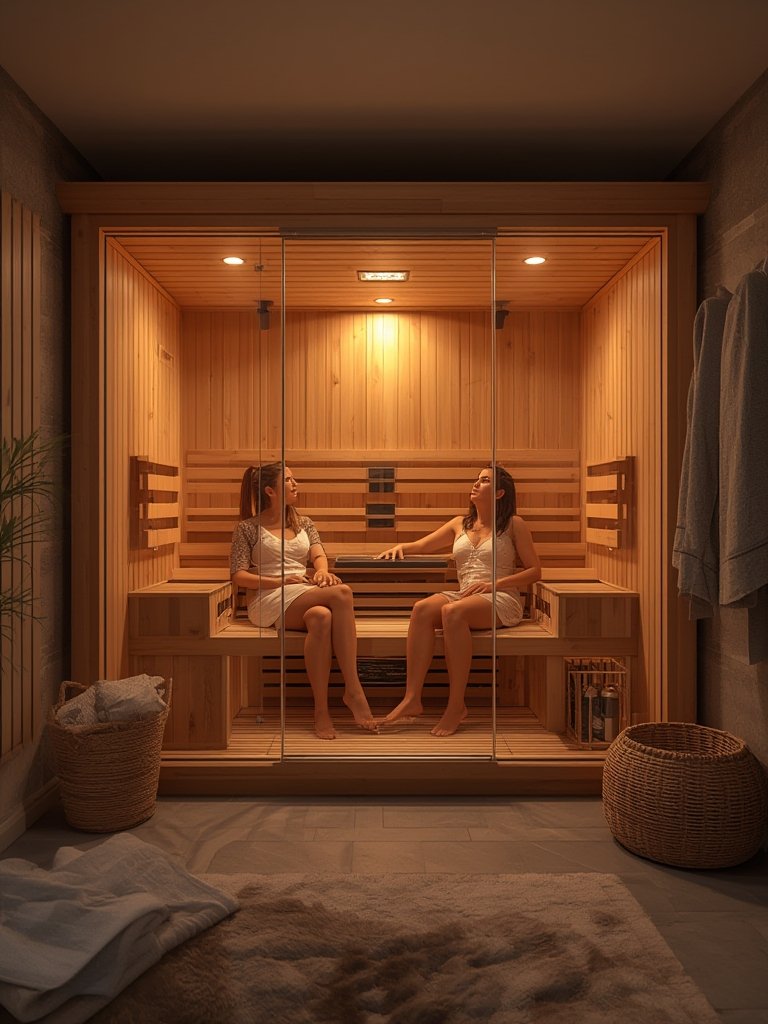
A successful home sauna installation comes down to honest budgeting, understanding your local codes, and respecting the technical needs of each system. If you do your homework, work with licensed pros, and plan for extra ventilation and upgrades, you can create a lasting home wellness space. Ready to transform your lifestyle? Start planning your home sauna installation with confidence—and check out our Complete Wellness Room Guide for next steps and inspiration.
FAQs
How much does a home sauna installation actually cost in 2024?
The typical range for a prefab infrared or traditional sauna is $2,500–$7,000 plus labor ($300–$2,500). Steam rooms run $2,800–$13,000, while full custom spa rooms can exceed $15,000–$35,000. Costs go up for stricter regional codes or major upgrades. For a full breakdown, see our Cost of Sauna Installation Guide.
What are the biggest mistakes people make when installing a home sauna?
Most mistakes involve skimping on ventilation, underestimating electrical work, or violating local codes. Others include choosing the wrong space (moisture-prone basements), or failing to waterproof a steam room properly. For a full list of mistakes and how to avoid them, read Sauna Installation Mistakes to Avoid.
Is a permit required to install a home sauna or steam room?
In many regions, yes—especially for electrical, plumbing, or new structures. Always check with your local building authority before starting. Skipping permits can cost you much more if you need repairs or hit insurance issues later on.
Can I install a sauna myself, or should I hire a professional?
Small prefab infrared saunas can be installed by skilled DIYers, but custom projects, electrical upgrades, or steam rooms demand professional help for safety and code compliance.
For guidance, review our DIY vs Pro Sauna Installation comparison.
What maintenance is required for home saunas and steam rooms?
Expect regular cleaning, periodic checks of electrics, and annual descaling for steam generators. All enclosures should be inspected for mold and leaks. For pro tips, visit our guide on Sauna Maintenance Best Practices.