

Indoor outdoor living space design transforms how you experience your home by breaking down the barriers between your interiors and the outdoors. If you want to boost your home’s value and enjoy your space year-round, mastering this trend is essential—though it’s not as simple as sliding open a door.
Key Takeaways
- Demand for seamless indoor outdoor living spaces is surging, with personalization and fluid transitions driving value in 2024.
- Designing a functional, stylish transition area requires careful choices in layout, materials, and climate considerations—most guides ignore technical specs and real cost breakdowns.
- Most homeowners underestimate the unique challenges, potential pitfalls, and local code issues tied to merging indoor and outdoor zones.
Table of Contents
The Core Concept: What Is Indoor Outdoor Living Space Design? Why Does It Matter?
Indoor outdoor living space design is about creating a smooth, practical, and visually cohesive transition between your home’s interior and your backyard or patio area. Instead of treating inside and outside as separate worlds, you approach them as one extended living zone. The trend exploded over the past few years: demand for outdoor living spaces jumped 50% since 2020, and nearly two-thirds of homeowners are intentionally designing multi-functional outdoor areas that blend with their interiors (source).
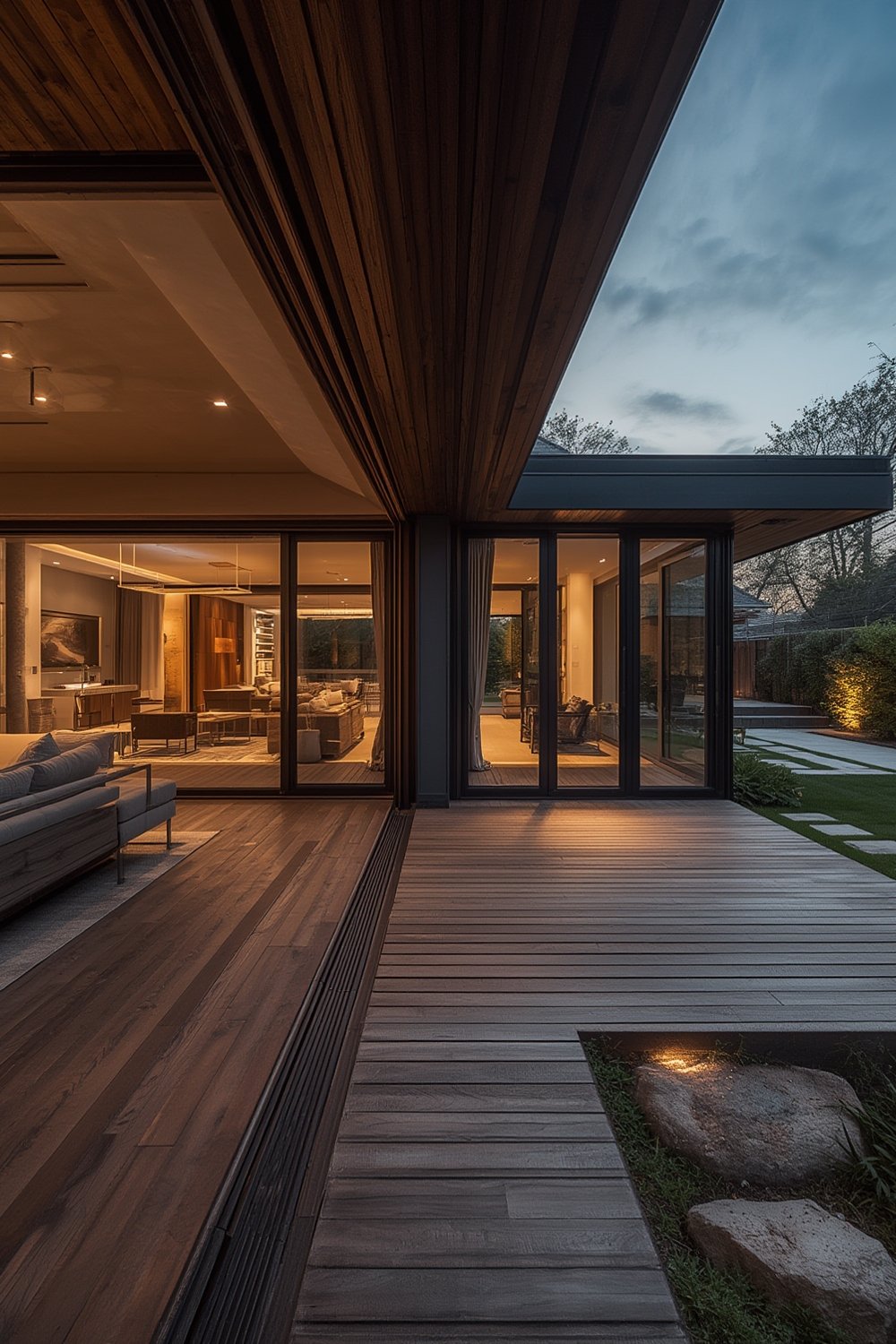
The goal is simple: more usable space, better indoor-outdoor flow, a boost in property value, and an upgrade to everyday comfort. Personalization is in—think built-in seating, outdoor kitchens, foldaway glass walls, and biophilic touches like vertical gardens. But for all its rewards, making your home feel truly seamless comes with challenges, from product choices to design pitfalls. Most articles focus heavily on the dream, but not enough on the specifics homeowners actually face.
For foundational advice on upscale patio design, see our outdoor entertaining space ideas and our in-depth modern patio water feature guide.
Step-by-Step Guide: How to Design Seamless Indoor Outdoor Living Spaces
Crafting a seamless indoor outdoor living space design goes far beyond opening up a patio door. Here’s a realistic, stepwise approach that borrows from expert research, market trends, and design best practices.
- Assess Your Home’s Layout: Start by analyzing which interior room will connect to your outdoor zone. Kitchens, family rooms, and dining areas are top picks in most modern plans (Houzz study).
- Design for Function First: Decide what activities you want the space to support—cooking, lounging, dining, or entertaining. An outdoor kitchen remains the top-rated feature for millennials, and flexible entertainment areas are up over 40% since 2021 (source).
- Choose Materials with Care: Use the same or similar color and material palette for floors, furniture, and walls between zones. While specific top-rated flooring products for indoor outdoor transitions aren’t spotlighted by 2024 guides, consistent masonry, matching floor finishes of large-format porcelain tiles, or composite decking create a sense of unity. Look for slip resistance and freeze-thaw tolerance. For more on robust flooring, visit our covered patio flooring material guide.
- Engineer for Climate: Tailor shading, airflow, and waterproofing to your local conditions. Overlooked climate missteps cause discomfort and accelerate wear. Review our patio roof ideas for practical coverage solutions. No-code resources exist, but always check local ordinances for requirements before structural additions.
- Plan Seamless Transitions: Minimize steps or thresholds—zero-edge patios make the boundary almost invisible. Consider integrating flush drainage, low sills, and concealed tracks for sliding doors. Don’t forget lighting for evening ambiance.
- Integrate Biophilic Elements: Plants, living walls, fountains, and natural textures connect the zones emotionally—current biophilic design forecasts are trending up through 2025 (source).
- Budget Realistically: Few online resources provide real-world cost breakdowns, so get itemized bids covering labor, foundation/prep, and finish materials. High-impact upgrades like retractable walls or covered roofs cost more but drastically elevate quality of life. For expert advice, check our small patio makeover guide.
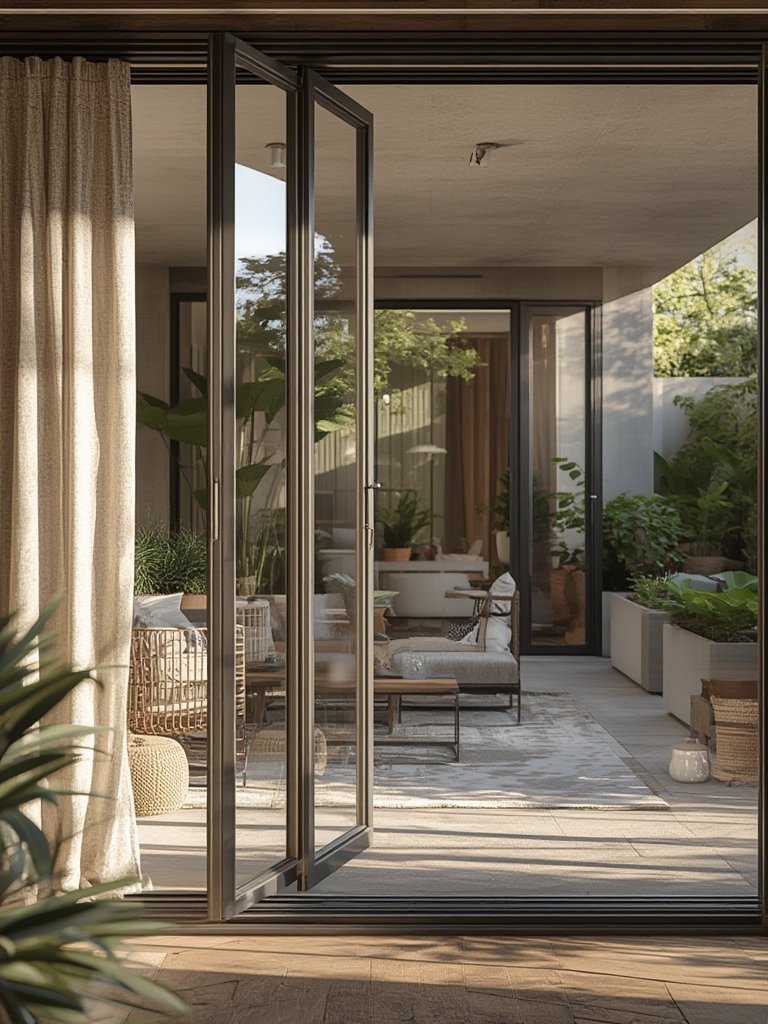
To maximize return and daily enjoyment, focus on a few big moves—consistent flooring, large openings, and practical shading deliver the best blend of function and beauty. For project inspiration and more layout advice, browse our sunroom versus covered patio guide.
Advanced Analysis & Common Pitfalls
While the appeal of indoor outdoor living space design is undeniable, the real-world challenges can derail even the savviest plans. Below are some common pitfalls and gaps most guides overlook, based on recent market reports and research trends:
| Pitfall | Impact | Mitigation |
|---|---|---|
| Lack of Product Specs & Durability Data | Homeowners end up with mismatched or quickly-worn flooring Potential safety issues (slip/freeze risk) | Demand technical specs from suppliers, prioritize slip resistance and UV/freeze rating |
| Underestimated Costs & ROI Gaps | No precise data on true project pricing or resale value gains Leads to budget overruns | Get detailed bids; research similar local projects; weigh enjoyment vs. vague “future value” promises |
| Overlooking Codes & Climate Issues | Retrofits stall or fail; moisture and drainage problems; code violations or permit delays | Consult local building officials; work with pros familiar with climate-specific solutions; review our patio drainage ideas |
| No User-Centric Design | Space is awkward, underused, or uncomfortable year-round No Lifestyle Improvement | Test routes, try outdoor-rated furniture inside first, pilot basic shade solutions |
| Lack of Real-World Examples | Difficult for homeowners to imagine practical results; most resources show staged dream homes only | Look for peer-to-peer forums or local showhomes; document your own before/after to guide future efforts |
Most 2024 industry coverage skips over actual homeowner grievances, technical flooring details, and cost/ROI breakdowns (shopper trends report). In other words, you may need to do extra homework or consult local professionals to fill in these gaps.
Conclusion
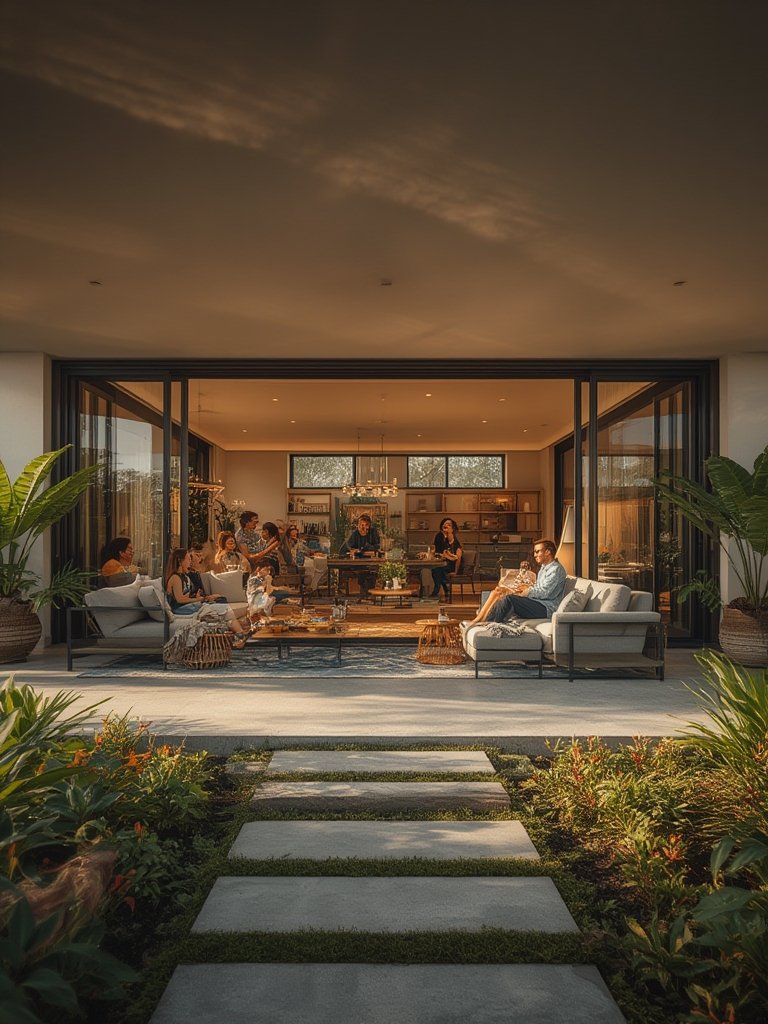
Creating a seamless indoor outdoor living space design can unlock new ways to enjoy your home, add usable square footage, and reflect your unique lifestyle. However, the process is filled with overlooked choices, technical unknowns, and often-unspoken challenges. For the best outcome, address both the dream and the detail. Cut through the noise by demanding specs, confirming costs, and focusing on function as much as beauty. Ready to design your own seamless oasis? Start planning today—and refer back to our indoor outdoor living space design strategies for each upgrade stage.
Looking for more actionable ideas? Don’t miss our creative covered patio landscaping ideas and our contemporary pergola design tips to continue your transformation.
Frequently Asked Questions
What’s the fastest way to create a seamless indoor outdoor living space design?
The single biggest move is to install a large-format sliding or retractable glass door between your main living space and patio, alongside matching floor finishes at the threshold. This opens the space physically and visually, but ensure materials used outside are rated for freeze-thaw cycles and slip resistance.
What flooring should I choose for indoor outdoor transitions?
Most guides in 2024 suggest consistent styles but rarely provide specs. Look for slip-resistant porcelain tile, composite decking, or pavers that match your interior’s tone. Make sure your choice is rated for UV, water, and freeze cycles. Always check supplier data sheets before ordering.
Are building codes or local climate a major issue for these designs?
Yes, particularly for window/door retrofits, roof extensions, and additions. Permits are often required, and local codes may limit what’s allowed. Moisture, drainage, and insulation are climate-specific hurdles. Consult a local contractor for code and weather compliance in your region.
How much does it really cost to create an indoor outdoor living space?
There’s no published standard for average or high-end costs in 2024—estimates vary based on project scope, materials, labor rates, and local codes. Minor upgrades may start at a few thousand dollars, while high-end retractable doors or covered outdoor kitchens can reach $30,000 or more. Request detailed, itemized bids before starting work.
Can these upgrades raise my home’s resale value?
While statistics tie outdoor living features to increased buyer demand and a larger market sector, there are no published ROI figures specific to seamless indoor outdoor transitions. The best ROI comes from creating spaces you’ll actually use, not just for future buyers.