

Low E vinyl windows energy efficiency is one of the most effective ways homeowners can slash energy bills and boost comfort in 2024. If you are tired of drafty rooms and skyrocketing utility costs, replacing old windows with high-performance Low E vinyl options could be the upgrade that pays you back year after year.
Key Takeaways
- Upgrading to Low E vinyl windows typically cuts annual energy bills by 7–30%, with average yearly savings between $126 and $465.
- Most projects see an ROI between 55.7–67.1% on resale and can recoup costs in 7–15 years through energy savings and added home value.
- Choose window specs carefully for your region; ongoing performance of Low E coatings and field installation quality matter for real-world results.
- Understanding Low E Vinyl Windows Energy Efficiency
- How to Maximize Energy Efficiency: Step-by-Step Guide
- Advanced Analysis & Common Pitfalls
- Conclusion
- Frequently Asked Questions
Understanding Low E Vinyl Windows Energy Efficiency
Low E vinyl windows energy efficiency starts with two simple things: a special Low Emissivity (Low E) coating applied to the glass, and a well-engineered vinyl frame. The Low E coating reflects heat while allowing light in, helping keep homes cooler in summer and warmer in winter. Vinyl frames provide solid insulation, reducing energy transfer even further. Together, these upgrades curb costly air leaks and keep comfortable temperatures inside all year long.
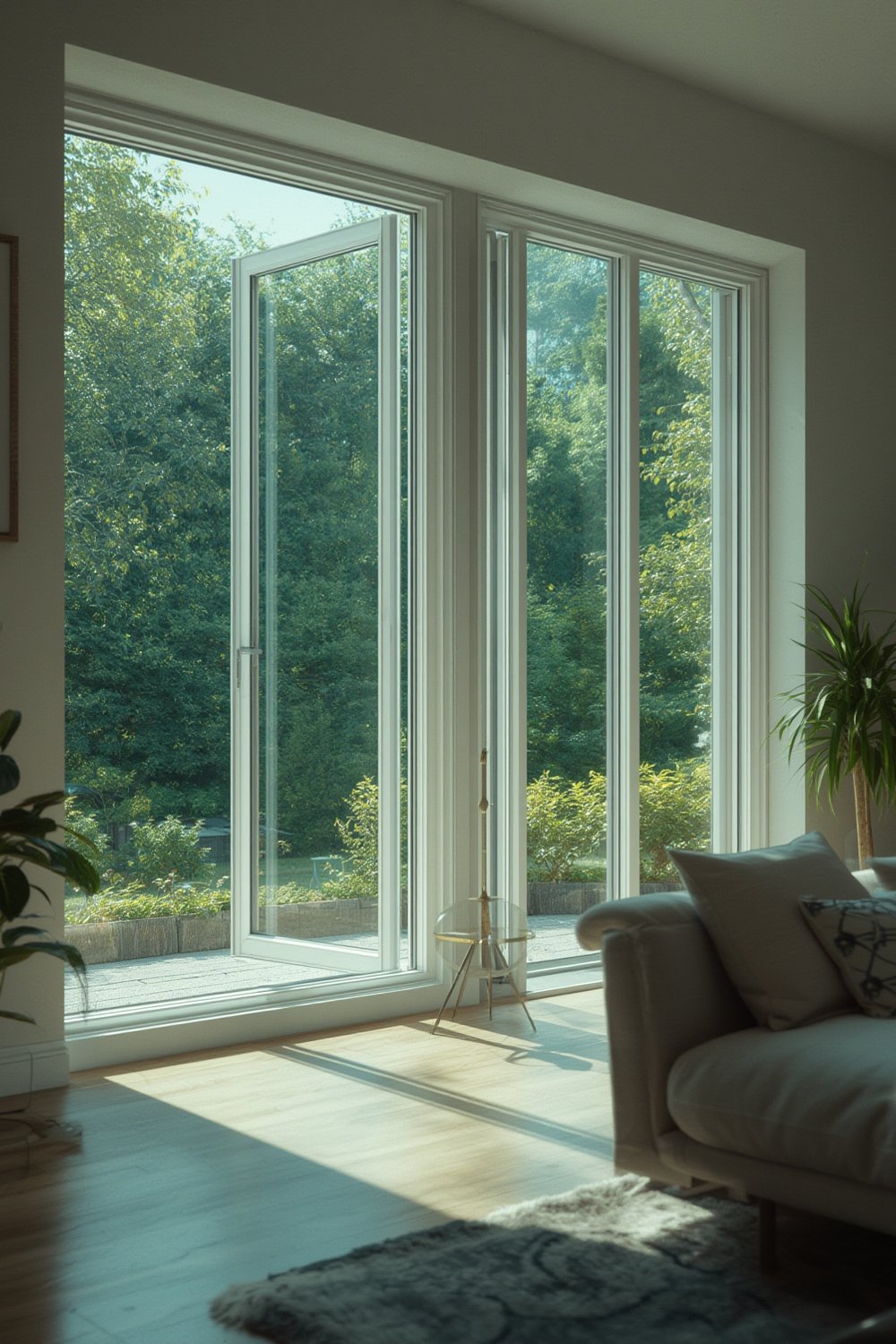
New Energy Star certified Low E vinyl windows usually feature double-pane insulated glass, and sometimes even gas fills for additional efficiency. According to recent research, homeowners replacing old single-pane windows can expect energy cost reductions of 7–30%, with annual savings often ranging from $126 to $465. When replacing outdated double-pane windows, savings typically fall between $27 and $197 per year. Opting for Energy Star products can further increase your efficiency, often averaging a 12% overall drop in household energy use. [Source] [Source]
The investment isn’t just about utility savings. Nationally, the average ROI for a vinyl window replacement project in 2024 stands at 55.7–67.1% of cost recouped at resale. Factoring energy bill reductions, most homeowners recover their investment in 7–15 years. [Source] [Source]
Low E vinyl windows also address other pain points: interior fading, noisy streets, and condensation issues. The performance, however, depends on factors such as local climate, window installation quality, and the specific product selected. Carefully consider your options—and keep reading for actionable strategies and little-known tricks that get the most savings from your project.
Want to compare with other energy-saving projects? Our guide to home energy upgrades also covers heat pumps and insulation.
How to Maximize Energy Efficiency: Step-by-Step Guide
- Audit Your Current Windows. Inspect for drafts, seal failures, fogginess, or cold spots—these are signs your home is bleeding energy. You can use a smoke pencil, thermal gun, or simply check with your hand on a cold day. For more on “window audit techniques,” visit our DIY energy loss guide.
- Choose the Right Low E Vinyl Windows. Buy only Energy Star certified models matched for your climate. Pay attention to:
- U-factor: Lower numbers mean better insulation.
- Solar Heat Gain Coefficient (SHGC): In colder climates, a higher SHGC helps capture winter sun. In hot regions, low SHGC glass blocks summer heat.
- Visible Transmittance (VT): Higher VT means more light enters your space.
Reference our window ratings explainer before shopping.
- Work With a Trusted Installer. Even the best Low E vinyl windows lose efficiency with bad installation. Vet your contractor’s references, make sure they’re certified, and clarify their warranty policy. Sloppy work leads to warping, drafts, and condensation under sashes.
- Claim Rebates and Tax Credits. In 2024, regional municipalities and utility companies often offer rebates for qualifying window replacements. While national programs for Low E vinyl windows are limited, some states and cities provide incentives—check with your local energy office. See our full Energy Star rebates guide for updates.
- Keep Up With Maintenance. Clean tracks and lubricate hardware twice a year. Inspect weatherstripping and caulking, especially after severe seasons. Although no major long-term repair issues are widely reported for Low E vinyl windows, routine care prevents problems like condensation build-up or sticky sashes.
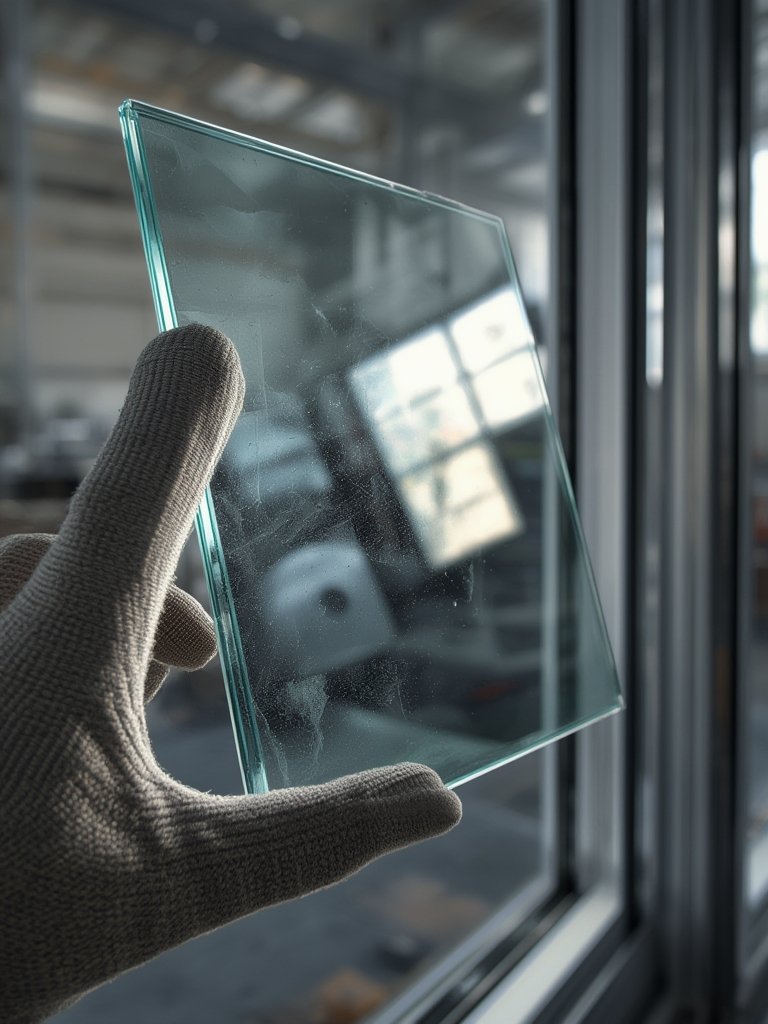
Remember, accurate sizing and proper sealing are just as important as picking the right Low E glass. After install, double-check for any air leaks with an incense stick test, and keep window tracks free from debris.
For older homes, see our vintage window restoration and upgrade tips for best practices when retrofitting new vinyl units.
Advanced Analysis & Common Pitfalls
Low E vinyl windows energy efficiency delivers on savings over the long term, but there are some overlooked challenges and advanced considerations to weigh before you invest:
- SHGC Optimization: Top online guides rarely tailor Solar Heat Gain Coefficient advice for regional climates. Using the wrong SHGC can either underestimate or overblock solar gains, which impacts comfort and costs. In cold, sunny regions, picking an SHGC that’s too low blocks beneficial winter sun. In hot climates, the opposite mistake means your AC runs overtime.
- Low E Coating Longevity: Most research is based on lab tests or new product specs. Real-world data over 10–20 years is scarce. Environmental dirt, cleaning methods, and installation errors may diminish coating performance. To safeguard against long-term efficiency drops, periodically inspect for glass cloudiness and confirm warranty terms up front.
- Thermal Bridging and Installation: Vinyl is a good insulator, but improper installation (missing shims, gaps, or compressed insulation) can create thermal bridges that short-circuit some of your energy savings. Field testing window performance post-installation, using an IR camera or blower door test, is strongly recommended.
| Feature | Energy Star Low E Vinyl Double Pane | Standard Double Pane (No Low E) |
|---|---|---|
| U-Factor (Insulation) | Typically 0.21–0.30 (lower is better) | Usually 0.30–0.50 |
| SHGC (Solar Heat Gain) | 0.23–0.45 (climate-specific) | 0.45–0.70 |
| Visible Transmittance (Clarity) | 0.40–0.60 (moderate to high) | 0.55–0.70 (often higher, but more heat gets in) |
| Annual Energy Bill Savings | $101–$583 (single pane upgrade) $27–$197 (double pane upgrade) | None (baseline) |
Looking beyond specs, cost is another key reality. In 2024, typical vinyl-framed Low E window units range from $400–$1,800 each, size and style dependent. Full-house replacement prices vary by region, so get multiple estimates. There are also very few reports of hidden installation or chronic maintenance issues specific to Low E vinyl windows—routine annual upkeep usually suffices.[Source]
Finally, while national rebate or tax credit details remain sparse for Low E vinyl windows specifically, local utilities may offer incentives. Always ask your installer about rebate paperwork or seek details from your municipality’s energy office. Our 2024 incentives breakdown can help track the latest programs.
Curious about how window upgrades stack up against other projects? Read our home energy payback ranking for a data-driven look at ROI.
Conclusion
For homeowners serious about reducing utility costs and boosting home comfort, Low E vinyl windows energy efficiency remains a top performer for 2024. With average annual savings ranging from $126–$465, a strong resale ROI, and minimal reported maintenance downsides, this upgrade delivers value for most climates and home styles. Take the time to tailor your choice to your location, invest in expert installation, and monitor window performance for years of comfort and savings.
Ready to make your home more energy efficient? Start by evaluating your current windows or find a certified Low E vinyl window installer near you today.
Frequently Asked Questions
How much can I actually save per year by switching to Low E vinyl windows?
Annual savings typically range from $126–$465 if you’re upgrading from single-pane windows, and $27–$197 from standard double-pane windows, depending on home size and climate.
Do Low E vinyl windows require special maintenance?
No special maintenance is required beyond periodic cleaning and making sure weatherstripping/caulking stays intact. Twice-a-year checks are best to ensure efficiency.
Will Low E coatings wear out or stop working over time?
Low E coatings are durable when protected inside double-pane IGUs but can degrade over 10–20 years if exposed to harsh cleaning or environmental factors. Check warranties and inspect for cloudiness.
Can I get tax credits or rebates for installing Low E vinyl windows in 2024?
National incentives are limited, but many local utilities and some municipalities offer rebates for qualifying installations. Check your city or utility’s website for current offers.
What’s the typical ROI on Low E vinyl window replacement?
The average ROI in 2024 is 55.7–67.1% at resale, with most homeowners recouping the full cost (including energy savings) in 7–15 years.