

### Blog Post:
Natural stone furniture is rising fast in home design for 2024, blending timeless aesthetics, real durability, and uniquely organic appeal. Whether you want a modern stone coffee table, a marble accent piece, or a standout travertine dining surface, understanding this trend—and its practical realities—is crucial before investing.
Key Takeaways
- Natural stone furniture adds lasting beauty, strength, and value, but is heavier and requires proper care compared to manufactured alternatives.
- The market is growing fast in 2024, with strong demand for granite, marble, and travertine, plus a push toward sustainable, eco-friendly sourcing.
- Before purchase, assess weight, placement, floor capacity, and maintenance—plus environmental factors that impact stone’s long-term performance.
- What Makes Natural Stone Furniture Unique?
- How to Successfully Integrate Natural Stone Furniture
- Advanced Analysis & Common Pitfalls
- Conclusion
- Frequently Asked Questions
What Makes Natural Stone Furniture Unique?
Natural stone furniture is crafted from solid materials such as marble, granite, travertine, and limestone, not imitations or composites. These pieces are carved, shaped, and finished directly from large stone slabs or blocks, giving each table, bench, or console its own unique surface markings and organic feel. Their intrinsic value comes from both the rarity of the natural stone and the skill required to fabricate sturdy, elegant forms.
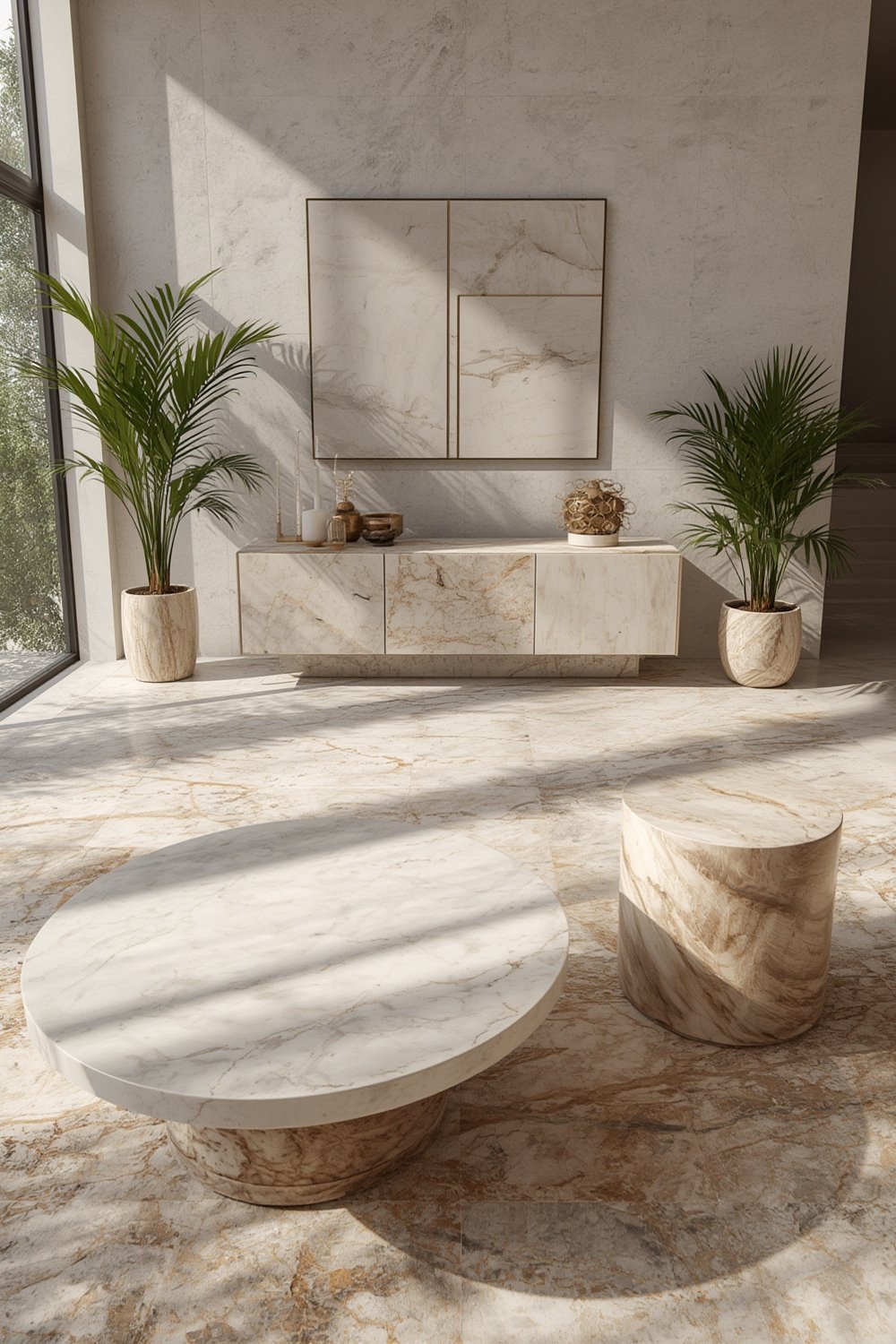
Why are homeowners obsessed with natural stone furniture in 2024? Demand is driven by two parallel trends:
- Distinct, minimal, and earthy design is in. Fair-tinted, beige, and grey stones with unexpected textures fit both quiet minimalism and bold maximalist settings, as detailed in Brachot’s 2024 Natural Stone Trends.
- Unmatched durability compared to wood or MDF furniture. Natural stone resists scratches, heat, and everyday wear—making it ideal for coffee tables, dining surfaces, and outdoor pieces.
Across the globe, the natural stone market is expected to grow from USD 10.1 billion in 2024 to USD 18.8 billion by 2035 at nearly 6% CAGR (Market Research Future). The US market alone sits at $2.20 billion, with strong uptick expected as more households choose stone for renovations and new builds (Grand View Research).
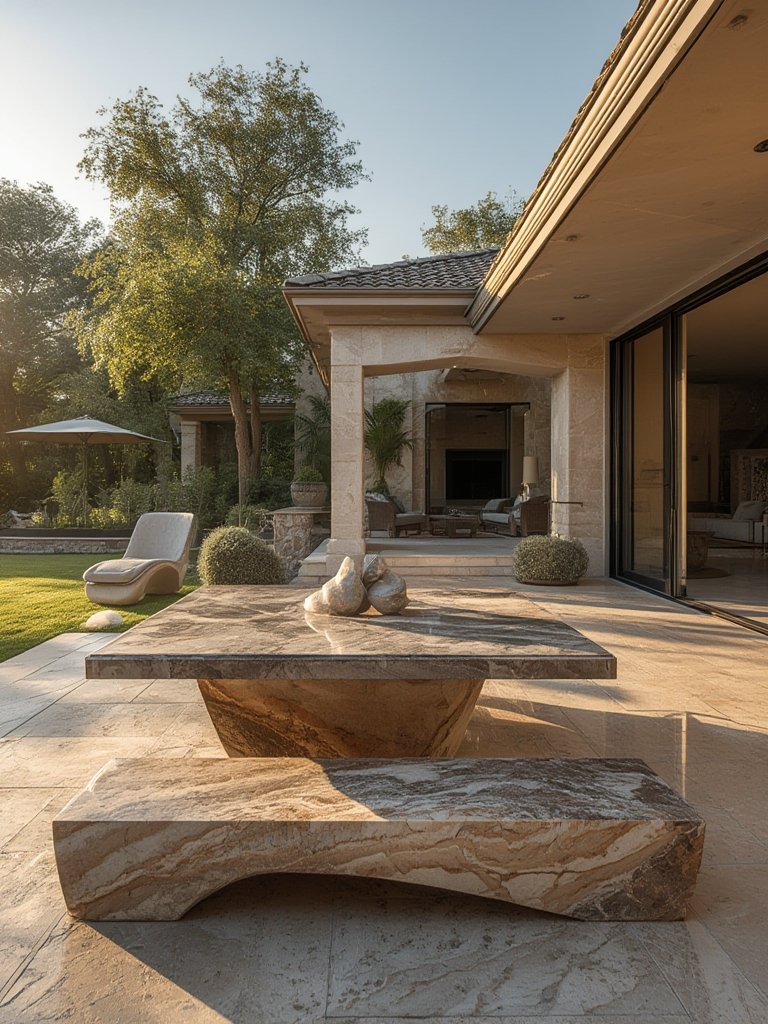
This surge includes a preference for seamless indoor-outdoor living, with stone pieces transitioning smoothly from kitchen to patio. Top materials: granite (35%+ share), marble (fastest growth), and warm-hued travertine—all reflecting the demand for both performance and eco-conscious design.
Want to dive deeper into natural biophilic trends? Explore our biophilic design guide for living rooms.
How to Successfully Integrate Natural Stone Furniture
Choosing and installing stone furniture is a step-by-step process. Here’s how to get it right the first time:
- Measure the intended space carefully. Natural stone is unforgiving with tight clearances. Account for overhangs, base thickness, and clearance for chairs.
- Assess surface finish. Polished marble shows water spots and fingerprints but offers luxe reflectivity. Honed or matte finishes (especially on travertine or limestone) better conceal daily marks and add subtlety.
- Check required maintenance. While granite and quartzite are durable, marble and travertine need periodic sealing. Wipe up spills immediately to prevent etching or staining. For maintenance tips and home cleaning hacks, read our guide on easy-clean home surfaces.
- Plan for delivery and installation. Natural stone tables typically weigh 100-500+ lbs. Confirm the delivery path—hallways, stairs, doorways. Some pieces require on-site assembly using steel rods or epoxy.
- Integrate with surrounding design. For seamless transitions between indoor and outdoor furniture, select stones with consistent color tones. Enhance with organic decor like indoor plants or paired furniture for a balanced, biophilic look. For inspiration on connecting spaces, see our guide to indoor-outdoor living.
- Prioritize sustainability where possible. Ask suppliers for sourcing details. US-based, responsibly quarried stone reduces environmental impact. Look for fabricators committed to circular economy practices and waste minimization (Brachot Academy).
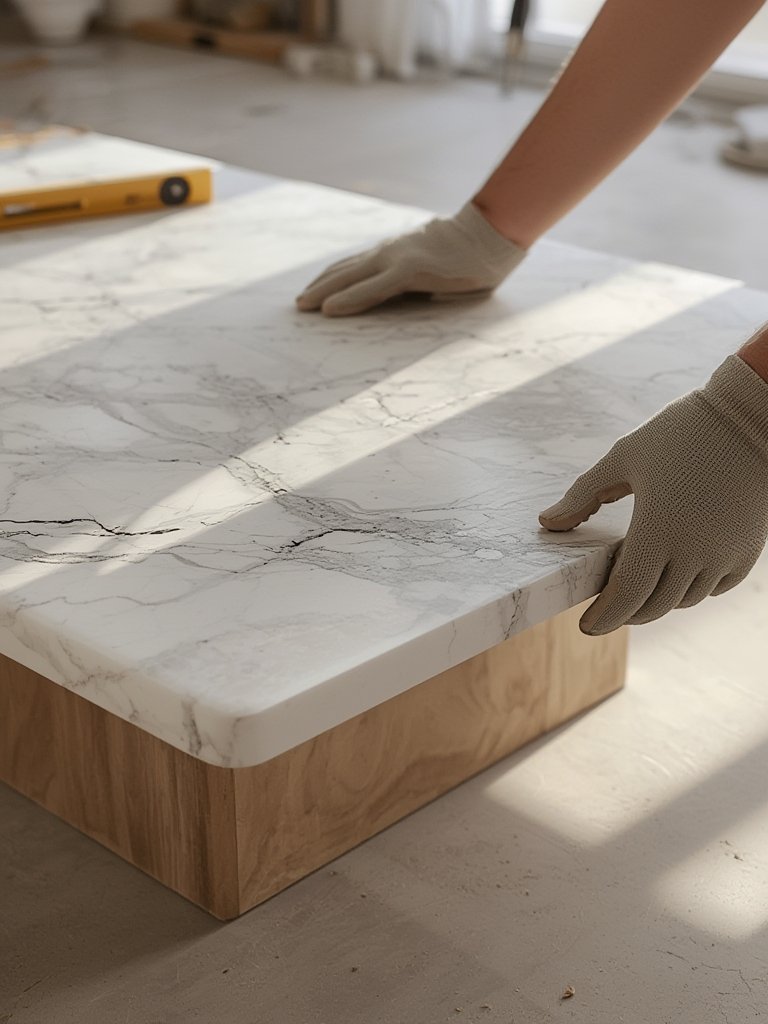
- Test for comfort and stability. Natural stone edges should be eased (softened) to prevent injury. Check for a level base and no rocking—uneven stone or floor may require minor pad adjustment.
- Plan child and pet safety. Heavy stone can cause injury if toppled. Opt for wide, stable bases, especially for busy homes. For safer, family-friendly furniture, see our warm minimalism guide.
Following these steps ensures your stone furniture is both a functional investment and a design highlight—without the headaches.
Advanced Analysis & Common Pitfalls
Navigating natural stone furniture isn’t just about beauty. Here’s what real buyers struggle with (and what the data doesn’t always mention):
- Weight & Moving: Most stone tables are extremely heavy. Improper handling causes structural damage or personal injury. Always use professional delivery teams with stone experience.
- Surface Damage: Marble and travertine are porous—susceptible to staining from wine, juices, or acidic foods. Regular sealing helps, but owners must remain vigilant with spills.
- Repair Limitations: Chips or cracks are difficult to repair invisibly. Unlike wood, repairs on stone are often costly and results may be evident.
- Lack of Customization: Stone allows some flexibility with size and edge shape, but patterns and color variations cannot be controlled. Each piece is one-of-a-kind.
- Price Transparency: There is limited public data on price comparisons between stone and manufactured alternatives—expect to pay a premium for genuine pieces, but longevity can offset initial investment.
- Environmental Impact: While sustainable options exist, some imported stones have significant transport emissions or lack ethical sourcing. Ask for documentation or third-party verification where possible.
| Stone Type | Best Use | Durability | Maintenance | Limitations |
|---|---|---|---|---|
| Granite | Dining tables, sideboards, outdoor | Very high | Low (seal annually) | Limited color warmth, very heavy |
| Marble | Accent tables, consoles, luxury dining | Medium (susceptible to etching) | Moderate (seal/clean carefully) | Stains and scratches easily |
| Travertine | Coffee tables, bases, accent pieces | Medium (porous) | Moderate (must seal, avoid acids) | Pitting, light colors show marks |
| Limestone | Benches, outdoor furniture | Lower (soft, easily marked) | Higher (frequent sealing) | Absorbs stains, not for heavy use |
If you’re interested in other natural materials and eco-friendly furniture, visit our sustainable wood furniture guide for deeper insights on green interior trends.
If mixing stone and wood, pay close attention to humidity and cleaning routines—some surfaces react differently, and mismatches can lead to uneven aging.
Conclusion
Natural stone furniture is more than just a trend—it’s a lasting investment in style, durability, and design value. However, make sure to balance the strengths (stunning looks, robust surfaces) against the realities (weight, maintenance, cost, and sourcing challenges). By planning ahead, you’ll enjoy all the benefits the natural stone furniture movement offers for years to come.
Thinking about starting your search? Compare your needs, set your priorities, and always ask vendors about sustainability. Want to discover more about integrating texture and organic forms? Check out our guides to quiet minimalism and curved furniture design—perfect companions for a stone-based space.
Ready for timeless interior upgrades? Explore your options in natural stone furniture today and bring enduring beauty, sustainability, and sophistication into your home.
Frequently Asked Questions
How heavy is natural stone furniture?
Natural stone furniture is significantly heavier than wood or MDF pieces. A small coffee table can weigh 100–200 lbs, while larger dining tables may exceed 600 lbs. Always check flooring support and use professional movers for delivery.
Is natural stone furniture suitable for families with kids or pets?
Yes, if you choose the right stone and finish. Round edges, stable bases, and honed surfaces are safest. However, marble and travertine mark more easily; granite or quartzite are tougher choices for busy homes.
How do I care for and maintain stone tables?
Wipe up spills immediately to avoid etching or stains. Seal porous stones like marble and travertine annually. Avoid acidic cleaners. For more home surface tips, see our cleaning guide.
Is natural stone furniture sustainable?
Sustainability varies by quarry/source. US-based suppliers focused on ethical extraction and waste reduction are preferable. Ask about certifications and transport footprint. Fabricators like Brachot are working on sustainable solutions (learn more).
What styles work best with natural stone furniture?
Stone furniture adapts well to minimalism, Japandi, maximalist, classic, and even bohemian looks. Pair with organic textures, soft curves, and natural light. For a cohesive design, see our guide to indoor-outdoor living spaces.
—