

Pleated curtains have surged in popularity in 2024, becoming the top choice for homeowners and designers wanting a soft, custom window treatment with timeless elegance. Whether you’re seeking practical insulation, blackout comfort, or the romance of layered fabric, pleated styles offer versatility that flat or gathered curtains simply cannot match.
Key Takeaways
- Pleated curtains are the fastest-growing segment in the global curtains market, favored for their tailored look and ability to upgrade any space.
- Choice of pleat type, fabric weight, and lining are crucial for both style and function—customization matters.
- Common pitfalls include improper measurement, challenging installation of some pleat types, and accidental downgrading of insulation or light control when quality details are overlooked.
- What Makes Pleated Curtains Special (And Why Choose Them)?
- Step by Step: How to Select, Style, and Hang Pleated Curtains
- Advanced Analysis: Pitfalls, Real Issues & Cost Factors
- Conclusion
- FAQs
What Makes Pleated Curtains Special (And Why Choose Them)?
Pleated curtains bring structure and softness together, offering depth, fullness, and visual movement that other window treatments struggle to match. Unlike rod pocket, tab top, or simplest eyelet drapes, pleated styles—especially pinch pleat, box pleat, goblet pleat, and ripplefold—hang in crisp, even folds from top to bottom. This creates a polished look, improves room acoustics, and gives homeowners maximum control over lining, header detail, and fullness ratio.
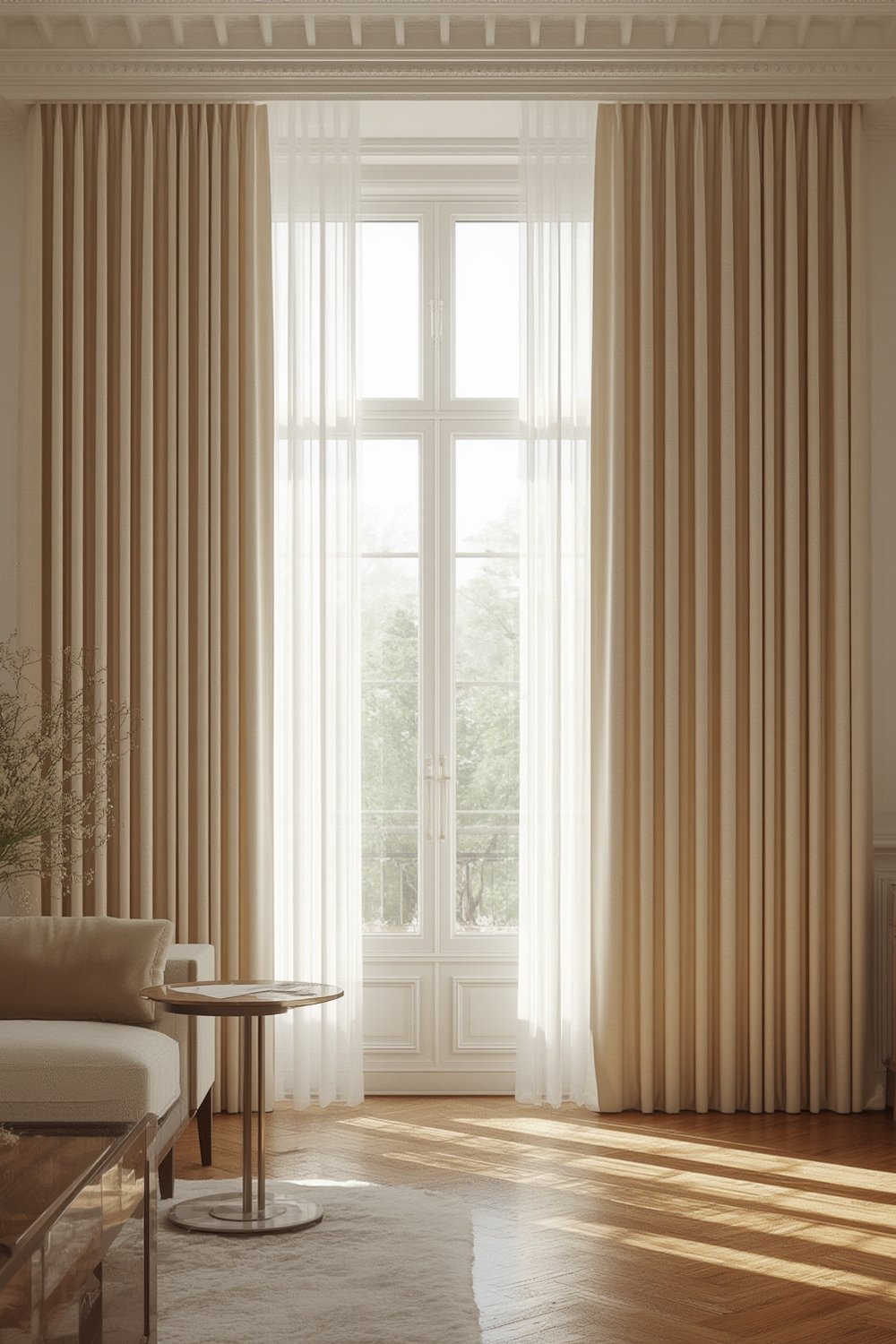
The market for pleated curtains is booming. The global curtains market reached $12.96 billion in 2024, and industry forecasts expect pleated curtain sales to climb even faster than flat or gathered alternatives. Customization, thermal/blackout linings, and automation (motorized open/close) are major trends. According to Market Research, ripplefold pleats are especially popular for smart home systems, while box and pinch pleats dominate in traditional and romantic interiors.
Homeowners choose pleated curtains for:
- Better light control: precise overlaps let you fine-tune brightness
- Improved insulation: pleats trap air, reducing drafts and heat loss
- Soft, romantic look with tailored edges—especially when using light-filtering fabrics
- Easy layering with sheers or blackout linings for extra versatility
If you care about both energy bills and style, pleated curtains are a practical upgrade. In fact, adding well-lined pleated drapery is as effective as low-E vinyl windows for improving thermal efficiency in many living rooms—see our window efficiency guide for more on this.
Step by Step: How to Select, Style, and Hang Pleated Curtains
Ready to give your space the signature softness and sophistication of pleated curtains? Here’s how to choose and install the ideal panels for your style, function, and budget.
- Pick your pleat style
- Pinch pleat: Universal and classic—ideal for most living areas and bedrooms. Deep folds create traditional elegance and excellent blackout coverage.
- Box pleat: Crisp, architectural folds for a tailored, masculine vibe—spotlighting fabric texture.
- Goblet pleat: Rounded, theatrical top pleats—works best with formal spaces or double-height windows.
- Ripplefold: Streamlined modern look—especially for motorized or smart curtain systems. Great for contemporary open-plan rooms.
- Choose the right fabric
- For a soft, romantic look: opt for linen, matte cotton, or lightweight velvet. Avoid stiff synthetics.
- Energy efficiency: add blackout or thermal lining for insulation—especially on north-facing or drafty windows.
- Design layering: consider a sheer inner panel for filtered light and privacy, paired with a heavier pleated curtain outside.
- Measure precisely
- Width: 2 to 2.5x window width for standard fullness, 3x for dramatic, “hotel” effect.
- Length: For a soft, luxurious puddle, add 4-6 inches. For crisp tailoring, curtains should “kiss” just above the floor.
- Install the hardware
- Use heavy-duty curtain rods, ideally mounted 6–12 inches above the window frame.
- Pleated curtains require traverse rods or rings with hooks—not just basic tension rods.
- Hang, steam, and style
- After hanging, always steam pleated curtains from top down to set folds and erase package creases.
- Adjust each pleat by hand for the perfect fall and fullness.
- Don’t skip tiebacks or holdbacks for layered looks, especially in romantic or formal rooms.
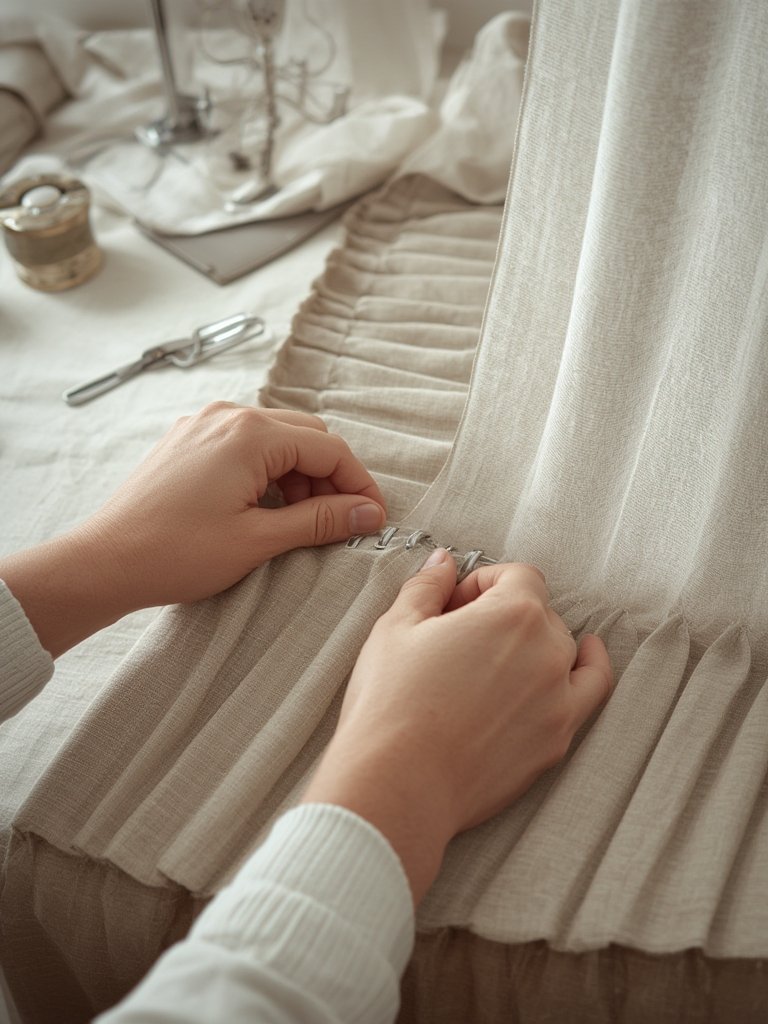
For even more home renovation guidance, our detailed guides on porch-to-sunroom conversions and quiet minimalism offer actionable insights for boosting comfort and resale value.
Advanced Analysis: Pitfalls, Real Issues & Cost Factors
Pleated curtains bring a luxury finish, but there are real-world pitfalls and cost factors you need to consider before buying or installing. Here’s a breakdown of where most homeowners or DIYers go wrong:
- Incorrect measurements: Pleated curtains rely on fullness. Ordering panels too narrow (<2x window width) results in limp, gappy coverage and poor insulation.
- Choosing the wrong pleat style for the space: Box or goblet pleats sometimes overwhelm small windows; ripplefold styles may not cover awkward angles or odd-shaped windows completely.
- Low-quality fabric or lining: Budget ready-made panels made with thin polyester often fail to drape well, losing the intended fuller look and allowing more heat transfer.
- Poor hardware installation: Using cheap or insufficiently anchored rods risks sagging, especially with heavy blackout drapery.
- Maintenance surprises: Intricate pleats can catch dust or require specialty cleaning, especially with textured fabrics or embellishments.
Cost Breakdown and Comparison
| Curtain Type | Customization | Average Cost (2024 USD) | Light Control | Insulation | Ease of Install | Aesthetics |
|---|---|---|---|---|---|---|
| Pinch Pleat (Custom) | High | No reliable data | Excellent | Excellent | Intermediate | Timeless, romantic |
| Box Pleat | High | No reliable data | Very Good | Good | Challenging | Elegant, structured |
| Ripplefold | Medium | No reliable data | Good | Good w/ lining | Easy (track system) | Modern, minimal |
| Eyelet | Low | No reliable data | Moderate | Poor | Very easy | Casual, modern |
| Tab Top / Rod Pocket | Low | No reliable data | Low | Low | Very easy | Simple, informal |
If you’re renovating for energy savings, combining pleated curtains with modern window replacements will yield significant improvements. For smaller design upgrades—like integrating natural materials or layering with tactile fabrics—explore our biophilic design ideas and corduroy upholstery tips for added comfort.
Be aware that while pleated curtains have a higher upfront cost than stock drapes, they deliver superior function, a made-for-you look, and, when well-built, years of reliable service. Review market specifics such as those featured in the GrandView Research report before committing to a custom order.
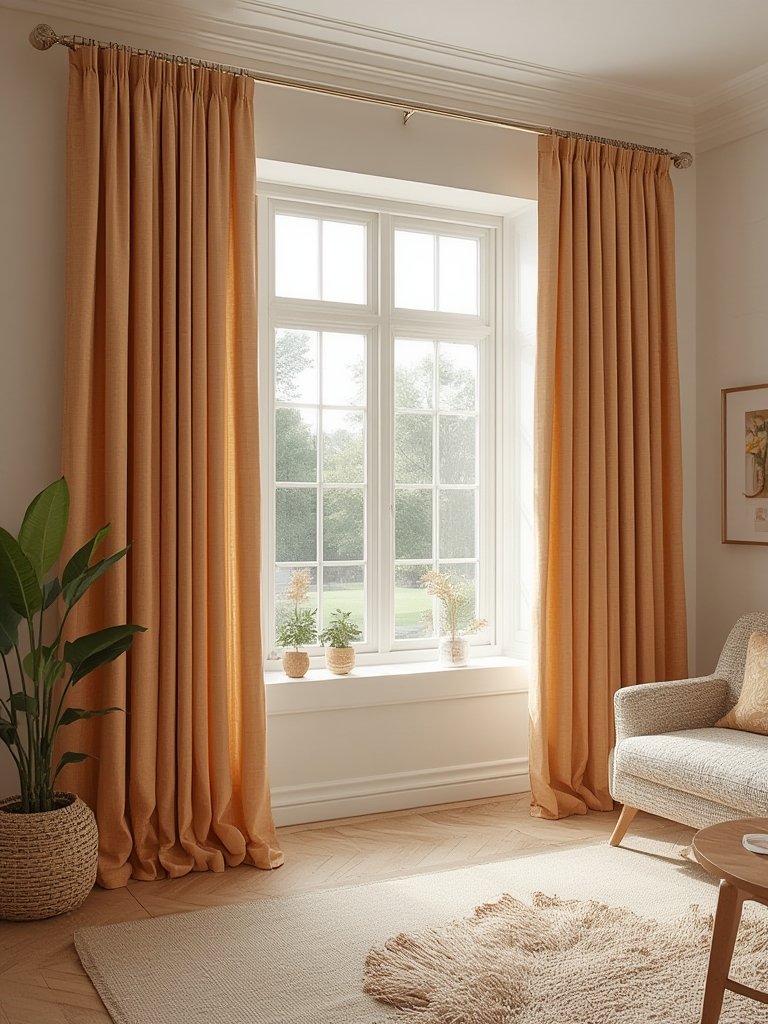
Conclusion
Pleated curtains remain the gold standard for homeowners who want lasting style, improved insulation, and versatile light control. When you use quality hardware, opt for tailored lining, and properly measure for fullness, you’ll achieve that high-end, romantic “magazine” look most stock curtains simply can’t deliver.
Getting professional results doesn’t have to be costly, but never cut corners on width, fabric quality, or hardware strength. For more actionable home improvement and style advice, explore our related guides on creating a wellness retreat or maximizing multi-functional spaces.
Ready to upgrade? Start your search for pleated curtains today and transform your windows—the payoff in comfort, character, and curb appeal is immediate.
FAQs
What are the key differences between pleated curtains and eyelet curtains?
Pleated curtains have sewn-in folds that create tailored stacks and improve insulation, whereas eyelet curtains have metal rings at the top and slide directly onto a rod for a casual, wave-like appearance. Pleated options offer more light control and a formal finish.
How do I maintain pleated curtains for long-lasting beauty?
Vacuum or dust regularly to keep pleats crisp. Steam to remove wrinkles. Dry-clean if the label recommends—especially for lined or velvet panels—since washing can destroy pleat structure on some fabrics.
Are pleated curtains more energy efficient than basic drapes?
Yes. The structured folds of pleated drapery trap air, improving thermal insulation. Add blackout or thermal lining to boost energy savings even further, rivaling the effectiveness of some window upgrades.
Can I install pleated curtains myself, or do I need a professional?
Most handy homeowners can install pleated curtains using basic drill and level tools, as long as they use sturdy rods and follow measurement guidelines. For bay windows or complex setups, professional installation may deliver a more consistent look.
What pleat style is best for a romantic bedroom?
Pinch pleat or goblet pleat styles provide a soft, romantic effect—especially in linen or velvet fabrics with blackout lining for privacy and light blocking. Avoid stiff, minimal pleats like box or ripplefold for spaces needing extra softness.