

### Blog Post:
Pollinator garden design is now considered essential for anyone who wants to support biodiversity, protect food supplies, and bring life and color to their yard. Recent research shows just how urgent and effective these gardens can be—but also highlights pitfalls, cost myths, and real-world frustrations most guides skip. If you want a pollinator garden that truly works (and lasts), this is your realistic, step-by-step blueprint—grounded in the latest science.
Key Takeaways
- Pollinator garden design using native plants can increase pollinator visits by over 40 times compared to non-native or ornamental species, supporting butterflies, bees, and more.
- Costs for native milkweeds gardens can be competitive or lower than traditional beds, especially after the first few years.
- To avoid wasted effort and poor results, design for continuous bloom, structure, and local conditions—and don’t overlook weeding, maintenance, or nesting habitat.
- What Is Pollinator Garden Design & Why Does It Matter?
- Step-by-Step Pollinator Garden Design Process
- Advanced Analysis & Common Pitfalls in Pollinator Garden Design
- Conclusion
- FAQ
What Is Pollinator Garden Design & Why Does It Matter?
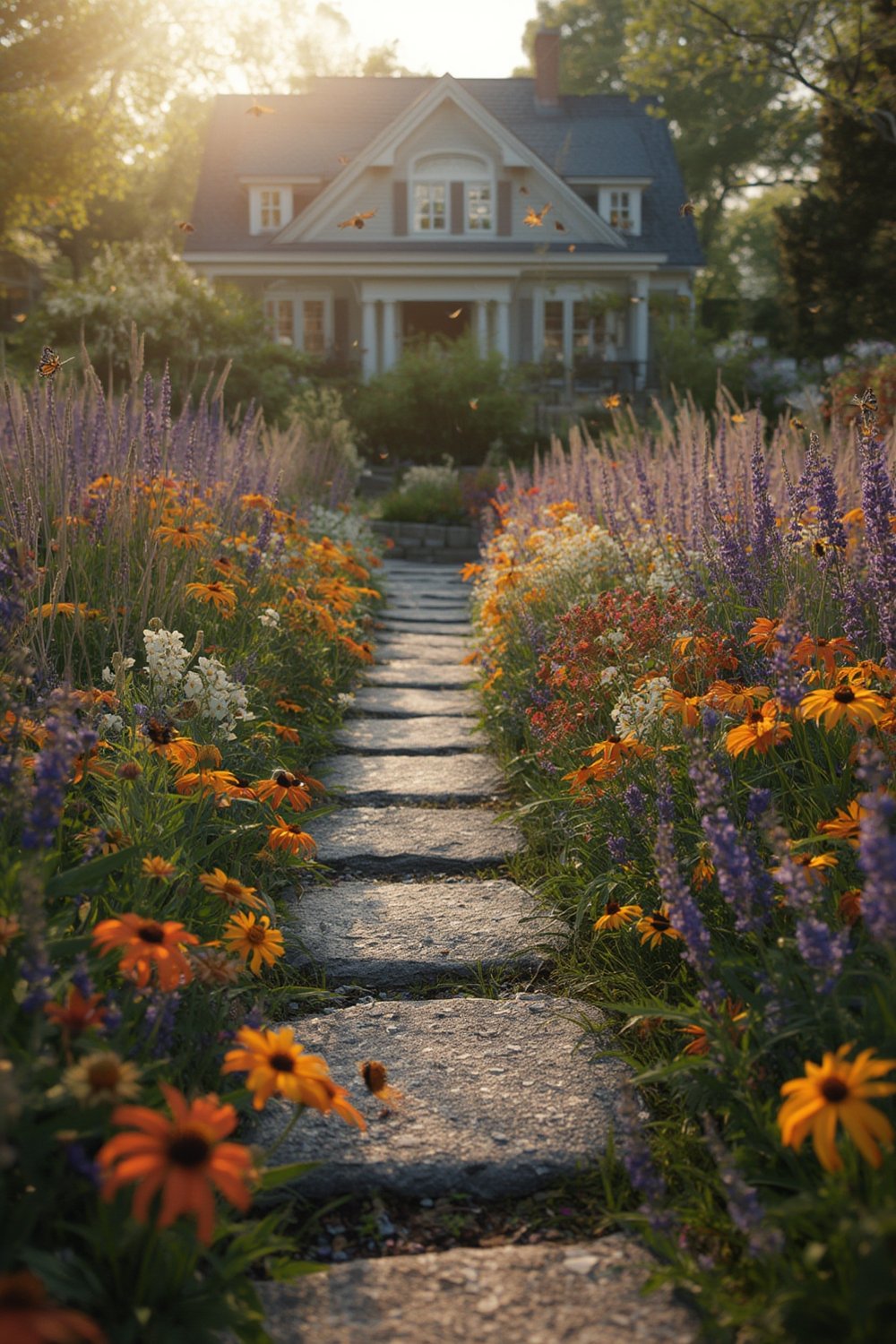
Pollinator garden design is the deliberate planning and planting of gardens or meadows that maximize resources for native pollinators—bees, butterflies, moths, beetles, and even hummingbirds. Why is it so critical right now? Animal pollination is necessary for 75 percent of all flowering plants and around 35 percent of food crops globally, underpinning food security and ecosystems. Yet, pollinator numbers continue to fall due to habitat loss, pesticide use, and climate change. Without intervention, this threatens both wildflowers and foods we rely on. Research from 2023 and 2024 shows that a well-designed pollinator garden, especially with diverse native plants, dramatically boosts local pollinator abundance and diversity—even where decline trends dominate globally. For example, in one Minneapolis metro study, over 3,000 individual pollinators from 65-plus species were recorded in restored sites, with native flowers visited over 40 times more commonly than non-native ones. Thoughtful design matters: quick, ornamental fixes—like store-bought annual mixes or “pollinator-friendly” labeled pots—cannot deliver the same ecosystem benefit as a site-adapted, native-driven planting.
Step-by-Step Pollinator Garden Design Process
To create a resilient and effective pollinator garden, follow these evidence-backed steps:
- Map your conditions and space. Identify sun versus shade, wet versus dry areas, and note existing plants or obstacles. This ensures you choose species that will survive past the first year.
-
Research native plants for your region, focusing on key pollinator species.
- Top performers like Anise hyssop (Agastache foeniculum), bee balm (Monarda fistulosa), native milkweeds (Asclepias spp.), and goldenrods (Solidago spp.) are generally safe choices, but use local nursery and conservation lists when possible.
- Mix plants that provide pollen and nectar at different times (spring, summer, late fall).
- Don’t forget host plants for butterfly larvae (like milkweed for monarchs).
-
Create a layered, dense planting plan.
- Include groundcovers, mid-height perennials, and taller forbs and grasses. This provides foraging, shelter, and nesting for a range of pollinators.
- Don’t plant too sparsely. Gaps invite weeds and increase maintenance headaches in years 1-2.
-
Prep the site thoroughly.
- Remove existing turf or weeds completely by sheet mulching, solarizing, or repeated shallow tilling. Skipping this step almost guarantees ongoing weed battles.
-
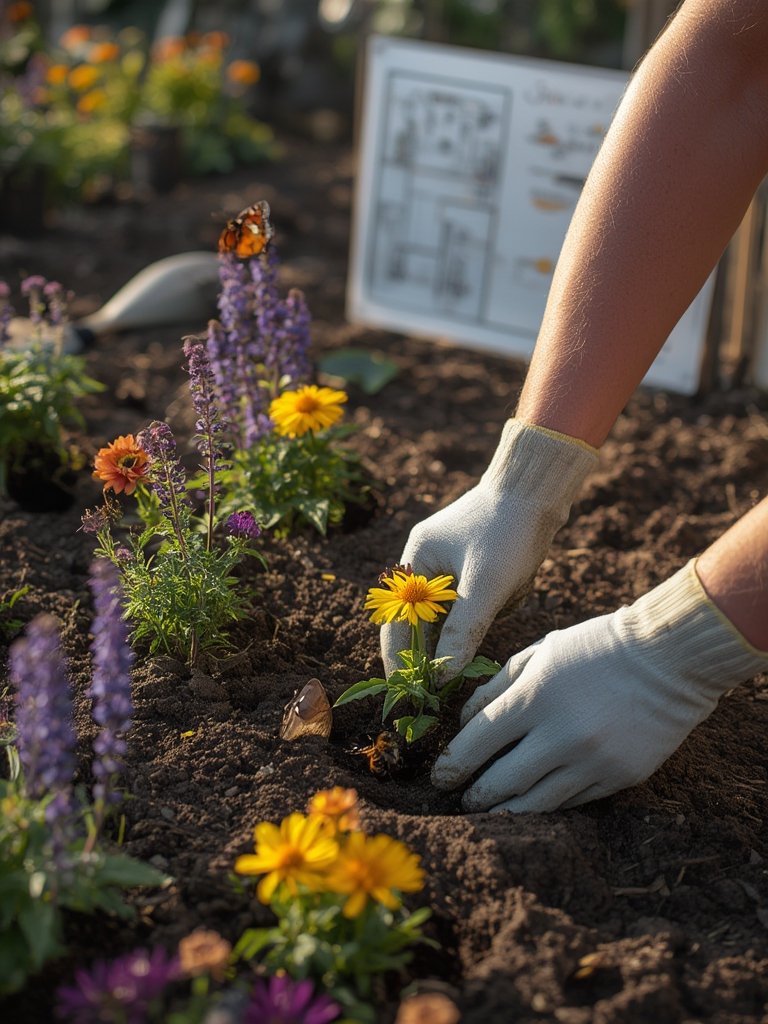
Sow seed and/or plant nursery-grown plugs.
- Seed is affordable for large areas but requires patience and weed vigilance. Plugs give instant structure, speed up establishment, and reduce weeding but are pricier upfront.
-
Water, mulch (lightly), and weed intensively for the first 2-3 years.
- Most maintenance headaches come during early years. Expect more weeding than planting in year 2.
- Avoid deep mulch that blocks ground-nesting bees. Leave some bare patches.
-
Maintain for pollinators, not just looks.
- Skipping or mistiming cutbacks, mowing during peak bloom, or removing dead stems/leaves in fall destroys habitat value for monarchs and native bees. Delay major cleanups until late winter.
-
Never use pesticides or weed and feed products—these can wipe out the very insects you’re trying to help.
For guidance on climate-adaptive plant choices, see the USDA’s pollinator resources.
-
Monitor results.
- Track which plants are most visited by bees and butterflies through the seasons. This informs future improvements (and boosts personal satisfaction).
- If you want to make more of your yard pollinator-friendly, see our guide to native plant lawns or consider meadowscaping for large areas.
For more ways to blend pollinator habitat into everyday landscapes (including patios), check out our indoor outdoor living space design tips.
Advanced Analysis & Common Pitfalls in Pollinator Garden Design
Even with the best intentions, pollinator gardens often fail to thrive, underperform for insects, or become overwhelming to maintain. Here’s what most guides miss, backed by recent studies:
Most Common Pitfalls (Data-Backed)
- Too many non-native or ornamental plants: These provide little nectar/pollen. In one field study, pollinators visited native flowers over 42 times more frequently than non-natives (source).
- Poor plant choice or “pollinator” cultivars: Varieties bred for unique shape or color often lack real nectar or pollen. If in doubt, stick with straight native species.
- Sparse planting and delayed gratification: Most native perennials require two to three years to mature and fill in. Expect lots of weeding early, and don’t judge your project in year one.
- Lack of continuous bloom and structural diversity: Gardens with a single bloom flush have “dead zones” with no food for much of the year. Real value comes from season-long abundance.
- Poor nesting habitat: Heavy mulch, total plant cover, or aggressive fall cleaning eliminates nesting for native bees and shelter for overwintering insects.
- Incompatible maintenance: Mowing at the wrong times, using pesticides, or cutting back stems before winter undoes habitat gains.
- Ignoring community or policy barriers: Many areas have HOA or municipal “weedy lot” rules that may restrict tall native plants or less tidy growth forms. Research local regulations and look for ways to comply using mown edges or signage.
Upfront and Ongoing Cost Comparison
| Cost Element | Native Pollinator Garden | Traditional Lawn or Ornamental Bed |
|---|---|---|
| Upfront cost (seed-based) | Low (but requires patience and site prep) | Varies (often higher for sod or bedding) |
| Upfront cost (plug-based) | Moderate to high (native plugs cost more per plant) | Low (mass-market annuals cheaper but short-lived) |
| Year 1-2 maintenance | High (intensive weeding, some watering needed) | High (mowing, fertilizing, replanting annuals/lawn maintenance) |
| Year 3+ maintenance | Low (occasional spot weeding/mowing, minimal supplemental water) | Ongoing (regular mowing, fertilizing, chemical treatments) |
| Pesticide/fertilizer use | Not recommended (avoid for pollinator health) | Frequent in lawn or bedding scenarios |
For a broader landscape transformation, consider the meadowscaping approach—see our breakdown of lawn to meadow conversion benefits and pitfalls.
Plants with Best Results (Regional Standouts)
- Anise hyssop, bee balm, goldenrods, native asters, and milkweeds: Consistently attract dozens of native bee and butterfly species, per midwest restoration research.
- Field thistle and gray-headed coneflower: Also among the most-visited for pollinator diversity.
- Spacing and density: Too few milkweeds or asters means wasted effort for monarchs and other specialist insects; aim for repeated clumps throughout the garden, not single scattered plants.
If you want additional design inspiration for blending nature and interior comfort, see our biophilic design living room guide.
Policy and Social Hurdles
- Local codes and HOAs: Check rules before you plant—some restrict plant height, “wild” appearance, or allow complaints from neighbors if not “tidy.” Solutions include mown borders, signs, or working with local government for exemption classifications (policy trends here).
- Access and equity: Not everyone can afford or install a large garden. Group buys, public park installations, and informational sharing can reduce barriers and serve a wider community.
For storage and indoor comfort upgrades that complement outdoor habitat, see kitchen organization or our enclosed porch to sunroom ideas.
Conclusion
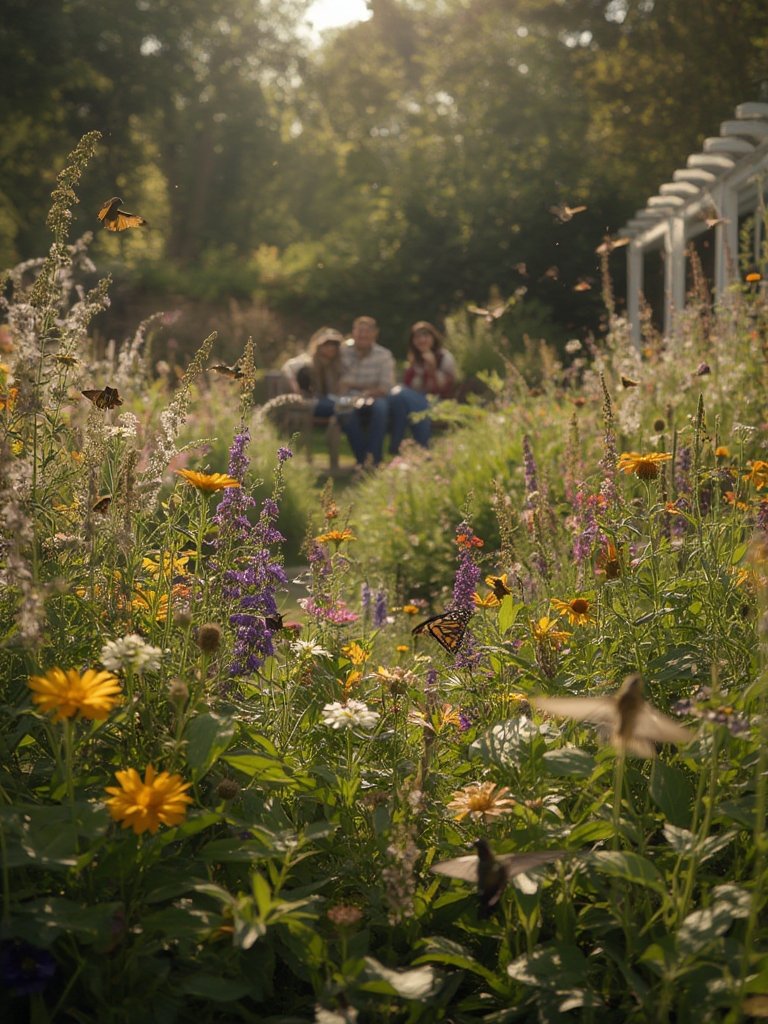
A well-designed pollinator garden, built around native plant diversity and careful early maintenance, is one of the most powerful ways you can help address ecosystem decline and add vibrant, living beauty to your space. Evidence from 2023-2024 confirms that pollinator garden design is most successful with local species, overlapping blooming times, and structural complexity—including nesting opportunities for bees. The upfront effort more than pays off in ongoing savings, easier care, and visible impact—just remember that patience and realistic expectations set you up for success. Ready to get started? Review your site, pick a shortlist of native plants, and map out a season-long bloom. If you’re considering expanding your eco-friendly home upgrades, don’t miss our deep-dive on EV charger installation at home—and let’s make every part of your property work smarter for you, pollinators, and the planet.
FAQ
How soon will I see pollinators in my new garden?
Most gardens see increases in bee and butterfly activity within the first season, but peak diversity arrives after 2-3 years when native perennials mature. Consistent blooming and plant density help attract more insects. Results depend on plant choice, continuous bloom, and avoidance of pesticides.
What are the easiest native plants for beginner pollinator garden design?
Start with anise hyssop, bee balm, black-eyed Susan, milkweed, goldenrod, and native asters. These are widely available, tough, and highly attractive to pollinators. Always match your zone and conditions.
How can I reduce weeds when establishing a pollinator garden?
Thorough site prep—like removing all turf and weeds, sheet mulching, and dense planting—minimizes weed problems. Expect intensive weeding in the first two years. Choosing plugs over seed for key spots helps fill space fast and crowd out unwanted plants.
Will pollinator garden design increase pests or cause problems with neighbors?
Well-designed gardens do not increase pest outbreaks. In fact, they support natural predators and require fewer or no pesticides. To avoid neighbor complaints or HOA issues, maintain tidy paths, borders, and use signage to signal intent and ecological value.
Can I combine a pollinator garden with other eco-friendly upgrades?
Absolutely. Many homeowners integrate pollinator gardens with native plant lawns, meadowscaping, or waterwise landscaping. You can also enhance indoor wellbeing with biophilic home decor approaches for a holistic, nature-based home.
—