

### Blog Post:
Quiet minimalism home design has become one of the most desired interior approaches for homeowners in 2024, valued for its blend of intentional simplicity, comfort, and discreet luxury. But going minimal doesn’t have to mean cold or clinical living spaces—done right, it’s warmth, timelessness, and practical peace of mind for both city apartments and family homes.
Key Takeaways
- The demand for quiet minimalism and understated luxury is rising, with 63% of consumers preferring minimalist designs in 2024.
- Balanced minimalism blends comfort with high-quality, sustainable materials—avoid going so minimal that spaces feel sterile or impractical.
- Investing in timeless, neutral designs improves long-term resale potential and daily well-being, while also promoting easier maintenance and less stress.
- What Is Quiet Minimalism Home Design?
- Step-by-Step Guide to Creating a Quiet Minimalist Home
- Advanced Analysis & Common Pitfalls
- Conclusion
- FAQ
What Is Quiet Minimalism Home Design?
Quiet minimalism home design is an interior style defined by a restrained, clutter-free look combining neutral palettes, natural materials, and innovative functionality. Unlike stark, empty interpretations of modern minimalism, quiet minimalism emphasizes a calm, cohesive vibe with discreet luxury—using timeless pieces, soft textures, and quality finishes that quietly signal sophistication instead of shouting for attention.
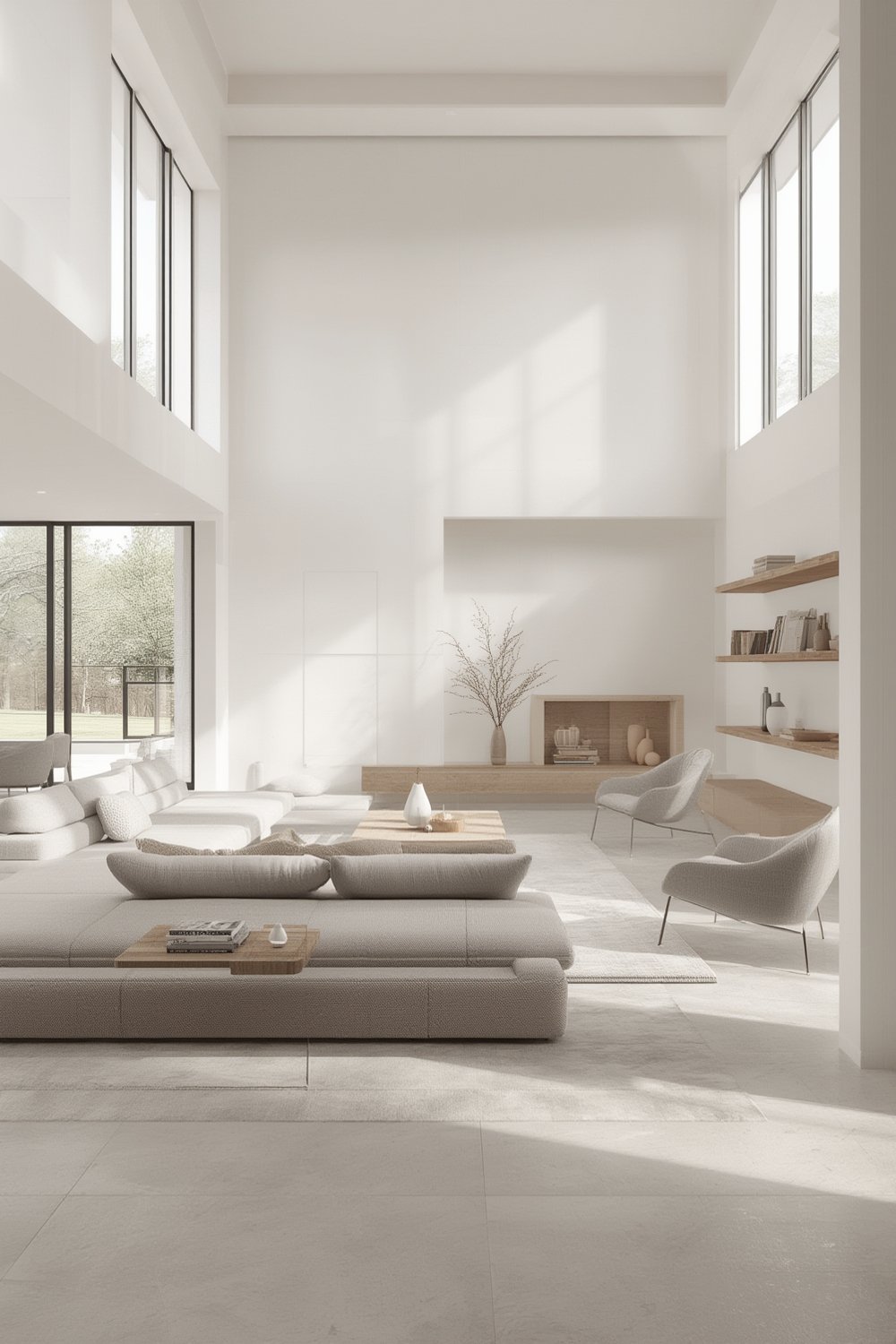
This trend is surging in popularity thanks to a visible consumer shift: 63% now prefer minimalist interiors, with motivations ranging from a desire to reduce clutter to seeking homes that foster peace and focus (source). Major brands see this shift: CB2’s partnership with Ferm Living and Crate & Barrel’s acquisition of Fjorn have positioned them as leaders in high-quality, eco-oriented minimal furnishings (source).
Quiet minimalism stands apart from traditional minimalism by prioritizing not only visual reduction, but also livable comfort, multi-use furniture, and understated, enduring luxury. Rooms are designed to be welcoming, never barren—each item has purpose and meaning.
For more context, see our Benefits of Minimalist Homes guide or explore why modern interior upgrades increasingly lean into subtlety and warmth.
Step-by-Step Guide to Creating a Quiet Minimalist Home
Start creating a quiet minimalism home design by focusing on less, but better—simplifying what you own while enhancing comfort and personalization. Here’s a room-by-room guide for effortless implementation.
-
Choose a Cohesive, Calming Neutral Palette
- Select a base of creamy whites, beiges, taupes, greys, or tranquil muted blues.
- Keep accent walls or furnishings in the same color family to maintain calm unity.
- Reference our best neutral palettes guide for optimal color pairings.
-
Layer in Natural, Sustainable Materials
- Pick high-quality textures such as reclaimed wood, bamboo, and organic linens.
- Look for eco-certified or recycled options for flooring, rugs, and cabinetry. See industry leaders like CB2-Ferm Living for inspiration (source).
- Consider multifunctional pieces—benches with hidden storage; nesting tables that double as plant stands.
-
Edit, Don’t Strip, Your Decor
- Display fewer objects, but make sure each has character or personal meaning.
- Add lived-in comfort with wool throws, oversized cushions, hand-thrown ceramics, or vintage finds—they create personality and warmth within a restrained palette.
- Be selective: avoid filling every wall or shelf, yet avoid rooms looking sterile or hotel-like by leaving space for life’s daily items to rest.
-
Optimize for Comfort and Function
- Prioritize ergonomic furniture with plush textures and rounded edges.
- Use lighting strategically: combine adjustable LED ceiling fixtures with table lamps, wall sconces, and warm lighting to prevent an institutional feel.
- For small spaces, select compact sectional sofas, extendable dining tables, and modular storage from brands like IKEA’s Small Space Living collection.
-
Adapt for Longevity and Personal Taste
- Invest in timeless, well-crafted items over trendy decor—quiet minimalism ages gracefully, making it ideal for high-traffic zones like entryways or open-plan kitchens.
- Personalize with discreet pieces: framed family photos, a favorite art book, or handwoven baskets for catch-all storage—balanced personalization preserves the minimalist intent.
- For maintenance, use durable paints (matte or eggshell) on walls and stain-resistant fabrics for upholstery, minimizing both cleaning hassles and long-term costs.
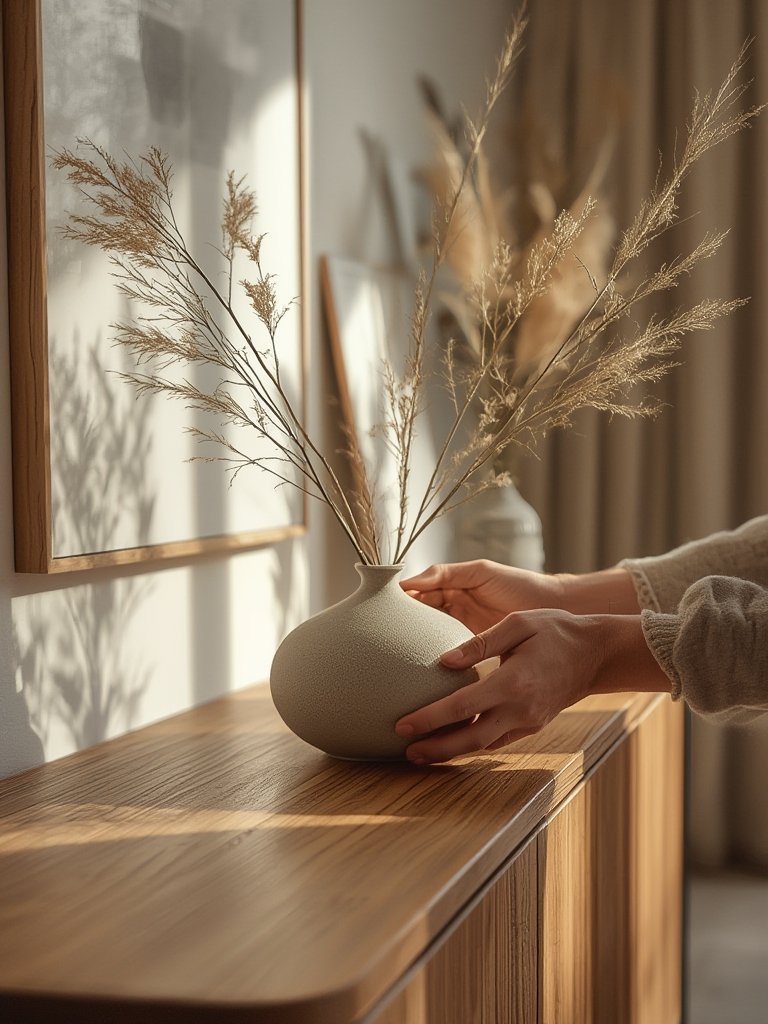
A realistic quiet minimalism home design isn’t about chasing perfection—it’s about shaping a foundation for restraint, coziness, and sustainability that can flex as your life and tastes evolve. Small upgrades, like swapping in soft textiles from H&M Home’s Conscious Home collection or modular furniture from IKEA, keep things approachable even for budget-conscious renovators.
For more tricks, check out our Minimalist Small Space Tips or the step-by-step minimalist room refresh.
Advanced Analysis & Common Pitfalls
Achieving quiet minimalism home design isn’t always straightforward. Below, find common challenges, why they happen, and how to avoid them, with a focus on real outcomes from industry research.
| Pitfall | Why It Happens | Solution |
|---|---|---|
| Spaces Feel Cold or Sterile | Over-editing or choosing only hard materials and all-white palettes. | Add textured fabrics, art with subtle color, or a statement vintage piece to anchor warmth (source). |
| Functionality Is Lost | Choosing design over usability—furniture is beautiful but impractical. | Use “balanced minimalism.” Invest in multi-use furniture, storage ottomans, and user-friendly layouts (source). |
| Clutter Returns Quickly | A lack of dedicated drop zones or storage for daily items. | Install wall hooks, baskets, and a simple “in-out” routine for mail and belongings—especially important in small homes (source). |
| Investment Feels High Without Clear ROI | Sourcing premium, eco-certified materials and furniture often costs more upfront. | Choose fewer but more durable items—maintenance and replacement costs drop over time. For more insights, see Sustainable Home Upgrades. |
| Lacks Personal Touch | Strict adherence to minimalism with no allowances for personality or personal artifacts. | Blend “stealth wealth” subtlety with curated, meaningful accents. Personalized decor sustains interest without clogging space. |
Realistically, quiet minimalism home design can feel overwhelming if you try to overhaul your house in one push or replicate “magazine minimalism.” Instead, evolve at your own pace—adapt as needs change, and always put comfort first. For room-by-room budgeting, note that the average US household budget for quality interior design hovers at $5,500 for eco-conscious furnishing and finishes (source). Luxury segments may skew higher due to personalized finishing.
Conclusion
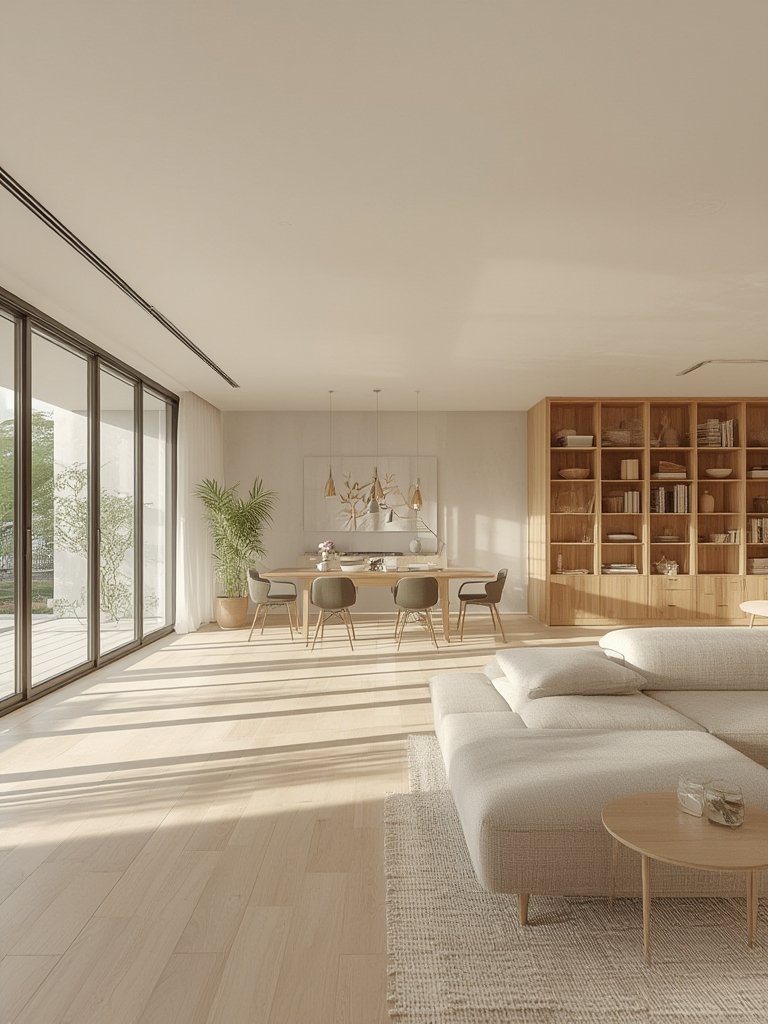
Quiet minimalism home design isn’t just a look—it’s a lifestyle shift toward calm, comfort, and mindful living. By balancing high-quality materials, tailored but cozy furniture, and personal details within a neutral palette, you’ll avoid the pitfalls of sterile minimalism and create a home that adapts as life changes. For actionable inspiration or sourcing guides, see our articles on Sustainable Home Upgrades and Best Eco Home Brands 2024.
Ready to reimagine your space with quiet minimalism home design? Start small, plan for comfort, and let timeless simplicity guide every upgrade. For personalized advice, contact our design team today.
FAQ
What is the cost to design a quiet minimalism home?
The average US household spending on quiet minimalism interior design, including eco-friendly materials, is about $5,500. Custom or luxury implementations may cost more, especially for high-end natural materials and bespoke furniture.
How does quiet minimalism differ from standard minimalism?
Quiet minimalism home design emphasizes lived-in comfort, subtle luxury, and sustainable quality. Standard minimalism may prioritize reduction and empty spaces; quiet minimalism layers warmth and function for daily life.
Which brands are best for quiet minimalism furniture in 2024?
Industry leaders include CB2 partnered with Ferm Living, Crate & Barrel’s Fjorn collection, H&M Home’s “Conscious Home,” and IKEA’s Small Space Living—all emphasizing sustainability, discreet luxury, and functional design.
Does a neutral palette actually help property resale?
A neutral palette and timeless minimalist design broaden a home’s appeal and can make it easier to sell, as most buyers prefer calm, move-in-ready interiors. These choices also reduce maintenance and redecorating costs for future owners.
Will quiet minimalism home design make my space feel cold?
If done correctly—by layering soft textures, lived-in accents, and warm lighting—quiet minimalism prevents coldness. Avoid over-purging and pure stark white; mix in tactile fabrics and personal artifacts for an inviting feel.
—