

Reclaimed wood accent wall designs have exploded in popularity among homeowners seeking sustainable, character-rich interiors. But is this trend all it’s cracked up to be? Here’s a realistic, step-by-step approach to creating an accent wall with genuine upcycled wood, pitfalls included.
Key Takeaways
- The reclaimed wood accent wall market is rapidly growing, with sustainability and unique aesthetics leading the demand.
- Genuine reclaimed barnwood requires careful sourcing, attention to durability, and special maintenance for best results.
- Costs are higher than imitation products, but the environmental and design benefits are hard to replicate with new materials.
- What Is a Reclaimed Wood Accent Wall and Why Choose One?
- How to Build a Reclaimed Wood Accent Wall: A Practical Guide
- Advanced Analysis & Common Pitfalls of Reclaimed Wood Walls
- Conclusion
- FAQ
What Is a Reclaimed Wood Accent Wall and Why Choose One?
A reclaimed wood accent wall is a feature wall created from wood that’s been rescued from previous use—think barnwood, fence boards, or factory timbers. Reusing this wood adds authentic patina, visible age, and character that new lumber can’t provide. For eco-conscious designers and homeowners, it’s a top way to cut down on landfill waste, lower carbon footprint, and bring a truly unique touch to any room.
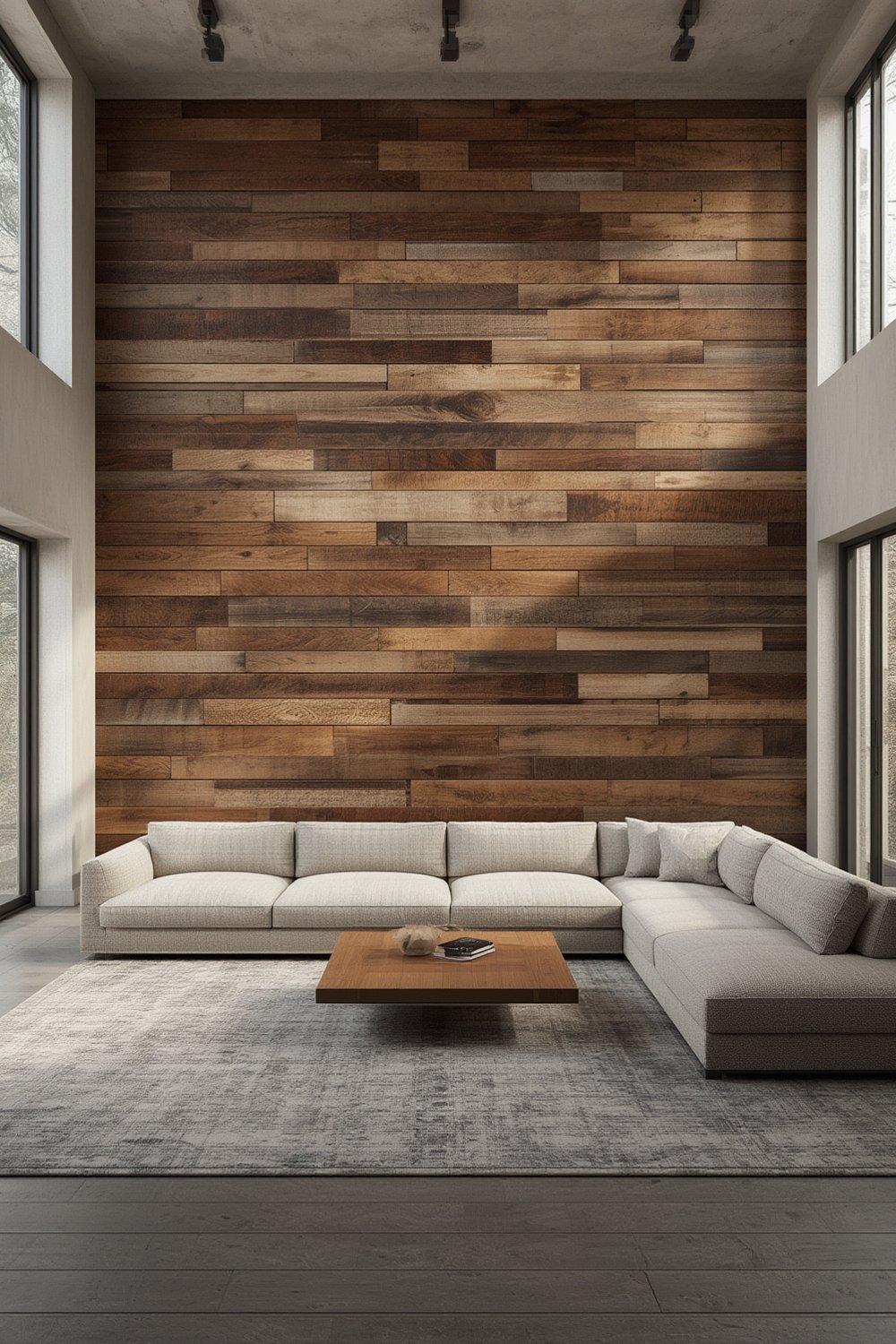
The appeal isn’t just about sustainability. The average reclaimed wood accent wall tells a story—maybe from Wyoming snow fences repurposed after years of service, or heart pine beams reclaimed from 19th-century buildings. These origins set reclaimed wood apart from standard paneled walls. The trend is especially pronounced in North America and Europe, with the 2024 reclaimed lumber market at $50.26 billion, projected to rise as upcycling and rustic-modern aesthetics become mainstream.
If you’re considering integrating other natural or biophilic elements, pairing your accent wall with nature-inspired décor can boost a sense of calm and wellbeing—see more at Biophilic Design Living Room: 7 Amazing Ways to Boost Wellbeing.
Compared to plastic or engineered paneling, reclaimed wood accomplishes three things: reduces deforestation, diverts material from landfill (wood is 8.3% of solid waste in the US), and brings one-of-a-kind visual depth. But it isn’t a casual DIY—there are real challenges to getting it right.
How to Build a Reclaimed Wood Accent Wall: A Practical Guide
Before you rip open your first plank, measure the wall and decide on the look—horizontal, vertical, herringbone, or something custom. Authentic reclaimed wood comes with variation in color, width, and texture, so plan for a unique but not perfectly uniform finish.
-
Source authentically reclaimed wood.
- Look for suppliers with transparent provenance, like those that can trace wood back to original barns or snow fences.
- Validate natural aging—best panels are 7-10 years old, with visible weathering but sturdy structure.
- If you need proof of sustainability, request documentation (though formal certifications are still emerging).
-
Clean and inspect each plank.
- Remove old nails, screws, or debris.
- Lightly sand splinters, but don’t erase the character marks—these are what make reclaimed wood special.
- Check for active pests (rare in low-moisture reclaimed wood) and discard anything soft or rotten.
-
Seal for longevity.
- Apply a low-VOC finish such as Centennial Seal or Flame Stop II to protect against moisture and further aging, especially in bathrooms or kitchens.
- Let dry fully per product instructions.
-
Map out your wall layout.
- Lay out boards on the floor.
- Mix colors, textures, and lengths to avoid monotonous patterns.
- If installing floor-to-ceiling, consider accentuating only one section for maximum effect (like behind a desk, headboard, or TV).
-
Install with care.
- Mark wall studs for secure nailing or screwing.
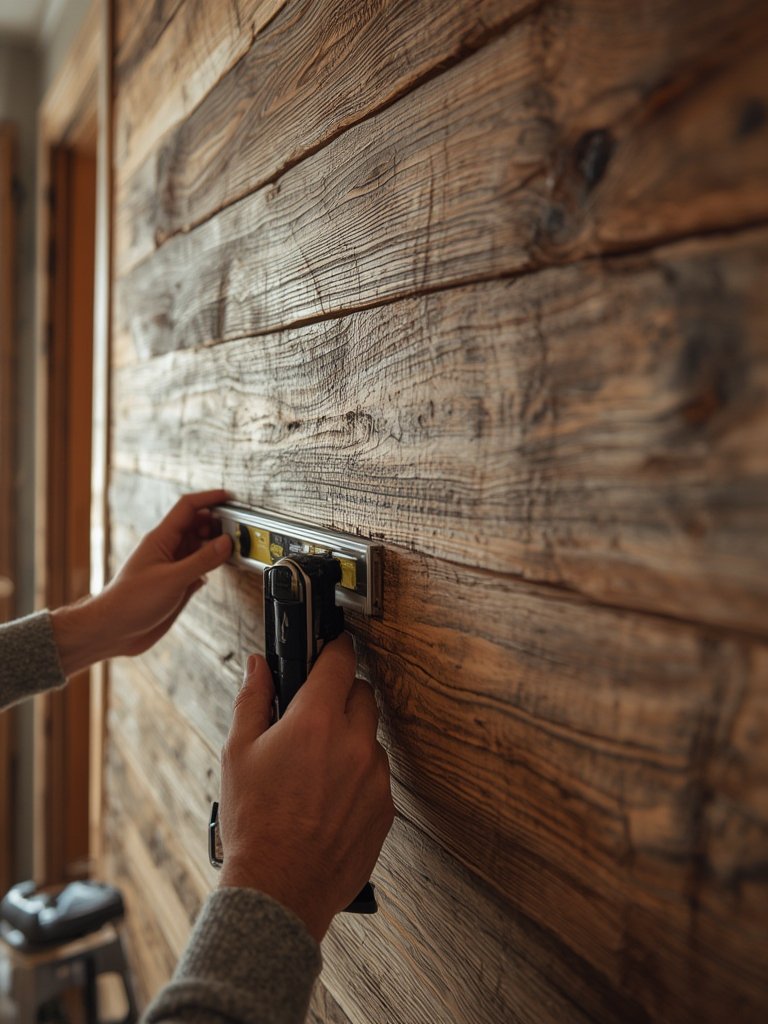
- Start from the bottom and work up, using a level to keep each row straight.
- For adhesive mounting, use a construction-grade product compatible with reclaimed wood weight and finishes.
-
Finish edges and outlets.
- Trim around corners, windows, and outlets for a precise fit.
- Caulk or cap exposed ends for a clean transition to drywall or trim.
-
Maintain regularly.
- Dust gently to preserve the patina—avoid harsh chemicals.
- Re-seal every few years in high-traffic or high-humidity areas.
- Inspect annually for signs of loosening or hidden moisture.
Want more ideas on blending functional upgrades with rustic modern style? Check out Indoor Outdoor Living Space Design: 7 Amazing Ways to Create a Seamless Oasis for inspiration on holistic home transformations.
For those renovating entry points, a smart garage door opener installation can pair seamlessly with a rustic reclaimed entryway wall, creating a blend of old and new that instantly sets the tone for your home.
Advanced Analysis & Common Pitfalls of Reclaimed Wood Walls
Despite their benefits, reclaimed wood accent walls pose real and sometimes costly pitfalls. Here’s a pragmatic breakdown of where projects go wrong—and how to avoid repeating those mistakes.
Hidden Costs and Regional Price Differences
Genuine reclaimed wood accent wall paneling averages $9–$11 per square foot for materials alone—a premium compared to engineered or imitation wood alternatives. While North America and Europe remain the biggest adopters, supply chain snags and multi-year aging requirements can push up costs, often without significant bulk discounts.
Common Installation and Design Missteps
| Issue | What Happens | Smart Solution |
|---|---|---|
| Skipping the moisture barrier | Panels warp or develop mildew in humid rooms | Apply a clear moisture sealant (e.g., Centennial Seal) before mounting |
| Poor sourcing/tracing | Panels turn out to be imitation wood or unsustainably harvested | Request provenance from supplier; ask for visible aging and repurpose timeline |
| Uniform orientation/layout | Wall looks flat and less dynamic | Mix vertical and horizontal layouts or use variable-width planks |
| Over-sanding or heavy refinishing | Destroys patina and character; looks like ordinary new wood | Limit sanding to splinters and leave marks of age intact |
| Ignoring wall preparation | Uneven finish, weak adhesion, or visible drywall joints | Level and clean the underlying wall thoroughly, patch holes first |
Durability Isn’t Automatic
Properly aged reclaimed barnwood (4–8% natural moisture) resists most insects, but poor finish application leaves panels vulnerable in moist spaces. Always add a sealant, especially in bathrooms or laundry areas. For high-traffic spaces, plan for occasional touch-ups and more frequent inspections. Note that supply consistency can also be a major roadblock—the annual production of authentic barnwood is only about 3 million units, so anticipate potential lead times and batch variation.
Reclaimed wood’s backstory matters. If possible, work with local or regional suppliers; the world’s largest reclaimed snow fence wood supplier, for example, has repurposed 25 million feet since 1999, directly contributing to landfill reduction and forest preservation (source).
Environmental Footprint: Real, but Hard to Quantify
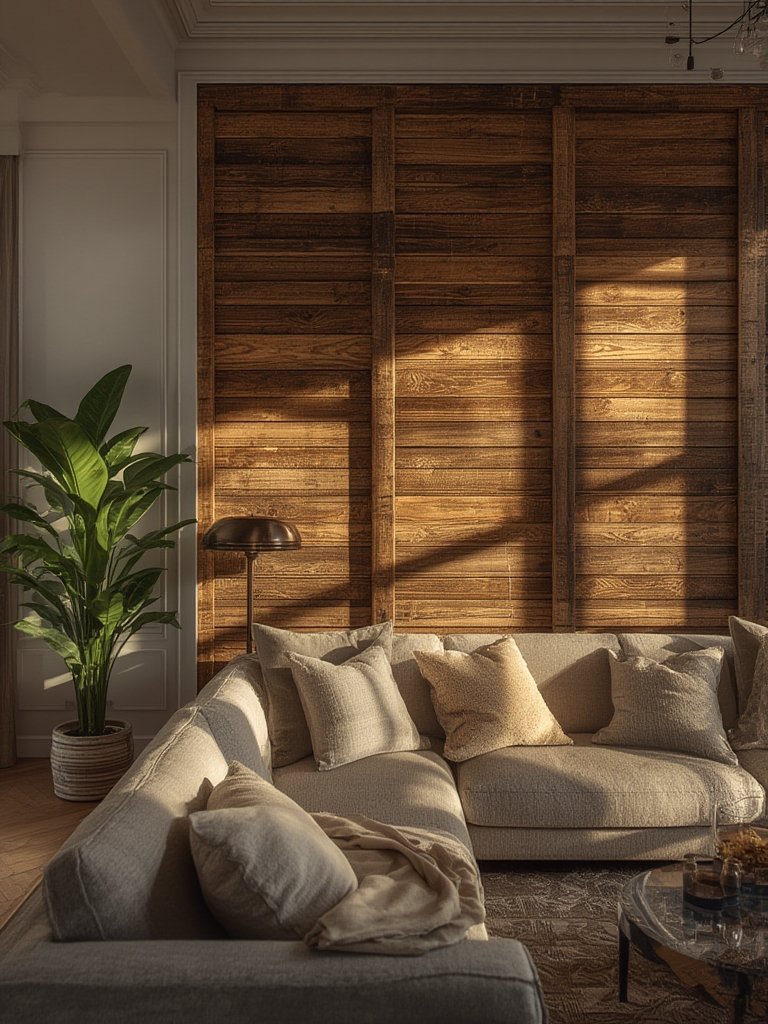
Compared with new wood walls or vinyl paneling, upcycled reclaimed wood saves vast amounts of energy and reduces overall deforestation. Still, there’s no easy numerical carbon comparison—look for suppliers who maximize full-traceability, use low-VOC finishes, and openly document sustainable practices (research).
Maintenance also differs from standard walls. Periodic resealing, especially in kitchens and bathrooms, safeguards longevity. For sunrooms, see Enclosed Porch Conversion Sunroom: 7 Amazing Ways To Maximize Living Space—a reclaimed accent wall brings instant warmth.
Provenance, Authenticity, and Missed Angles
- Provenance matters: Choose wood with a clear origin—Wyoming snow fences, 19th-century barns, industrial floorboards. This isn’t just marketing hype; it’s about real sustainability and unique visuals.
- Historic species variation: Annual production figures matter: heart pine (8 million units), elm (4 million), barnwood (3 million). Choosing a specific species impacts grain, durability, and color.
- Evolving style: Reclaimed wood isn’t only for farmhouse interiors; modern projects blend it with minimalist and Scandinavian looks. Full-room paneling, fireplace integration, and floating shelves expand design possibilities beyond the accent wall cliché.
For additional ideas on minimalist approaches using reclaimed finishes, see Quiet Minimalism Home Design: 7 Best Ways To Create Calm Spaces.
Conclusion
Creating a reclaimed wood accent wall offers unmatched sustainability, style, and a sense of history that new materials simply cannot match. Yes, it takes more time to source, more effort to maintain, and a bit more budget up front—but the result is a statement piece with real environmental benefits and loads of character.
If you’re ready to bring authentic depth to your home, start planning your reclaimed wood accent wall today. Compare suppliers, ask for documentation, and favor panels with traceable, naturally aged patina. The right accent wall can transform not just your room—but your approach to sustainable home design.
Looking for more home upgrade inspiration? Explore energy efficiency with casement window replacement or maximize style and savings by combining multiple interior upgrades.
FAQ
How do I verify if reclaimed wood is authentic and sustainably sourced?
Request documentation or provenance from your supplier. Some can trace wood to specific barns or snow fences. Look for naturally aged surface marks and ask about responsible harvesting practices.
Do reclaimed wood accent walls work in bathrooms or humid spaces?
Yes, but you must apply moisture-blocking low-VOC sealants and be prepared to re-seal over time. Ensure the wall substrate is mold-free before installation.
Is reclaimed wood more expensive than new wood paneling?
Generally, yes. Expect $9–$11 per square foot for material, versus lower-priced engineered or vinyl panels. The cost is offset by greater sustainability, unique visuals, and added home value.
What maintenance does a reclaimed wood accent wall require?
Aside from dusting with a soft brush or cloth, periodic re-sealing in moisture-prone rooms is key. Inspect panels yearly for warping or loose fasteners.
Are there design limitations with reclaimed wood accent walls?
Not really. Mixing plank orientation, integrating with built-ins (like floating shelves), or extending paneling across multiple walls creates modern, not just rustic, looks.