

Scalloped edge details are one of the most effective ways to add character and softness to home decor, but the path to incorporating them into furniture, trim, or accent pieces comes with a mix of aesthetic rewards and realistic challenges.
Key Takeaways
- This decorative trim brings dimension and playful curves to interiors ranging from modern to vintage styles.
- Custom scalloped designs increase cost and complexity compared to standard furniture trim, often requiring longer lead times.
- Knowing the practical steps and pitfalls for adding this curved trim ensures your results match your vision and budget.
- What Is a Scalloped Edge and Why Use It?
- Step-by-Step Guide to Adding a Scalloped Edge
- Advanced Analysis & Common Pitfalls
- Conclusion
- FAQ
What Is a Scalloped Edge and Why Use It?
A scalloped edge is a decorative trim made up of a repeating series of rounded curves—think of the edge of a seashell or the border on a pie crust. This ornamental detail is prominent on everything from cabinet doors to mirrors, dressers, shelving, and even architectural moldings. Its playful, wavy form stands out among the straight lines and right angles that dominate much of interior design.
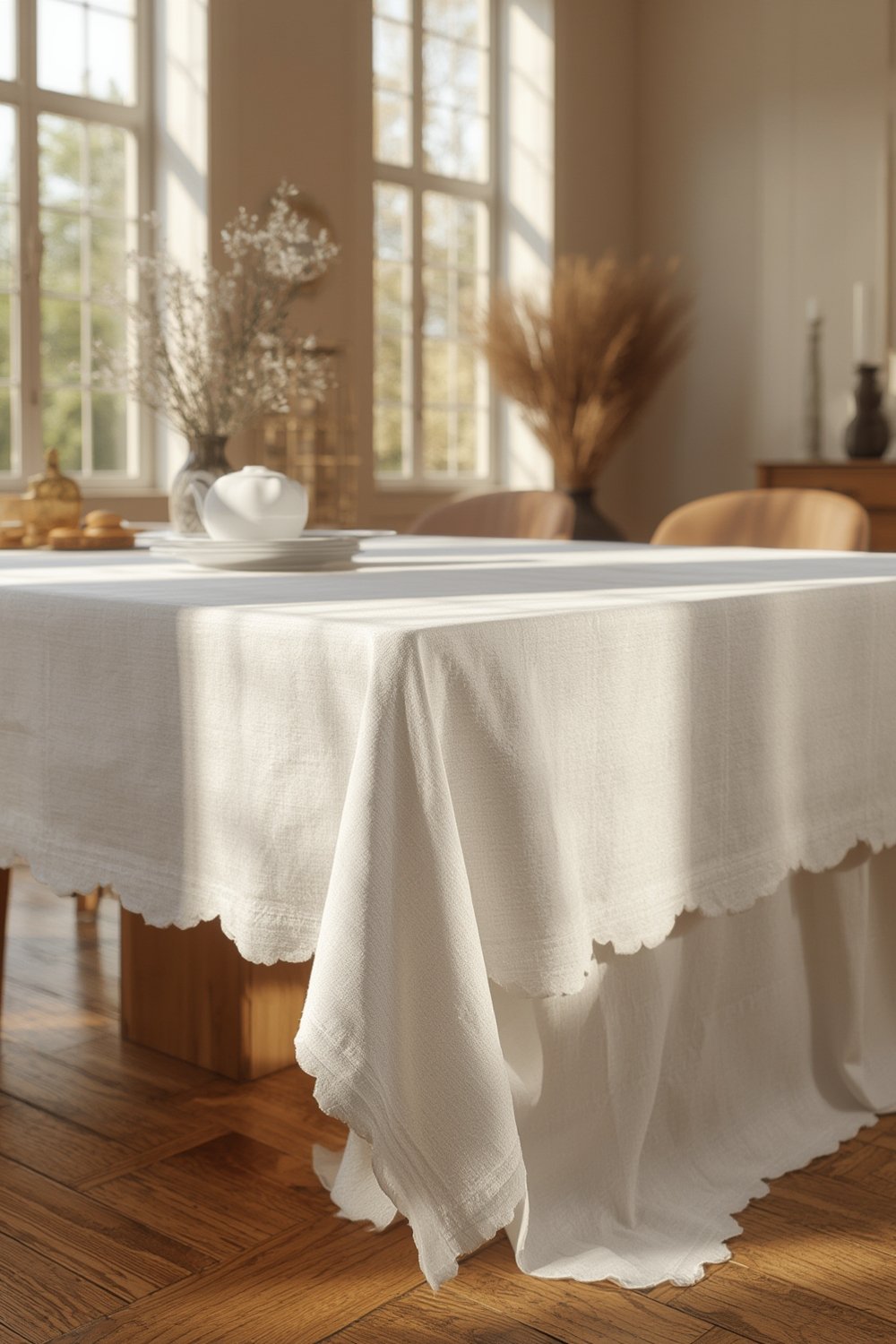
Why consider this decorative detail for your space? It instantly brings a sense of charm and visual softness. Unlike harsh angles, its curves evoke movement and creativity, subtly referencing forms found in nature. This wavy trim gained traction in grandmillennial, cottagecore, and even modern homes searching for unique-but-approachable detail.
Scalloped details pair surprisingly well with recent decor trends, including curved sofas, grandmillennial style, and the organic, earthy tones of biophilic design living rooms. As custom furniture demand rises, designers and DIYers alike are exploring new ways to incorporate this curved detail for maximum impact without overwhelming the room.
However, before diving in, it’s worth considering that no significant quantitative market data suggests this ornamental trim is dominating the industry. The overall home accents market contracted in 2024, with accent furniture sales down 4% year-over-year [source]. Still, demand for custom, premium details—like scallops—is surging even as broader trends shift [source].
Step-by-Step Guide to Adding a Scalloped Edge
The most common ways to add this curved trim to your home include:
- Commissioning custom furniture or cabinetry with a scalloped detail
- DIYing trim on shelves, mantels, or walls with precut panels or templates
- Painting or upholstering a scalloped motif onto soft furnishings or feature walls
- Choose Placement and Scale
Decide if your decorative trim will be bold (e.g., on cabinet doors or substantial shelf aprons) or subtle (on trim, valances, or mirror frames). The width and depth of each “scallop” impact how playful or elegant the effect becomes. For busy family rooms or kitchens, opt for slightly larger curves which are less likely to look busy or collect dust. - Select the Material
Wood is traditional, allowing for stained or painted finishes. MDF is cost-effective for painted curved details, though it’s less durable to chips. For textiles (headboards, cushions), foam and upholstery fabric work best. If you want easy clean-up, consider engineered woods or sealed surfaces. - Create or Acquire a Template
Mark your scallop shape on a template using a compass, round object, or specialized stencil. Consistency is key—uneven spacing is the main amateur giveaway. If ordering from a manufacturer, provide the template file (digital or physical) and confirm the radius and repeat length. - Cut or Apply the Scallops
Use a jigsaw for wood, a sharp utility knife for MDF, or fabric shears for textiles. Go slowly around curves to avoid chipping or unsightly jagged spots. - Finish and Install
Sand wood thoroughly before priming and painting. Attach with finishing nails or brackets, ensuring all fasteners are hidden. Upholsterers should use batten to smooth scallops on padded headboards or benches.
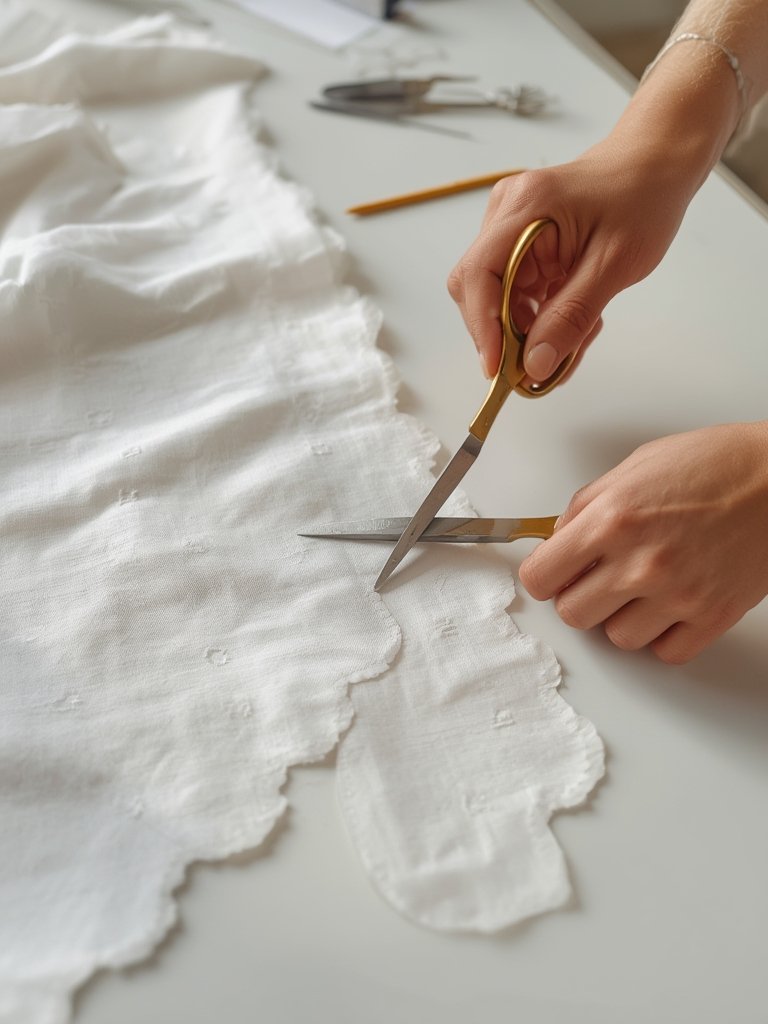
These curved trim projects pair beautifully with other trending design details—try combining with fluted furniture for added dimension, or layering against grandmillennial decor for a nostalgic twist. Don’t forget to balance with straight or clean lines elsewhere for a curated (not chaotic) result.
If a permanent modification isn’t an option, opt for peel-and-stick wall trims, painted faux-scallop borders, or readymade accessories with scalloped designs—like trays, pillows, and even pleated curtains.
Custom work? Add four to eight weeks to your project timeline, and be ready for a higher price tag—custom details in the premium furniture segment come with increased labor and material costs, especially if your scalloped motif is hand-shaped or must fit unique curves [source].
Advanced Analysis & Common Pitfalls
While adding this decorative detail is rewarding, several real-world problems may crop up:
- Dust Collection: Tight inside curves trap dust and crumbs. Frequent cleaning is required, especially in kitchens or kids’ spaces.
- Finish Irregularities: Inconsistent sanding or painting can make edges look rough or uneven. Always prep thoroughly.
- Style Mismatch: Overuse of curved scallops in modern or minimal spaces may clash, so combine with restraint or stick to one area.
- Increased Cost and Lead Time: This type of curved trim demands more labor and custom routing, raising costs and potentially pushing deliveries to six to eight weeks (custom furniture segment) [source].
- Material Choices: Certain materials don’t hold a crisp scallop well—MDF, when not sealed, can chip, while softwoods may dent easily.
Still, these downsides are rarely deal-breakers if approached with realistic expectations and good planning. Below, here’s a quick comparison of this curved detail versus traditional trim, highlighting when each is best suited:
| Feature | Scalloped Edge | Traditional Straight Edge |
|---|---|---|
| Aesthetics | Playful, decorative, softens lines | Clean, minimal, classic |
| Skill Required | Higher—precise cutting/finishing needed | Lower—simple cuts and installs |
| Maintenance | Requires more cleaning, detail work | Easy to clean, fewer crevices |
| Cost | Higher (custom labor/materials) | Lower (standard processes) |
| Best For | Accent/vintage/statement pieces | Unified, understated looks |
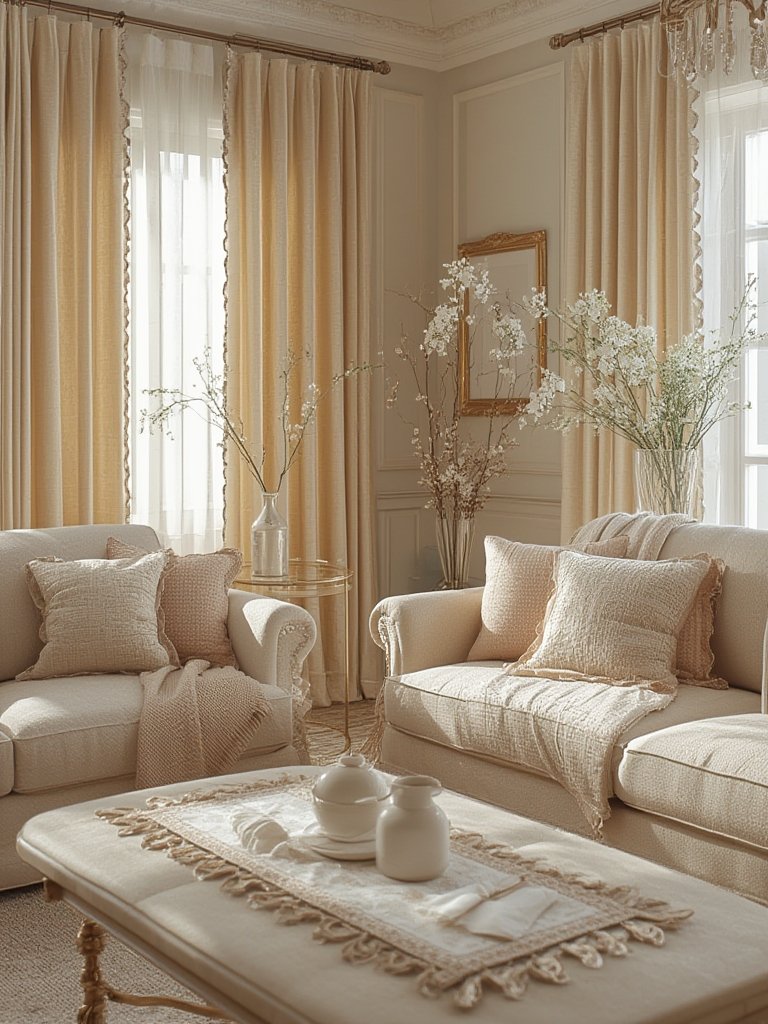
Note that environmental trends—such as formaldehyde-free materials—will not significantly alter your ability to source or finish this decorative trim. For a fully modern, layered look, try pairing scallops with other curved features like arched doorways and arched mirrors.
Conclusion
When thoughtfully planned and executed, a scalloped edge can be a standout detail in any home. Balancing creativity with pragmatism—considering template accuracy, material durability, and ease of upkeep—delivers the most rewarding results. If you want to experiment with this charming trim, start with small accents. For large-scale changes, work with skilled professionals or high-quality templates. This curved detail brings softness and interest that simply isn’t achievable with straight lines. Ready to introduce this classic detail and make your space feel unique? Start planning your decorative trim project today, and share your results!
FAQ
What is a scalloped edge in home decor?
A scalloped edge is a decorative trim or detail featuring a series of repeating, rounded curves. It can be added to furniture, shelving, mirrors, or architectural moldings for visual interest and a playful, organic look.
Is a scalloped edge difficult to maintain?
These curved details can collect dust in the tight curves, so regular wiping or dusting is required—especially for kitchen shelves or high-touch surfaces.
How much does it cost to add a scalloped edge?
Exact costs vary, but this decorative trim is generally more expensive than standard trim. Expect increased labor and materials for custom cuts. Allow for a 10-30% premium on custom furniture with scalloped details.
What’s the best material for a durable curved trim?
Hardwoods like maple, oak, or birch are ideal. MDF can also work for painted projects, but it is less durable to impact or moisture. Avoid softwoods for high-traffic areas.
Can a scalloped edge work with modern decor?
Yes, when used with restraint and balanced by clean lines. Many modern interiors feature this curved detail as a playful accent or an unexpected detail among otherwise minimal furnishings.