

Separate primary suite closets are now seen as a must-have for anyone renovating their main bedroom or planning a new home. Couples want more than just space—they want peace, privacy, and storage that works. This guide breaks down exactly why separating your primary suite closets is trending in 2024, how to design your project without mistakes, and what features matter most for comfort and daily efficiency.
Key Takeaways
- Separate primary suite closets deliver tangible benefits over shared designs, including more harmony, privacy, and easy customization.
- Luxury features like modular shelving, smart lighting, and ergonomic hardware are driving high satisfaction for home renovators in 2024.
- Planning mistakes—like poor layout or ignoring personalization—can undermine even the most spacious closet upgrade.
- The Core Concept: What are Separate Primary Suite Closets?
- Step-by-Step Guide: Designing and Building Separate Primary Suite Closets
- Advanced Analysis & Common Pitfalls
- Conclusion
- FAQ
The Core Concept: What are Separate Primary Suite Closets?
Separate primary suite closets refer to distinct, individualized closet spaces for each partner within the main bedroom suite. Instead of sharing one closet (the old standard), each person enjoys a personalized area for dressing, storage, and organization. This trend surged in new builds and luxury updates from 2023 onward, fueled by demand for privacy and tailored spaces [source].
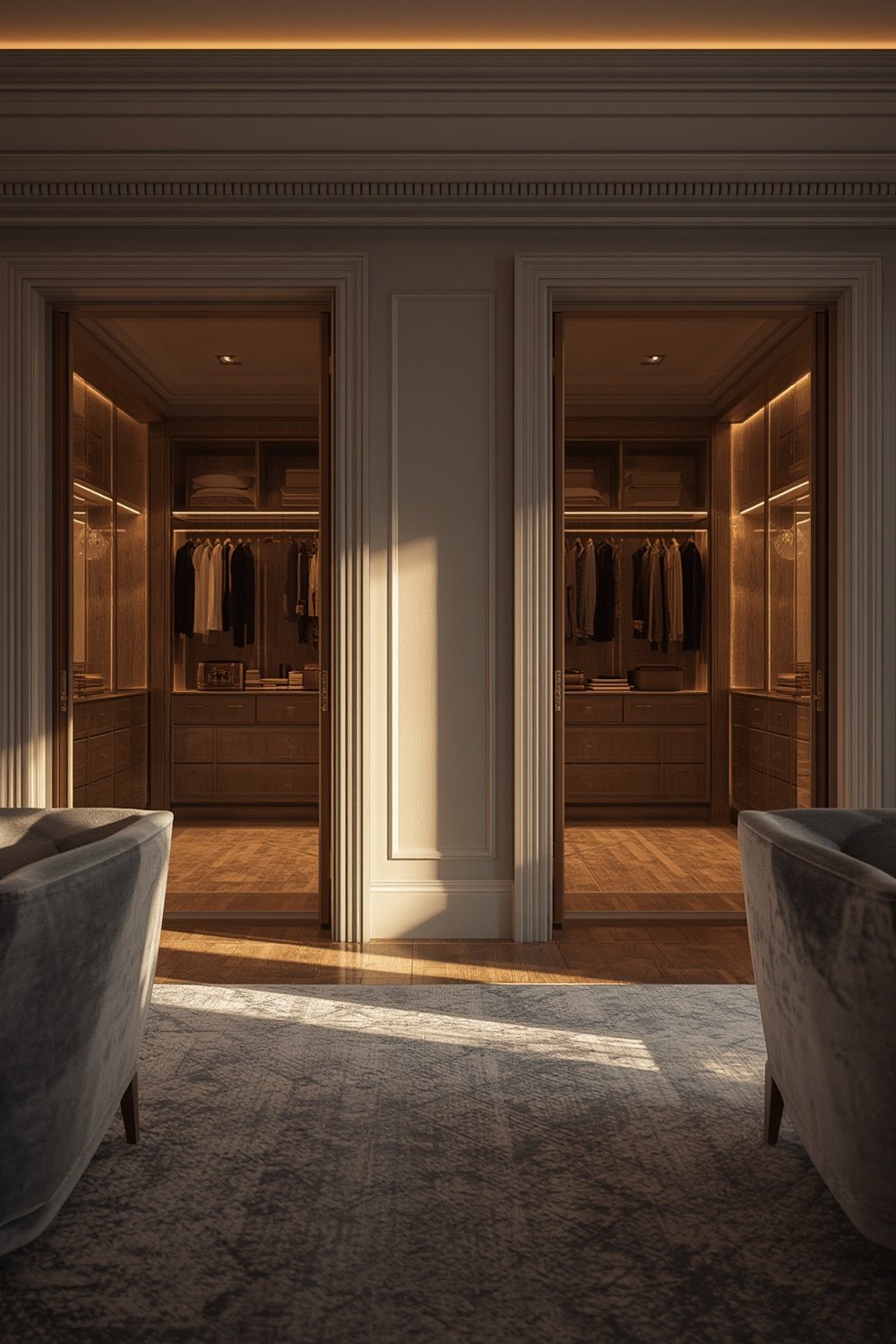
Today’s separate primary suite closets go far beyond a wall and two doors. Homeowners want smart storage, modular shelving, ergonomic pull-down rods, and even tech—like motion-activated lights and outfit-planning touchscreens. In luxury renovations, pocket or barn doors, closet islands, and dual-purpose zones (like “clo-offices”) are in demand [source].
Builder-grade wire shelves and cramped closet rods are out. Couples want both function and personal expression—think custom finishes, floor-to-ceiling storage, and integrated LED lighting. It’s about starting and ending each day with order, not arguments about space or reach.
But making this upgrade takes careful planning. From selecting the right modular system to assessing how separate you want each area to feel, the devil’s in the details. Get this right, and your primary suite transforms into a high-functioning retreat.
Step-by-Step Guide: Designing and Building Separate Primary Suite Closets
The move from a single shared closet to fully separate primary suite closets demands precise steps for a smooth project. Here’s how to move from dream to reality:
-
Assess Your Space
Start by mapping your bedroom and available square footage. Consider window placements, wall length, and proximity to the ensuite for each partner’s area. For smaller homes, utilize adjacent blank walls or re-purpose unused nooks. If the room is extra-large, you may be able to create full walk-ins—otherwise, focus on reach-in closets that still deliver separation. -
Define Storage Needs and Preferences
Inventory what each partner actually stores—long dresses, suits, shoes, jewelry, or sports gear. Modern separate primary suite closets excel because each user’s needs drive the design. One partner may want double hanging rods and purse cubbies, while the other wants more shelf space for folded clothing. This is personalization in action. -
Design the Closet Layout
“His and hers” doesn’t have to be side by side. Think about echoed layouts on opposite sides of the room, L-shapes, or even closets separated by a central dressing zone or island. For best results, include at least one full-length mirror, enough walkway clearance (~36 inches minimum is standard), and task lighting. -
Select Modular Components and Lux Features
Today’s systems use engineered wood or high-quality laminate, and modular parts for easy swaps and upgrades. Choose customizable rods, adjustable shelves, ergonomic pull-downs, and soft-close hardware. Integrate automatic lighting for convenience. Smart touches like digital inventory and motion sensors add serious value. -
Decide on Entry and Privacy
pocket or sliding barn doors keep access smooth while visually separating your closets. Some couples opt for open shelving; others demand full-door enclosure for absolute privacy and tidy lines. Match entry style to your taste and needs. -
Choose Lighting and Tech
Well-lit closets beat frustration. Use built-in LED strips, motion-activated lights, and accent lighting for shelves and shoe racks. Tech-focused homeowners may want digital outfit planners or app-connected inventory control for ultimate organization. -
Install and Accessorize
Professional installation delivers the best results, but modular kits can work for DIYers. Add custom drawer organizers, specialty hangers, or storage for jewelry trays, watches, and belts. Finally, personalize with color, hardware, and finishes.
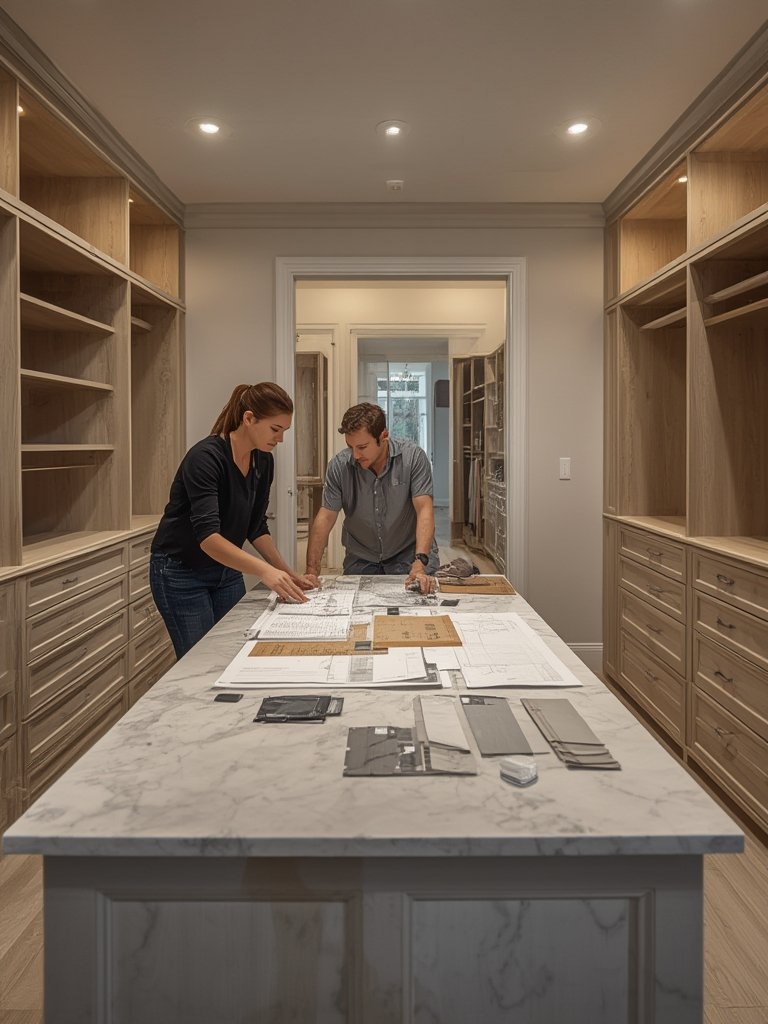
Don’t forget to research dual-purpose rooms—combining a closet with a home office or workout nook is a 2024 trend, especially in homes where every inch matters. Learn more about multi-functional suite upgrades in our Home Office Guest Room Guide.
Finally, keep your home’s overall design in mind; matching closet style to the rest of your bedroom or even bringing in natural materials for a more wellness-oriented setup can boost both satisfaction and resale value. For guidance on holistic design, check out our Biophilic Living Room Ideas.
Advanced Analysis & Common Pitfalls
Before you commit, understand the downsides and avoidable problems that come with separate primary suite closets.
- Poor Space Planning: Many homeowners underestimate how much space is needed for two refined closets. Not every bedroom can handle a full walk-in for each person—sometimes you’ll need creative reach-in solutions or vertical shelving.
- Ignoring Workflow: Doors that clash, too-narrow walkways, and inaccessible corners are common layout errors. Without careful design, it’s easy to walk away with a closet that looks good but frustrates you daily.
- Overdesigning (or Overspending): Luxury features add satisfaction but also boost cost and maintenance. Motion-activated lights or pull-down rods require quality installation; cheap versions break or malfunction.
- Not Tailoring Each Closet: One-size-fits-all will defeat the purpose—if you just mirror the same shared design, you’ll recreate existing pain points. At minimum, separate primary suite closets should reflect each partner’s height, reach, and storage habits.
- Underestimating Accessory Needs: Jewelry trays, tie racks, tech charging drawers, and purse cubbies often get overlooked and require early integration for a seamless result.
Below is a functional comparison table between traditional shared closets and full-featured separate primary suite closets:
| Aspect | Traditional Shared Closets | Comprehensive Separate Primary Suite Closets |
|---|---|---|
| Space Allocation | Single area leads to clutter and access disputes. [source] | Personalized rooms reduce conflict and allow for tailored layouts. [source] |
| Customization | Limited design, often builder-grade wire shelving. | Modular, ergonomic systems like his and hers shelving, pull-down rods; options for materials and features. |
| Privacy/Accessibility | Compromised privacy; reach and organization frustrations common. | Privacy via doors; reach-optimized hardware, dressing islands, and smart storage. |
| Benefits for Couples | Basic storage, often leads to tension (57% report organization issues). | Improved harmony, wellness, and flexibility. Supports “clo-offices” and dressing/office combos. |
For more on the psychological impact of clutter and how it affects wellness, visit our guide on Quiet Minimalism Home Design.
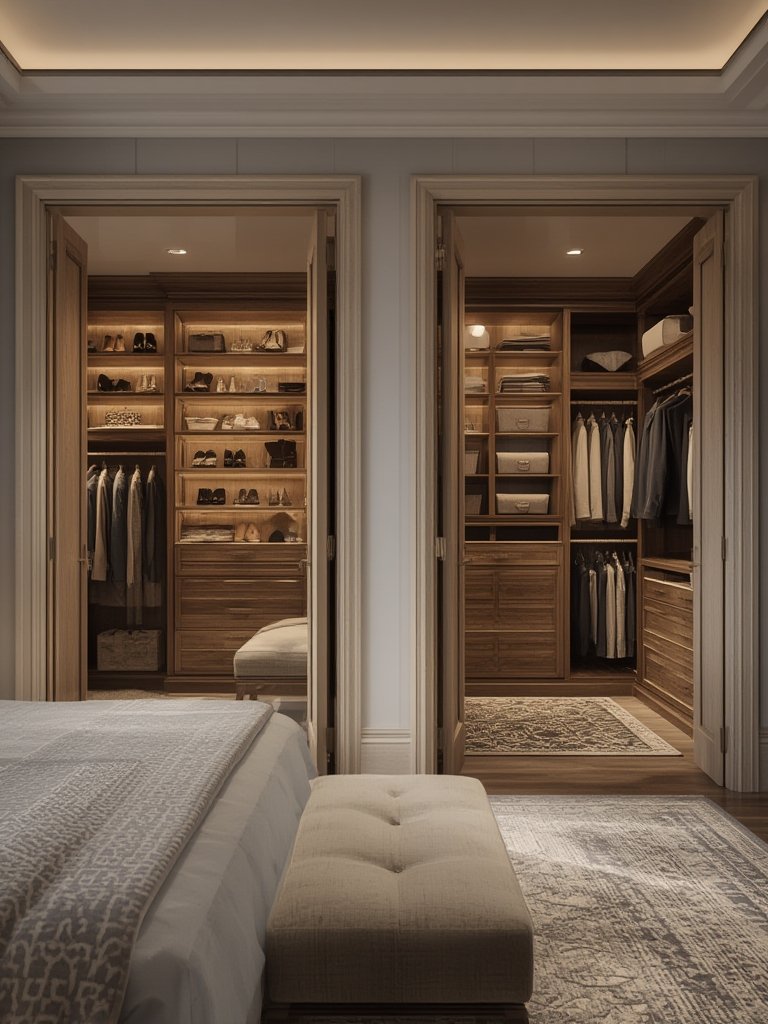
Another oversight is energy efficiency. Integrated LED lighting is a big plus, but if not properly installed, it can waste power or die early. See our Guide to Home Energy Upgrades for tips that also improve your home’s value.
Conclusion
Separate primary suite closets are more than a modern trend—they are critical for couples wanting custom storage, stress-free routines, and future-ready upgrades. Avoid the traps of rushed planning and generic designs to get real value and satisfaction. A well-planned separate primary suite closets project improves harmony and raises the function (and appeal) of your entire bedroom suite.
Want expert help or fresh ideas for your project? Explore more design strategies in our Multi-Functional Room Guide or connect with a closet design pro today!
FAQ
What does “separate primary suite closets” actually mean?
It means each partner in the main suite has their own dedicated closet area—whether walk-in or reach-in. The separation can be physical (two rooms), divided by doors, or achieved through layout and organization.
How much space do I need for separate closets in my primary suite?
Ideally, each closet should be at least 25–30 square feet for a functional walk-in, but many designs use creative layouts to make even a 4-foot-wide reach-in closet work individually. The key is personalized organization, not just square footage.
Can I add luxury features like smart lighting and modular shelving to a DIY closet?
Yes. Many modular kits now include LED lighting, adjustable rods, and customizable shelving for DIYers. For smart tech (like automatic lights or inventory systems), professional help can ensure reliable results.
Are separate primary suite closets worth it for resale?
Current trends show strong buyer demand for custom closet space. Separate closets often add value, especially in the luxury home or new-build market. Organization is a top-three home improvement priority for today’s buyers.
What are the biggest mistakes when designing separate primary suite closets?
Skimping on space or modularity, ignoring lighting, and copying the same design for both partners top the list. Plan for personalization, future needs, and easy access—or frustration will follow.