

Smart irrigation system technology is transforming how homes, businesses, and farms manage water, saving money and conserving valuable resources. Whether you’re looking to lower your water bill, boost crop yields, or automate your landscaping, a smart irrigation system delivers precise, data-driven watering with minimal effort.
Key Takeaways
- Smart irrigation systems save 30%–70% more water than traditional methods while increasing efficiency and reducing costs.
- Advanced features like weather-based adjustments and soil moisture sensors ensure plants get only the water they need.
- Both residential yards and large-scale farms benefit from fast ROI, remote control, and proven long-term savings.
- What Is a Smart Irrigation System?
- Step-by-Step Guide: How to Implement a Smart Irrigation System
- Advanced Analysis & Common Pitfalls
- Conclusion & Next Steps
- FAQ
What Is a Smart Irrigation System?
A smart irrigation system is an automated watering setup that uses real-time data from weather forecasts, soil moisture sensors, and even plant water needs to optimize when and how much to irrigate. Unlike simple timers, these systems fine-tune irrigation schedules to current environmental conditions, minimizing wasted water and supporting healthy lawns, gardens, or crops.
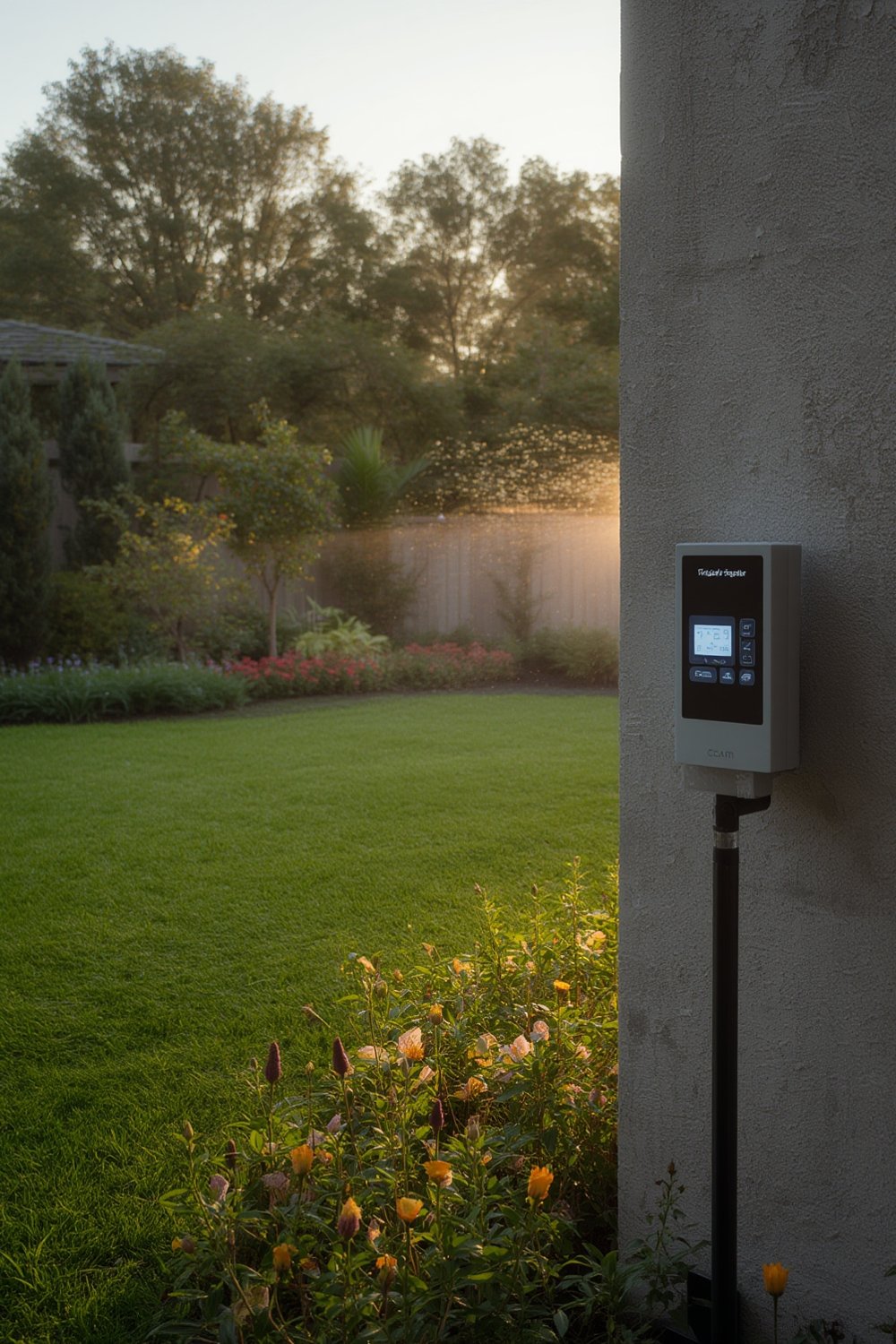
The main goal is water conservation. In 2024, smart irrigation systems averaged 30% to 70% less water use than traditional methods, depending on the irrigation type and implementation (source). Switching from basic sprinklers to drip irrigation with smart controls can yield the largest savings, up to 70%. The impact extends beyond water bills – energy costs for pumping can drop 30%, and some farms report yield increases as high as 25% thanks to optimized watering (source).
Whether you’re a homeowner tired of manual adjustments or a commercial operator chasing efficiency, smart irrigation offers a proven blend of automation, sustainability, and control. Systems range from app-enabled controllers garden kits to sophisticated farmscale platforms with hundreds of sensors. Even simple upgrades deliver tangible savings and better plant health. For broader home automation projects, see how smart garage door openers fit into connected living.
Step-by-Step Guide: How to Implement a Smart Irrigation System
Implementing a smart irrigation system is straightforward but requires careful planning. Here is a practical, step-by-step process anyone can follow:
- Assess Current Irrigation Setup
Inventory your sprinklers, drip lines, or other irrigation elements. Note their zones, water flow, and existing scheduling. Identify inefficient or problematic areas (like overly wet spots). - Select the Right System
Decide what you need. For small gardens, entry-level app-enabled controllers or soil moisture sensors suffice. Larger lawns or commercial properties might need Wi-Fi weather-based controllers, advanced flow meters, and multiple sensor inputs. - Integrate Weather and Soil Sensors
Choose systems that allow weather data integration and real-time soil moisture monitoring. Some options learn from historical data, further optimizing irrigation as they adapt (source). - Install & Connect
Mount your new controllers, connect sensor wiring, and link to WiFi. Place soil sensors at key points (sun, shade, high/low spots) for robust data. - Configure & Test
Use the app to set up each zone’s soil type, sun exposure, and plant type. Run initial tests to calibrate moisture readings and check for leaks or broken heads. - Monitor & Fine-Tune
Review weekly reports. Tweak schedules after big weather events or as your landscape matures. Most systems let you adjust remotely and receive notifications for issues. - Maintain Regularly
Clean filters, check for debris, ensure firmware is updated, and watch for connectivity interruptions, especially after storms.
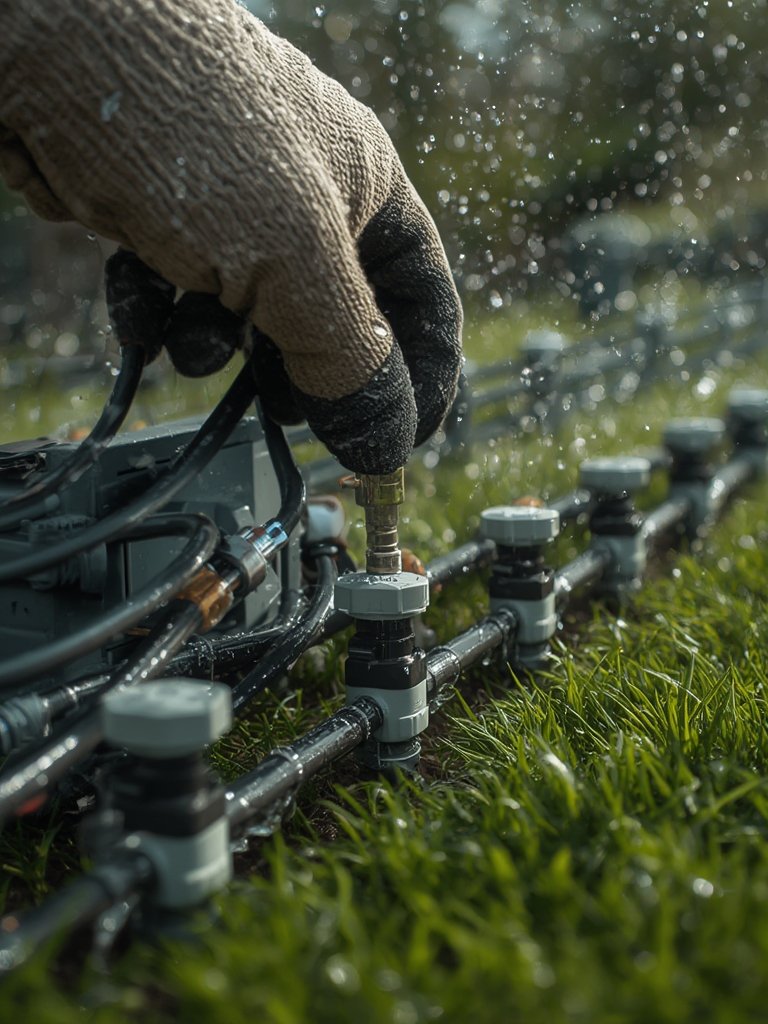
While setup is mostly DIY-friendly for residential users, farms and commercial landscapes may need professional help, especially for complex retrofits. Curious how these projects compare financially to other popular upgrades? Check out ways to boost ROI with home EV charger installation and see why smart tech is trending across the board.
Advanced Analysis & Common Pitfalls
Smart irrigation systems offer outstanding benefits, but challenges persist. Here’s what the data – and real-world feedback – shows you should watch out for when considering an upgrade:
- Connectivity Issues: WiFi interruptions, app glitches, and power outages can disrupt automation. Plan for manual overrides or local control when needed.
- Sensor Placement/Calibration: Poorly placed or incorrectly calibrated soil sensors can cause unreliable data, leading to over- or under-watering.
- Weather Data Gaps: Some systems rely on limited or generic weather stations, reducing predictive accuracy. Invest in models with hyper-local forecasting if possible.
- Ongoing Costs: Advanced setups (especially for large properties) carry higher initial investments, plus recurring sensor maintenance and software subscription fees.
- Compatibility Problems: Not all controllers, valves, and sensors play nicely together. Check compatibility lists before purchasing upgrades.
- ROI Delays: Heavy clay soils, shaded lawns, or inefficient zone layouts can slow payback versus average case studies, though long-term savings still accumulate.
- Learning Curve: Some interfaces are not intuitive. Allocating time up front for setup and periodic reviews pays off.
| Conventional Timer | Smart Irrigation System |
|---|---|
| Fixed schedule, ignores weather | Dynamically adjusts for rain, soil, and forecast |
| Over/under-watering common | Consistent, plant-specific watering |
| Manual adjustments required | Remote & auto control via app/web |
| No usage analytics | Reports, notifications, and analytics |
| Typical water savings: 0–10% | Typical water savings: 30–70% |
| Lower initial cost | Higher upfront cost, faster ROI |
System costs vary widely. For example, a 250-acre farm spent $120,000 on a smart drip system and recouped the investment in just 18 months with $6,675 annual savings (source). On the residential side, one homeowner cut their water bill from $105 to $40 per month – a 62% reduction for a single system. Want even more home efficiency ideas? Explore tankless water heater installation for energy savings.
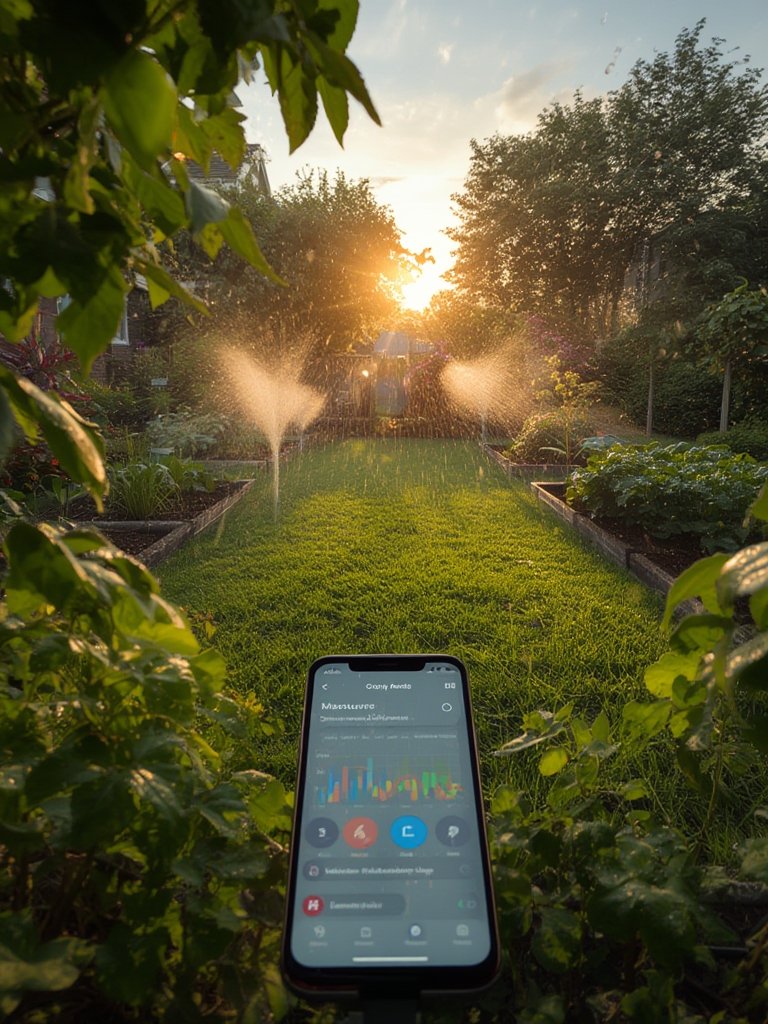
Advanced smart irrigation can be tailored for everything from seamless indoor outdoor living spaces to vineyard-level soil monitoring. Whether you’re upgrading a small backyard or scaling farm operations, it’s important to factor in maintenance, compatibility, and software support in your calculations.
Conclusion & Next Steps
Smart irrigation system technology is a proven, practical solution to water waste and shifting climate realities. Today’s best solutions integrate weather and soil data for tailored, exact watering – saving 30%–70% in usage, cutting pumping energy, and often delivering healthier plants and crops. While setup requires some upfront investment and diligence, both small and large sites consistently show fast payback and reliable operation with modern systems. If you’re ready to make your landscape or operation more sustainable and efficient, now is the time to choose a smart irrigation system and take control of every drop. Review your needs, select a compatible solution, and start saving right away.
FAQ
How much water can a smart irrigation system save at home?
Most homeowners see 30%–50% water savings compared to standard timer systems, with even higher rates possible if upgrading from conventional sprinklers to smart-controlled drip irrigation.
Can I install a smart irrigation system myself?
Yes, most residential-grade smart irrigation systems are designed for DIY installation and configuration. Larger or more complex properties may need professional help for sensor calibration or integration.
What happens if my internet goes down?
If your smart irrigation system loses connectivity, most will default to the last programmed schedule until the connection resumes. Manual override is almost always available at the controller.
Is investing in a smart irrigation system worth it for small gardens?
Even small landscapes benefit from reduced water bills and plant stress. Entry-level smart controllers are affordable, and the convenience of remote control and weather-based adjustments delivers value quickly.
How long does it take to see a return on investment?
Residential users often see payback within 12–24 months through lower water costs. Large farm operations have reported ROI in as little as 18 months, with documented five-year savings in the tens of thousands of dollars.