

Sustainable wood furniture is transforming the way we furnish our homes and offices, blending style with responsibility. If you want furniture that’s beautiful, durable, and minimizes environmental impact, this emerging standard is worth considering. With rising global demand, premium pricing acceptance, and evolving sourcing practices, understanding this rapidly changing market is essential for both buyers and industry pros.
Key Takeaways
- Sustainable wood furniture markets are experiencing fast growth, with responsible sourcing standards and consumer demand driving industry evolution.
- Choosing the right certifications (like FSC), understanding supply chain impacts, and recognizing retailer commitments are crucial for making truly sustainable choices.
- Pitfalls include limited transparency, longer lead times for customized pieces, and incomplete data on durability and pricing—so informed decisions are key.
- The Core Concept: What Is Sustainable Wood Furniture and Why Does It Matter?
- Step-by-Step Guide: How to Choose and Care for Sustainable Wood Furniture
- Advanced Analysis & Common Pitfalls
- Conclusion
- FAQ
The Core Concept: What Is Sustainable Wood Furniture and Why Does It Matter?
Sustainable wood furniture refers to household and office furnishings produced using responsibly harvested, reclaimed, or rapidly renewable wood, with a clear focus on environmental, social, and economic sustainability. These products typically carry certifications, such as Look for FSC (Forest Stewardship Council), to verify responsible practices from forest to finished piece.
Why does it matter? The global eco-friendly furniture market is booming, valued at over $53 billion in 2025 and projected to more than double by 2033. North America accounts for 42.6% of this market, fueled by consumer demand for healthier homes and transparency in sourcing. Commercial buyers are moving rapidly, too, as sustainable furniture supports LEED and WELL certifications for offices and hospitality spaces. This shift is shaping not only environmental impact—reducing deforestation, supporting better forestry practices, and cutting the carbon footprint—but also introducing new expectations around material quality and ethical production.
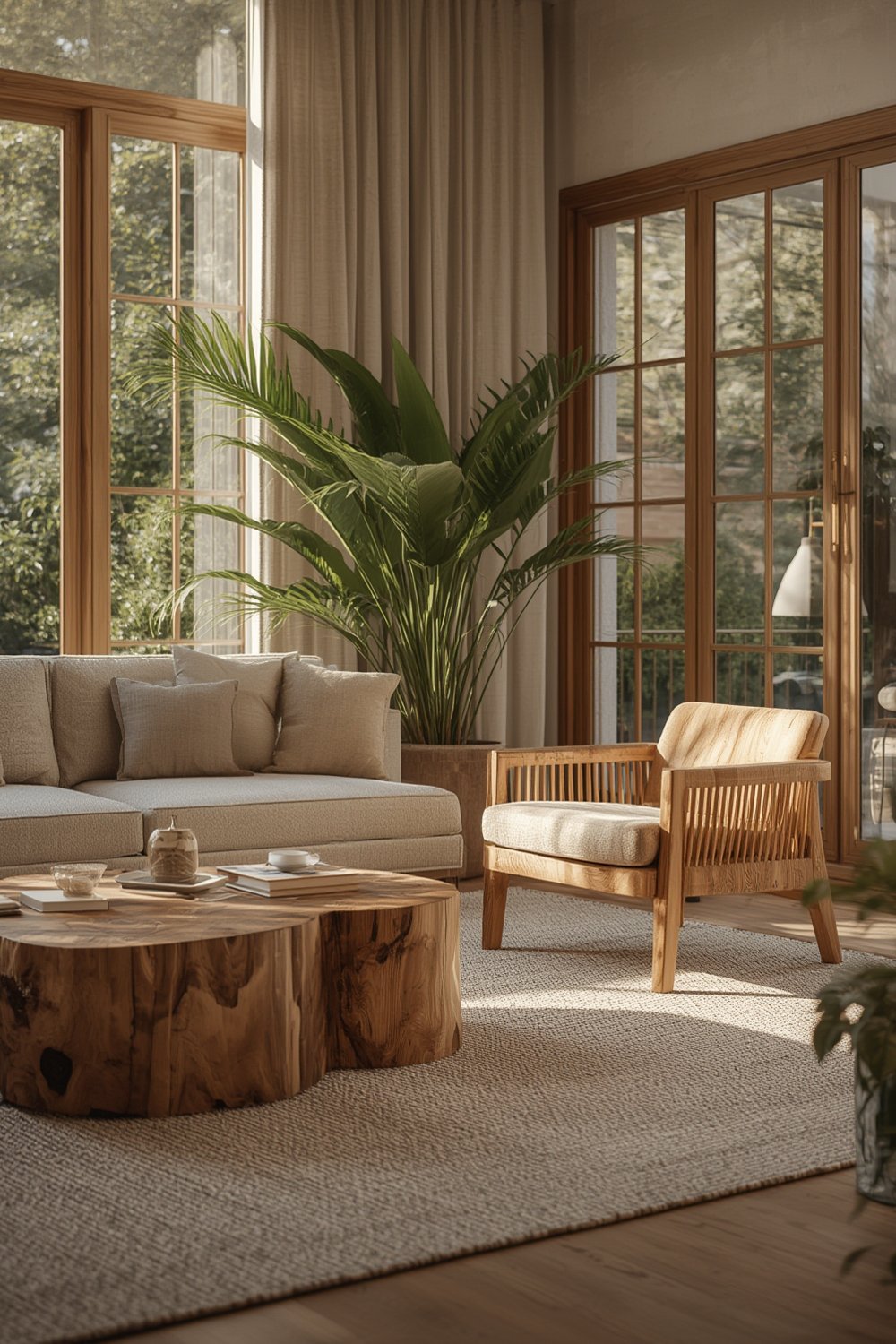
Even established retailers are making big changes. According to the 2024 Wood Furniture Scorecard, brands like Model No., Cisco Home, and Room & Board now prioritize responsible forestry and transparency. Major chains, such as IKEA, report that 97% of all their wood is certified or recycled. This industry shift supports not just responsible consumerism, but increased market competition and higher standards for durability and beauty.
For homeowners, adding sustainable wood furniture doesn’t just signal eco-consciousness—it brings well-crafted design, better indoor air quality (thanks to fewer chemical finishes), and the possibility to complement styles ranging from rustic to modern minimalism. If you’re remodeling, sustainable wood also pairs well with bigger design concepts such as biophilic living rooms or sunroom conversions.
Step-by-Step Guide: How to Choose and Care for Sustainable Wood Furniture
Making the right choice involves more than just checking labels. Here’s a practical process for selecting and maintaining sustainable wood furniture that looks great, lasts, and meets your ethical standards.
- Identify the Source: Look for FSC, PEFC, or comparable certifications. Avoid vague terms like “eco-friendly” unless supported by recognized third-party verification. For reclaimed wood, ask about previous usage and any treatments applied.
- Assess Construction Quality: Sustainable wood furniture should feel sturdy, with solid joinery (like mortise and tenon or dovetail joints) rather than glue-heavy or stapled assemblies. Heirloom-quality pieces can be resold or passed down.
- Evaluate Finish and Materials: Opt for low-VOC or natural finishes (oil, wax, water-based lacquers) that preserve both the environment and your indoor air quality. Choose upholstery made with natural fibers like jute, hemp, or organic cotton if available.
- Examine the Supply Chain: Retailers with strong environmental reporting and commitments—such as West Elm or Room & Board—provide greater transparency. Custom projects may have longer lead times due to tight stocks of FSC-certified hardwoods, but you can find gorgeous, durable alternatives like bamboo or engineered grasses rising in availability and popularity.
- Budget and Compare: Be realistic about pricing; expect to pay 5%–20% more for certified sustainable options. Check comparable designs and read customer feedback to balance cost, performance, and longevity.
- Care and Maintenance: Use mild cleaners, avoid prolonged water exposure, and periodically apply eco-friendly oil or wax for long-lasting beauty. See more tips in our reclaimed wood accent wall guide to extend the lifespan of natural materials.
- Look for Real-Life Examples: Many sustainable furniture brands now offer digital product passports or traceable QR codes, so it’s easier than ever to verify claims and avoid greenwashing.
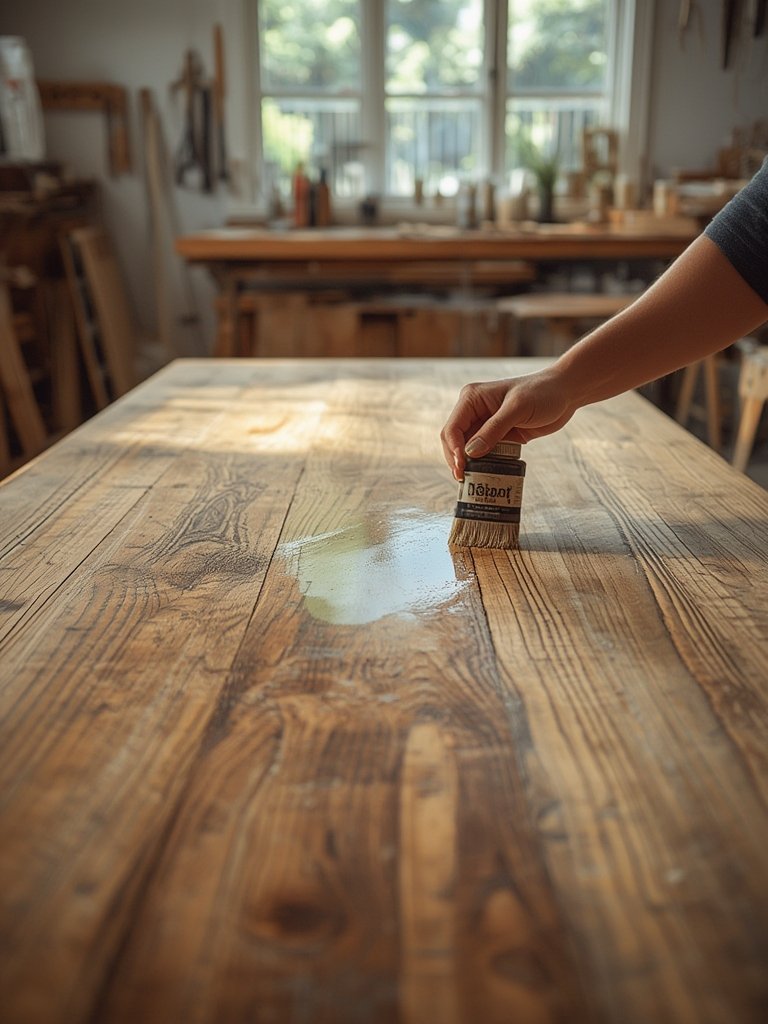
With these steps, you’ll avoid common mistakes and gain confidence, whether you’re upgrading a living space for indoor-outdoor living, adding functional pieces to a home office/guest room, or planning a cohesive, sustainable renovation.
Advanced Analysis & Common Pitfalls
The sustainable wood furniture sector is maturing, but there are persistent and emerging challenges to be aware of—both for buyers and businesses.
- Transparency Gaps: Not all sustainability claims are equal. Many retailers use the term “eco-friendly” with little auditing. Always seek third-party certifications and ask to see Environmental Product Declarations where possible.
- Supply Constraints: Stocks of FSC-certified oak and maple remain limited, leading to longer order times for custom or high-volume projects. Bamboo and engineered grasses are quick-growing alternatives, but may offer slightly different aesthetics and structural properties.
- Documentation Issues: Buyers often lack clear, comparable data on carbon footprint reduction, durability, or price differential between certified, reclaimed, and conventional wood furniture. This makes apples-to-apples analysis difficult, although committed retailers (like West Elm) report over 60% of their sales from responsibly sourced wood.
- Potential Greenwashing: Some mass-market brands may market “sustainable” furniture despite minor changes or minimal certified content. Always review product details for independent audit or certification.
- Finish Performance: Low-VOC or water-based finishes are healthier but can be less durable in high-abuse settings. Maintenance may require regular touch-ups compared to traditional polyurethane lacquers or varnishes.
| Type | Certification/Claim | Pros | Cons |
|---|---|---|---|
| FSC-Certified Wood Furniture | Verified by Forest Stewardship Council | Clear environmental chain, supports responsible forestry, widely recognized | Can be pricier, limited supply of some species, longer lead times |
| Reclaimed Wood Furniture | Upcycled from existing structures, usually un-certified | Reduces waste, unique character, often local | Variable quality, potential hidden defects, inconsistent supply |
| Rapidly Renewable (Bamboo, Grasses) | Typically non-wood forest products | Fast regrowth, strong, competitive cost, less habitat loss | Aesthetic differences, less tradition, not always FSC-certified |
| Conventional Solid Wood Furniture | Unverified source | Abundant supply, lowest upfront cost | Higher deforestation risk, often chemically finished, no sustainability assurance |
Buyers can mitigate risks by targeting retailers with proven sustainability commitments, like those recognized in the 2024 Wood Furniture Scorecard, and incorporating maintenance practices learned from real-life uses—such as those covered in our energy efficiency upgrade guides for other natural materials.
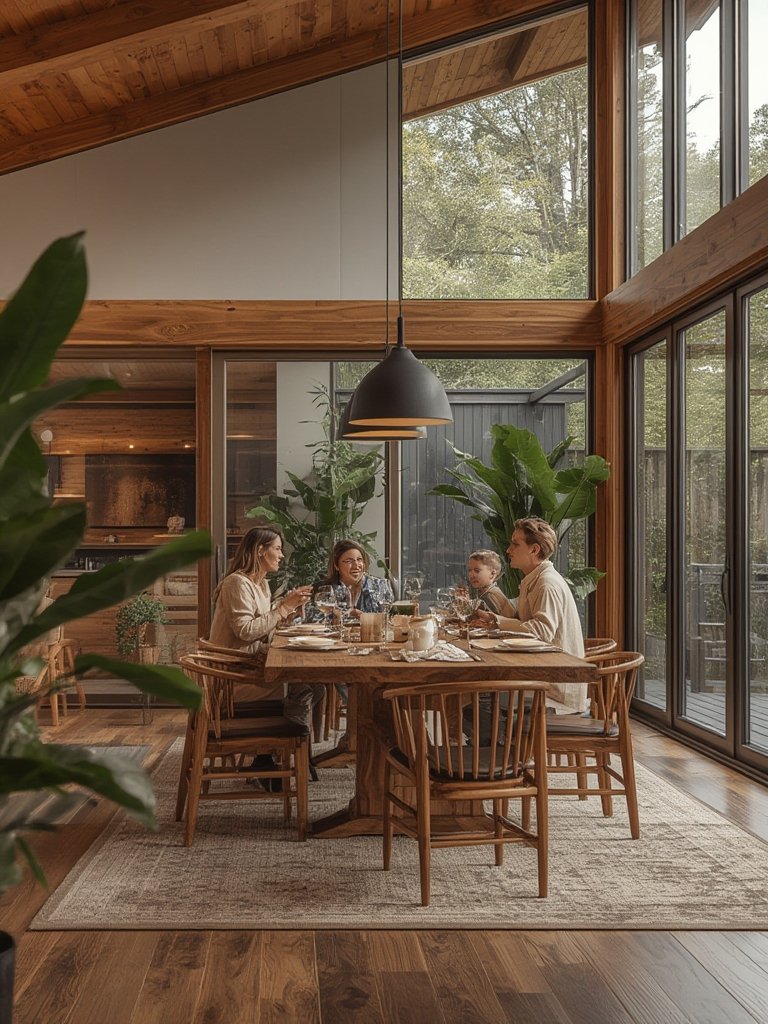
While the data keeps evolving, gaps remain in areas such as consumer-reported durability, long-term maintenance costs, and direct comparisons with non-certified alternatives. Until robust third-party benchmarks emerge, careful questioning and documentation review are your best strategies.
Conclusion
Sustainable wood furniture is redefining the modern interior—blending ethical sourcing with innovation and style. As both the global and US markets expand, informed buyers benefit from healthier homes, greater transparency, and a better environmental legacy. Remember to verify certifications, research supply chain practices, and budget for the value added by responsible choices. By following the guidance above, you turn every purchase of sustainable wood furniture into a statement that supports craftsmanship, community, and the planet.
If you’re ready to make your next home upgrade matter, explore reputable retailers, check documentation, and don’t hesitate to combine your new finds with trends like quiet minimalism or biophilic home accents. Your choices shape the future of furniture—choose wisely and sustainably!
FAQ
What is the best way to verify if wood furniture is truly sustainable?
Look for certifications such as FSC or PEFC, and request Environmental Product Declarations or a chain-of-custody document from the retailer. Avoid broad marketing terms without substantiation.
Are reclaimed wood pieces always more sustainable than new certified wood?
Not always—while reclaimed wood prevents new deforestation and has unique character, verify it’s free from hidden defects and hasn’t been treated with toxic chemicals. New furniture made from certified, rapidly renewable, or locally sourced materials can be equally sustainable.
What are the common disadvantages of sustainable wood furniture?
Potential drawbacks include higher upfront cost (often 5–20% more), possible lead-time delays (especially for custom orders using scarce woods), and, for some finishes, increased maintenance compared to conventional lacquers.
How do I maintain sustainable wood furniture for longevity?
Use gentle, non-toxic cleaners, avoid standing water, and refresh finishes periodically with eco-friendly oils or waxes. Protect from direct sunlight to reduce fading, and promptly fix minor scratches to avoid deeper damage.
Is bamboo a good alternative to hardwood for sustainable interiors?
Yes. Bamboo grows quickly (mature in five years), has comparable strength to some hardwoods, and is increasingly used for furniture and panels. Ensure it’s harvested and manufactured responsibly, as not all bamboo is certified.