

Tankless water heater installation is gaining popularity among homeowners who want unlimited hot water, potential energy savings, and space optimization. But before making the switch, understanding the real costs, installation complexities, and maintenance realities is crucial. This actionable guide strips away the myths and offers clear, research-backed steps to achieve a successful tankless water heater install—without hidden surprises.
Key Takeaways
- Tankless water heater installation costs vary widely by fuel type, with electric models typically cheaper to install, but gas models better for high-demand homes.
- Proper installation often requires electrical or gas line upgrades, venting, and permits—be wary of hidden costs and common pitfalls.
- Routine annual maintenance is critical for reliability, especially in hard water areas. Neglecting service can reduce efficiency and shorten lifespan.
- Understanding Tankless Water Heater Installation: What & Why
- Tankless Water Heater Installation: Step-by-Step Guide
- Advanced Analysis & Common Pitfalls
- Conclusion
- FAQ
Understanding Tankless Water Heater Installation: What & Why
Tankless water heaters, also known as on-demand water heaters, provide hot water only when you need it. Unlike traditional tanks, they don’t store heated water, so they don’t lose energy to standby heat. This makes them appealing for homeowners looking to save space and cut back on utility costs. You’ll find both electric and gas models, each with unique installation needs and costs.
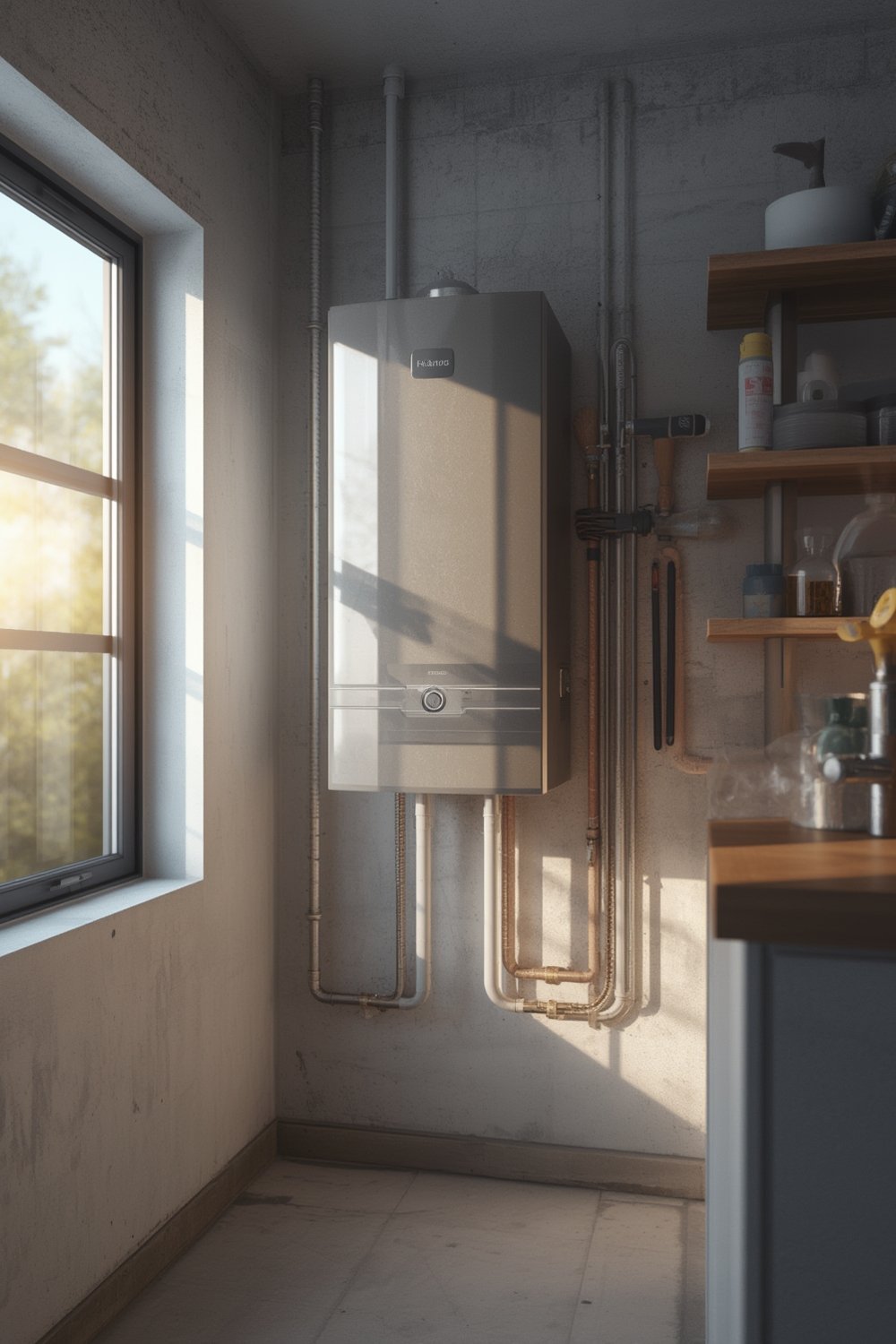
Still, tankless doesn’t mean “plug and play.” Depending on your current setup and chosen fuel source, you may need electrical panel upgrades, gas line extensions, new venting, or plumbing adjustments. These realities can affect your upfront investment and timeline.
Deciding whether to go for an electric or gas tankless water heater typically comes down to purchase cost, available infrastructure, family size, and local utility rates. See our thorough tankless vs. traditional water heater comparison for deeper insight on choosing the right model for your home.
Tankless Water Heater Installation: Step-by-Step Guide
Ready to tackle a tankless water heater installation? Here is a realistic, practical sequence to follow. If you want professional help, see our Find a Certified Plumber Near Me directory for local, licensed experts.
- Choose the Right Unit
Electric units usually cost $500–$1,500. Gas types run $1,000–$2,800, while high-efficiency condensing gas models can reach $3,200. (Cite: CR Plumbing DFW 2025 Guidebook) - Assess Site Requirements
Measure space, check accessibility, and review the proximity to gas, electrical, and water lines. Installation in tight closets or crawl spaces often adds labor costs. (Details found at Hidden Costs of Water Heater Replacement) - Upgrade Utilities as Needed
- For electric units, ensure your panel can handle the amperage. Most require 120–200 amps—don’t skip a load calculation.
- For gas units, verify gas line capacity and plan for upgrades if the existing system is undersized. New venting can add $300–$800 to your budget.
Source: Super Brothers
- Shut Off Utilities
Disconnect power or gas, and turn off water supply lines before removing your old heater. - Mount and Hook Up the New Unit
Install the unit securely (wall-mount or stand), connect input/output water lines, then make the electrical or gas connections as directed by the manufacturer. - Install Venting Systems (for Gas)
Use manufacturer-approved venting to meet code and ensure safe exhaust. - Check for Leaks & Test Operation
Reconnect power/water/gas units, open lines one by one, and carefully check for leaks. Initiate a test run and set the temperature. - Complete Permitting & Inspection
Most jurisdictions require inspection. Don’t skip it—it’s vital for home resale and safety.
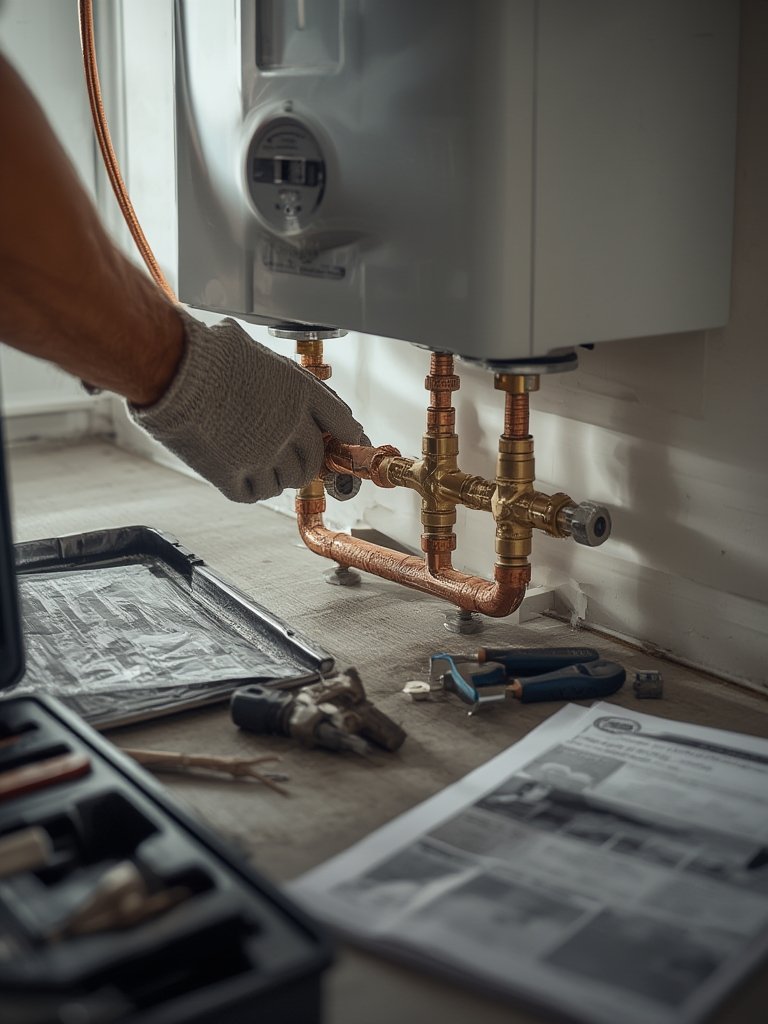
Installation cost ranges: For electric tankless, total install usually lands between $1,000–$5,000 (including labor: $1,000–$1,500). Gas models often cost more due to venting and gas line work, pushing typical total costs to $1,000–$3,500 or higher with condensing models. (See the comprehensive cost breakdown here.)
Be sure to compare your options using our Energy-Saving Water Heater Buying Guide for maximum efficiency and long-term savings.
Advanced Analysis & Common Pitfalls
While tankless water heaters offer many advantages, the reality is not always perfect. Here we outline major pitfalls, real-world performance insights, and practical comparisons to help prevent post-installation regret.
| Pitfall | Description | Who’s Affected |
|---|---|---|
| Upfront installation costs | Electric units are cheaper but may lead to higher operational costs; gas units cost more due to venting and gas line needs. | All homeowners, especially those in older homes. |
| Unexpected upgrades | Many homes require electrical panel or gas line upgrades. These upgrades run $800–$2,000, adding strain to budgets. | Homes with aging infrastructure, undersized wiring, or low gas capacity. |
| Permit/Inspection Delays | Local codes vary. Missing or improper permits can delay projects or cause failed inspections. | DIY installers or those in regions with strict regulations. |
| Maintenance Needs | Hard water increases sediment buildup, requiring annual flushing ($100–$200 per year). | Homes with hard water, neglecting regular service. |
| Performance complaints | Reports on “cold water sandwich” effect or low flow rates are common when units are undersized or plumbing is suboptimal. | Large families, retrofits without adequate planning. |
| No available rebates | As of 2024, no federal/state/utility rebates are widely reported, reducing ROI. | All U.S. homeowners (see details in Utility Rebate Finder). |
Yearly Maintenance Snapshot:
| Task | Annual Cost |
|---|---|
| Flushing (hard water areas) | $100–$200 |
| Filter replacement | $30–$100 |
| Service call (repairs) | $100–$400 |
Full details on reliability, failure rates, or side-by-side reviews of brands are still hard to find; check our regularly updated Water Heater Review Hub for the newest reports and first-hand owner experiences.
Conclusion
Tankless water heater installation is a smart investment for energy-conscious homeowners, but it brings a unique set of challenges. Electric models are generally easier to install; gas units offer higher flow but require more preparation and a bigger upfront spend. Forgetting to check infrastructure, skipping permits, or neglecting annual service can undermine your investment. For peace of mind and optimal performance, always plan for the full scope and routine maintenance.
Before committing to a tankless water heater installation, weigh true costs, maintenance needs, and layout your installation step-by-step using this guide. Ready to upgrade? Request fast quotes from certified tankless water heater installers now and start building a hassle-free, efficient home.
FAQ
Is a tankless water heater worth it for a small household?
For small households with low simultaneous hot water usage, electric tankless models can make financial sense—offering space savings and potentially lower utility costs. However, installation costs may offset those savings if major electrical upgrades are required.
Can I install a tankless water heater myself?
DIY installation is possible for skilled homeowners, especially with electric models. However, most installations require licensed contractors for gas, plumbing, and electrical work, and permits are often legally mandated.
How often does a tankless water heater need maintenance?
Annual flushing (especially in hard water areas) is strongly recommended. Filter changes and system checks should be performed yearly for optimal operation and long lifespan.
Are there rebates for installing a tankless water heater?
Currently, there are no widely available federal, state, or utility rebates on tankless water heaters, but you can check with your local energy provider or use our Utility Rebate Finder for new programs.
Do tankless water heaters last longer than traditional models?
Generally, yes. Tankless units often last 20 years with proper maintenance, which is about twice as long as standard tank models, reducing the need for frequent replacements.