

### Blog Post:
Unflipping house restoration is rapidly taking center stage for homeowners frustrated by modern renovations that erase authentic character. If you want to reclaim original features, restore historic value, or simply prefer soulful spaces over cookie-cutter trends, this guide gives you reality-tested, actionable insights with no fluff.
Key Takeaways
- Unflipping house restoration can dramatically boost charm, but expect budget and permitting challenges that most guides overlook.
- Most homeowners face surprise expenses: 44% report higher costs than planned when “undoing” modern updates.
- Real world success depends on careful planning, sourcing period-appropriate materials, and complying with historical regulations.
- What Is Unflipping House Restoration & Why Does It Matter?
- How to Plan and Execute an Unflipping House Restoration
- Advanced Analysis: Real World Pitfalls & Solutions
- Conclusion: Should You Embrace Unflipping House Restoration?
- FAQ: Unflipping House Restoration
What Is Unflipping House Restoration & Why Does It Matter?
Unflipping house restoration means reversing superficial or trend-driven renovations to recapture a home’s original character, materials, or layout. Modern home “flips” often deliver fast resale profits and neutral aesthetics. Real homes, especially those built before 1940, usually featured custom moldings, plasterwork, natural wood, divided spaces, and period fixtures. Over time, buyers have recognized the loss of these qualities. In 2024, 63% of homeowners prefer remodeling over moving, and among those buying, 85% make improvements to boost long-term value and authenticity
(source,
source).
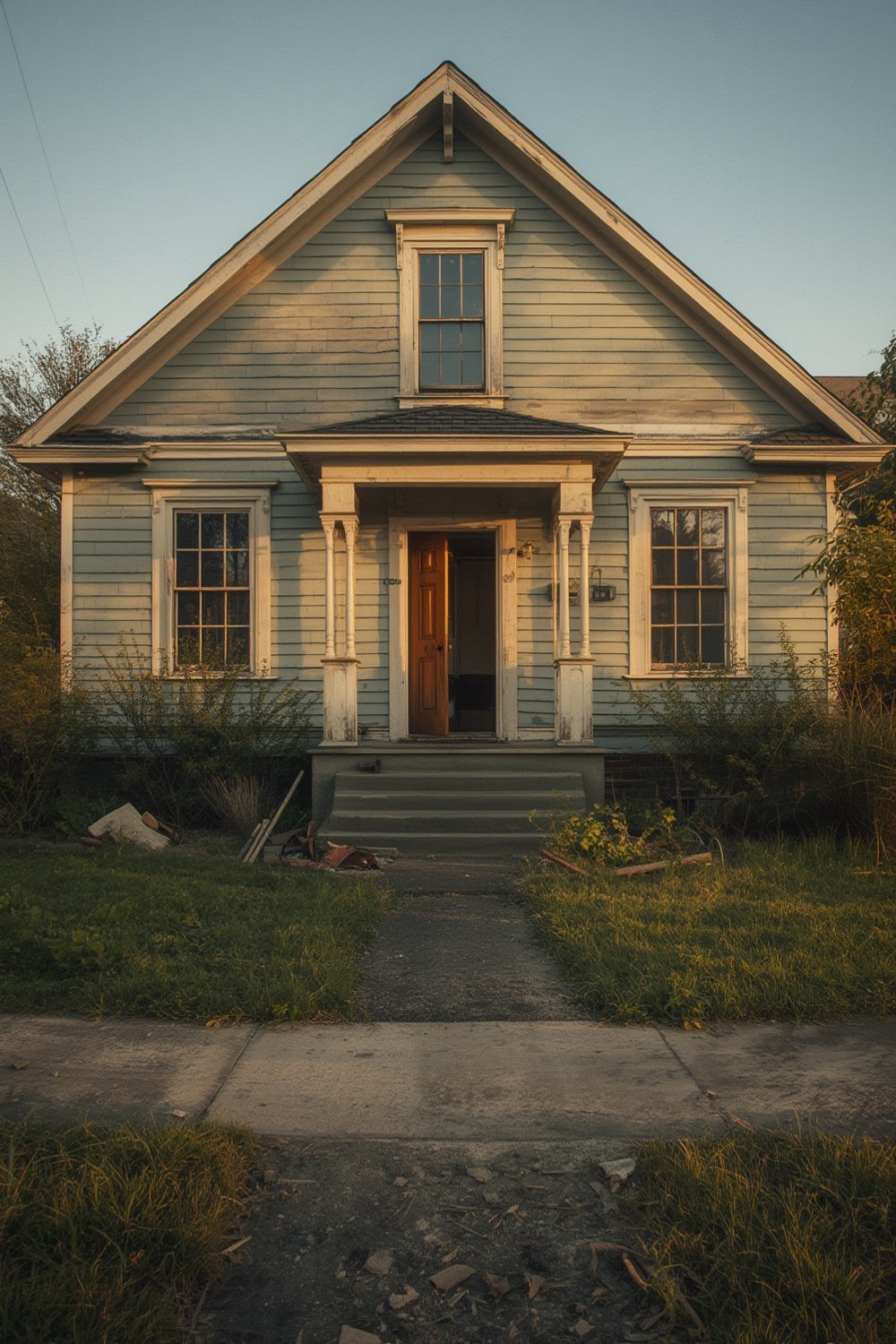
But unflipping is not just historic preservation. It’s about value—emotional and financial. Homes with restored character often command higher market premium in historic neighborhoods and offer everyday enjoyment (think: solid doors, original hardwood, elegant trims). If you’ve ever looked at a sunroom conversion or a natural living room and wanted a sense of true past, unflipping house restoration gives you a roadmap.
How to Plan and Execute an Unflipping House Restoration
Restoring original home character requires careful step-by-step planning. This guide focuses on undoing common “flip” trends while staying realistic about costs and timeframes.
- Survey and Assess: Map every modern renovation and compare with historical photos, builder plans, or similar homes in your area. Prioritize features with high historical and market value: original wood floors, plaster walls, doorways, millwork, fireplaces, and hardware. If available, consult real estate archives or community history groups.
- Plan Your Budget: Be warned: costs can escalate fast. In 2024, 44% of renovators report higher expenses than planned. Price out removal of vinyl/plastic surfaces, plaster repair, custom millwork, and period fixtures (data). Pro tip: Leave a 25% contingency for discoveries like hidden water damage.
- Find Original and Period Materials: Search architectural salvage yards for doors, windows, and lighting. If supply is tight, reputable reproduction makers can create custom trim or hardware. Online communities often resell original moldings or hard-to-source flooring.
- Restore or Reconstruct Key Features: Removing cheap vinyl plank to reveal hardwood usually costs $2–$7 per sq ft; full floor restoration runs higher. Plaster repair starts around $5–$12 per sq ft depending on complexity. Unblocking open-concept layouts may involve wall rebuilding and electrical rerouting.
- Address Mechanical and Code Issues: Modern code and permits affect what you can restore, especially in homes built before 1940. Electrical, plumbing, and insulation usually require upgrades. Always engage local permitting offices before major work—many cities offer guides for historic properties.
- Add Final Authentic Details: Period-appropriate lighting, hardware, and paint elevate the finished look. Scour estate sales for brass hardware or vintage glass. Genuine fixtures outlast “antiqued” reproductions and can increase appeal for buyers who value authenticity.
- Work with Specialists: General contractors often lack experience with unflipping house restoration. Consider a preservation architect or trade specialist for plaster, millwork, or windows (especially sashes and glass). This ties into larger projects like window restoration or period-correct design.
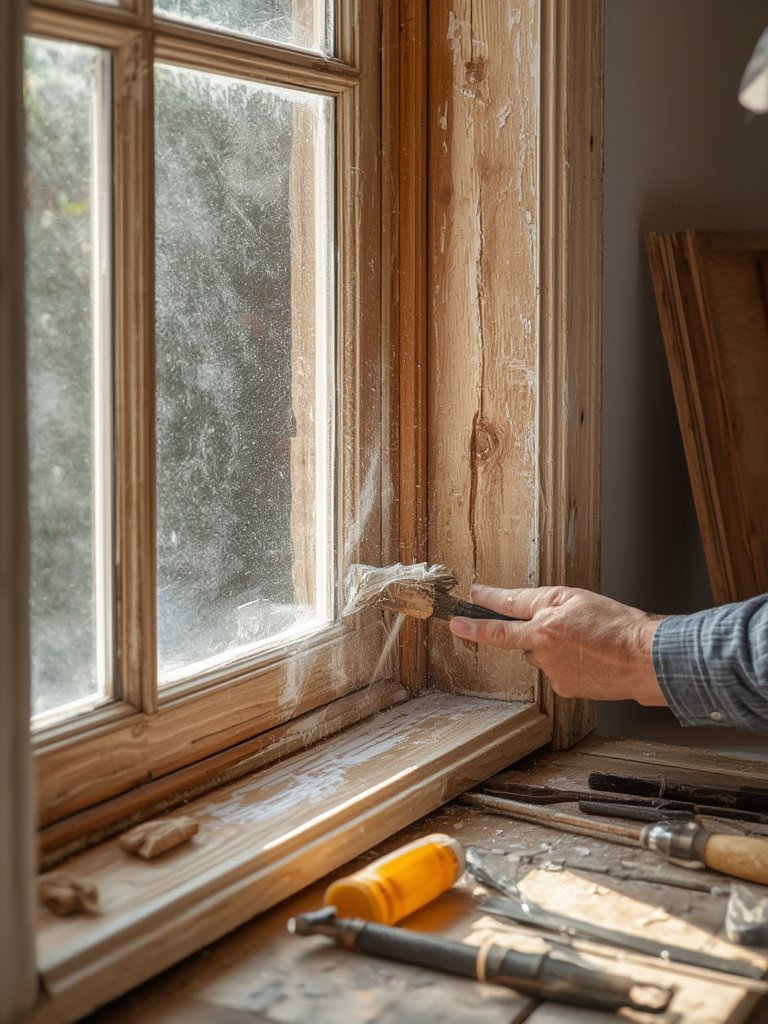
This phased approach minimizes surprise costs and increases the likelihood of uncovering and saving irreplaceable details. If you want to maximize energy efficiency during restoration, combining with energy-efficient window upgrades can improve comfort without sacrificing character.
Advanced Analysis: Real World Pitfalls & Solutions
Despite the appeal of unflipping house restoration, it is not a quick or inexpensive process. Here are genuine pitfalls and how to address them, drawn from the latest renovation research.
| Common Pitfall | Why It Happens | How to Minimize Risk |
|---|---|---|
| Surprise Damage or Hidden Issues | Modern renovations may conceal water, termite, or structural damage. Old plaster and wiring are especially vulnerable. | Thorough inspection before demolition. Budget extra for repairs when undoing “flip” layers. |
| Difficulty Sourcing Materials | Original flooring, windows, or tile can be rare or expensive. Salvage supply is inconsistent. | Network with local salvage yards. Use custom reproduction as a fallback. Don’t hesitate to blend old and new if historical accuracy can’t be met affordably. |
| Permitting Delays and Over-Regulation | Restoring pre-1940 homes can trigger strict code enforcement and delays, especially in historic districts. | Consult the city’s planning office early. Look for historic tax credits or expedited permitting where available. |
| Escalating Costs | 44% of renovators spend more than planned due to inflation, labor shortages, and unplanned issues (source). | Always build in a contingency fund. Compare bids from specialists, not just general contractors. |
| Expertise Gaps | Few contractors truly specialize in unflipping house restoration. Standard crews may rush or damage vintage elements. | Vet your team carefully. Ask for examples of historic work and request references or site visits. |
Finally, don’t overlook the learning curve around new technology. If your project adds smart comfort or security features, like a smart garage door opener or tankless water heater, ensure integration preserves existing historic elements and doesn’t require irreversible changes.
Conclusion: Should You Embrace Unflipping House Restoration?
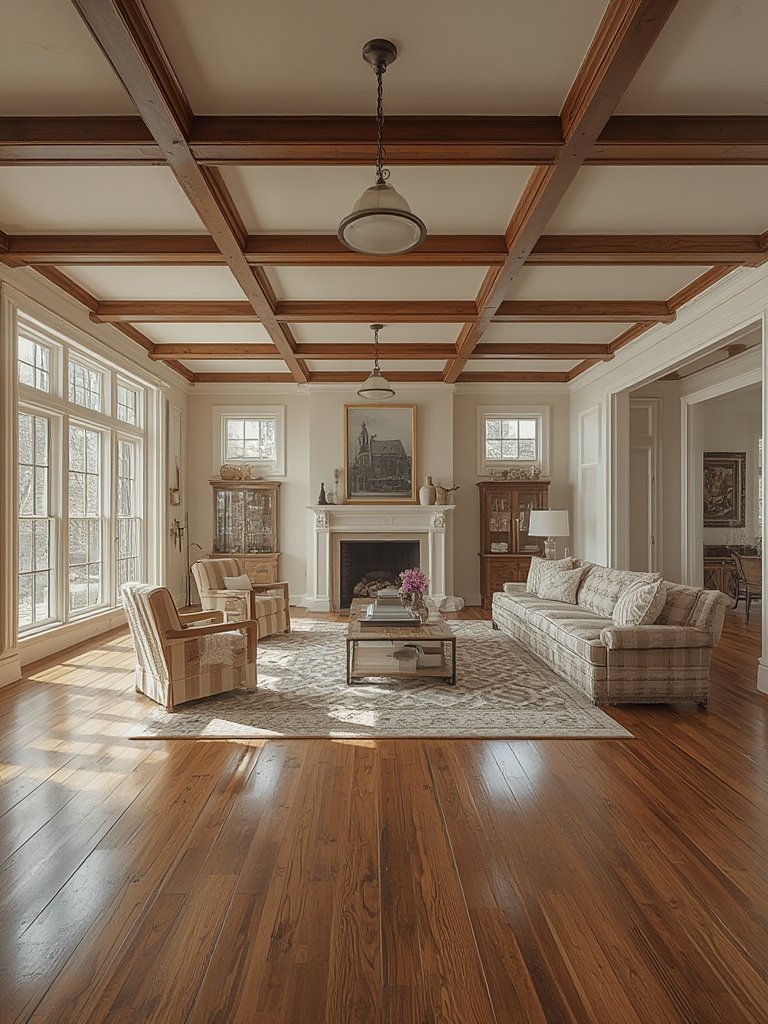
If you value original character and long-term home value, unflipping house restoration is worth considering, but only if you’re prepared for potential cost overruns, sourcing hassles, and regulatory headaches. Successful projects come down to honesty about your goals, patience, and a willingness to invest in skilled trades. Approach every unflipping house restoration as a chance to restore history, not just undo trendy mistakes. Start your planning today, and if you have questions or success stories to share, let us know—your journey can inspire others.
FAQ: Unflipping House Restoration
What is the biggest risk when starting an unflipping house restoration?
The biggest risk is discovering hidden damage behind “flip” renovations, which can dramatically increase costs and timelines.
How can I find period-appropriate materials and fixtures?
Architectural salvage yards, estate sales, and online historic materials marketplaces are the best sources for authentic finds. Some manufacturers reproduce historic fixtures if originals are unavailable.
Is historic permitting always required?
If your home is in a designated historic district or older than 1940, permitting is likely required—especially for exterior or structural changes. Check with your local offices before making any major restoration plans.
Does unflipping house restoration increase home value?
Restoring original features can boost market appeal, especially in historic neighborhoods. However, costs can be high—so research local preferences and consider whether buyers in your area truly value period authenticity.
Can modern upgrades and restoration work together?
Yes. Many homeowners blend energy-efficient windows, smart systems, and updated infrastructure while preserving character details like moldings and flooring for the best of both worlds.