

### Blog Post:
Vintage modern mix is the fastest way to make a room feel uniquely yours—where timeworn finds and crisp, new pieces create that comfortable, curated look everyone wants but rarely achieves. Here’s how to master the art of blending vintage and modern styles for a home that feels inviting, balanced, and truly lived in.
Key Takeaways
- Perfecting a vintage modern mix is all about balance—avoid both “time capsule” and “out-of-the-box” looks by thoughtfully blending old and new.
- Expert formulas like the 80/20 rule, cohesive silhouettes, and a neutral backdrop prevent clutter and make both eras shine.
- Common pitfalls include mismatched scales, too many competing styles, or using vintage only as accents instead of anchors.
- The Core Concept of the Vintage Modern Mix
- Step-by-Step Guide: Achieving the Vintage Modern Mix
- Advanced Analysis & Common Pitfalls
- Conclusion
- Frequently Asked Questions
The Core Concept of the Vintage Modern Mix
The vintage modern mix isn’t about randomly tossing together flea market finds and big-box buys. It’s about using contrast—history, patina, and sculptural forms—so modern spaces feel lived-in, but not like a museum or movie set. The best rooms let the charm of a timeworn oak table, the gleam of a brass arc lamp, or the inviting curl of a curved sofa anchor the space while sleek, contemporary elements offer simplicity and function.
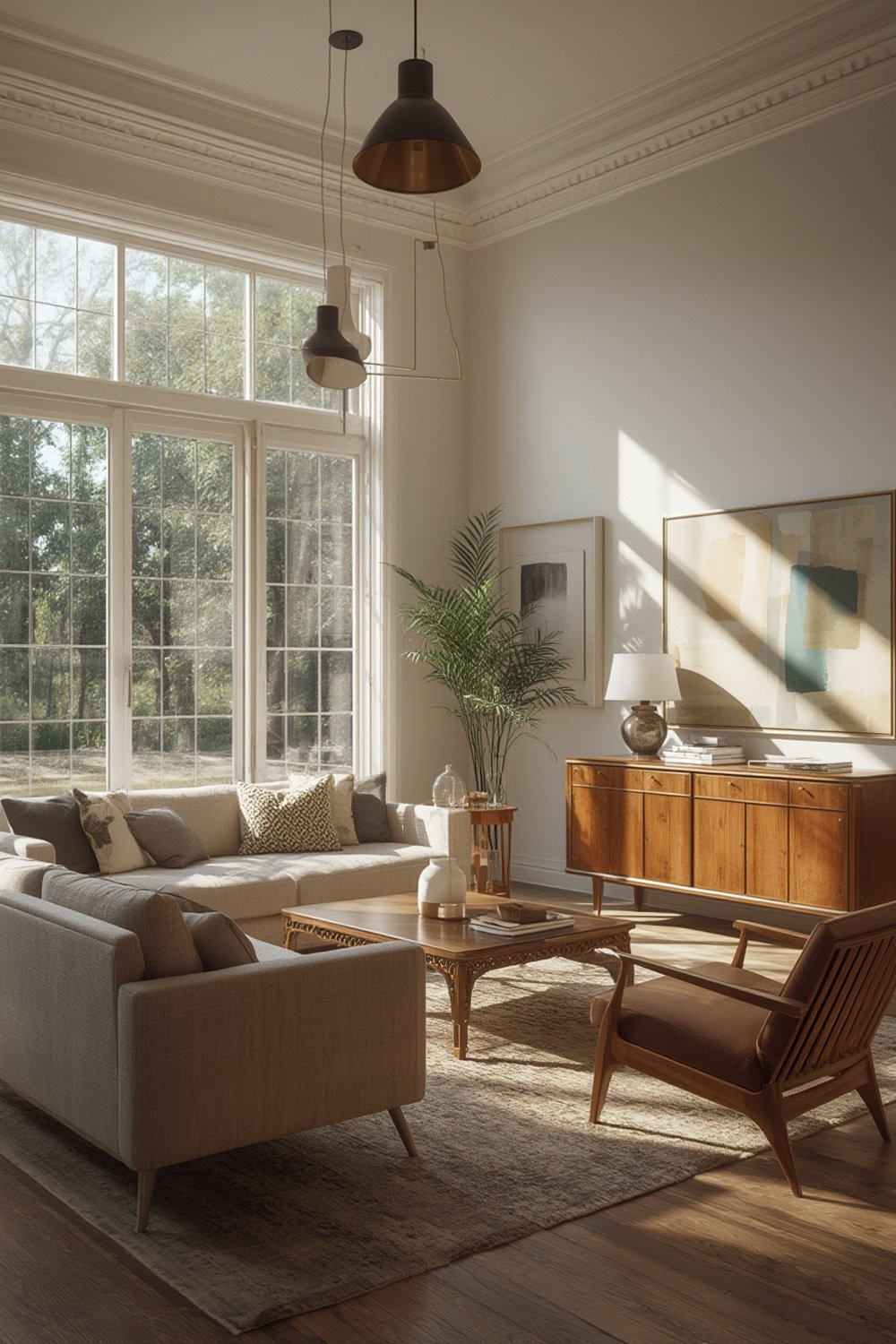
Why combine the two? Vintage brings soul and sustainability—think solid wood, heirloom details, and an instant story—while modern keeps things useful for real life. If you lean too hard into either direction, you risk a home that feels dated, bland, or impersonal. The true appeal of a vintage modern mix is this: your rooms feel welcoming, unique, and perfectly balanced between “timeless” and “right now.”
Struggling with a sterile or “matchy-matchy” space? Tired of rooms that look great on Pinterest but don’t function day-to-day? The vintage modern mix, when done right, eliminates both problems and delivers that elusive “collected” feel—without clutter or confusion.
Step-by-Step Guide: Achieving the Vintage Modern Mix
- Start with a Clean Backdrop: Use neutral walls and floors as your foundation. According to designers, a “clean, monastic backdrop” helps both vintage and modern items stand out in any room. This makes it easier to edit and experiment as you layer in objects.
- Stick to 2-3 Core Styles: Don’t overdo it. Mixing too many design eras creates confusion and visual clutter. For example, pair Scandinavian minimalism with midcentury finds, or modern farmhouse touches with Victorian details—but don’t combine four or five styles.
- Apply the 80/20 Rule: Begin with about 80% modern pieces (sofa, larger storage, lighting) and 20% vintage (anchor tables, antique mirrors, statement chairs). This ratio curates character without tipping into theme-park territory. Experts recommend this formula for a pulled-together look.
- Choose a Statement Piece: Select one vintage (or modern) centerpiece—maybe a weathered wood farmhouse table, ornate mirror, or a sculptural boucle accent chair—and build the rest of the room around it with simpler, complementary elements from the other era.
- Repeat Silhouettes for Cohesion: Use shapes—think rounded corners or linear forms—consistently across both vintage and modern items so the room feels harmonious rather than chaotic. A curved sofa with a vintage arched cabinet and rounded lighting instantly creates flow.
- Balance Scale and Proportion: Make sure your vintage items fit current room sizes. Antique wardrobes in small spaces look out of scale; similarly, modern furniture that’s too low makes vintage tables feel imposing.
- Contrast Intentionally: Pair ornate antique coffee tables with sleek, contemporary upholstery or bold geometric rug patterns, like washable area rugs designed for real life (see these ideas).
- Edit Ruthlessly: Each item should earn its place. Too many small vintage objects cause clutter and confusion, while too many modern pieces risk feeling “out of a box.”
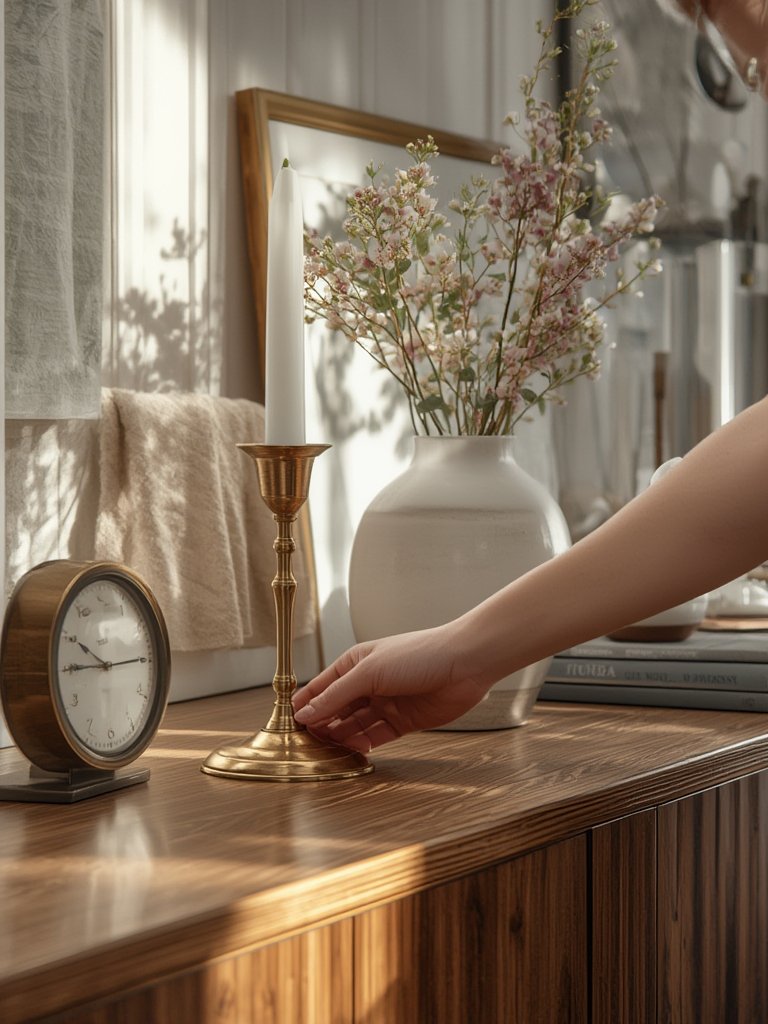
Ready for a deeper dive? Items like reclaimed wood accent walls and biophilic decor add historical character and warmth within a modern footprint. Try layering arched mirrors or a curved outdoor sectional to connect spaces inside and out while holding onto that signature blend of eras.
Finally, keep your mix evolving. Swap in new finds as tastes change to prevent the room from feeling stuck in one moment—or one trend.
Advanced Analysis & Common Pitfalls
It’s easy to fall into the most common mistakes when combining vintage and modern decor. Here’s what to avoid, as supported by expert research and real-world experience:
- Overmixing Eras: Combining too many styles (Victorian, Art Deco, Midcentury) creates chaos. Limit yourself to two or three core styles for unity. Source.
- Forgotten Scale: Old armoires and oversized dining tables were built for bigger homes; in a modern, open floor plan, they dominate the space. Measure before moving in vintage pieces. Details here.
- Too Literal or “Time Capsule” Look: Filling a room with strictly one era’s furniture (all 1950s, all contemporary) makes spaces feel staged and lifeless—not authentic. See expert advice.
- Decorative Accents Only: Using vintage pieces as “accessories” rather than anchors weakens the overall effect. One substantial antique—the table, rug, or dresser—should ground the room.
- Matching Furniture Sets: Complete matching sets dull a room’s personality and date it immediately. Mix upholstery, woods, and finishes for depth and energy.
- Neglecting Function: Some vintage items (fragile chairs, shallow sofas) may look good but lack everyday comfort or utility. Always test these in-store or before purchasing online.
| Mistake | Consequence | Simple Fix |
|---|---|---|
| All-new or all-vintage look | Sterile/“museum” feel; lacks personality | Mix eras with the 80/20 rule, use one vintage anchor |
| Too many small vintage items | Clutter and overwhelm | Edit down, use fewer but larger statement pieces |
| Furniture sets match exactly | Space feels dated, mass-produced | Mix woods, textiles, and silhouettes |
| Oversized antique in small room | Crowded, awkward layout | Prioritize scale, select more compact vintage items |
Another advanced consideration is cost—while research indicates authentic vintage frequently costs more than modern reproductions (sometimes 2x or more), the investment often pays off in character and longevity. If budget is tight, try mixing one real vintage anchor piece with high-quality modern accents or exploring sustainably produced options like sustainable wood furniture.
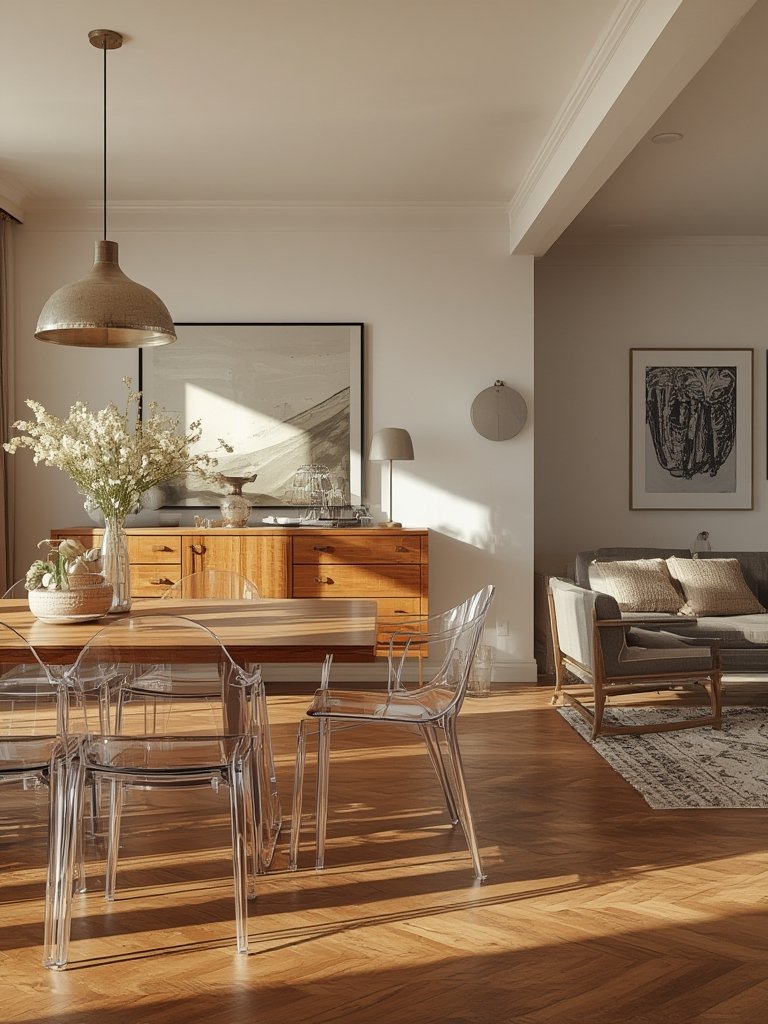
Homeowners also report uncertainty about how “done” should feel: rooms with the right vintage modern mix avoid both rigid perfection and overstuffed chaos. When in doubt, take a step back, photograph your space, and compare it to inspiration images—editing is just as important as shopping for new pieces.
Conclusion
Getting the vintage modern mix right is about quality, balance, and intention—not simply adding antiques to a white-box home. Prioritize anchor pieces, repeat core shapes, and always check proportions for a home that feels inviting and distinctively personal. With these strategies, you’ll enjoy a space that’s full of history and comfort—never cluttered or cold.
Ready to transform your living room, studio, or sunroom? Use these principles to create the vintage modern mix you’ve been searching for—and don’t forget to maximize your living space or bring nature inside with biophilic design strategies for even more impact.
Frequently Asked Questions
What exactly is a vintage modern mix?
A vintage modern mix combines elements from different design eras—usually mixing antique or vintage finds with new, streamlined pieces for a layered, curated look. This creates warmth, uniqueness, and character in your home.
How do I keep my space from feeling cluttered?
Stick to two or three core design styles and follow the 80/20 rule. Use a neutral backdrop and resist the urge to crowd rooms with too many small objects. Edit ruthlessly; each item should serve a purpose or spark joy.
What’s the best way to balance vintage and modern furniture?
Start with functional, modern basics as your foundation and add one or two statement vintage pieces as anchors—think an antique armoire or distressed rug. Repeating shapes and limiting color palettes also helps unify styles.
Does the vintage modern mix really add value to my home?
While quantifiable resale data is limited, design experts agree that a well-executed vintage modern mix makes homes feel more desirable to buyers. It suggests care, curation, and personality—all major draws in today’s real estate market.
Are there quick fixes if my room feels “off”?
Yes! Try swapping in new hardware on vintage furniture, or add modern textiles to an antique piece. Remove one or two items and reassess—the right mix usually feels balanced, inviting, and lived-in without excess clutter or coldness.
—