

### Blog Post:
Zellige tile is shaking up modern interiors with its artful imperfection, timeless beauty, and rich Moroccan heritage. But before you commit to these handcrafted clay tiles for your next project, it’s vital to separate Instagram fantasy from real-world facts about durability, cost, and installation challenges. This guide cuts through the hype to help you confidently source, install, and maintain authentic zellige tile in your home.
Key Takeaways
- Zellige tile is handmade from Moroccan clay, each piece unique—expect color, size, and surface variation as part of the charm.
- Installation and care for zellige tile require special attention due to irregularities; not all installers are experienced in this art.
- Prices for premium zellige tile run higher than standard ceramics, but customization options and authenticity deliver unrivaled visual depth.
- What Is Zellige Tile and Why Is It So Coveted?
- How Zellige Tile Is Made: The Complete Step-by-Step Artisan Process
- Advanced Analysis: Pitfalls, Real-World Issues, and How Zellige Compares
- Conclusion: Is Zellige Tile Right for Your Project?
- Frequently Asked Questions
What Is Zellige Tile and Why Is It So Coveted?
Zellige tile, often called Moroccan zellige, is an artisanal glazed terracotta tile crafted with centuries-old techniques in Morocco. Each piece is shaped and glazed by hand, then fired to achieve luminescent, water-resistant surfaces and playfully unpredictable edges. Because of this bespoke craftsmanship, no two zellige tiles are ever identical. Color depth varies. Some pieces show wild undulations. When installed, zellige tile surfaces catch the light in dramatic, shifting ways that instantly set them apart from machine-made ceramics.
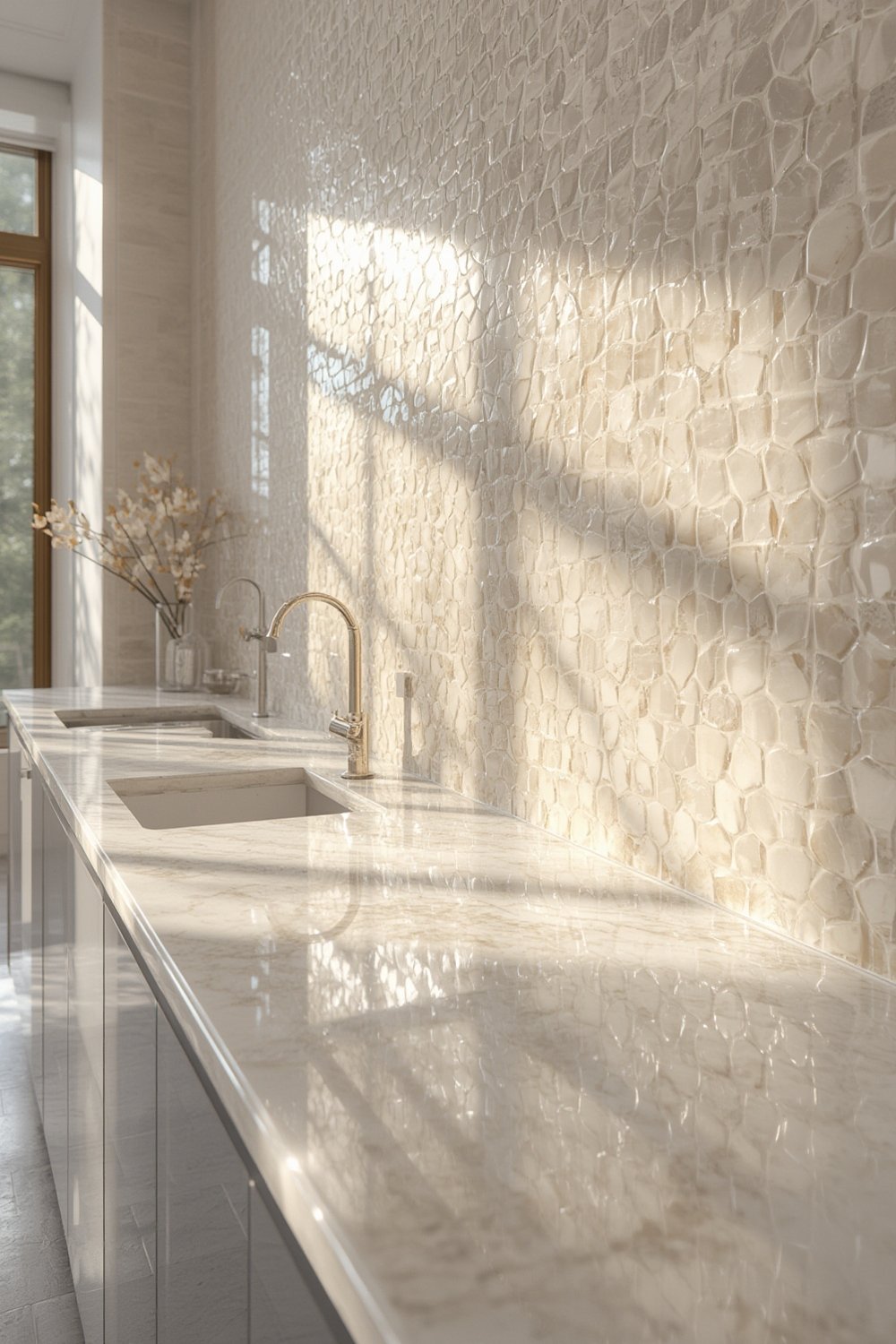
Why does zellige tile have this cult following among designers and homeowners? It’s the genuine, organic surface with a history stretching back to the 10th century. Modern examples work across aesthetics—from minimalist kitchens to maximalist bathrooms—and the saturated, hand-mixed glazes infuse depth that can’t be faked by mass production. If you crave authenticity, this is the tile that brings soul to modern builds. For those interested in integrating organic materials, check out biophilic design living rooms.
How Zellige Tile Is Made: The Complete Step-by-Step Artisan Process
True Moroccan zellige tile is still crafted using the following multi-stage, manual process. Understanding each step is essential before purchasing, since these influence the final appearance, installation needs, and price point.
- Clay Sourcing and Preparation
Zellige tile begins with clay from the Fez or Meknes regions of Morocco, prized for its mineral content and plasticity. The clay is soaked in water, kneaded, and filtered by hand to remove impurities. - Hand Molding and Drying
Artisans press the clay into wooden or metal molds, often about 4 x 4 inches in size and roughly 1/2 inch thick. Each tile air-dries slowly for up to three days—rushing this step risks cracking. - First Firing (Biscuit Firing)
Dried tiles go into wood-fired kilns, often for up to 12 hours at temperatures approaching 900°C. This hardens the tile for glazing. - Hand Glazing
Glazes (made from minerals and pigments) are mixed by hand and individually applied with a brush or by dipping. Expect subtle—sometimes striking—variation in glaze coverage and tone, even in a single batch. - Second Firing (Finishing)
The glazed tiles are fired again—often over 10 hours—to fuse glaze to the clay body and create the signature glossy but deeply textured zellige finish. - Trimming and Sorting
After cooling, each tile is cut or chipped by hand to ensure organic, irregular edges. Tiles with excess defects are sorted out, but authentic zellige allows for a wide tolerance in surface pits, crazing, and luster.
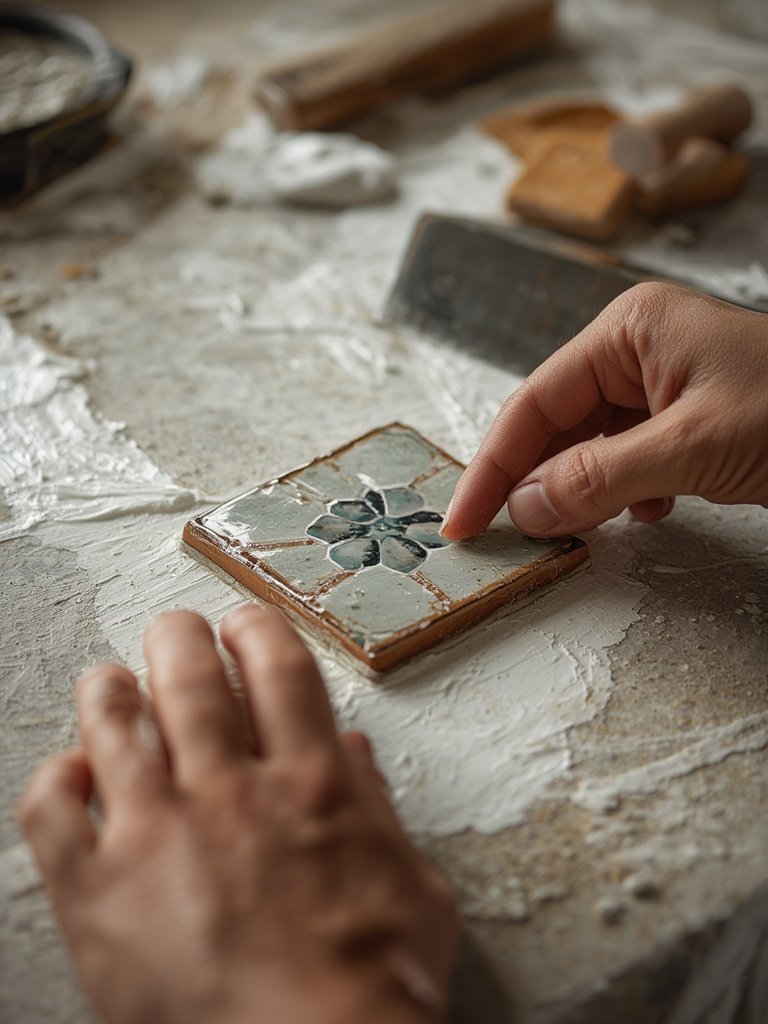
If you’re after something truly unique, most reputable suppliers offer customization—shapes (square, rectangle, fish scale, hexagonal), bespoke colors, and even special glazes. Expect lead times of 8 to 16 weeks for full customization, especially on larger orders. For more tips on personalizing your space, explore sunroom conversions and quiet minimalism home designs.
Summary checklist: If your supplier can’t answer detailed questions about clay source or hand-firing, you’re likely dealing with a machine-made imitation.
Advanced Analysis: Pitfalls, Real-World Issues, and How Zellige Compares
While the surface beauty of zellige tile is undeniable, it is not a mass-market solution—especially for DIYers. Here’s a realistic breakdown of factors to consider, using fresh industry data and lessons from high-end builds.
Cost Comparison
Zellige tile’s artisanal process creates higher costs. The broader U.S. ceramic tile average in 2024 is roughly $1.79 per square foot according to the TCNA Market Report, while authentic Moroccan zellige often retails for $15–$30 per square foot. Custom shapes, bespoke colors, and small import batches can drive prices even higher.
| Tile Type | Typical Cost (USD/sq ft) | Origin | Customization |
|---|---|---|---|
| Zellige Tile (Handmade) | $15 – $30 | Morocco | High (size, color, shape) |
| Standard Glazed Ceramic | $1.50 – $6 | US/Europe/Asia | Low–Moderate |
| Domestic Artisan Clay Tile | $8 – $18 | US | Moderate–High |
| Porcelain (Mass Produced) | $2 – $10 | Global | Low |
For buyers on a budget, consider mixing zellige as a feature wall or backsplash with more affordable tiles elsewhere. Explore our casement window energy efficiency tips for more ways to maximize your renovation ROI.
Durability and Maintenance Issues
Zellige’s glazed surface provides good stain resistance (thanks to a thin glass layer), but surface pinholes and edges can trap grime if not sealed and cleaned carefully. While they’re water-resistant, zellige tiles are less dense than porcelain—so heavy impacts or installation errors may cause chipping. Wet area use is possible, but cleaning grout lines is essential for longevity.
No direct complaint data is available from buyers, but common pain points reported by tile installers and designers include:
- Expecting perfect alignment when the appeal is in the irregular, organic lay pattern
- Struggling with uneven grout joints due to variable tile thickness and width
- Using bright white grout, which highlights every irregular edge—soft neutral grouts are safest
- Assuming machine-made tile installation methods apply—zellige often needs white thin-set and careful hand placement
- Impatience with long lead times or breakage in shipment (up to 15% overage is typical to account for sorting)
For high-traffic or wet areas like showers and entryways, zellige tile holds up well if properly installed and maintained, but it’s less forgiving to impacts than porcelain. Be realistic about your household’s wear-and-tear expectations and cleaning habits.
For further reading on tile industry trends and durability data, see Ceramic World Web and Custom Market Insights.
Common Pitfalls (and Solutions)
- Ignoring professional installation: A surprising number of tile contractors have never laid zellige before. Always ask for references and review their past zellige projects if possible.
- Assuming zero maintenance: Zellige tile is low maintenance but not no-maintenance. Clean with gentle pH-neutral soap, avoid harsh abrasives, and reseal grout every few years for best results.
- Not ordering extra material: With handmade tiles, order 15% overage to account for breakage, sorting, and future touchups.
- Not protecting edges during construction: Store unpacked tiles above ground and protect exposed edges from heavy tools or foot traffic during the renovation phase.
For design inspiration that harnesses zellige’s handcrafted energy, review trends like color drenching and biophilic living walls.
Conclusion: Is Zellige Tile Right for Your Project?
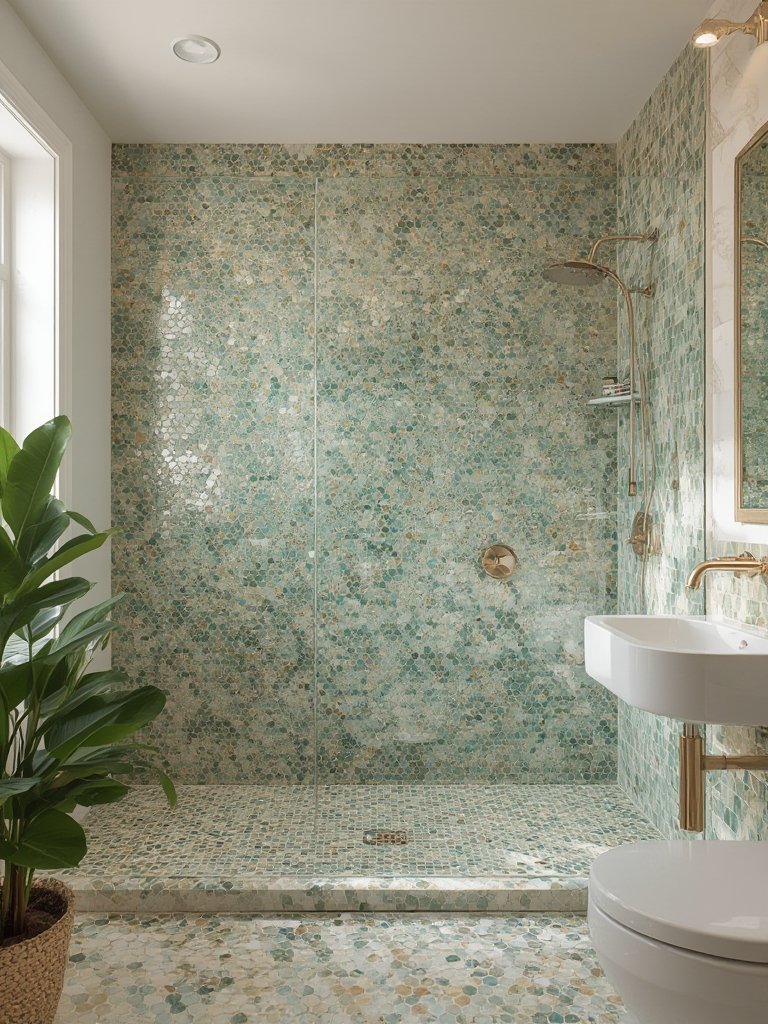
Zellige tile marries ancient Moroccan artistry with sharp modern design impact. It’s the ultimate statement for anyone seeking one-of-a-kind surfaces—full of movement, color variation, and tactile appeal. But it comes at a premium, both financially and in the careful prep required for successful, lasting installation. If you love authenticity and are prepared for the quirks, zellige can transform your kitchen, bath, or accent wall into a space with real soul.
Ready to source authentic zellige tile or need expert guidance for your project? Dive into our other guides for help with sauna installation and energy-saving home upgrades. Get a personalized quote for your dream tiles today!
Frequently Asked Questions
Is zellige tile waterproof?
Zellige tile is water-resistant thanks to its glass glaze, making it suitable for backsplashes, kitchens, and shower walls. However, it is not rated for continual submersion, and sealing grout is crucial to prevent water infiltration.
Can zellige tile be used on floors?
Authentic zellige tile is usually rated for walls, not floors, due to irregular thickness and reduced slip resistance. Some thicker, factory-made versions exist for floors, but always check manufacturer specifications before installing in foot traffic zones.
How do I clean and care for zellige tile?
Use a soft sponge or cloth with pH-neutral soap and water. Avoid harsh abrasives or acids, which can dull the glaze. Reseal grout every few years, and quickly clean up spills for best longevity and shine.
How much should I budget for zellige tile installation?
Expect $15–$30 per square foot for premium authentic zellige tile, plus 15% for wastage. Professional installation often costs $15–$25 per square foot due to extra labor sorting and hand setting the irregular tiles.
What customization options are available for zellige tile?
Buyers can request bespoke shapes, precise sizes, custom glaze finishes, or specific colors. Customization typically increases cost and may extend lead times to 8–16 weeks for production and import.