

Contrast trim painting is transforming the look of modern interiors by using bold, unexpected color on moldings, baseboards, and casings instead of traditional white. This crisp, eye-catching strategy is catching on in design magazines and social feeds for a reason—it’s one of the fastest ways to add character and elevate your home’s style.
Key Takeaways
- Contrast trim painting adds instant personality and dramatic definition to any room, moving beyond all-white interiors.
- Careful planning, surface prep, and the right paint finish are critical for professional, durable results.
- Potential difficulties include color selection, resale value, and increased prep and touch-up needs—not all guides discuss these factors.
- The Core Concept: What Is Contrast Trim Painting?
- Step-by-Step Guide: Perfecting Contrast Trim Painting
- Advanced Analysis & Common Pitfalls
- Conclusion
- FAQ
The Core Concept: What Is Contrast Trim Painting?
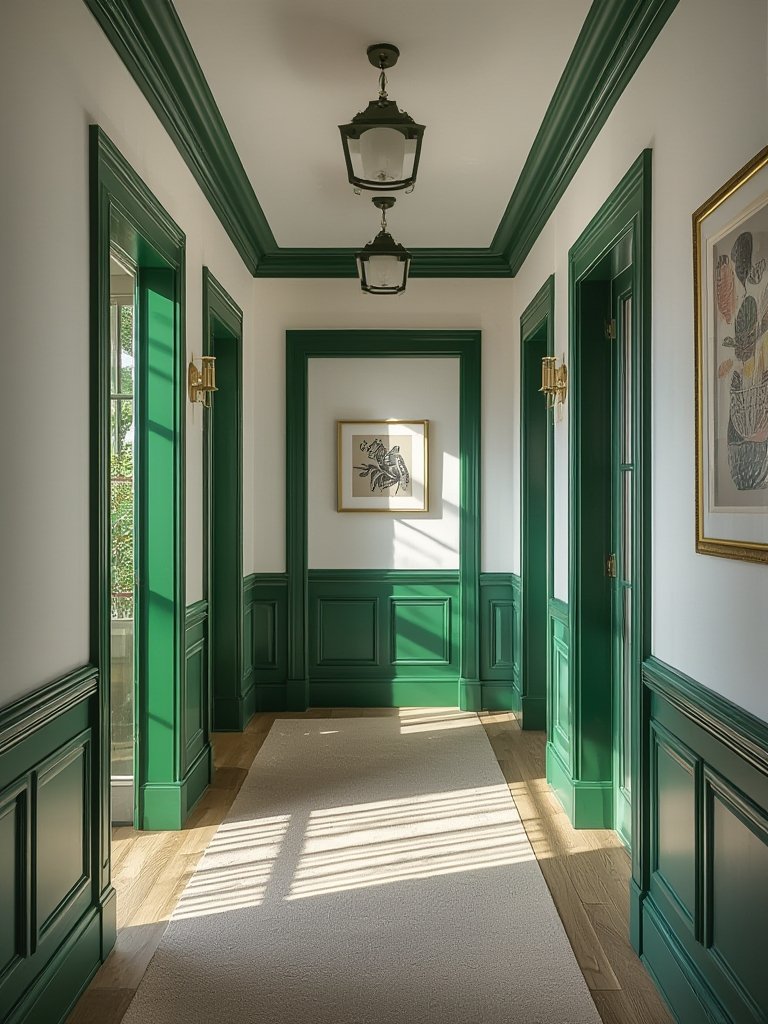
Contrast trim painting is the technique of highlighting window and door frames, crown molding, baseboards, or wainscoting with a paint color that stands boldly apart from the wall paint. Instead of blending in, the trim acts as a visual anchor—often in deep, saturated tones like black, charcoal, navy, or forest green—which can make the architecture stand out and define a room’s style.
This trend is gaining rapid ground in designer homes and magazine projects. It works with a wide palette, from soft pink walls against dark gray trim, to off-white walls with black molding. The impact is modern and dynamic, making a space feel curated and custom. While exact numbers on adoption are not tracked, it’s clear this approach is featured across major design publications and is expected to keep growing through 2024 and beyond.[source] [source]
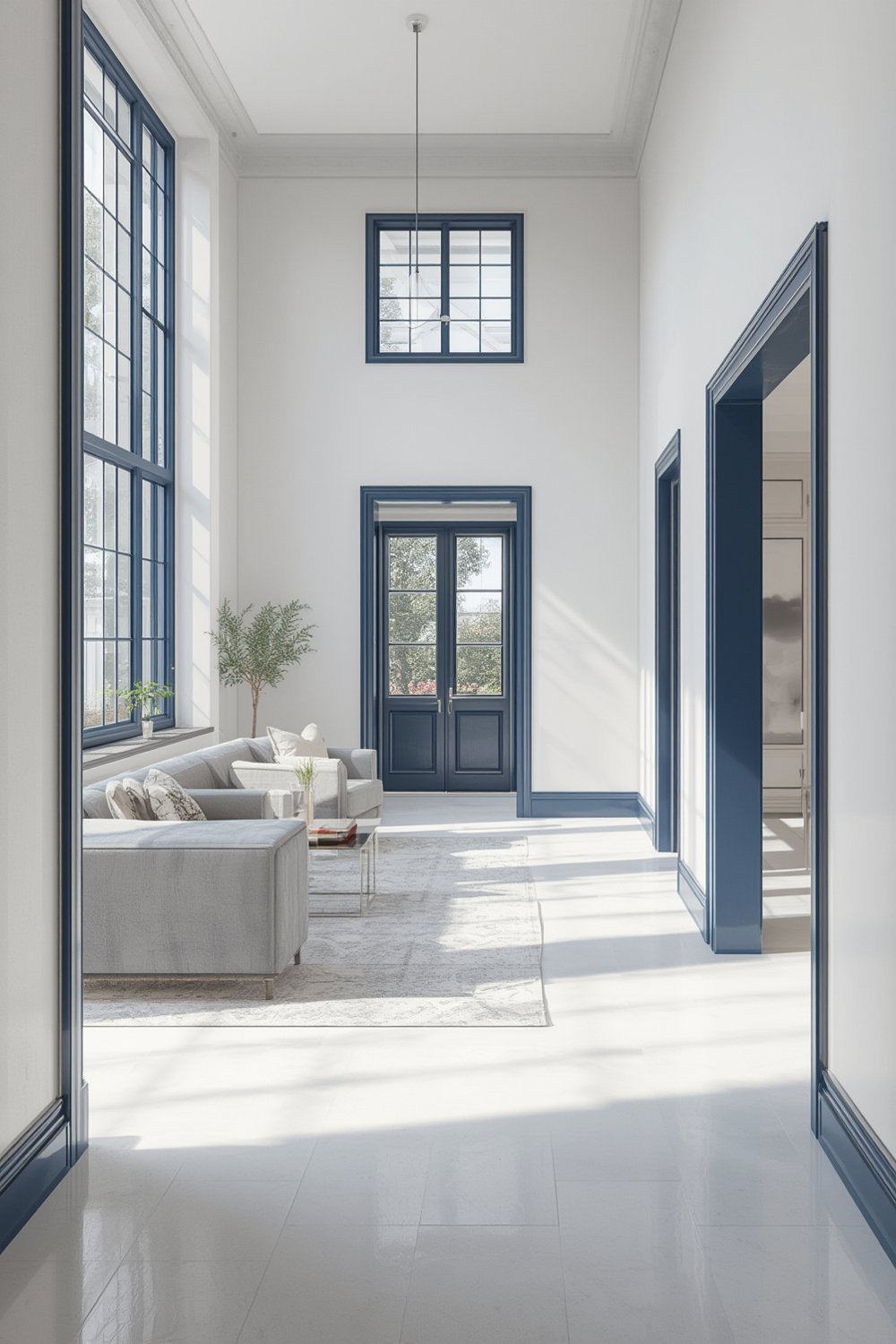
This method stands in contrast to color drenching, where walls, trim, and sometimes ceilings are painted the same shade for an immersive effect. With contrast trim painting, the goal is to set apart your architectural details and sharpen a room’s lines. It works in both new builds and historic homes, rejuvenating bland or outdated trim without a full remodel. For example, pairing deep navy molding with pale walls can reference Quiet Minimalism while feeling fresh and current.
Looking for other ways to define spaces? Check out resources on creating calm spaces with quiet minimalism or explore biophilic design for natural wellness.
Step-by-Step Guide: Perfecting Contrast Trim Painting
To get showstopping results with contrast trim painting, follow these actionable steps:
- Choose Your Color Scheme Carefully: Decide which trim to highlight and how bold you want to go. For safest results, select deep neutrals like black, rich green, or navy against lighter walls. For a playful touch, use complementary or unexpected hues.
- Select the Right Paint Finish: Trim needs durable, wipeable finish. Opt for semi-gloss or satin on trim; avoid matte, which highlights smudges.
- Prep Existing Trim: Scrape, sand, and clean every surface thoroughly. Remove flaking paint; fill holes and caulk gaps for a smooth, crisp edge.
- Prime for Success: Exposed wood or glossy old paint will often require a stain-blocking or bonding primer to prevent bleed-through and improve adhesion.
- Apply Paint in Strategic Order: Start with walls first, allow to fully cure, then carefully tape walls and paint trim. Multiple light coats prevent drips and give the sharpest result.
- Remove Tape Before Paint Dries: This reduces risk of peeling away fresh paint and produces clean lines.
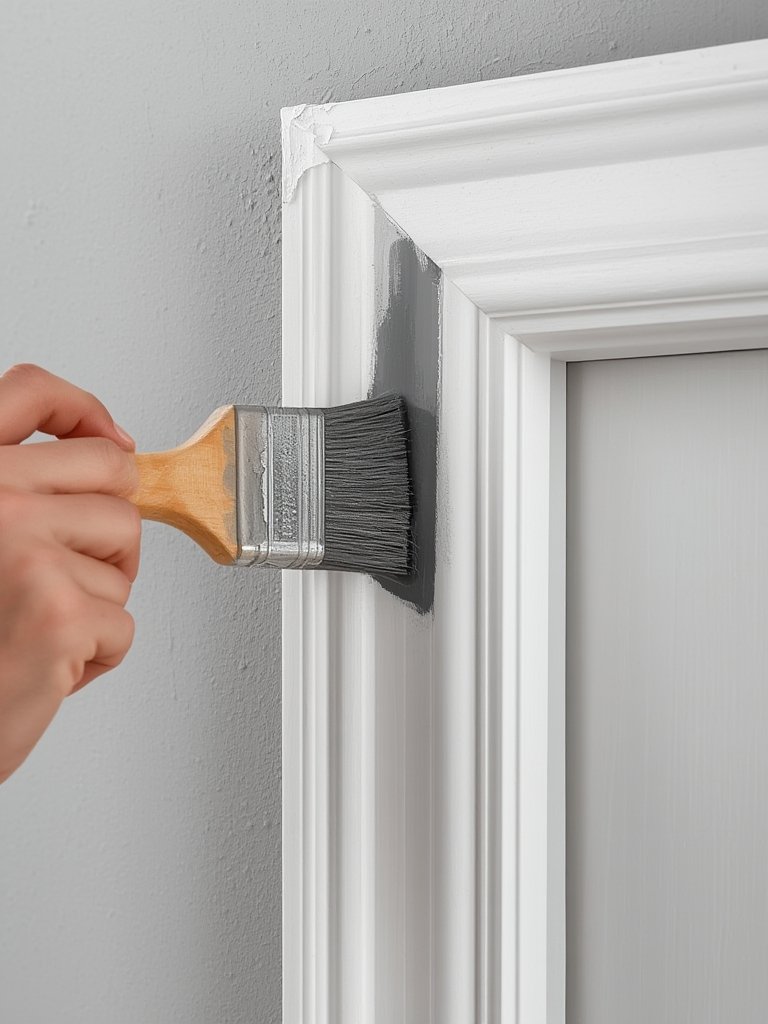
For whole-home projects or open concept spaces, plan your cuts and color blocking carefully, and consider the viewlines from room to room. Want to create extra drama in multipurpose spaces? See our guide to dual-purpose home office design for ideas on blending zones with bold trim.
If you prefer to hand off this work, reputable painters can handle intricate trims or recommend color combinations that have seen the highest demand in 2024.[source]
And once you’ve updated your trim, think about related upgrades: new sunroom conversions and energy-efficient windows both can maximize your interior refresh.
Advanced Analysis & Common Pitfalls
Contrast trim painting isn’t always as straightforward as a glossy magazine might suggest. While most design blogs skip over drawbacks, a realistic view will help you avoid the most common mistakes:
- Color Selection Regret: Unlike white, bold trims can quickly look dated if trends shift. Certain hues (like cherry red or lime green) may limit future buyers’ interest.
- Additional Labor and Cost: Painting trim a different color than walls adds masking, brushwork, and possible primer steps, making it more time-consuming than a simple same-tone refresh. Professional painters sometimes charge 15-30% more for detailed color-blocking projects (industry average, not confirmed for 2024).
- Maintenance and Touch-up Complexity: Nicks and chips are prominent on dark trims, especially with kids or pets. Matching touch-up paint precisely can be trickier than with white.
- Potential Clashing with Existing Decor: If not planned, contrast trim can fight with existing flooring, cabinetry, or doors, making the space feel busy or disjointed.
- Home Staging Risks: In seller’s markets, bold trim can set a home apart in a good or bad way. There’s limited evidence it directly raises home value, but it can boost visual appeal for the right buyer personas.[source]
| Aspect | Contrast Trim Painting | Standard Single-Color Trim |
|---|---|---|
| Labor Time | Higher due to extra prep/masking | Faster, fewer masking steps |
| Cost | 15-30% more (est.) | Base rate |
| Durability of Look | Trend-dependent, may need updating next decade | Timeless, with less risk |
| Impact on Home Value | Uncertain, can impress or narrow buyer pool | Broadest appeal |
| Ease of Touch-Up | Requires perfect color match | White is easier to touch up |
Looking for trends that focus on a single color rather than contrast? Explore color drenching for an immersive alternative.
Conclusion
Contrast trim painting delivers dramatic architectural definition, design personalization, and a current look that refreshes any interior. The concept is simple—trims are painted in a bold, distinct texture or color to visually anchor and enhance a room. Proper prep and color selection are vital, but the results can be transformative.
Thinking of using contrast trim painting in your own home? Review all prep steps, test your combinations, and be mindful of maintenance, especially if resale is ahead. Want more design inspiration? Explore trends like reclaimed wood accent walls or see how outdoor living rooms maximize appeal for modern lifestyles.
Ready to get started? Gather your materials and bring your rooms to life with the bold, crisp lines of contrast trim painting today.
FAQ
Does contrast trim painting work in every room?
It works beautifully in living areas, bedrooms, and entryways. Be cautious in very small spaces or rooms with many competing finishes, as it can make them feel busier.
What paint finish is best for contrast trim?
Semi-gloss or satin are ideal. They offer durability, easy cleaning, and a subtle sheen that highlights architectural details.
How can I avoid bleed-through where trim meets the wall?
Always seal tape with the base wall color before applying your trim paint. Remove tape while the final coat is still slightly tacky for a crisp edge.
Will bold trim colors hurt my home’s resale value?
It depends on your market. Neutral wall colors with contrast trim can boost appeal for buyers seeking style, but very daring choices may narrow your audience.
Is there a quicker way for touch-ups if my contrast trim gets chipped?
Keep a labeled sample pot of your trim paint on hand for minor touch-ups. Use a small artist brush for blemishes, blending edges carefully.