

warm minimalism is redefining what it means to have a calming, uncluttered home—without the coldness or sterility typical of traditional minimalist spaces. If you’ve ever admired clean lines but found all-white rooms lifeless or hard-edged, warm minimalism may be the answer. This practical approach combines simplicity with comfort using natural textures, soft lighting, and thoughtfully chosen elements for a space that actually feels like home.
Key Takeaways
- Warm minimalism blends clean, decluttered spaces with natural materials, warm colors, and tactile comfort to avoid the sterility of traditional minimalist design.
- It’s achievable in any home through strategic choices of color, textures, and lighting—even for renters or those on a budget.
- Unlike cold minimalism, this style focuses on emotional well-being, using atmosphere and sensory grounding for spaces that truly restore.
- What Is Warm Minimalism and Why Is It Different?
- How to Create Warm Minimalism: Step-by-Step Guide
- Advanced Analysis & Common Pitfalls
- Conclusion & Next Steps
- Frequently Asked Questions
What Is Warm Minimalism and Why Is It Different?
Warm minimalism is a design philosophy focused on calm, well-organized spaces that feel emotionally inviting and grounded. Unlike cold minimalism—which can seem empty or impersonal—warm minimalism uses earthy tones, rich textures, and natural elements to add comfort and presence. Key features include soft neutrals, layered lighting, tactile fabrics, and a gentle use of organic materials like wood and stone.
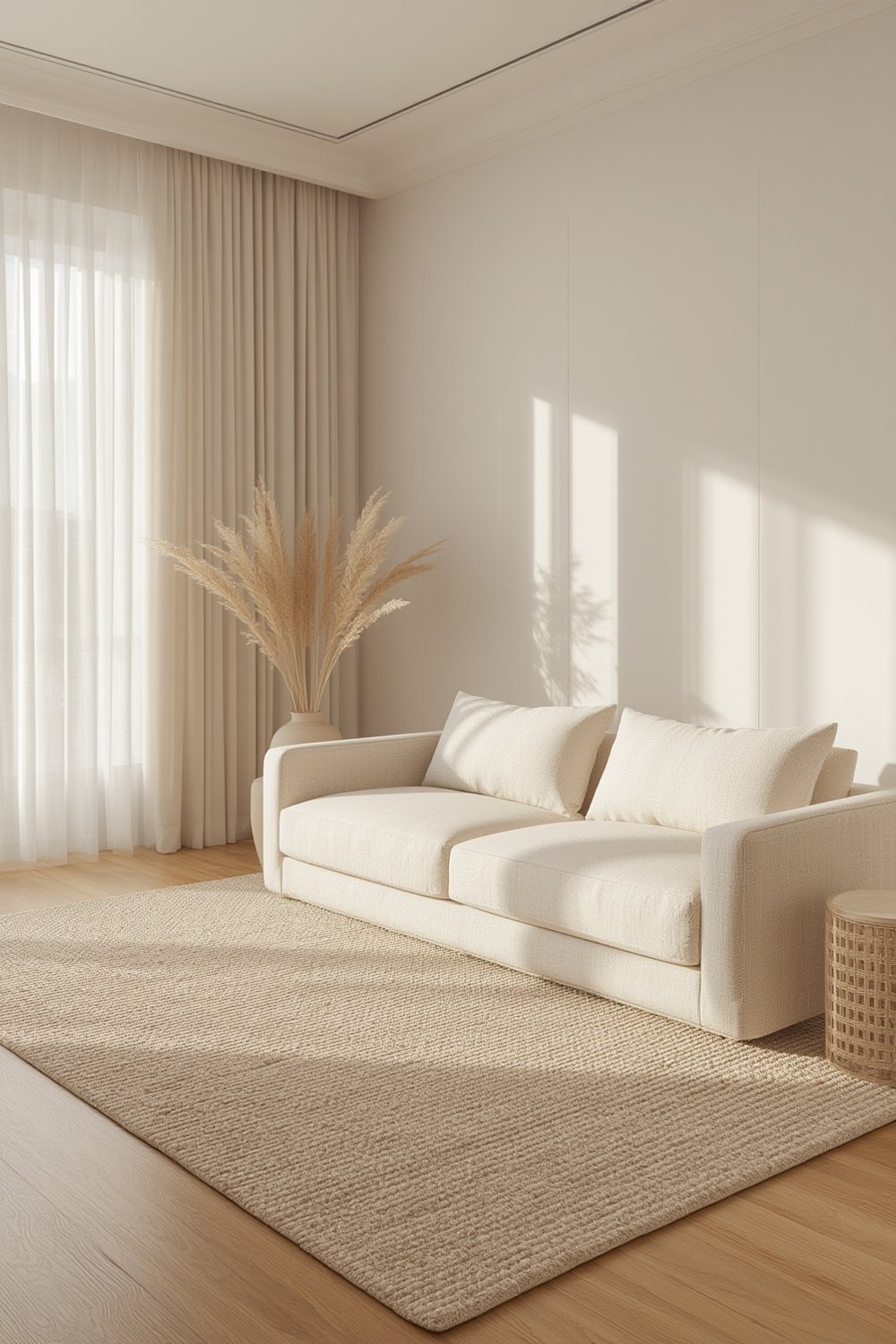
Psychological research shows that decluttered settings can reduce stress and anxiety by minimizing cognitive overload and visual distractions (source). Warm minimalism responds to the criticism that minimalist designs are “cold” by emphasizing not just emptiness, but sensory therapy—a space that feels quiet, organized, and yet still warm (source).
Materials matter: wood, stone, and tactile fabrics boost mood and wellness by tapping into our natural desire for comfort. Unlike maximalist trends, warm minimalism is not about abundance, but about creating a sense of peace and clarity using presence, light, and “emotional pacing.”
Want to explore how nature-inspired design further boosts wellbeing? Biophilic design techniques easily blend into warm minimalism for even more restorative spaces.
How to Create Warm Minimalism: Step-by-Step Guide
Ready to transform your space with warm minimalism? Here’s a realistic, step-by-step action plan that works in rentals, studios, and suburban homes alike.
- Declutter intentionally. Start by removing obvious clutter and everything you don’t use weekly. Embrace “less but better,” but don’t eliminate meaningful items or cozy essentials. Organize what remains with hidden storage units, baskets, and multipurpose furniture. See our kitchen storage guide for tactical tips—many strategies adapt to living rooms and bedrooms too.
- Choose a warm, subtle color palette. Opt for gentle neutrals that echo natural elements. Soft beiges, muted greens, warm grays, and earthy blues create a calming, non-sterile base. These hues “absorb winter light with calm” and “illuminate under spring daylight with quiet radiance” (source). Not sure where to start? Use a single-color approach on walls, ceilings, and trim for immersive “color drenching”—see our color drenching guide for inspiration.
- Layer organic textures—not just smooth surfaces. Tactile comfort is essential in warm minimalism. Mix wood furniture or reclaimed wood accents (reclaimed wood wall ideas) with soft textiles like boucle, linen, cotton, or wool. Add a boucle accent chair or a washable textured rug for instant warmth.
- Edit, don’t strip, your decor. Instead of stark minimalism, curate meaningful decor—think a favorite vase, one or two cozy throws, or a sculptural lamp. For something unique, upgrade with an arched mirror for subtle architectural interest—perfect for renters and homeowners alike.
- Light with care. Swap bright overhead lights for low, layered options. Use table lamps, sconces, or hidden LEDs to “wash” walls with warm gradients. Sculptural fixtures act as art while diffusing light. More on this in our lighting integration guide.
- Integrate nature. Even a small plant or desktop fountain introduces biophilic design principles, lowering stress and increasing calm (source).
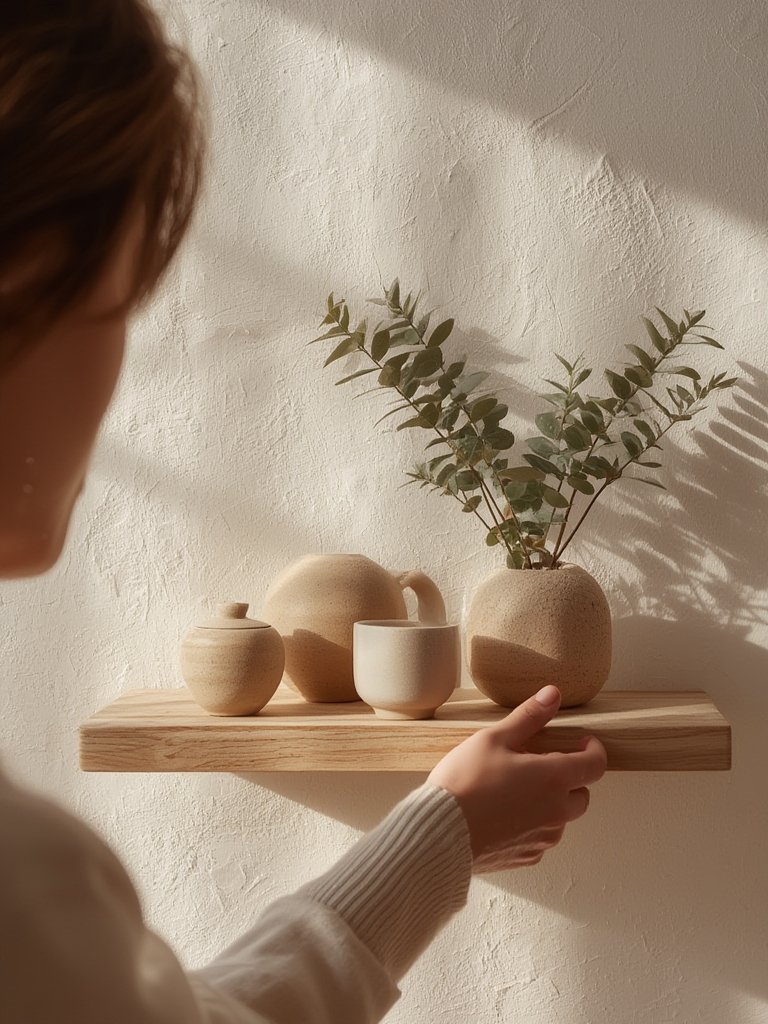
- Adapt for real life. Use pet-friendly or washable textiles for a lived-in, approachable vibe (washable area rugs are a great example). Modular furniture like a modular sectional sofa allows for change and flexibility as your needs evolve.
- Scale to your budget. You don’t need a renovation—try slipcovers, vintage finds, or even free-standing furniture options (renter-friendly ideas here). Sample natural stones or wood finishes with small side tables or shelving. Prioritize what you touch and see most often for maximum impact.
Advanced Analysis & Common Pitfalls
While warm minimalism is more forgiving than cold minimalism, there are some realistic downsides and missteps you’ll want to avoid:
- Mistaking “warm” for “busy.” Too many earthy colors or textures can create visual clutter. Limit accent hues and stick to a controlled palette.
- Overusing artificial materials. Plastic decor or shiny laminates undermine the serenity of natural finishes. Choose genuine or high-quality faux alternatives.
- Neglecting lighting. Poor lighting or relying only on overhead fixtures leads to harshness, defeating the purpose of the style.
- Budget overextension. It’s easy to overspend on designer brands. Many effects (texture, softness) can be achieved with affordable updates—don’t feel you must go “all in” at once.
- Rental restrictions. Painting or hardwired lighting may be off-limits; use removable, portable, or plug-in alternatives instead. Freestanding furniture and decor upgrades go a long way.
- Ignoring seasonal shifts. Some warm minimalism schemes may feel too dark in summer or too light in winter. Use layered lighting, throws, or pillows to quickly adapt the mood as daylight changes.
| Warm Minimalism | Cold Minimalism |
|---|---|
| Soft warm neutrals, earthy tones | Stark whites, cool greys |
| Natural wood, linen, boucle, stone | Glossy surfaces, metal, glass |
| Layered, diffused lighting | Bright overhead fixtures |
| Emotional warmth, visual softness | Visual emptiness, perceived sterility |
| Focus on presence and atmosphere | Focus on elimination and empty space |
It’s also important to note that while research supports the stress-reducing effects of decluttered spaces and natural elements (source), we still lack robust, quantified data comparing user satisfaction or cost breakdowns of warm versus traditional minimalist design. Most evidence is qualitative or based on designer observation (source).
Conclusion & Next Steps
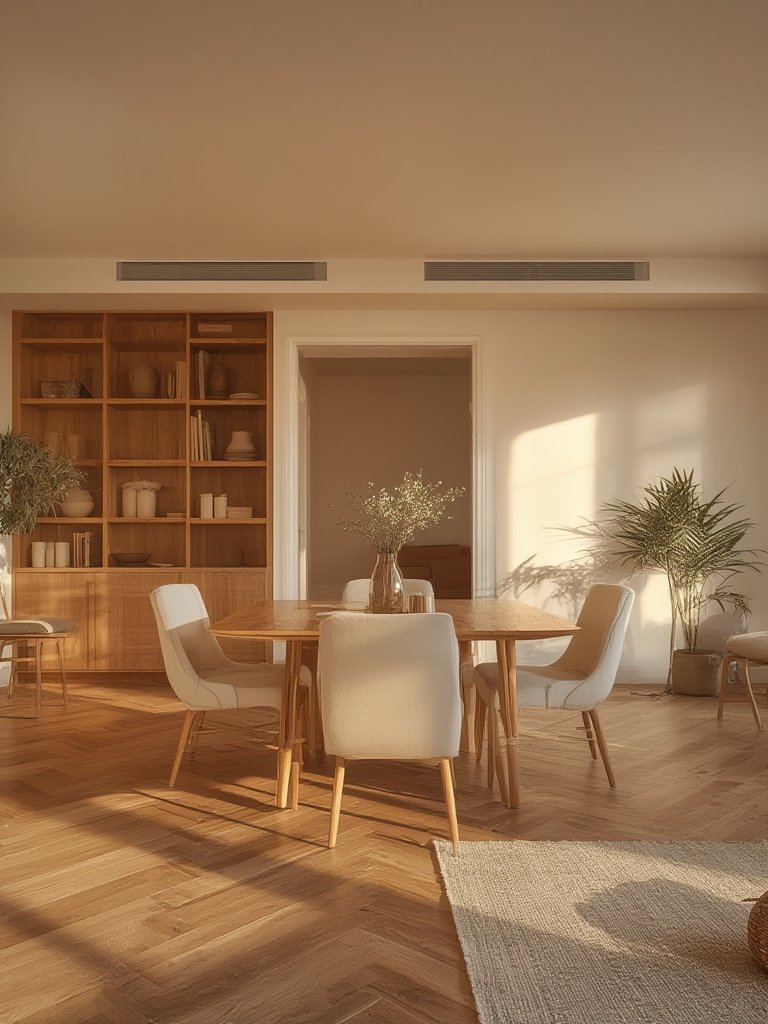
Warm minimalism is more than a trend—it’s a human-centered approach that softens the edges of minimalist living. By using layered textures, natural materials, and gentle lighting, you create spaces that are as emotionally restorative as they are organized. Start by decluttering, then focus on warmth through colors and tactile comfort. Unlike cold minimalism, warm minimalism delivers a sense of calm and belonging for the way we actually live and feel.
Begin transforming your home with warm minimalism today. Whether it’s a soft rug, a cozy lamp, or an inviting color palette, even a few simple changes make a big difference. Want more ideas? Explore related guides like Quiet Minimalism for advanced strategies, or see curved furniture ideas to infuse extra warmth and flow.
Frequently Asked Questions
What’s the main difference between warm minimalism and cold minimalism?
Warm minimalism blends clean lines with natural textures, warm colors, and layered lighting for spaces that feel cozy and emotionally restorative. Cold minimalism usually focuses on stark whites, sharp edges, and emptiness, which can feel sterile or impersonal.
Is warm minimalism expensive to achieve?
Not necessarily. You can achieve a warm minimalist look with small changes like using slipcovers, adding textured throws, or choosing affordable natural-fiber rugs. Focus on changing elements you touch and see most for maximum effect on a budget.
Can I use warm minimalism if I’m renting?
Absolutely. Use removable or free-standing options: fabric panels, lightweight shelving, plug-in lamps, and portable decor (like a boucle chair or arched mirror). You don’t need to paint or renovate to get the effect.
What’s the best palette for warm minimalism?
Soft earth tones, gentle greys, muted greens, and creamy whites. These colors absorb daylight softly and work year-round. Limit accent colors for a united, calming effect, and use layered textiles for added interest.
Where can I learn more about integrating biophilic or wellness design with warm minimalism?
Check out our biophilic design guide and this resource on the psychology of design for deeper insights.