

Zero turn mower ownership is rising fast among homeowners who want faster, cleaner lawns without the hassle of traditional riding mowers. If your yard has curves, trees, or tricky landscaping, these machines promise effortless control, but making the wrong choice can lead to frustration, long-term costs, or even safety risks. Here’s what matters most if you want to buy, maintain, and actually enjoy a zero turn mower at home.
Key Takeaways
- Zero turn mowers deliver unmatched maneuverability and speed for medium to large lawns, outpacing traditional riding mowers.
- Commercial and residential models differ greatly in engine power, deck size, and durability, so choose wisely for your property size and budget.
- New electric models reduce noise and maintenance, but long-term costs, safety, and total ownership numbers are often overlooked by buyers.
- What is a Zero Turn Mower and Why Choose One?
- How to Choose, Use, and Maintain a Zero Turn Mower (Step-by-Step Guide)
- Advanced Analysis & Common Pitfalls (Beware Before You Buy)
- Conclusion
- FAQ
What is a Zero Turn Mower and Why Choose One?
A zero turn mower is a type of riding lawn mower with a zero-degree turning radius, making it highly maneuverable around landscaping features, trees, flower beds, and tight corners. Unlike traditional lawn tractors, the zero turn design allows each rear wheel to independently change speed or direction, letting the mower spin in place for fast, efficient mowing patterns.
This technology is especially popular in the U.S., where, as of 2024, the residential zero turn mower market accounts for a booming 38% of total sales and is growing even faster than commercial models due to increasing DIY lawn care. Homeowners choose these mowers for:
- Quicker mowing times—even on properties with obstacles.
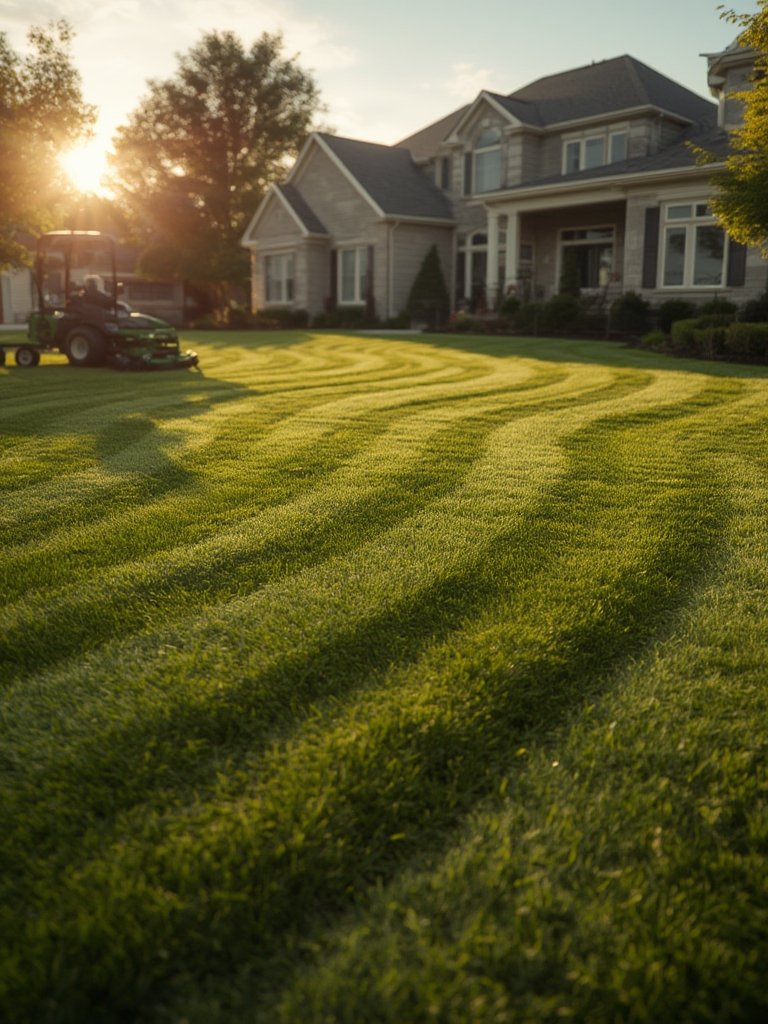
- Cleaner, more professional-looking cuts.
- Reduced operator fatigue and easier handling versus tractors.
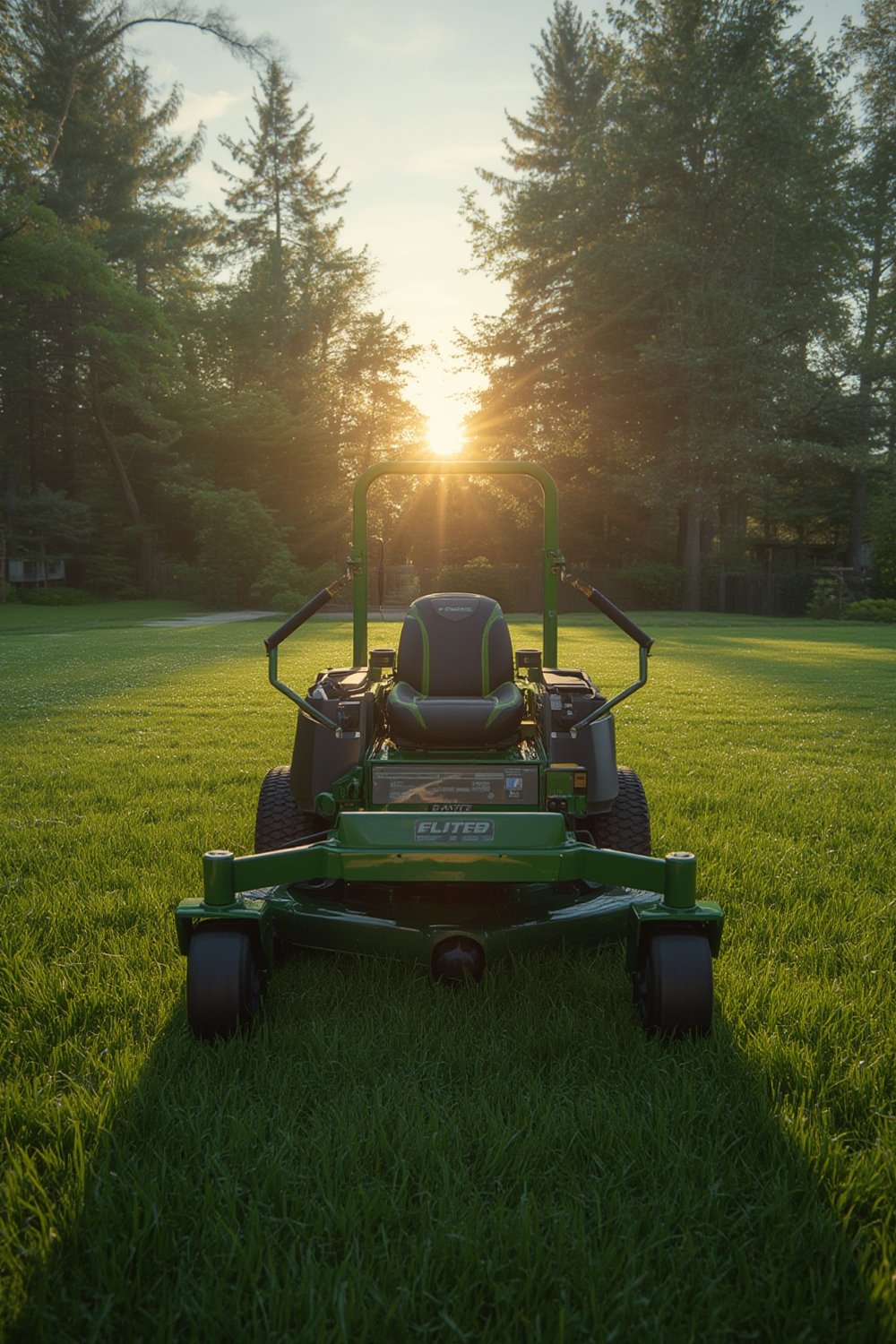
Thanks to emerging electric models, there are now quiet, low-maintenance options that can be stored in your smart garage or backyard shed without worrying about leaking fuel or fumes.
How to Choose, Use, and Maintain a Zero Turn Mower (Step-by-Step Guide)
Follow this concise action plan to select and manage a zero turn mower that fits your home and avoids buyer’s remorse:
- Measure your lawn and obstacles. Use a measuring wheel or mapping app to estimate total mowing area. For properties under 1 acre, deck sizes of 42-50 inches suffice; above 1.5 acres, consider 54 inches or more.
- Define your budget and operating costs. New residential zero turn mowers typically start around $2,800-$5,000 from major brands, but extras like mulching kits, baggers, or maintenance kits can add $200-$1,200. Electric models carry lower long-term maintenance and fuel costs, but often higher up-front prices.
- Compare engine power, deck size, and comfort features. Residential models usually run below 25 HP; look for ergonomic seats, smooth controls, and easy maintenance access. Decks under 50 inches are best for tight layouts, while larger decks cut big areas faster.
- Check your storage and safety setup. Make sure the mower will fit through gates and has reliable brakes. Store it in a secure area, such as a secured garage or weatherproof shed.
- Practice basic operation before tackling slopes or tight turns. Start by mowing in open areas at low speed. Zero turn controls take some adjustment—especially if you’ve only used tractors.
- Follow a simple maintenance plan. For gas models, change oil every 50 hours. Sharpen blades 2-3 times a season. For electric, keep batteries charged and clean terminals. Always check tire pressure and inspect brakes before use.
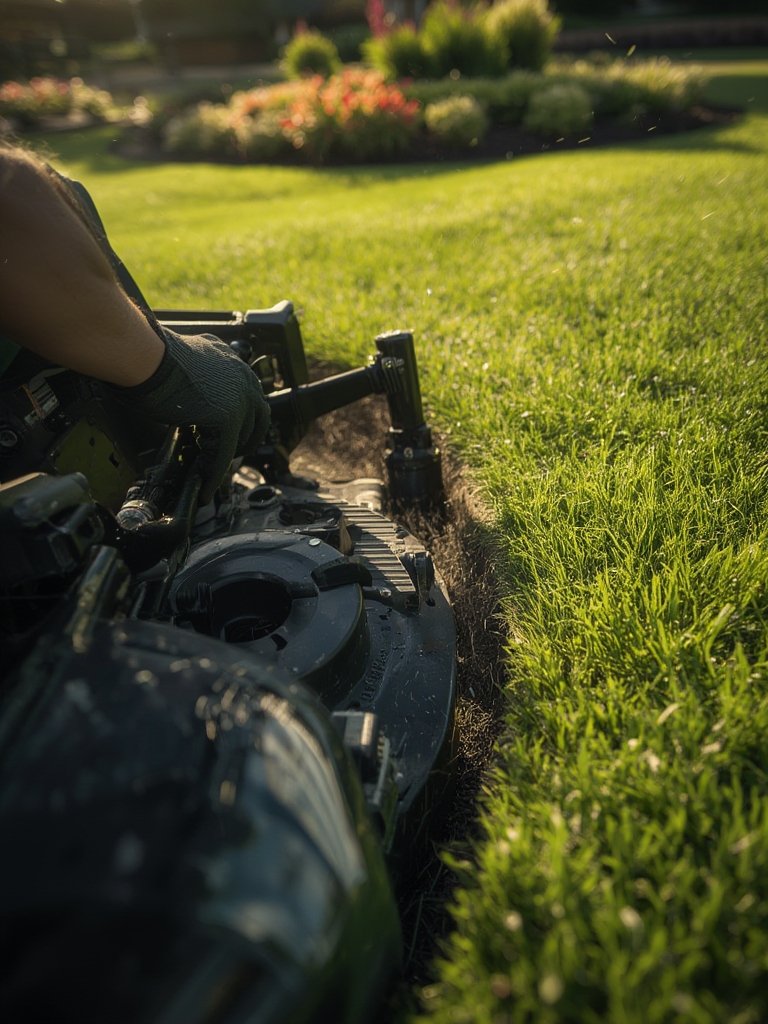
Don’t overlook protective gear. Always wear sturdy closed-toed shoes, hearing protection (even with electric mowers), and eye shields during use. If kids play nearby, restrict zones and teach mower safety first.
Advanced Analysis & Common Pitfalls (Beware Before You Buy)
Zero turn mowers truly excel in open, obstacle-filled lawns, but real owners face several hidden challenges. Here’s what market data and user experiences reveal:
- Learning curve: Mastering the dual lever steering can be tricky, especially for first-time users. Accidental spins or sudden stops are common in the first few hours of use.
- Long-term costs: While electric zero turn mowers promise low maintenance, batteries may require expensive replacement after 3-5 years. Gas models need regular oil changes and blade sharpening.
- Upfront and total costs: Residential zero turn mowers may look affordable, but add-ons (mulchers, baggers, lighting kits) quickly raise the final price. Few articles outline the real total ownership cost over a 5-year period.
- Safety risks: These mowers are not toys and can tip when operated on wet slopes. First-time users should avoid steep grades and always follow manual guidance.
- Noise and neighbor impact: Gas-powered mowers are as loud as chainsaws. Choose an electric model or mow only at reasonable hours to avoid complaints.
Let’s compare key specifications between commercial and homeowner zero turn mowers:
| Feature | Residential Zero Turn Mower | Commercial Zero Turn Mower |
|---|---|---|
| Engine Power | 15-25 HP (mainly under 25 HP) | 18-35 HP (often over 24 HP) |
| Deck Size | 42-50 inches | 54-72 inches |
| Turning Radius | Zero or near-zero | Zero or near-zero |
| Durability | Light to moderate duty frames | Heavy-duty, reinforced steel frames and components |
| Run Time | Residential needs (60-90 minutes, battery; 2-3 hours, gas) | Extended (full day commercial work) |
| Typical Price Range (2024) | $2,800–$5,000+ (plus add-ons) | $6,500–$13,000+ |
| Maintenance Needs | Basic: oil, blade, tire checks; battery if electric | Frequent: hydraulics, wheels, commercial use repairs |
Market reports confirm homeowner models are getting more capable, and financing options help, but they’re still a considerable investment—especially with accessories and seasonal care. If you’re considering adding an EV charger for your electric zero turn mower, see our latest tips on home charging station installation.
Most importantly, real zero turn mower satisfaction comes from choosing a model that matches your turf—not just the headline specs or sales talk.
Conclusion
Zero turn mowers can radically improve your mowing experience if you pick the right size, engine, and technology for your yard and budget. Electric models minimize maintenance and noise while gas versions bring power for bigger jobs. Always plan for hidden costs, practice safe use, and keep up with regular care. Invest in a zero turn mower that fits your home for years of easy, efficient lawn care—and never settle for the first flashy feature or sale price you see.
Ready for the next step? Compare models, get hands-on with dealer demos, and explore our other homeowner guides for upgrades that suit your lifestyle, from maximizing living space to optimizing garage security and eco-friendly yards.
FAQ
Are zero turn mowers difficult for beginners to operate?
Most users can learn zero turn controls in 1–2 mowing sessions, but expect a learning curve if you’ve only used tractor mowers before. Practice in open spaces first. Review your manual for each control.
How much maintenance does a residential zero turn mower need?
Electric models need basic cleaning, battery checks, and blade sharpening. Gas models require regular oil changes, air filter replacements, blade sharpening, and occasional belt and tire checks. Plan for seasonal maintenance costs.
What’s the life expectancy of a zero turn mower?
With regular maintenance, most residential zero turn mowers last 8–10 years or more. Lithium batteries in electric models may need replacement after 3–6 years, but motors often outlast gas equivalents.
Are zero turn mowers safe on hills or slopes?
Use caution—zero turn mowers can tip or lose traction on steep, wet, or uneven slopes. It’s safest to mow up and down gentle slopes (less than 15 degrees) and avoid sharp turns on hills.
Can I use a zero turn mower for non-lawn areas like native plant lawns?
Yes, but avoid mowing low or sensitive vegetation. Typically, you’ll want to mow only lawn grass and use string trimmers or specialty equipment for wildflower beds or native plant patches. For more, see our native plant lawn guide.