

Maximalist decor is rapidly transforming living spaces in 2024 and beyond, turning ordinary rooms into bold, personality-filled statements. If you’re tired of neutral trends or want your home to feel truly “you,” this in-depth guide breaks down what maximalism really means, why it’s so popular, and exactly how to pull it off—without creating chaos.
Key Takeaways
- Maximalist decor is in high demand, with a 50% increase in search volume and strong designer adoption in recent years.
- Blending color, pattern, and personality is easier with clear guidelines, practical planning, and strategic storage solutions.
- Pitfalls include visual overload, maintenance challenges, and difficulty achieving a cohesive feel, but these can be managed with the right approach.
- The Core Concept: What Is Maximalist Decor and Why Is It Trending?
- Step-by-Step Guide: How to Craft Maximalist Decor That Works
- Advanced Analysis & Common Pitfalls (and How to Avoid Them)
- Conclusion
- FAQ: Maximalist Decor
The Core Concept: What Is Maximalist Decor and Why Is It Trending?
Maximalist decor is an interior design style defined by bold color, vibrant patterns, layered textures, and a fearless mix of furnishings and accessories. Unlike minimalism, which emphasizes restraint and simplicity, maximalism encourages self-expression, playfulness, and curated abundance. If you crave rooms with character, storytelling, and charm, maximalist decor delivers all that and more.
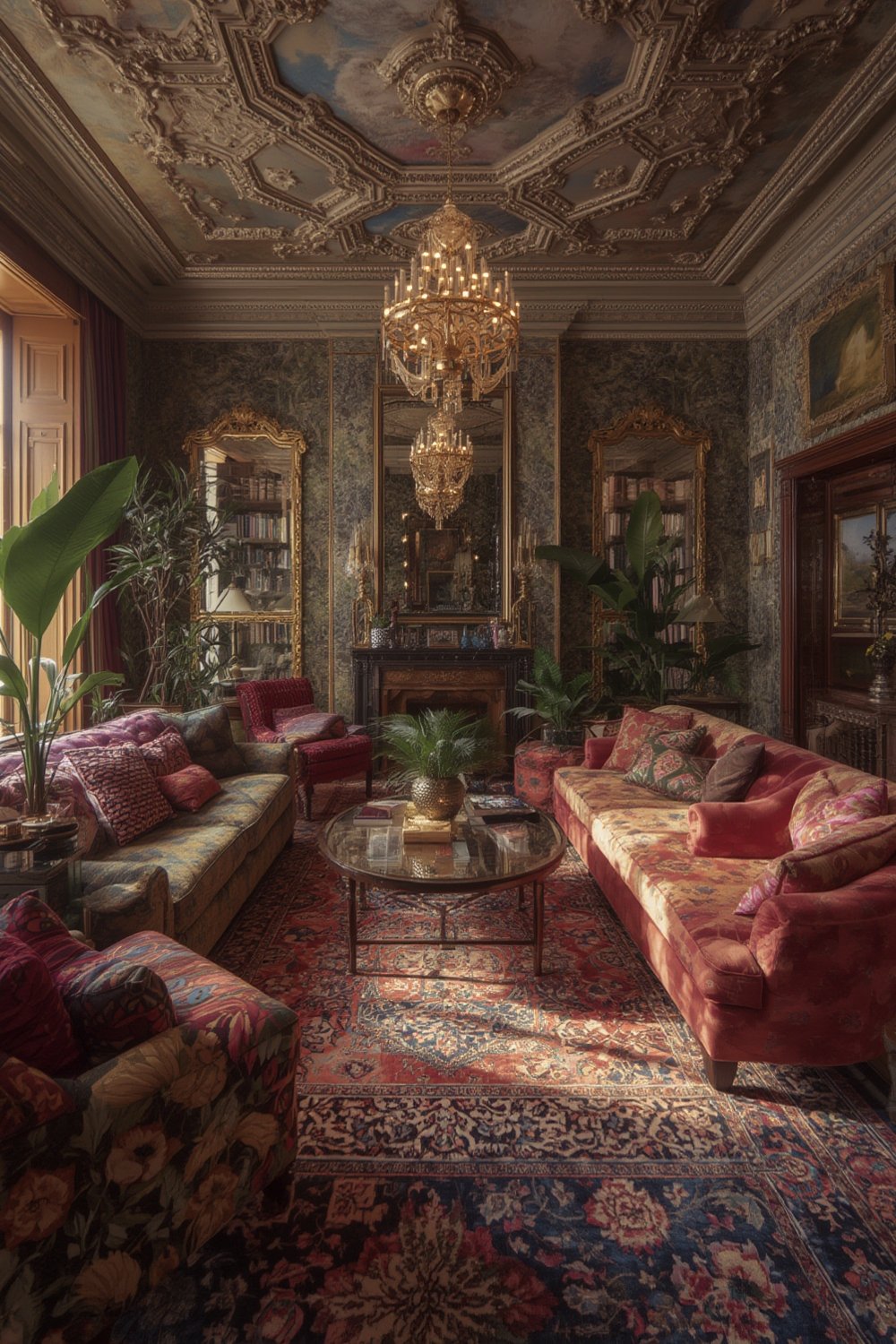
The rise of maximalist decor aligns with a broader shift in how people view their homes. According to a 2026 survey by 1stDibs, maximalism (39%) and eclecticism (38%) are now the most-requested styles among interior designers, reflecting a clear professional preference for rich and personalized environments.
The numbers back this up: in 2024, maximalist decor saw a 50% year-over-year spike in search volume, now averaging 18,480 searches a month, making it one of the fastest-growing interior styles worldwide (source). This shift is a reaction to years of pared-back minimalism—people want joy, personality, and visual excitement back in their living spaces.
But maximalist decor isn’t just about piling on pillows or buying every print at the store. Today’s top designers balance visual abundance with livability. According to design experts, clever storage, adaptable layouts, and smart lighting make maximalist rooms both stunning and comfortable.
Still, the style isn’t for everyone. Done poorly, maximalist decor can lead to chaotic spaces that feel cramped or cluttered. The following step-by-step guide shows how to achieve the drama and richness of maximalism—without regret.
Step-by-Step Guide: How to Craft Maximalist Decor That Works
Ready to transform your home with maximalist decor? Here’s an actionable, realistic process—complete with common-sense tips and creative hacks for every stage.
- Define Your Theme (and Stick to a Palette): Maximalist decor is curated, not random. Pick a main color or two plus a couple of supporting shades. Choose a loose theme to tie your room together—a favorite era, travel destination, or even a mood works well. For color-drenched inspiration, see color drenching interior design techniques.
- Layer Patterns, Textures, and Materials (with Intention): Mix florals, stripes, animal prints, and abstract motifs, but keep scale in mind. Combine large and small patterns for balance. Use tactile fabrics—velvet sofas, boucle accent chairs, or corduroy upholstery—and add items like reclaimed wood accent walls or artisanal tiles for character.
- Incorporate Statement Furniture: Go for one or two bold pieces: a curved sofa, a dramatic light fixture, or a vibrant rug. Make sure these focal points don’t compete, but rather enhance the overall vibe. Modular seating like modular sectional sofas allows for easy rearrangement as your look evolves.
- Display Art, Collections, and Personal Items: Gallery walls are a natural fit for maximalist decor. Hang framed art, photographs, travel finds, and family treasures together—guided by your chosen palette. Avoid cluttered shelves by using layered heights and a mix of textures.
- Maximize Storage for Visual Calm: The more “stuff” on display, the more you’ll need hidden storage. Use ottomans with secret compartments, built-in benches, or decorative boxes. This way, essentials stay close, but your room feels intentional rather than messy.
- Strategically Light Your Space: In maximalist decor, lighting is essential. Use layered light sources—overhead, accent, and task lighting—to prevent dark corners and highlight features. Try mixing modern smart lighting with vintage lamps for added texture, inspired by smart outdoor lighting system ideas (adapted for indoors).
- Edit Ruthlessly: Before buying or displaying anything, ask if it genuinely adds joy, beauty, or function. Donate or sell items that do not fit your evolving theme. Less can be more, even in maximalism, if you curate carefully.
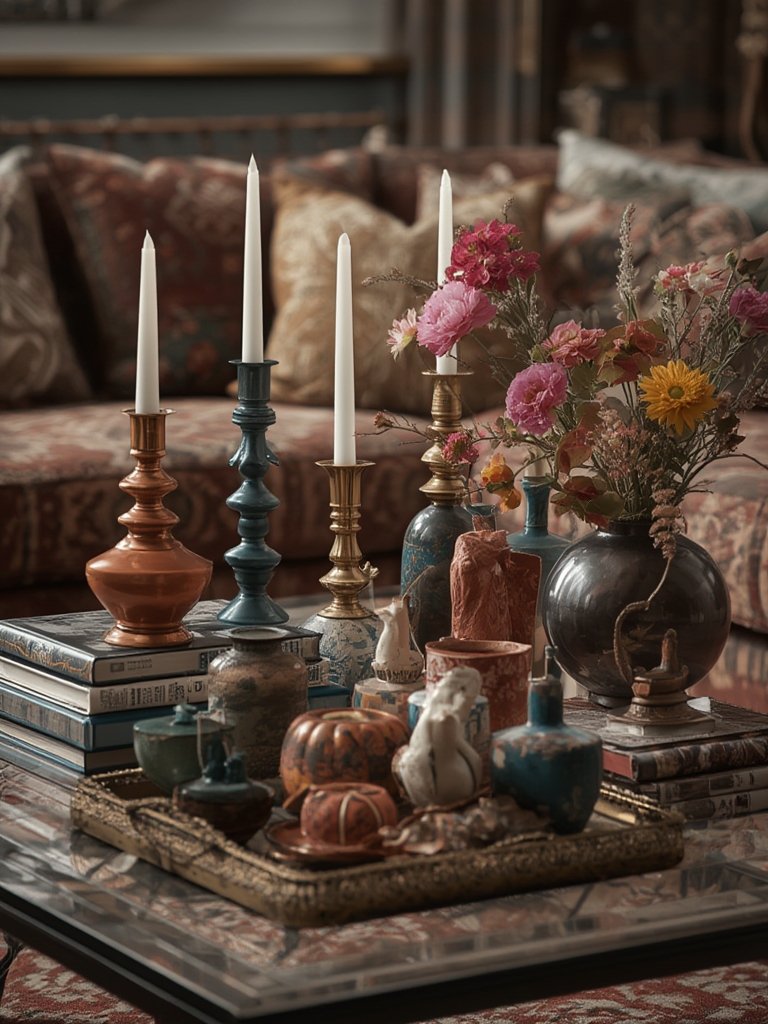
For a healthier, more grounded maximalist living room, combine this approach with biophilic design principles.
If you have spaces that serve multiple roles (such as guest rooms or home offices), consider multi-functional home office guest room design to layer style with utility.
Worried about practicality? Washable surfaces are now widely available, and washable area rugs make it easier to embrace bold patterns without stress.
Advanced Analysis & Common Pitfalls (and How to Avoid Them)
Even with a clear plan, switching to maximalist decor presents real, practical challenges. Here’s what the data and experts reveal about common pitfalls—and how to sidestep them for a successful result.
| Pitfall | Why It Happens | How to Avoid/Fix |
|---|---|---|
| Visual Overload and Clutter | Piling in too many patterns or colors with no unifying theme. | Begin with a defined palette and add items in layers. Regularly step back, remove, and rearrange. |
| Maintenance Issues | Difficult-to-clean fabrics, dust-collecting accessories, or overcrowded surfaces. | Opt for washable area rugs and easy-clean upholstery wherever possible. Use closed storage. |
| Loss of Functionality | Layout or furnishings prioritize style over livability—less space to move, sit, or relax. | Plan traffic flow and seating. Modular and multi-functional furniture keep rooms practical. |
| Too Trend-Driven | Filling spaces with trending prints or objects lacking personal significance. | Choose elements that resonate with your story or taste, not just social media trends. |
| Lack of Cohesion | No visual “rest” areas, or too many styles competing for attention. | Create anchoring features (a recurring color, collection, or material) and balance busy zones with calmer edges. |
Another realistic hurdle is budget. While maximalist decor often looks expensive, it can be built affordably over time by layering in thrifted finds, DIY projects, or upcycled pieces like reclaimed wood accent walls—but be honest about your limits. The main investment is usually time: sourcing unique elements, mixing and matching, and refining the result.
If you love to swap accessories seasonally, or worry your home might veer into chaos, use closed storage and edit displays monthly. For high-traffic or family spaces, lean into durable, stain-resistant fabrics and pieces.
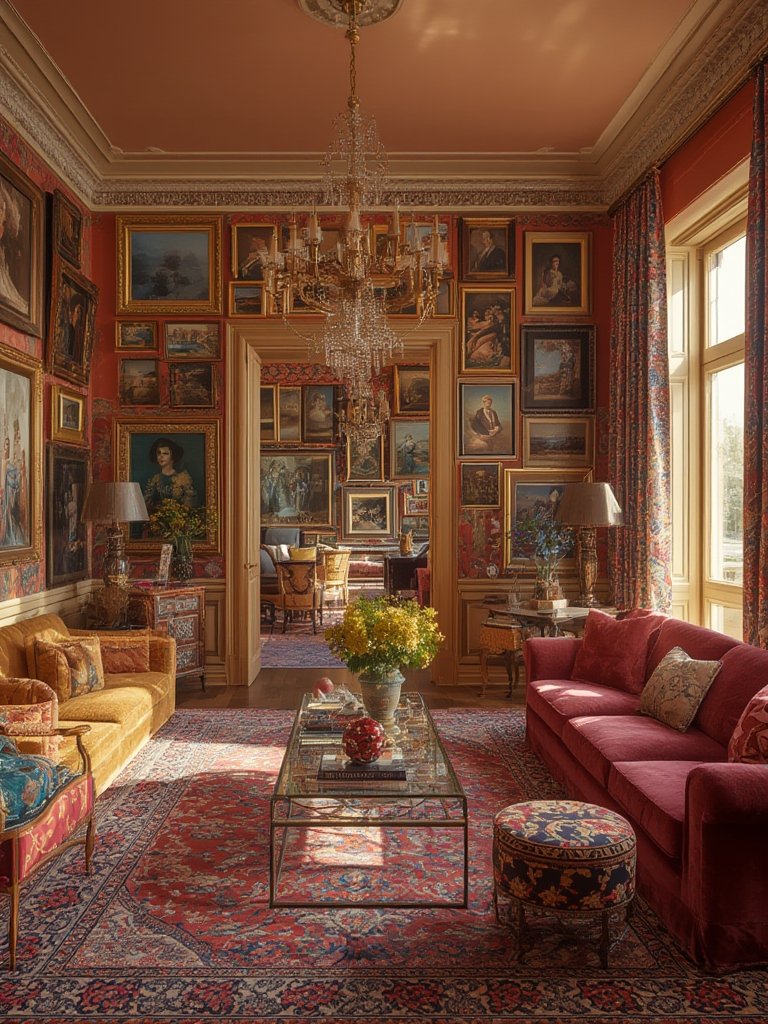
Still hesitant? Consider blending maximalism with elements of quiet minimalism for a more balanced, less overwhelming result. Or try maximalist touches in smaller areas—like powder rooms or hallways—before committing to a full-room transformation.
Conclusion
Maximalist decor is more than a fleeting trend—it’s a proven, personality-driven way to create a lively, welcoming home. While it requires intentional choices, strategic storage, and regular editing, nearly anyone can master bold styling with the right approach. If you’re ready to leave behind all-neutral rooms and express yourself through color, pattern, and meaningful collections, it’s time to explore maximalist decor at your own pace.
Ready to start? Build your first maximalist mood board or refresh just one room. For more practical home upgrades, see our guides on guaranteeing emergency access with battery backup garage door openers and boosting efficiency with tankless water heaters. Embrace maximalist decor, and make your home truly your own.
FAQ: Maximalist Decor
How is maximalist decor different from clutter?
Maximalist decor is intentional and curated, not random or messy. Each item—art, furniture, accessory—should serve a purpose, fit a theme, or offer visual delight. Clutter is unplanned and haphazard, while maximalism feels lively but controlled.
Can I mix maximalist decor with minimalism?
Yes, many designers successfully blend the two. Try bold colors or patterns in one zone, balanced by calming, neutral areas elsewhere. Check out our guide on quiet minimalism home design for blending approaches.
Is maximalist decor expensive?
Maximalist decor can fit any budget. Use vintage finds, DIY projects, and upcycled items. Invest in washable, durable basics for high-use areas and take your time building collections.
What are the best rooms for maximalist decor?
Living rooms, bedrooms, and powder rooms are ideal. Start in smaller spaces if you’re nervous about going all in. Entry areas and home offices also benefit from bold styling.
What if I want to change my decor later?
Maximalist decor is flexible. Use removable wallpaper, peel-and-stick accents, and modular furniture. Change artwork or textiles seasonally for a fresh look without a full makeover.