

Biophilic home decor is transforming ordinary living spaces into restorative retreats, backed by science and proven design principles. If you want less stress, more creativity, and better energy at home, integrating biophilic design is not just a style trend—it’s a step toward measurable well-being.
Key Takeaways
- Biophilic home decor measurably reduces stress and improves comfort, supported by rigorous scientific research.
- Smart use of natural light, living elements, and organic materials creates wellness-centric interiors anyone can achieve.
- Successful biophilic design balances technical know-how with realistic expectations about costs, maintenance, and adaptation to your space.
- The Core Concept: What Is Biophilic Home Decor?
- Step-by-Step Guide to Biophilic Home Decor
- Advanced Analysis & Common Pitfalls
- Conclusion
- Frequently Asked Questions
The Core Concept: What Is Biophilic Home Decor?
Biophilic home decor is the intentional integration of nature-inspired elements—like natural light, greenery, water, and organic textures—throughout your living space. The core idea is simple: people feel, sleep, and perform better when their homes include features proven by science to promote health and well-being. Biophilic design isn’t just adding a few potted plants; it’s a holistic approach, weaving authentic connections to the natural world into floorplans, color palettes, and furnishing choices.
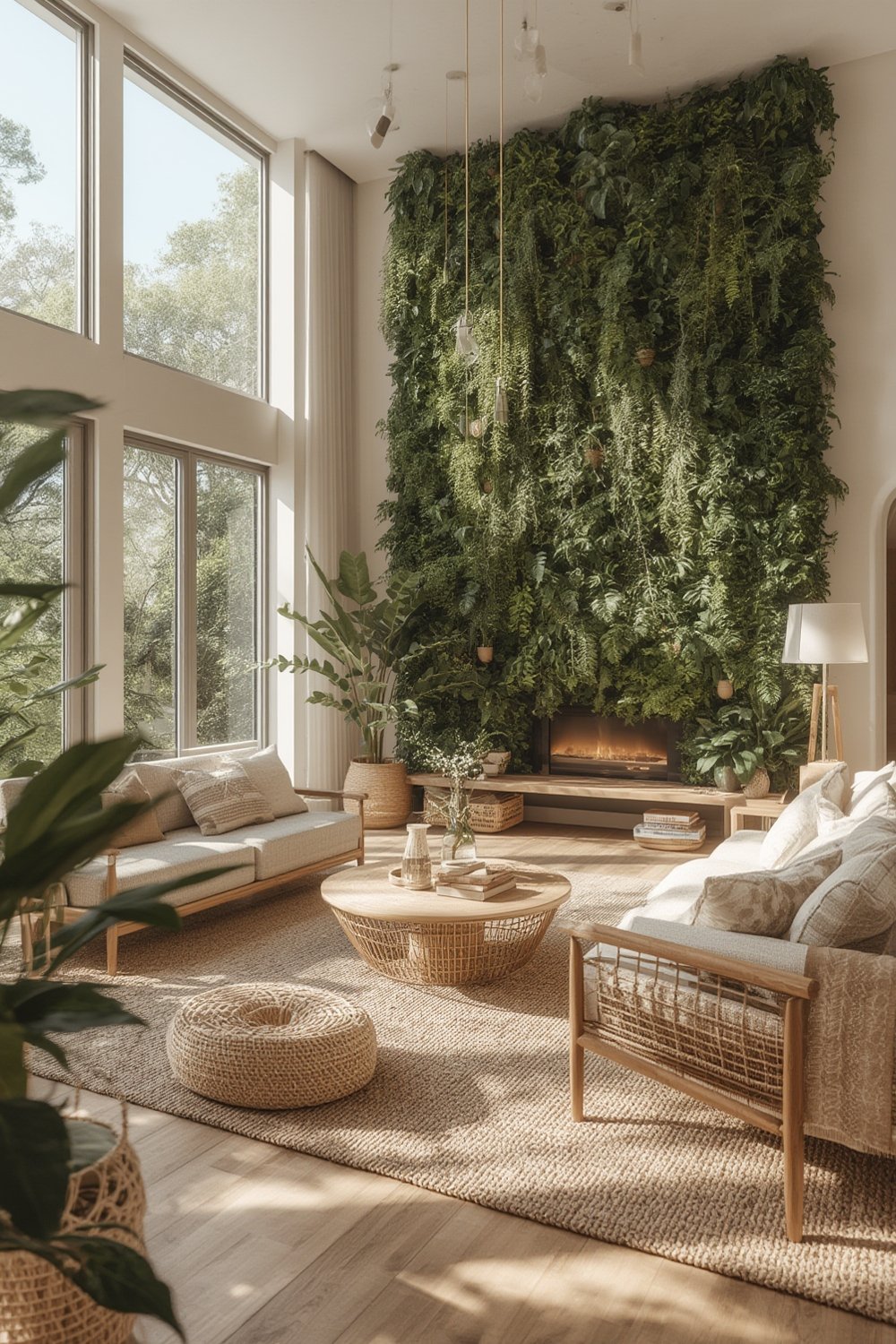
Scientific evidence supports its impact. Recent 2024 research shows that biophilic homes yield lower stress, better emotional comfort, and faster recovery from fatigue. Even substituting natural colors—like green, blues, and earthy browns—leads to measurable mental health benefits compared to artificial shades or sterile grays. Elements like large windows, vertical gardens, living walls, and reclaimed wood feature walls produce a sense of calm and increase daily inspiration.
Unlike fleeting trends, the biophilic philosophy is evidence-based and adaptable, impacting everything from your living room layout to your choice of seating and even integrated technology. For inspiration on living room transformation, see our curated biophilic design living room guide.
Step-by-Step Guide to Biophilic Home Decor
To introduce biophilic home decor in a realistic, actionable way, follow this structured approach:
- Assess light and views. Start by maximizing natural light. Use large operable windows or replace old casement windows for improved energy efficiency and daylight. Consider light wells, skylights, and strategically placed mirrors to spread sunlight throughout your space.
- Choose calming color palettes. Shift paint and furnishings to earthy greens, blues, and browns. This approach is proven to significantly lower household stress. Avoid overuse of grays except as accents.
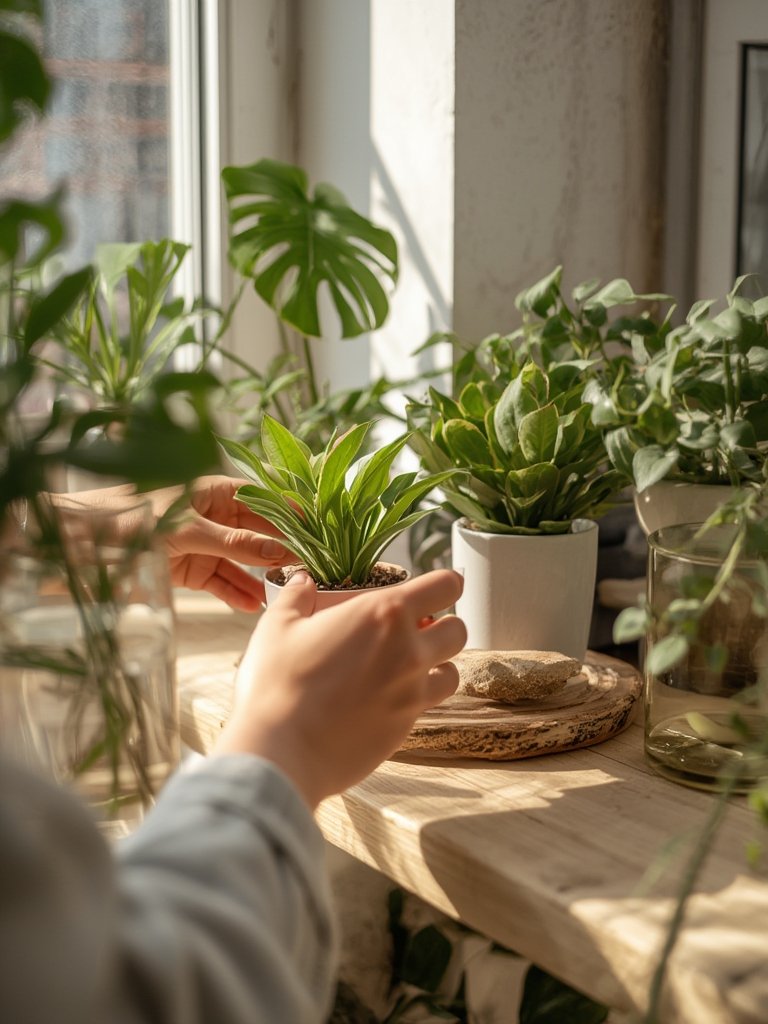
- Use living elements. Vertical gardens, hanging plant installations, and kitchen herb walls are effective even in smaller homes. Try modular plant panels for a low-maintenance feature that doubles as an art piece. For detailed steps, explore our post on vertical gardens.
- Integrate natural materials. Bring in reclaimed wood, stone, and natural-fiber textiles. Reclaimed wood accent walls are highly desirable for their warmth and eco-friendly story. Visit our reclaimed wood accent wall guide for ideas.
- Install biophilic flooring. Rubber flooring with organic shapes and textures—not just gray vinyl—adds visual softness and acoustic insulation. Choose surfaces resembling slate, hammered stone, or flowing river rock paths.
- Add water features and sensory details. A compact indoor fountain, aquarium, or even a table-top water bowl can provide the soothing presence of moving water. Don’t forget textural accessories like wool throws or stone bowls for tactile appeal.
- Harness smart tech. Use IoT sensors to monitor lighting, humidity, and plant health. Smart lighting that mimics circadian rhythms, or even automated watering systems for your living wall, put wellness on autopilot. To automate your entire home’s systems, see our step-by-step smart home integration guide.
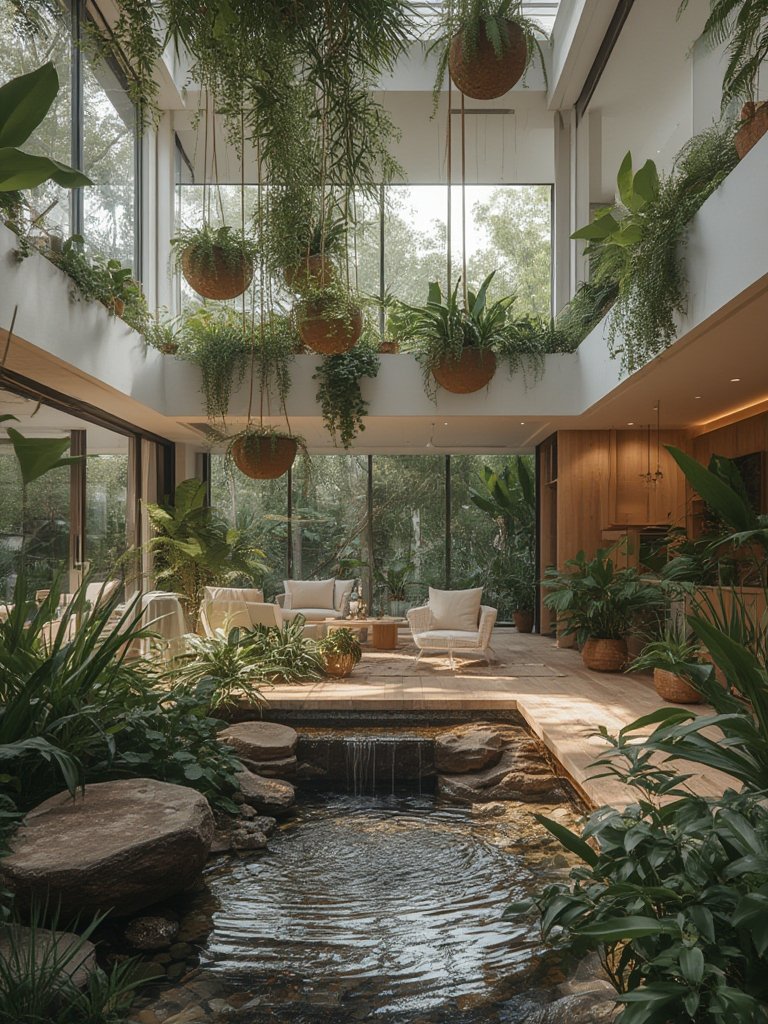
- Design for indoor-outdoor flow. If possible, incorporate large sliding or folding doors that connect your living area and deck, or create a sunroom. To maximize your usable space and blend inside with out, read our sunroom conversion guide and our indoor-outdoor living strategies.
- Choose biophilic furniture shapes. Curved sofas and soft, rounded forms mimic organic flow and invite relaxation, while modular sectionals can adapt as your space evolves. Explore our curated reviews of curved sofas and modular sectionals.
Remember, real results come from layering several elements together, adjusting as needed to suit the size, light, and microclimate of your home.
Advanced Analysis & Common Pitfalls
While biophilic home decor has clear scientific backing, practical roadblocks can limit its success. Here’s where many homeowners encounter issues:
- Inadequate planning for plant care. Living walls and vertical gardens are dramatic but require consistent watering, occasional repotting, and pest management.
- Poor light mapping. Installing a living wall or abundant greenery in a poorly lit room leads to drooping plants and wasted investment if supplemental grow lights aren’t included.
- Cost miscalculations. Authentic materials like reclaimed wood or stone, and hydroponic living wall systems, can be expensive upfront. Without clear budgeting, projects stall or result in cheap, nonfunctional imitations.
- Humidity and mold risks. High levels of indoor moisture from large plant installations or water features, especially in poorly ventilated spaces, can cause humidity buildup or mold.
- Regional climate adaptation. Outdoor-indoor transitions or sunrooms in humid or cold climates demand different insulation, plant species, and moisture control solutions.
- Lack of ongoing maintenance. Biophilic elements are not “set and forget.” Regular pruning, cleaning, and tech upkeep are key.
- Design overwhelm. Some homeowners attempt to combine every biophilic element, crowding their rooms and losing the sense of calm simplicity that underpins the philosophy.
| Biophilic Element | Main Benefit | Common Pitfall | Technical Best Practice |
|---|---|---|---|
| Living Wall | Air purification, stress relief | Drying out or root rot if not monitored | Automate irrigation; use IoT soil moisture sensors |
| Natural Light | Improved mood, productivity | Overheating or glare | Use UV-filtered glass and layered shades |
| Reclaimed Wood | Warmth, sustainability | Termite or mold risks if not treated | Seal with VOC-free finishes |
| Rubber Flooring | Acoustic comfort, slip resistance | Not all rubber is VOC-safe | Select eco-certified, low-emission products |
| Water Feature | Calming ambiance | Leaks or excessive humidity | Size correctly for room volume; encourage airflow |
For further reading on advanced structural upgrades that support biophilic and indoor-outdoor designs, explore our window replacement and seamless indoor-outdoor space guides.
Conclusion
Biophilic home decor isn’t about chasing a look—it’s about building a healthier, more inspiring living space with proven psychological and physiological benefits. By layering natural light, greenery, organic materials, and adaptive technology, you can craft a sanctuary personalized to your needs. Take small, steady steps and measure your progress. Ready to add biophilic home decor to your routine? Start with one feature and grow your wellness sanctuary from there.
Frequently Asked Questions
What is biophilic home decor and why is it different from standard interior design?
Biophilic home decor is a holistic design approach that prioritizes authentic connections to nature indoors, such as maximizing daylight, adding living greenery, and using organic forms. It’s different because it focuses on scientifically proven health and well-being benefits, not just aesthetics.
Are there budget-friendly ways to start with biophilic home decor?
Yes. Start with easy swaps: rearrange furniture near windows, use natural-fiber throws and pillows, and add potted plants or a rolling vertical garden. Choose affordable materials like bamboo or sustainably harvested wood for small upgrades.
Does biophilic design work in apartments or small spaces?
Absolutely. Use vertical gardens, window sills for herbs, light-enhancing mirrors, and multipurpose furniture with natural forms. The goal is integration, not quantity of elements.
How do I maintain a living wall or indoor plants?
Choose suitable plant species for your light and humidity, automate watering if possible, and monitor for signs of pests or rot. Most modular walls include low-maintenance hydroponic options.
Will biophilic home decor increase my property value?
While specific data is still emerging, homes with high natural light, quality air, and wellness-focused features are increasingly in demand. Thoughtful biophilic upgrades can make your home more appealing to buyers seeking healthy living environments.