

Cat calming collar solutions claim to ease feline anxiety and stop stressful behavior, but real-world results are mixed. Before choosing one, it’s essential to understand how these collars work, their limits, and whether they’re right for your situation.
Key Takeaways
- Cat calming collars use synthetic pheromones to target stress and problem behaviors, but are not universally effective for all cats.
- Clinical research supports benefits for some behaviors, but there are notable side effects and a significant number of non-responders.
- It’s crucial to match calming methods to your cat’s environment and needs, and monitor for skin issues or collar loss.
- Understanding Cat Calming Collars: The Basics
- How to Use Cat Calming Collars: Step-by-Step Guide
- Advanced Analysis & Common Pitfalls
- Conclusion
- FAQ: Cat Calming Collars
Understanding Cat Calming Collars: The Basics
Cat calming collars are wearable bands infused with synthetic pheromones designed to mimic the facial signals cats use to soothe each other. When worn, these collars slowly release molecules that are detected by a cat’s vomeronasal organ, triggering a calming effect that ideally reduces stress-driven behaviors like urine marking, scratching, and aggression.

Recent studies suggest cat calming collars, especially those using a 13% pheromone-impregnated polymer (such as the widely-researched FELIWAY® Optimum), significantly reduce problem urination, scratching, and inter-cat conflict over a 28-day period compared to basic silicone collars. This makes them a practical tool for issues triggered by travel, new environments, multi-cat households, or stressful situations like vet visits.
While these collars promise non-drug relief and offer portability versus diffuser-based solutions, they are not a guaranteed fix. Some cats ignore the collar entirely or may even develop minor skin irritation. Collars can also be lost or removed, and not all brands are equally effective. For a deeper look at the science, see this 2024 clinical study on cat calming collars.
You can learn more about feline behavior solutions in our Cat Stress & Behavior Guide and how to improve your cat’s comfort during cat travel preparation.
How to Use Cat Calming Collars: Step-by-Step Guide
Choosing, fitting, and troubleshooting a cat calming collar involves several careful steps. Proper use maximizes effectiveness and safety.
- Select a reputable product: Look for brands with clinical backing—opt for at least 13% pheromone impregnation and a safety-release mechanism. See our list of recommended cat calming collars.
- Check fit and size: The collar should be snug but not tight. You should comfortably fit one finger between the collar and your cat’s neck.
- Introduce gradually: Present the collar to your cat calmly; offer treats for positive association. If your cat shows aversion, pause and try again later.
- Monitor behavior: Changes may start within a few days, but optimal results take up to 28 days. Track frequency of urination, scratching, or aggressive incidents. If no improvement after a month, consider alternatives.
- Watch for side effects: Inspect your cat’s neck daily for redness or hair loss. Remove collar immediately if you see skin changes or extreme agitation. Adverse events may affect 7-8% of cats.
- Replace on time: Most collars last 30 days—set a reminder to replace so pheromone release stays effective.
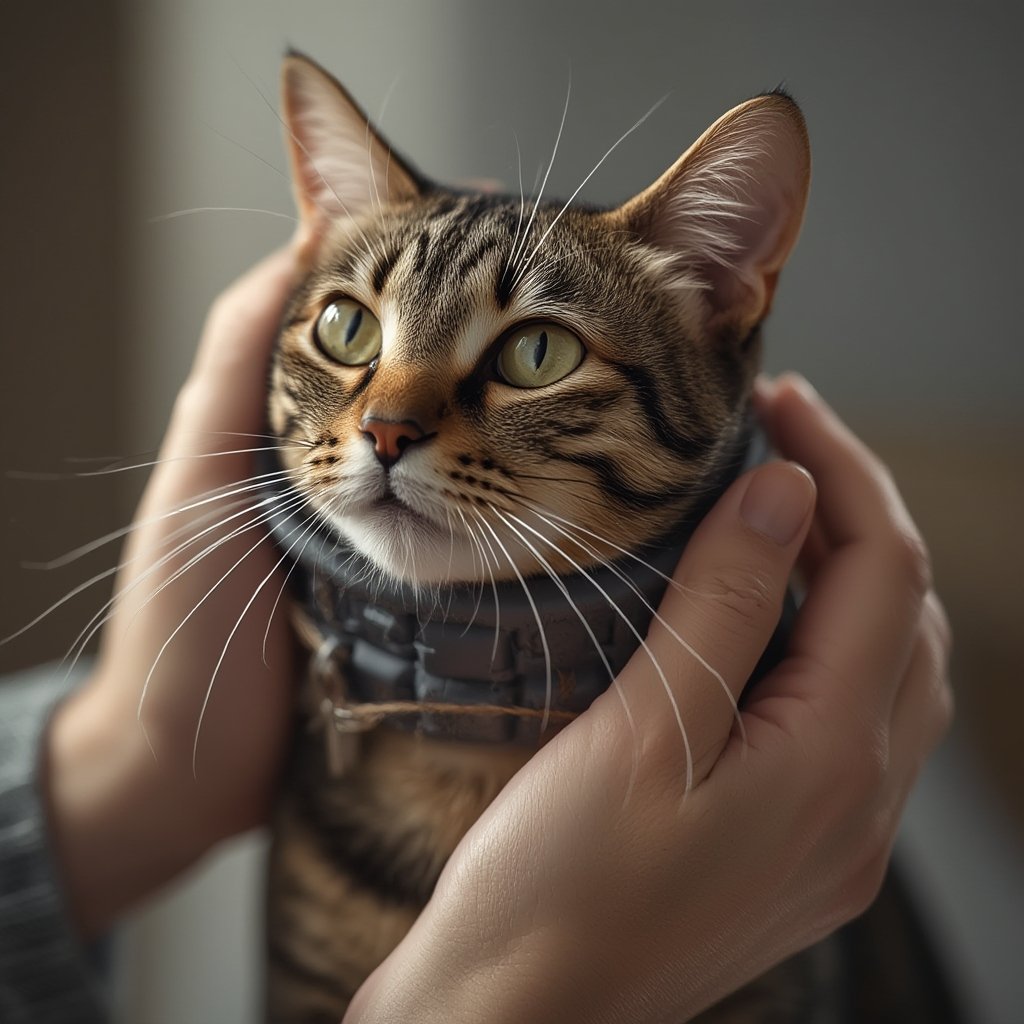
Experts recommend not combining multiple pheromone products unless advised by a veterinarian. Collars work best for mobile needs (like travel or outdoor situations), while diffusers are better for cats who spend most of their time indoors. For more detailed comparisons, see our guide to calming diffusers versus collars and our actionable tips for reducing feline anxiety naturally.
Before using any calming solution on kittens, pregnant queens, or cats with health concerns, consult your vet for safety. Not all cats respond equally—results are not universal.
Advanced Analysis & Common Pitfalls
Many top articles on cat calming collars gloss over real challenges users experience. Variable effectiveness and overlooked side effects mean these collars work best as a part of a broader anxiety management plan rather than a “magic fix.” Below is a comparison of cat calming collars against other calming options:
| Product Type | Main Ingredient | Best For | Reported Drawbacks | Duration | Portability |
|---|---|---|---|---|---|
| Cat Calming Collar | F3 Synthetic Pheromone (13%) | Mobile cats, travel, multi-cat households | Collar loss (12%), skin irritation (7-8%) | 28-30 days | High |
| Diffuser (Gel or Plug-in) | F3 Synthetic Pheromone | Stationary cats, whole-room stressors, severe anxiety | Stationary use only, initial cost higher | 30 days/refill | Low |
| Spray | F3 Facial or environmental pheromones | Short-term stressors, car rides, carrier introduction | Short duration, requires frequent re-application | 4-6 hours | Medium |
| Oral Supplements | L-theanine, tryptophan, herbs (non-pheromone) | Persistent anxiety, supplementing other treatments | Less studied, palatability, dosage control needed | Varies | Medium |
According to credible sources, such as first-hand user reviews and veterinary analysis, about 24.7% of cats wearing calming collars experience some adverse effect—similar to placebo, but significant. Common pitfalls include:
- Ineffectiveness for all cats: Some, especially those with severe anxiety, simply don’t respond. Owners must actively track outcomes.
- Safety and skin issues: Redness or fur loss at the collar site is an occasional but real concern. Always check the neck daily.
- Collar loss or removal: 12.1% lose their collar before 30 days—this disrupts treatment and can be frustrating, especially for outdoor and playful cats.
- Short study windows: Effectiveness and safety data rarely extend past 28 days, so the long-term use profile is unclear.
- Price vs. performance confusion: Top brands command premium prices due to research backing and pheromone concentration, but cost is not always a guarantee of superior results. Learn more about product selection in our cat calming collar buyer’s guide.
External reviews, like this article on anxiety relief, emphasize that what works for one cat or household may need to be adjusted for another. When collars fail, alternatives such as pheromone diffusers or targeted behavioral approaches can fill the gap.

Conclusion
Cat calming collars show real benefits for some issues, especially mild to moderate stress-related behaviors, but results vary. Not every cat responds, and safety should be closely monitored. As with any feline anxiety relief, combining collar use with environmental changes and patient observation gives the best results. If you’re considering a cat calming collar, weigh the evidence, follow gradual introduction steps, and don’t hesitate to seek veterinary advice for stubborn or severe cases.
Ready to find a solution that suits your feline friend? Compare cat calming collars and alternatives here to help your cat live with less stress and more calm.
FAQ: Cat Calming Collars
Do cat calming collars work for all cats?
No. Although clinical trials show improvement for some behaviors, many cats (especially with severe anxiety) may not respond, and a small portion may experience side effects. Regular monitoring is important.
Are cat calming collars safe for kittens?
Most calming collars are designed for adult cats. For kittens, pregnant, or nursing cats, consult your veterinarian before use, as safety studies focus on adult animals.
How long does a cat calming collar last?
Standard collars provide continuous pheromone release for about 28 to 30 days. Replace the collar after one month or sooner if it is lost or damaged.
What side effects should I watch for?
Common side effects include skin irritation, redness, or hair loss at the neck. If you notice these, remove the collar and consult a vet. Some cats reject collars or try to remove them.
Can I use a calming collar along with sprays or diffusers?
It’s possible, but overlapping products is rarely necessary and may confuse effects. For best results, stick to one pheromone delivery system at a time unless guided by your vet.