

Mini split HVAC installation offers a modern alternative for heating and cooling, especially in homes without ductwork. If you want efficient climate control with fewer construction headaches, a mini split system could be the low-disruption, high-comfort solution you need.
Key Takeaways
- Mini split HVAC installation often costs less than retrofitting traditional ducted systems, with substantial incentives available for 2024.
- Most homeowners experience smoother installation and better efficiency, but hidden costs (especially electrical upgrades) can emerge if overlooked.
- To avoid climate control frustration, focus on smart zone planning and consult pros upfront for precise system sizing and integration.
- Mini Split HVAC Installation: What It Is & Why It Matters
- How to Install a Mini Split HVAC System: Step-by-Step Guide
- Advanced Analysis & Common Pitfalls
- Conclusion
- Frequently Asked Questions
Mini Split HVAC Installation: What It Is & Why It Matters
Mini split HVAC installation refers to adding a ductless heat pump or air conditioning system that delivers room-specific comfort without traditional ductwork. These systems consist of an outdoor compressor unit connected to one or more indoor air-handling units using slim refrigerant lines. Each zone operates independently, letting you heat or cool only where needed—saving energy and solving uneven temperature problems.
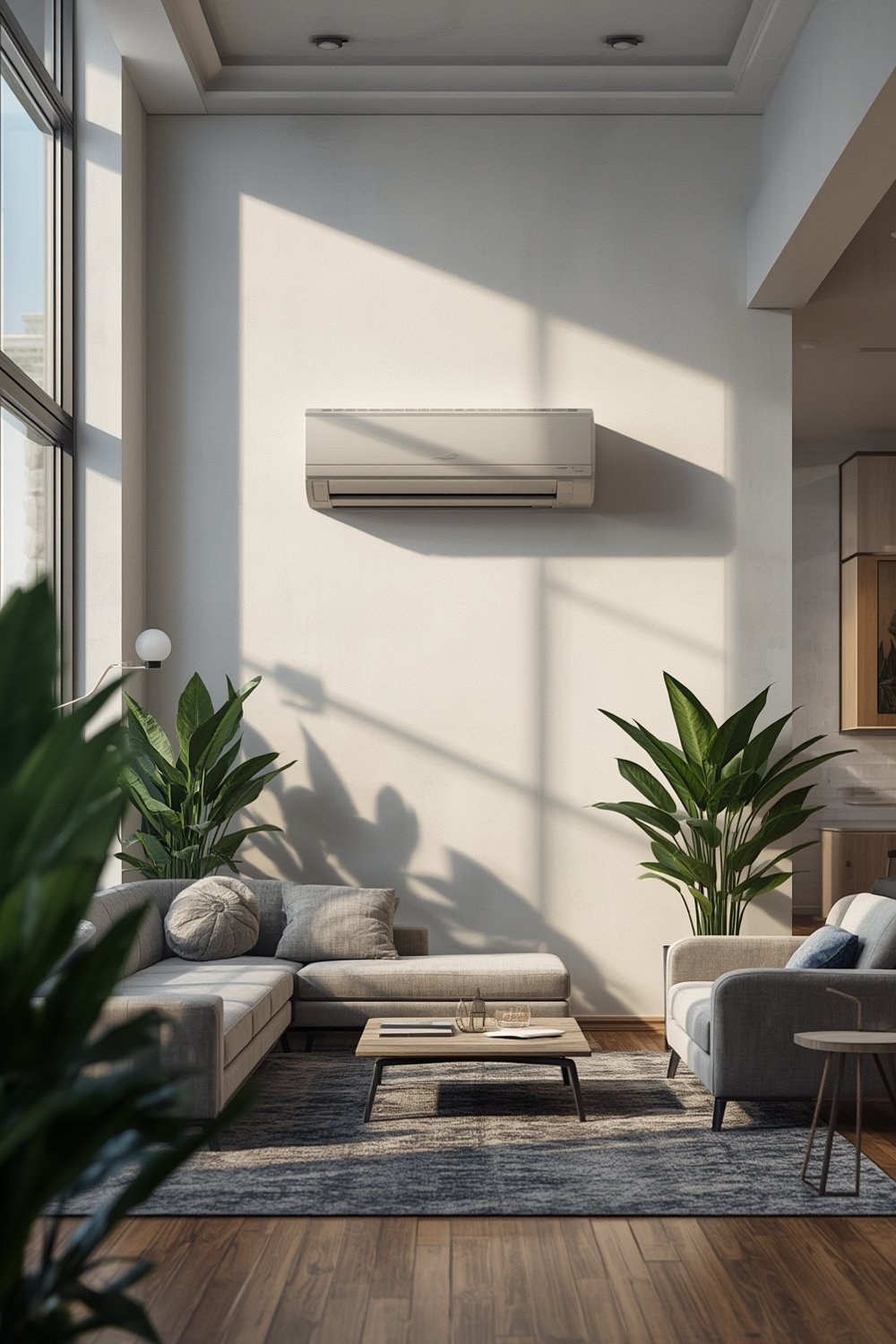
The 2024 landscape for mini split HVAC installation is driven by rising energy costs, decarbonization incentives, and the demand for flexible home comfort. Compared to conventional central air (which needs bulky ductwork and costly construction in older homes), ductless systems lower both the installation barrier and long-term utility bills.
With mini splits, homeowners—especially those upgrading older houses or finishing basements and garages—can avoid disruptive renovations. Incentives from the Inflation Reduction Act and regional utility rebates further cut upfront costs. For a full breakdown on current and upcoming incentives, consult the EnergySage guide to mini split costs.
Whether you’re preparing a home EV charging install or converting a seasonal sunroom, mini splits make it easier to modernize your comfort systems with targeted temperature control, improved air quality, and lower operational noise than classic window ACs or central air.
How to Install a Mini Split HVAC System: Step-by-Step Guide
Mini split HVAC installation is straightforward compared to full HVAC retrofits, but skipping steps or underestimating requirements can lead to costly efficiency or comfort problems. Here’s how to tackle your project with professional precision.
-
Assess Your Space & Load
Measure each room’s square footage that will receive a mini split zone. Calculate required BTUs per zone (e.g., 6,000 BTUs for 150–250 sq ft). -
Choose the Right System Size and Number of Zones
Single zone mini splits work for small additions or isolated areas; multi-zone systems (up to 5+ heads) cover whole homes. Oversizing leads to inefficiency and humidity issues, while undersizing results in poor comfort. -
Request Bids and Confirm Rebates
Get bids from licensed installers. Ask explicitly about federal tax credits (like those from the Inflation Reduction Act) and local utility rebates (Xcel Energy in Colorado, for example, pays out $1,700–$2,200 for qualifying systems—see local pricing and incentives). -
Electrical Preparation
Plan for a 220V (or higher, check your system’s specs) dedicated circuit from your panel to the outdoor condenser location. Bring in an electrician if you’re not already experienced. -
Mount Indoor Air Handlers
Position wall/ceiling-mounted evaporator units in each zone, avoiding obstructions or sources of direct sunlight for accurate temperature sensing. -
Install the Outdoor Compressor
Place the unit on a level concrete or plastic pad with at least 12–24 inches of clearance around all sides and >36 inches overhead. Avoid areas prone to snowdrifts or landscaping debris. -
Connect Refrigerant Lines, Drain, and Wiring
Route insulated refrigerant lines, wiring, and condensate drain through a 2.5–3 inch wall opening. Seal carefully for airtightness and weatherproofing. -
Evacuate/Charge the System and Test
Pull a vacuum on all lines to remove moisture/air, charge the appropriate refrigerant, and then power up. Test each zone’s controls, airflow, and set temperature calibration. -
Integrate with Smart Controls (Optional)
Many leading mini splits support smart thermostat installation or mobile app integration for room-by-room scheduling and remote adjustments.
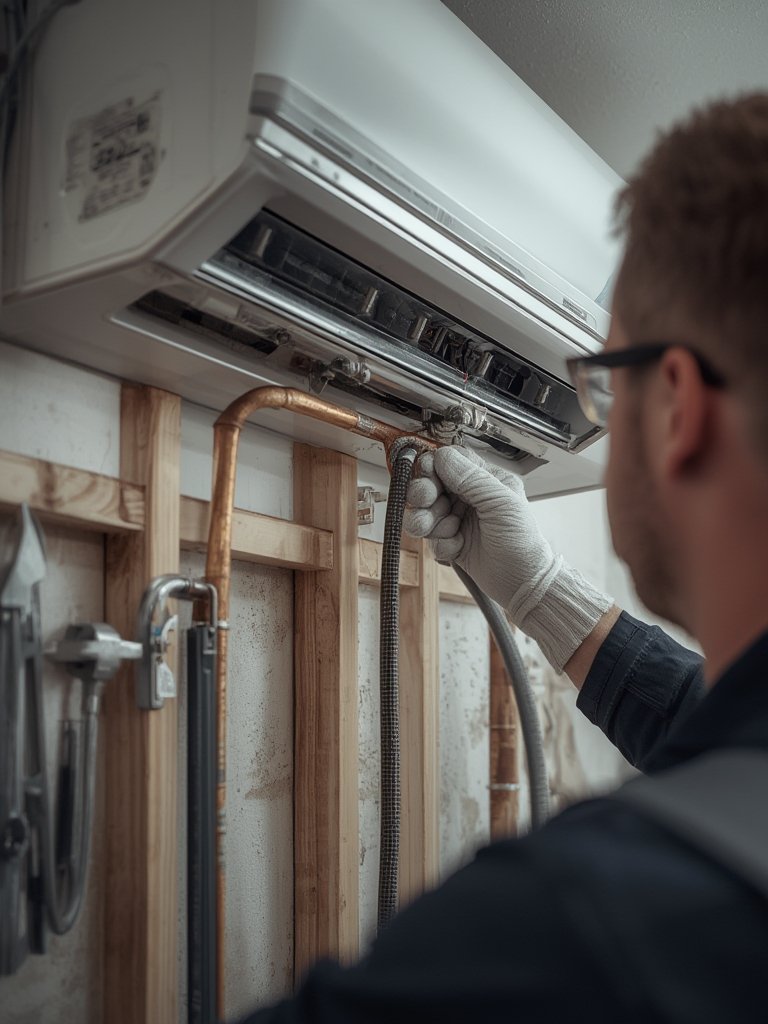
Compare multi-head planning for duplexes or multifamily dwellings by referencing your building’s electrical limits. This is a detail competitors often miss—and that can make integration a nightmare after the fact. If your renovation includes a multi-functional home office guest room, a mini split can provide custom comfort for fluctuating occupancy with zero ductwork concerns (see smart space design tips here).
Lastly: Always verify local code for outdoor compressor placement and check HOA or zoning rules before drilling.
Advanced Analysis & Common Pitfalls
Mini split HVAC installation is popular for a reason—faster installs, better energy savings, and fewer disruptions. But skipping the details can result in higher bills, unsatisfactory comfort, or even system failures. Here’s a focused analysis and a realistic look at what to watch for, including how costs and processes stack up against traditional HVAC systems.
| Factor | Mini Split System | Traditional Central Air & Heat |
|---|---|---|
| Typical Installation Cost (2024 – all sizes) | $2,500–$19,500 (average single zone $2,500–$4,500; multi-zone up to $30,000 for large homes) | $6,000–$10,500 (add $3,000–$10,000+ for new ductwork in homes without existing ducts) |
| Major Federal/State Incentives (2024) | Up to $2,200 in rebates/tax credits (e.g., Xcel cold climate bonus, Inflation Reduction Act) | Limited federal incentives, rarely covers duct install |
| Ductwork Required? | No | Yes |
| Zoning & Room Control | Custom for each room/zone | Usually one thermostat, basic vents only |
| Hidden Costs/Caveats | Possible electrical upgrade, expert install needed for multi-zones, wall patching, winterization in cold climates | Duct leaks, attic labor, dust/renovation, higher long-term maintenance |
Common Pitfalls in Mini Split HVAC Installation
- Incorrect Sizing: Picking the wrong size for each zone leads to frequent cycling, humidity problems, or insufficient cooling/heating.
- Overlooking Electrical Load: Not upgrading the circuit or overloading your panel can cause breaker trips or reduce system lifespan.
- Poor Condensate Management: Failing to slope drain lines correctly invites leaks and wall damage.
- Complex Smart Home Integration: Not all mini splits play well with smart platforms. Choose models with WiFi or verify compatibility with whole home smart integration systems up front.
- Ineffective Location Choices: Putting handlers in dead corners or next to lamps/heaters causes uneven readings and poor comfort. Plan placements with both decor and airflow in mind (see biophilic living room tips for harmonious integration).
- DIY Refrigerant Charging: Attempting self-charging without proper tools or EPA certification can destroy a $4,000 investment—always leave this final step to certified technicians.
Mini split costs and efficiency remain more favorable than central air for many upgrades—especially when you factor in duct losses and disruption. For cold-climate or multifamily installs, check for local pros with advanced mini split experience to future-proof your comfort before peak seasons (see an in-depth price guide).

Conclusion
Mini split HVAC installation delivers tailored comfort and energy savings, especially in ductless or older homes. By planning your install carefully—including electrical planning, proper sizing, and smart home integration—you can avoid most pitfalls and unlock superior comfort with minimal ongoing maintenance. Ready to enjoy flexible climate control? Review your eligibility for rebates, consult with a local pro, and set up your mini split HVAC installation today for a smarter, more comfortable home.
Frequently Asked Questions
How much does mini split HVAC installation cost in 2024?
Most homeowners pay between $2,500 and $19,500, depending on system size and zones. Average single-zone installs run $2,500–$4,500, while full-home, multi-zone systems cost $10,000–$30,000. Federal and state/utility rebates may lower total cost by $1,700–$2,200 or more.
Is mini split HVAC installation better than central air if I don’t have ductwork?
Yes—for homes without ducts, mini splits avoid the major construction and costs of running new ductwork, and installation is less disruptive. Plus, you get room-by-room temperature control and lower energy loss.
Do I need a smart thermostat for mini split HVAC installation?
Not required, but it can greatly boost convenience. Many modern mini splits are WiFi-enabled or can integrate into home automation setups, letting you schedule heating and cooling per zone from an app or smart home hub.
How long does a mini split HVAC system last?
With regular cleaning and professional checkups, most mini split systems last 12–20 years. Indoor filter cleaning and outdoor coil rinsing each season will keep them operating efficiently.
What rooms benefit most from a mini split HVAC installation?
Bonus rooms, garages, basements, sunrooms, and additions with no existing ducts are top candidates. Older homes with sealed attics or historic ceilings also see faster, lower-mess installations with mini splits.