

Smart outdoor lighting system technology is transforming the way homeowners and cities manage outdoor illumination for safety, ambience, and energy savings. If you’re ready to boost security, cut costs, and automate your landscape lighting, this guide breaks down exactly what to expect—without hype or hidden downsides.
Key Takeaways
- The global smart outdoor lighting system market is growing rapidly, driven by energy efficiency, IoT integration, and urbanization.
- LED-based systems provide significant energy savings and long-term reliability but may have connectivity and app control drawbacks.
- Realistic planning is essential—installation costs, ROI, and technical compatibility will vary by setup and location.
- What Is a Smart Outdoor Lighting System and Why Consider One?
- How to Set Up a Smart Outdoor Lighting System: Step-by-Step Guide
- Advanced Analysis & Common Pitfalls
- Conclusion
- FAQ
What Is a Smart Outdoor Lighting System and Why Consider One?
A smart outdoor lighting system replaces traditional exterior lights with devices that can be remotely controlled, automated, and monitored. Using WiFi, Zigbee, or other connectivity, these systems enable users to schedule illumination, adjust brightness, sync with home automation platforms, and even respond to motion or ambient light changes. Their popularity is soaring for both security and aesthetics, giving property owners control from anywhere.
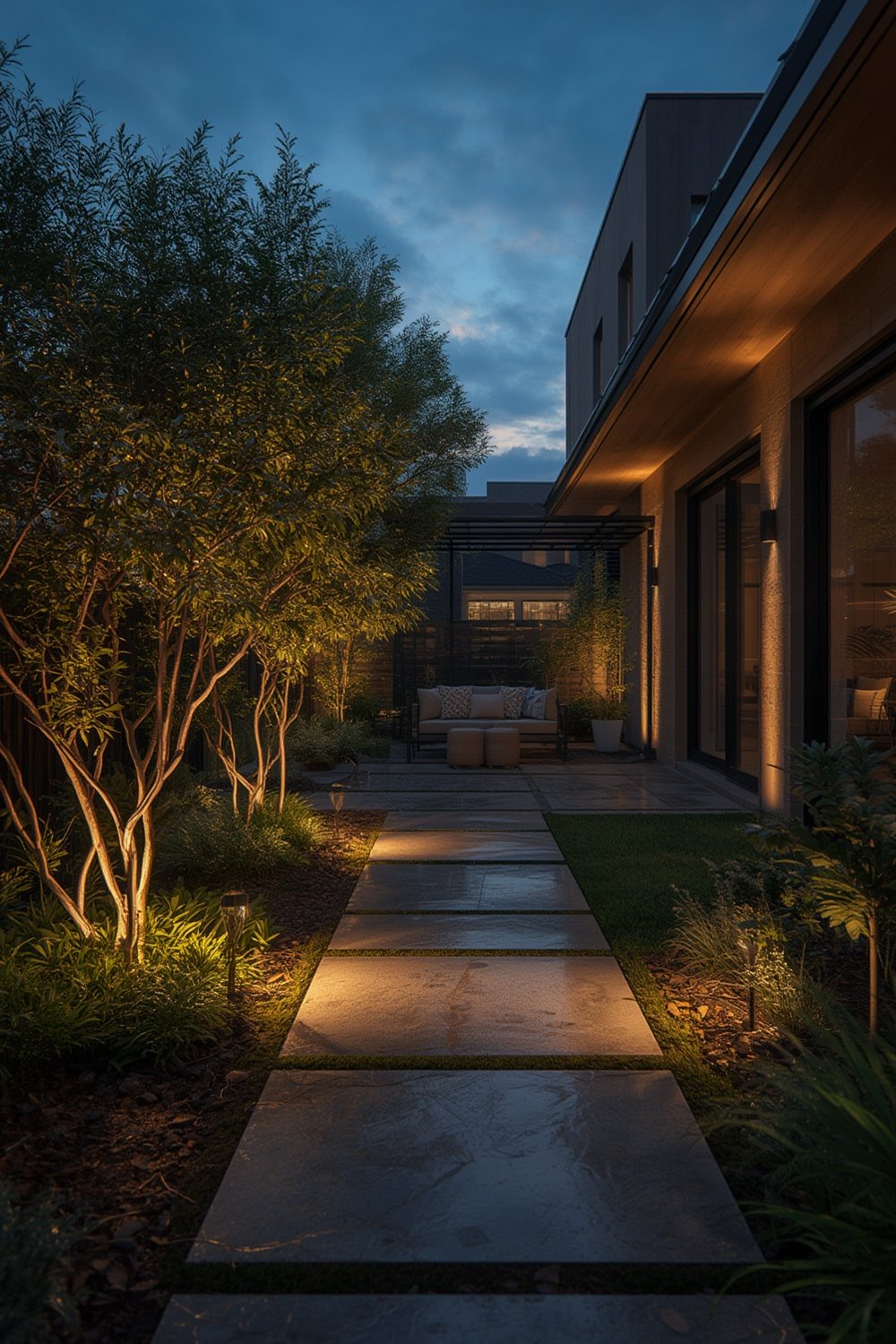
The global smart outdoor lighting system market hit $4.9 billion in 2024, with projections to reach $18.7 billion by 2033—a CAGR of 16.2%. North America accounts for 38% of adoption, largely due to smart city initiatives, while Asia Pacific leads in growth rate with urban development across China, India, and Japan fueling demand. With LED-based products now making up 78% of sales, the focus is shifting to systems that save energy and support remote, adaptive controls (source).
Beyond energy efficiency, the real power of a smart outdoor lighting system is its integration: scene-setting for entertaining, hands-off security for driveways, and seamless routines with your existing smart home setup. If you’re looking to level up your indoor-outdoor living or add security advantages, understanding this technology is essential.
How to Set Up a Smart Outdoor Lighting System: Step-by-Step Guide
Implementing a smart outdoor lighting system is doable for most homeowners, but avoiding the common pitfalls and maximizing long-term value requires careful planning. Here’s a straightforward process to get started, whether you’re a first-timer or upgrading from basic timers or old photocells.
- Define Your Lighting Zones: Decide if you need security-focused lights (for driveways or entry points), ambiance-based lighting (gardens and patios), or a mix. For outdoor entertaining, review our biophilic design tips for seamless flow between indoors and out.
- Choose the Right Product Type: Smart floodlights for security, accent path lights for landscapes, and color-changing WiFi garden lights for parties. Outdoor smart plugs can be an easy retrofit for simple setups.
- Plan for Power & Connectivity: Map access to outdoor outlets or low-voltage wiring. Confirm the closest WiFi or Zigbee hub. If needed, install extra wiring and protection using weatherproof conduit. Unsure how to optimize your electrical setup? Read our installation cost guides for best practices.
- Install and Test Each Fixture: Mount lights as directed—pay attention to waterproof housing and avoid aiming lights directly at neighbors or traffic. Configure motion sensors for required sensitivity, and pair devices with your app or hub platform.
- Program Schedules and Automations: Use apps to create daily routines, dusk-to-dawn triggers, vacation modes, or connect lights to whole-home smart integration. Test geofencing and remote control functions before you rely on them.
- Optimize for Energy and Security: Use adaptive brightness for landscape and timers or motion for security-critical areas. Adjust schedules seasonally to avoid wasted power and annoying your family or neighbors.
- Keep Firmware Updated: Regularly check for device and app updates to ensure security and compatibility—especially before and after adding new features or devices to your system.
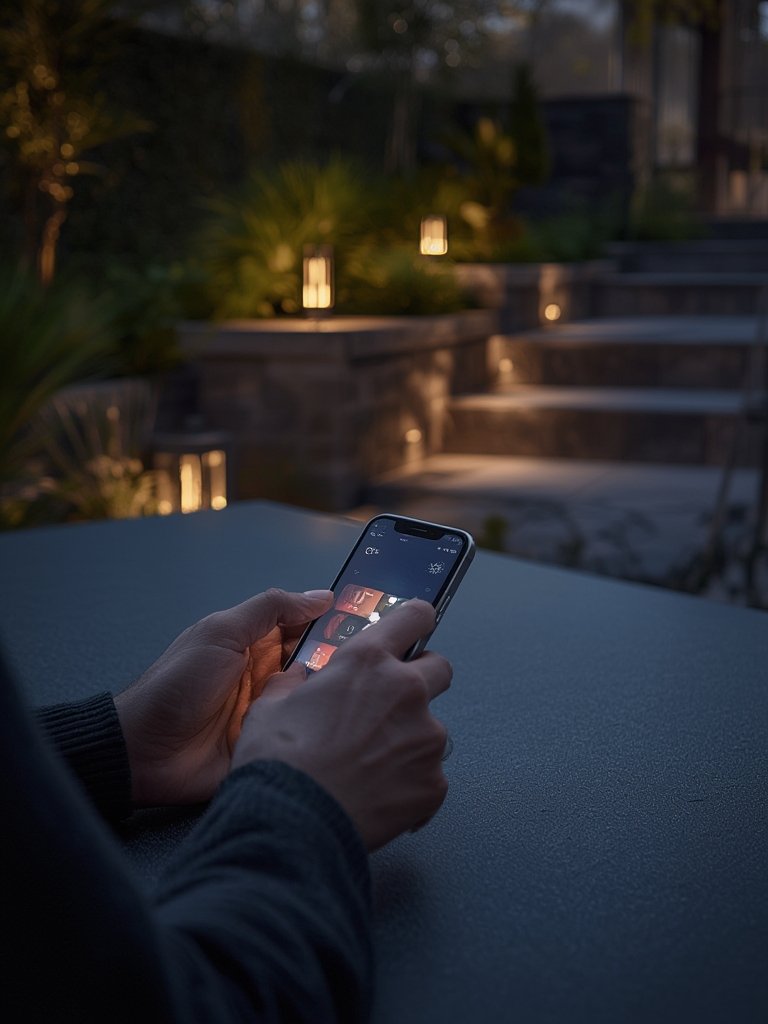
While basic systems can be installed in an afternoon, advanced configurations (multi-zone, smart sensors, color controls) benefit from careful staging and periodic checks for connectivity dropouts or firmware bugs. If you’re comfortable with straightforward wiring and smartphone apps, DIY is feasible; otherwise, consult an electrician—especially if adding new circuits or outdoor-rated receptacles, as you would when setting up a dedicated EV charger or planning a porch conversion.
Advanced Analysis & Common Pitfalls
Smart outdoor lighting systems are promising but not perfect. Based on the latest research and industry data, here’s what real users and buyers need to watch out for:
- WiFi Range and Dropouts: Outdoor locations often push the limits of typical home WiFi, leading to inconsistent app control, failed automations, or missed security triggers.
- App and Hub Ecosystem Limitations: Not all products play well with every smart home platform. For example, some brands may not support Apple HomeKit or require separate apps, undermining whole-home integration ambitions.
- Motion Sensor Calibration: Sensors can trigger from pets, wind, or passing cars if not carefully positioned and fine-tuned.
- Weatherproofing Gaps: Insufficient protection can lead to water ingress, corrosion, or rapid fixture failure. Always verify the IP waterproof rating before purchasing, especially for harsh climates.
- Power and Electrical Surprises: Existing outdoor circuits may not support the added load or power required by new smart systems, particularly elaborate multi-zone installations.
- Unclear Cost and ROI: While LED smart lighting cuts long-term energy use and maintenance (with LEDs accounting for 78% of sales), there’s little open data on upfront costs, operating expenses, or precise years-to-payback. For similar discussions on project ROI, check out our analysis of garage door replacement projects.
| Feature | Smart Outdoor Lighting System | Traditional Outdoor Lighting |
|---|---|---|
| Control Method | App/Web/Voice, Automation, Remote | Manual Switch, Timers, Photocell |
| Energy Efficiency | High (LED, adaptive brightness, occupancy sensors) | Moderate to Low (usually always on at set wattage) |
| Integration | Smart home hub, scenes, security, geofencing | None or limited to timer |
| Security Features | Motion detection, remote alerts, scheduling | Motion or dusk-to-dawn with manual override |
| Installation Complexity | Moderate to high—requires app setup, possible hub integration, firmware updates | Low to moderate—simple install, rare updates |
| Weatherproofing | IP-rated, but electronics may fail if ratings are overestimated | Usually highly durable but less feature-rich |
| Upfront Cost | Higher (notably with advanced features) | Lower |
It’s important to note that while research confirms energy benefits and increased smart adoption, there’s a lack of published case studies comparing real user experience, especially regarding residential installation cost, app complaints, or exact motion sensor accuracy. Future buying decisions should ask for detailed specs—brightness (lumens), compatibility charts, and warranty coverage for long-term reliability, topics not well-covered elsewhere (source, source).
Conclusion
A smart outdoor lighting system offers substantial benefits: energy savings, flexible control, and integration with broader smart home automation. However, challenges exist—WiFi limitations, unclear ROI, and varying product compatibility require advance research and realistic planning. By staying vigilant about specs, installation quality, and ongoing updates, you can maximize the value and performance of your smart outdoor lighting system investment. Ready to create a safer, more inviting outdoor space? Begin your project confidently—and explore our smart home integration guides for even more ideas.
FAQ
Do smart outdoor lighting systems work with existing home automation platforms?
Many smart outdoor lighting systems support Google Home, Alexa, or Apple HomeKit, but always confirm compatibility for smooth integration with your smart home hub.
How much does it cost to install a smart outdoor lighting system?
Residential installation costs vary based on number of fixtures, wiring needs, and features. Research shows no set figures, but expect higher upfront costs than basic outdoor lighting, with savings over time from LED efficiency.
Can I combine motion sensor security lighting with WiFi-controlled landscape ambiance lights?
Yes, it’s common to mix both for layered security and atmosphere, but you may need to use multiple apps or hubs until more products offer unified control.
Are smart outdoor lights weatherproof?
Most outdoor-rated smart fixtures have IP65 or higher waterproof ratings. Always verify product specifications to match your climate’s demands.
What if my WiFi does not reach far into my yard?
You can use mesh WiFi systems, outdoor-rated extenders, or lights supporting Zigbee/Thread to increase reliability in distant or challenging spots.