

Tofu cat litter is quickly gaining attention as a plant-based alternative to traditional clay, silica, or wood-based litters. Pet owners are drawn to its eco-friendly profile, but there are important distinctions and real-world issues every cat parent must understand before making the switch.
Key Takeaways
- Tofu cat litter leads the plant-based litter market in Asia Pacific and is being adopted globally for its eco-friendly benefits, but pricing and vet safety data remain unclear.
- Despite the positive reputation, common issues like tracking and clumping can still occur — and user-reported negatives remain underexplored in most reviews.
- Flushing, compost safety, and environmental impacts need further regulatory and scientific validation in most countries.
- What Is Tofu Cat Litter and Why Choose It?
- How to Switch to Tofu Cat Litter: Step-by-Step Guide
- Advanced Analysis & Common Pitfalls
- Conclusion
- FAQ
What Is Tofu Cat Litter and Why Choose It?
Tofu cat litter is a biodegradable cat litter made primarily from natural soybean byproducts, sometimes combined with cornstarch or peas. Its popularity in 2024 comes from increased sustainability demands and concerns over traditional clumping clay litter’s heavy environmental impact. The Asia Pacific region now commands roughly 44% of the global tofu cat litter market share, according to industry research.
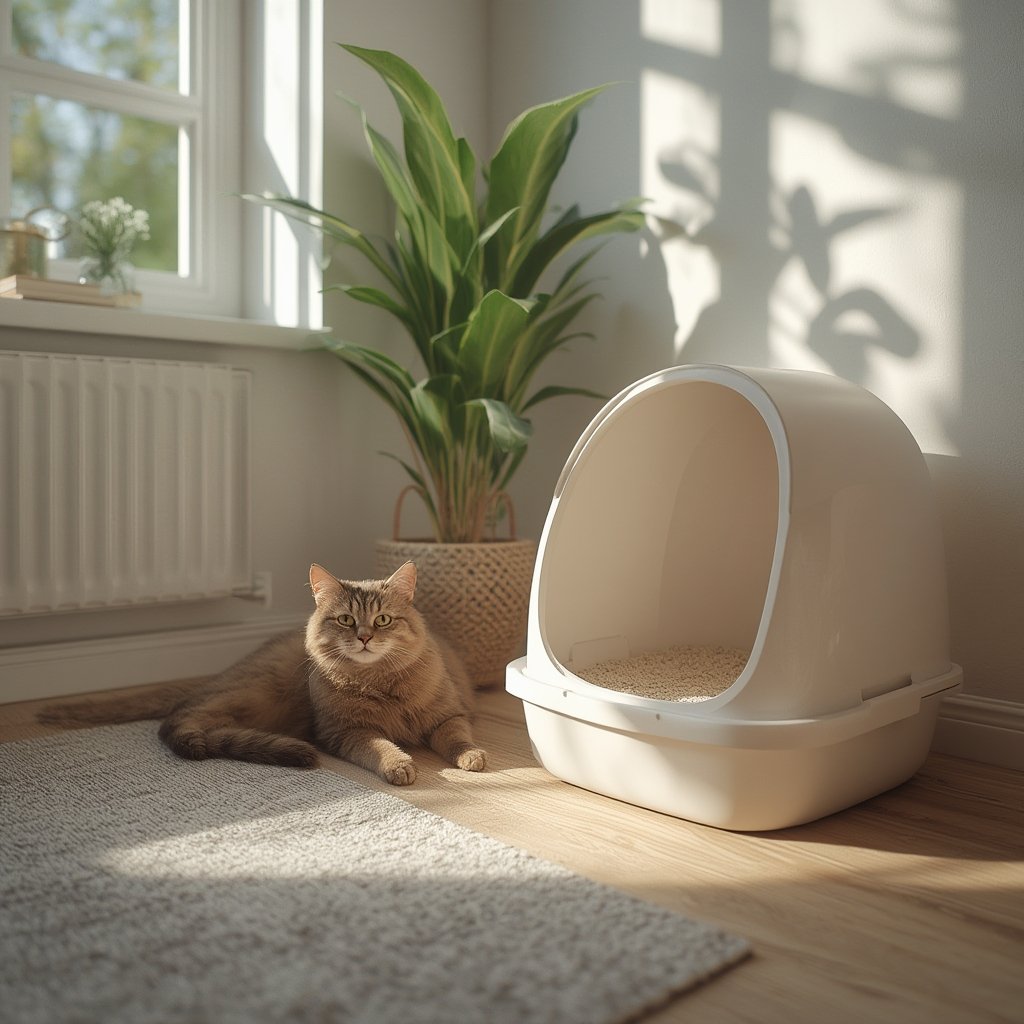
But why are more pet owners and cat care professionals recommending tofu-based litter? It’s lightweight, typically dust-free, safe for most feline paws, and offers better biodegradability versus clay or silica litters — a point supported by multiple studies (see summary). Its plant-based composition means it’s safer to dispose of in several eco-conscious ways. For those reviewing litter choices for new kittens, elderly cats, or allergies, tofu options also provide a gentler alternative.
Want a side-by-side comparison with other biodegradable options and clay litters? See our Best Clumping Cat Litter review for in-depth rankings and user insights available on our site.
Finally, unlike clay litters that can contribute to environmental damage through strip mining, tofu litter leverages food processing byproducts that might otherwise go to waste — making the cycle of use and disposal much more circular.
How to Switch to Tofu Cat Litter: Step-by-Step Guide
Switching your cat to tofu cat litter requires strategy and patience. Here’s a step-by-step plan to encourage a smooth transition, minimize mess, and ensure both you and your cat enjoy the benefits.
- Research and Choose Wisely
Not all tofu cat litter products are equal. Compare ingredient lists, granule size, and test out smaller bags. Look for reputable brands and consider fragrances and textures your cat prefers. Our Best Cat Litter for Multiple Cats guide covers top picks for high-traffic households. - Set Up a New Litter Tray
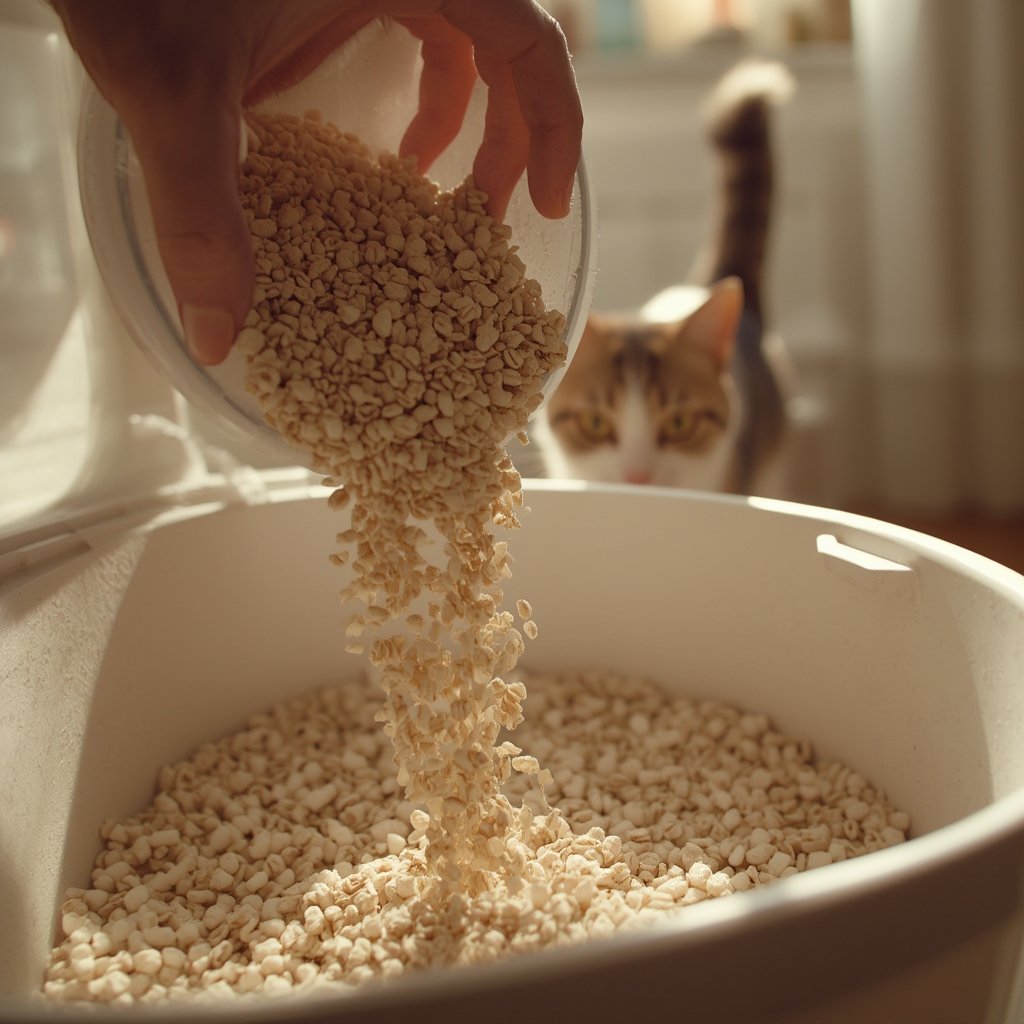
Buy a separate, clean litter box and fill it 2–3 inches deep with tofu litter. Place it near your cat’s old box at first. - Mix and Transition Slowly
For the first two days, use 75% old litter and 25% tofu cat litter. Over the week, adjust proportions until you reach 100% tofu litter for minimal resistance. - Monitor Usage
Observe your cat’s behavior. If you spot avoidance, go slower. Cats thrive on routine, and some adapt faster than others. - Daily Maintenance and Scooping
Tofu litter clumps when wet — scoop daily and top up as needed. Dispose of used litter according to local waste guidelines; check our Can You Flush Cat Litter post for disposal tips. - Watch for Issues
tracking outside the box or changes in odor may surface during the changeover — address these immediately (see our troubleshooting section for solutions).
For more help reducing cat litter smell and optimizing placement, read the actionable strategies on our How to Stop Cat Litter Smell post.
If you’re curious about costs, while concrete 2024 pricing for tofu cat litter remains scattered across markets, most users report it falls between high-quality clay and premium walnut/corn-based brands per month. Visit our Is Biological Cat Litter Safe? guide for a breakdown of plant-based litter costs and safety criteria.
Advanced Analysis & Common Pitfalls
Despite the eco-friendly image, tofu cat litter is not without real-world drawbacks and uncertainties. Here’s what current data — and the lack thereof — tells us:
- Odor Control: While marketed as effective for neutralizing smell, there’s limited scientific review or user consensus on whether tofu cat litter outperforms leading clumping or silica options over weeks of use.
- Clumping & Tracking Issues: Some brands may break apart easily, scatter, or stick to paws and fur. Tracking outside the box, especially in multi-cat homes, remains a concern for many users.
- Moisture Sensitivity: Tofu litter absorbs moisture well, but environments with high humidity or wet litter trays may cause premature breakdown, making cleaning more challenging.
- Health & Safety Gaps: As of 2024, there are no published clinical or veterinary safety studies on tofu cat litter for cats — for accidental ingestion, dust inhalation, or allergen risks. This poses unknown risks, especially for kittens or cats who nibble non-food substances.
- Regulatory Uncertainty: Flushing tofu cat litter may cause plumbing issues or violate municipal waste codes, but there are no clear restrictions or approvals in the US, UK, EU, or Australia (market report).
- Compost Safety: Claims of home composting vary, with no standardized guidelines on littered cat waste. Never use cat litter compost near edible gardens due to parasite risks.
Below is a side-by-side comparison of tofu cat litter vs. common alternatives:
| Litter Type | Biodegradability | Odor Control | Tracking | Safety Data | Flushable/Compostable |
|---|---|---|---|---|---|
| Tofu Cat Litter | Excellent | Good – Unverified long-term | Moderate | Limited | Theoretically flushable (verify locally) |
| Clumping Clay | Non-biodegradable | Excellent | High | Extensive | Non-flushable, landfill only |
| Silica Gel | Non-biodegradable | Good | Low | Moderate | Non-flushable |
| Wood/Pine Pellets | Good | Moderate | Low | Moderate | Often compostable |
If you plan to switch but need a vet-safety overview, bookmark our Is Silica Gel Cat Litter Safe? resource, where we update as new peer-reviewed data emerges.
Conclusion
Tofu cat litter is a practical and eco-conscious alternative to traditional cat litter, popular for its plant-based, biodegradable qualities. However, users should be aware of its real-world limitations, such as the lack of robust vet safety data, uncertain cost comparisons, and unverified claims regarding odor and compost safety. If you want to minimize your environmental impact while keeping your cat’s box clean, tofu cat litter is worth trying with a phased approach. Ready for a greener litter box? Explore our in-depth comparison charts and community experience before deciding which tofu cat litter product is best for your home. Comment below or reach out with your questions!
FAQ
Is tofu cat litter really flushable?
Some brands claim tofu cat litter can be flushed in small quantities, but plumbing systems vary and municipal codes may prohibit flushing. Always check your local waste management rules before flushing to avoid expensive repairs.
How often do I need to change tofu cat litter?
Scoop solids and clumps daily. Fully change and wash the tray every 1–2 weeks for optimal hygiene, or more often in multi-cat households.
Can tofu cat litter cause respiratory or allergy issues?
Most tofu cat litter is advertised as low dust, but no veterinary studies confirm this. Monitor your cat for sneezing, coughing, or skin irritation during the transition.
Will my cat eat tofu cat litter, and is it harmful?
Some cats may nibble on plant-based litter out of curiosity. While small accidental ingestion of food-grade materials is usually not harmful, persistent eating requires vet advice.
Is tofu cat litter suitable for kittens?
Generally, yes — its paw-friendly texture is good for kittens. However, close supervision is necessary as kittens may eat the litter more frequently than adults.