

Pennsylvania sedge lawn is quickly reshaping how homeowners and landscape professionals think about low-maintenance, eco-friendly yards. As more people look for sustainable alternatives to traditional turf, Pennsylvania sedge lawns offer real potential—but they are not a magic bullet. If you’re considering switching to Carex pensylvanica as your primary groundcover, read on to discover the unfiltered reality, the actionable steps, and the mistakes most beginners make.
Key Takeaways
- Pennsylvania sedge lawns require careful site selection and are ideal for part shade to dappled sun, not deep shade.
- Maintenance is significantly lower than turf grass, but full establishment takes patience and planning.
- Poor performance in full shade and slow fill-in rates are the biggest user-reported challenges—know these before you plant.
- What Is a Pennsylvania Sedge Lawn and Why Consider It?
- Step-by-Step Guide: Establishing and Caring for a Pennsylvania Sedge Lawn
- Advanced Analysis & Common Pitfalls
- Conclusion
- FAQ
What Is a Pennsylvania Sedge Lawn and Why Consider It?
A Pennsylvania sedge lawn is a living, low-mow or no-mow groundcover made up almost entirely of Carex pensylvanica, a native sedge grass. Unlike a finely manicured fescue or bluegrass turf, a sedge lawn delivers a soft, meadow-like appearance—ideal for those seeking a natural lawn alternative with less maintenance and improved resilience during dry spells.
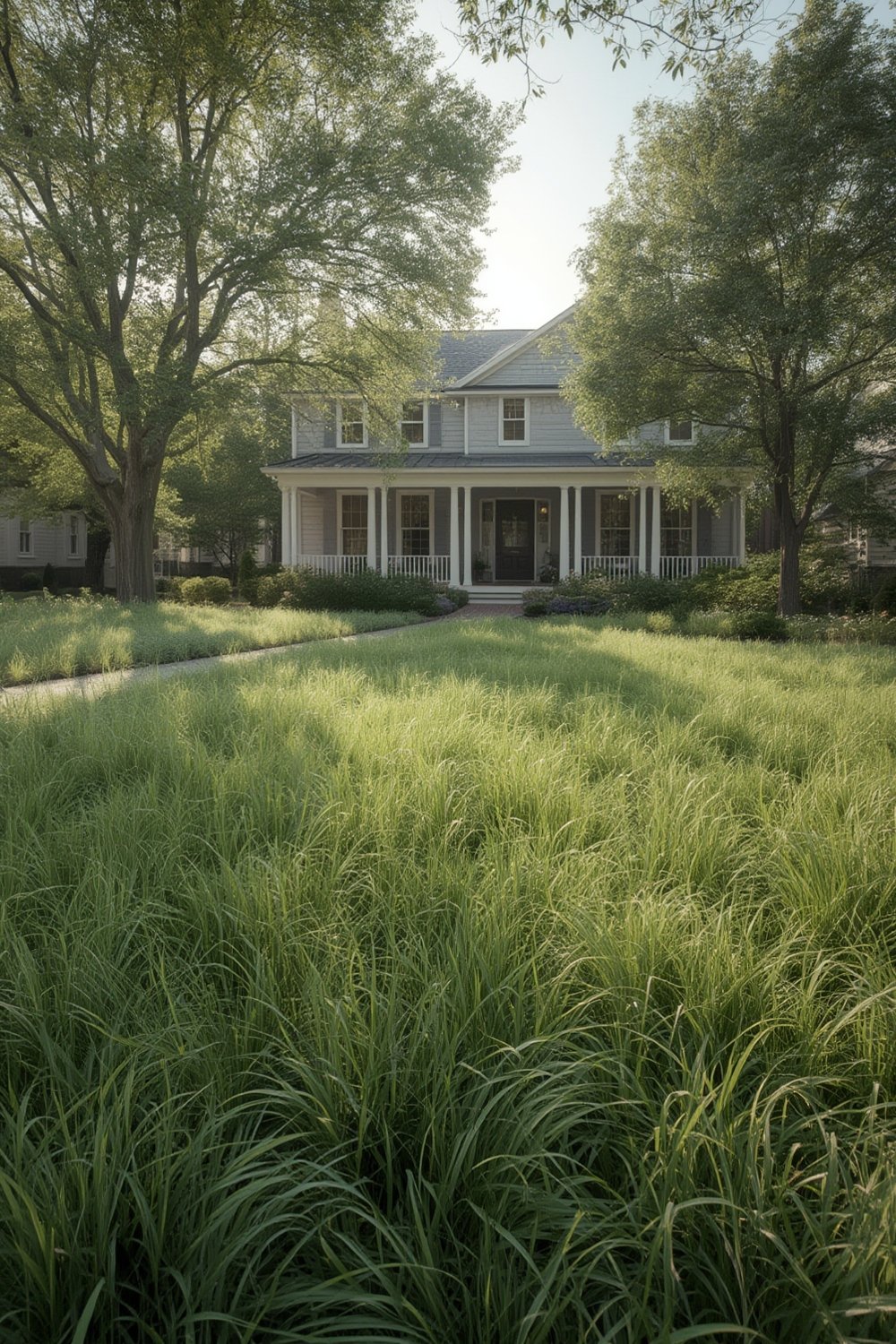
This type of lawn is especially suited for eastern and central North American climates, where it grows best in well-drained soils and dappled to partial shade. It attracts growing interest among eco-minded homeowners looking to reduce mowing, watering, and chemical inputs. Notably, Pennsylvania sedge lawns provide a far more environmentally conscious alternative than chemical-reliant turf grass.
Despite increasing curiosity, actual market data for 2024 adoption rates remains scarce. Trials at arboretums and production from specialty seed companies confirm the interest is real, but haven’t yielded quantitative growth stats yet. Still, resources like Ernst Seeds are ramping up production, and curiosity about native plant lawns has spiked—see this exploration of sedge trials for a field-tested perspective.
If you want to connect to biophilic living and support “native plant lawn” trends (which are up 700%+ in homeowner searches), a Pennsylvania sedge lawn could be the backbone of your next landscape project. Discover more about broader “meadowscaping” alternatives in this guide on meadowscaping and see how a Pennsylvania sedge lawn fits into a modern, eco-savvy yard.
Step-by-Step Guide: Establishing and Caring for a Pennsylvania Sedge Lawn
Starting a Pennsylvania sedge lawn is not the same as rolling out sod or spreading turf seed. Below is a step-by-step breakdown for planning, planting, and caring for Carex pensylvanica lawns.
- Site Selection: Choose an area with part shade to dappled sun. Under deciduous trees like oaks is ideal, while deep shade under maples or conifers leads to thinning and bare patches. Avoid areas with compacted or soggy soil.
- Soil Preparation: Remove existing grass or weeds. Lightly loosen the top few inches of soil. You can work in a thin layer of compost, but avoid over-amending—Pennsylvania sedge prefers lean soils.
- Drainage Check: The lawn thrives in well-drained or even sandy soil. In heavy clay, consider amending with sand or creating gentle surface contouring to move excess water away.
- Plug Planting: Pennsylvania sedge is nearly always installed as plugs or divisions, not seed. Source plugs from a reputable native plant nursery. Space 8-12 inches apart in a staggered grid.
- Watering Plan: Water immediately after planting and keep soil consistently moist (not soggy) for the first 6-8 weeks. Once established, Pennsylvania sedge requires only occasional deep watering if rainfall is lacking.
- Mulching—Optional: Use a thin, weed-free straw mulch to retain moisture and suppress initial weeds. Don’t bury the tiny sedge shoots.
- First-Year Patience: Expect slow fill-in—your plugs may look sparse for several months and may need up to 18 months to create a continuous carpet. You can overseed bare patches with shade-tolerant native flowers or fescue as short-term fillers.
- Post Establishment Maintenance: Very little routine care is needed. Remove occasional weeds by hand. If you prefer a tighter look, mow once per season in early summer to about 3–4 inches.
- Season-by-Season Care: Monitor during hot, dry spells, especially in the first two years. Sedge thrives best in cool seasons—water deeply during drought but don’t over-water or fertilize.
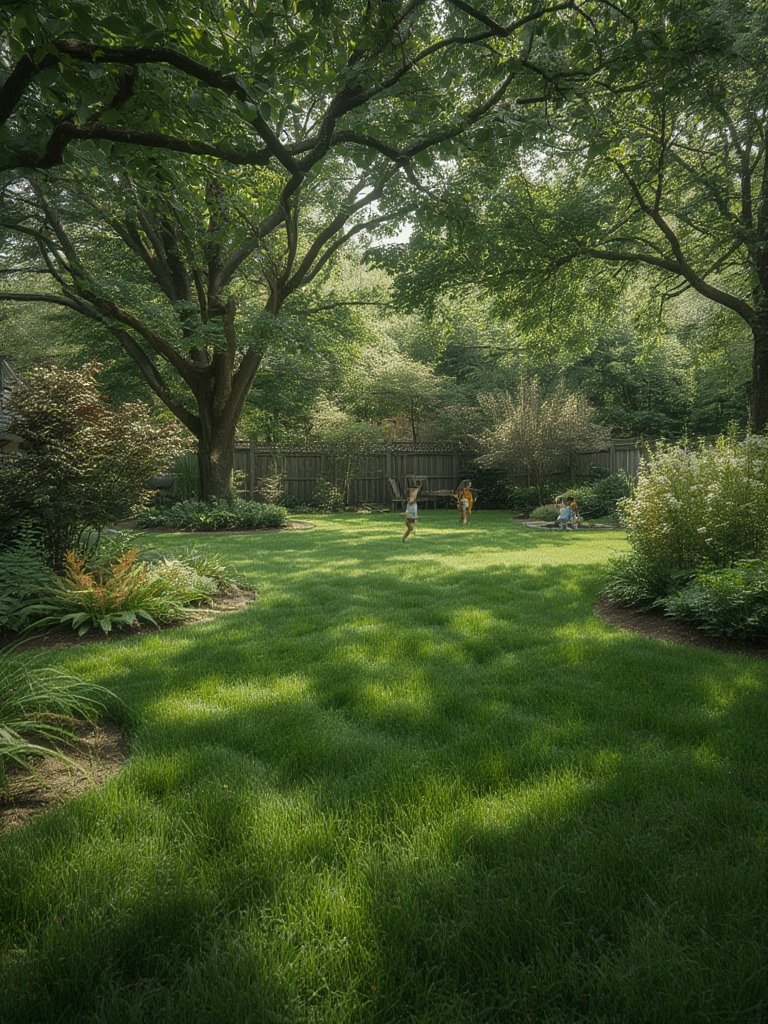
- Foot Traffic Management: Pennsylvania sedge tolerates occasional walking but is not suited for high-traffic play areas. Use stepping stones or mown paths for repeated access.
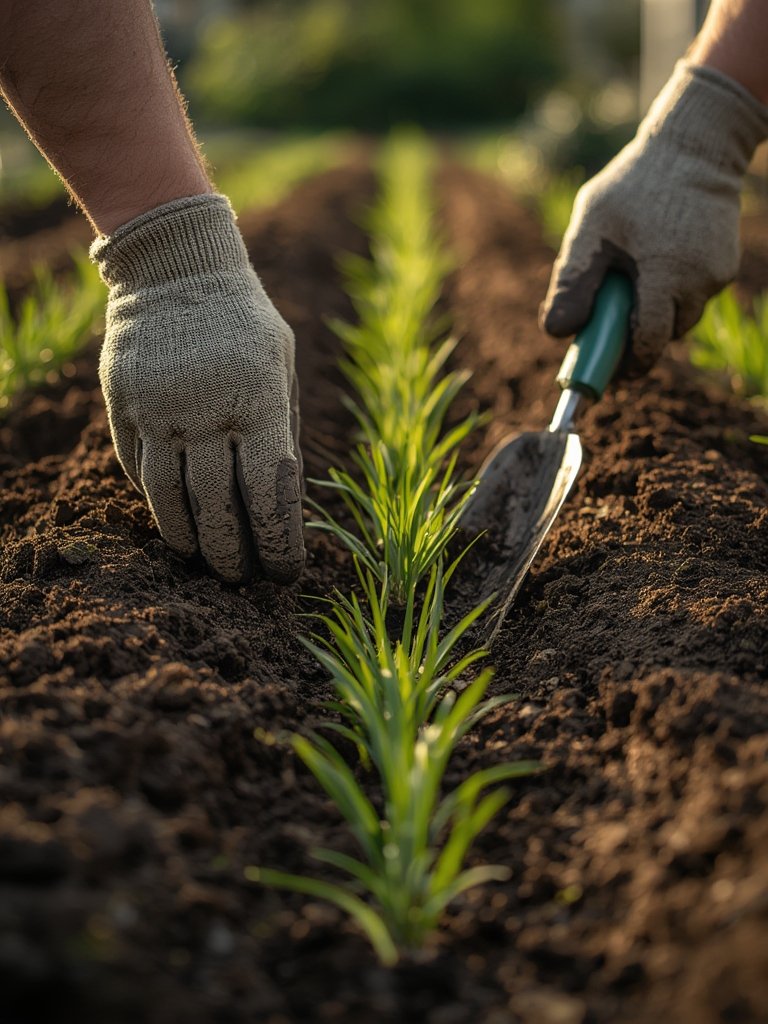
The above steps will give you the strongest shot at success. Remember: the key difference is patience and light optimization—unlike turf, you cannot “muscle” a sedge lawn into place with fertilizer or frequent watering.
For specialized landscape goals like erosion control on shady slopes, Pennsylvania sedge offers clear advantages. For broader approaches to native lawns or alternatives to high-input turf, compare Pennsylvania sedge techniques to those in native plant lawn recommendations and review the rapid-rise “biophilic design living room” trend if you want to echo your outdoor native approach indoors (read more here).
Those interested in enhancing pollinator support and supporting local biodiversity should also explore pollinator garden design best practices—these tips combine well with sedge lawns for true ecological value.
Advanced Analysis & Common Pitfalls
The biggest source of frustration for new Pennsylvania sedge lawn owners is lack of performance in shaded or dry sites. Field trials at sites like the Scott Arboretum have revealed that:
- If your site is deeply shaded for much of the day, expect the sedge to thin over time, especially under maples or dense canopies—not even replanting will fix a “too dark” area. (source)
- Sites with dry shade (little rainfall, sandy soil) will not support a lush sedge lawn. In contrast, moist shade performs better.
- Slow fill-in is the rule, not the exception. You may wait over a year for a full meadow, particularly in northern climates with a cool growing season.
Below is a summary table comparing some of the key site requirements and maintenance differences between Pennsylvania sedge lawn, turfgrass, and other shade groundcovers:
| Feature | Pennsylvania Sedge Lawn | Traditional Turf Grass | Other Shade Groundcovers |
|---|---|---|---|
| Light Requirement | Part shade/dappled light; Avoid deep shade | Full sun to part shade | Varies (some tolerate full shade) |
| Soil Preference | Well-drained, dry to sandy | Moderate drainage, often clay/loam | Often moist or rich soils |
| Maintenance | Minimal, no regular mowing, hand weed | Frequent mowing, fertilization, irrigation | Minimal—depends on species |
| Foot Traffic Tolerance | Low—occasional only, no heavy play | High | Low to moderate |
| Fill-in Speed | Slow (12-18 months for full coverage) | Fast (weeks to months) | Variable |
| Biodiversity Benefit | Moderate (native); pollinator habitat unquantified | Low | Variable (many natives are good for wildlife) |
Cost is another area with limited published comparison, though the consensus is that sedge lawns need fewer inputs (no mowing or fertilizer, almost zero pesticide). The initial establishment cost via plugs can be higher, but annual upkeep is far lower. For estimates and perspectives, see this practical review on sedge vs. turf maintenance.
Three recurring gaps and frustrations most competitor guides miss:
- Long-term weed resistance: Sedge lawns in part shade can resist weed colonization, but open gaps (especially during the first 1-2 years) allow persistent weeds to invade. Hand weeding is usually required.
- Foot traffic: Many guides gloss over this—sedge lawns are suitable only for gentle use. Children’s play or pet runs will cause patching and dieback. (Review field trial notes for tough-use limits.)
- Pest and disease: Published data on pest issues specifically for Pennsylvania sedge is limited; anecdotal reports suggest low susceptibility, but no true long-term study exists.
Interested in ROI for yard improvements? See this breakdown of garage door upgrades—sedge lawns can add curb appeal value, but turf lawns still dominate resale expectations in many markets. For most eco-minded homeowners, long-term savings and peace of mind outweigh resale uniformity.
Conclusion
Pennsylvania sedge lawns are a compelling, low-maintenance alternative to traditional turf, particularly when site conditions are evaluated honestly and expectations are realistic. They offer lower upkeep, fewer chemical inputs, and a softer, ecological aesthetic. However, success is tied to site suitability, patience during establishment, and humble acceptance of slower results in shaded or dry settings. Above all, avoid the trap of believing they work everywhere turf does—they do not.
If you’re ready to try a Pennsylvania sedge lawn in your own yard, start small, follow the site and care tips here, and stick with site-appropriate alternatives elsewhere. For more inspiration and practical eco-landscape guides, check out our section on meadowscaping or see how “native plant lawn” is transforming how Americans think about their front yards.
Ready to transform your lawn? Evaluate your yard today, and share your plans or questions in the comments!
FAQ
How much foot traffic can a Pennsylvania sedge lawn handle?
Pennsylvania sedge lawns are best for areas with only occasional walking. Heavy, repeated use—such as children’s play or dogs—will thin the sedge and create bare spots. For high-traffic spaces, consider combining with mulched paths, stepping stones, or reserving turf sections for play.
Is a Pennsylvania sedge lawn suitable for full shade?
No. Despite “shade-tolerant” marketing, sedge lawns struggle or even fail in full shade, especially under mature maple or conifer trees. They perform best in part shade, dappled sun, or where morning sun is available. For deep shade, look at other groundcovers or moss lawns.
How long does it take for a Pennsylvania sedge lawn to fully establish?
On average, expect it to take 12 to 18 months for plug plantings to fill in and create a fully carpeted appearance. Denser plantings and optimal moisture can speed this up, but some patience is required.
Does a Pennsylvania sedge lawn need mowing?
No regular mowing is needed. If you prefer a tidier look, mow once annually (in late spring or early summer) at 3–4 inches. Otherwise, enjoy the natural, meadow shape year-round.
How does a Pennsylvania sedge lawn support pollinators or biodiversity?
Pennsylvania sedge is native and supports some local insects and wildlife, but its pollinator benefits are less than those of a wildflower meadow. For maximum eco-impact, combine sedge plantings with native flowering species and see recommendations in pollinator garden design.