

Dog food topper is quickly becoming a staple for many pet owners looking to boost their dog’s Nutrition, flavor, or daily interest in meals. The surge in meal mixers isn’t hype—data shows a real shift in how we feed our pets, but is it the solution your dog actually needs? Let’s break down what’s real, what’s just clever marketing, and how you can use dog food toppers for genuine results.
Key Takeaways
- 15% of dog owners used dog food toppers in 2024, up 50% since 2022, with dry toppers dominating the market due to shelf life and easy integration.
- No clinical studies directly link toppers to health improvements, so benefits are mostly based on owner experience and specific product claims, not medical proof.
- Key pitfalls include unclear ingredient sourcing, lack of allergy data, and price comparisons versus upgrading base dog food—do your homework before buying.
- What Is a Dog Food Topper and Why Are Dog Owners Using Them?
- How to Choose and Use a Dog Food Topper: Step-by-Step Guide
- Advanced Analysis & Common Pitfalls: Dog Food Topper Mistakes to Avoid
- Conclusion: Should You Use a Dog Food Topper?
- FAQ
What Is a Dog Food Topper and Why Are Dog Owners Using Them?
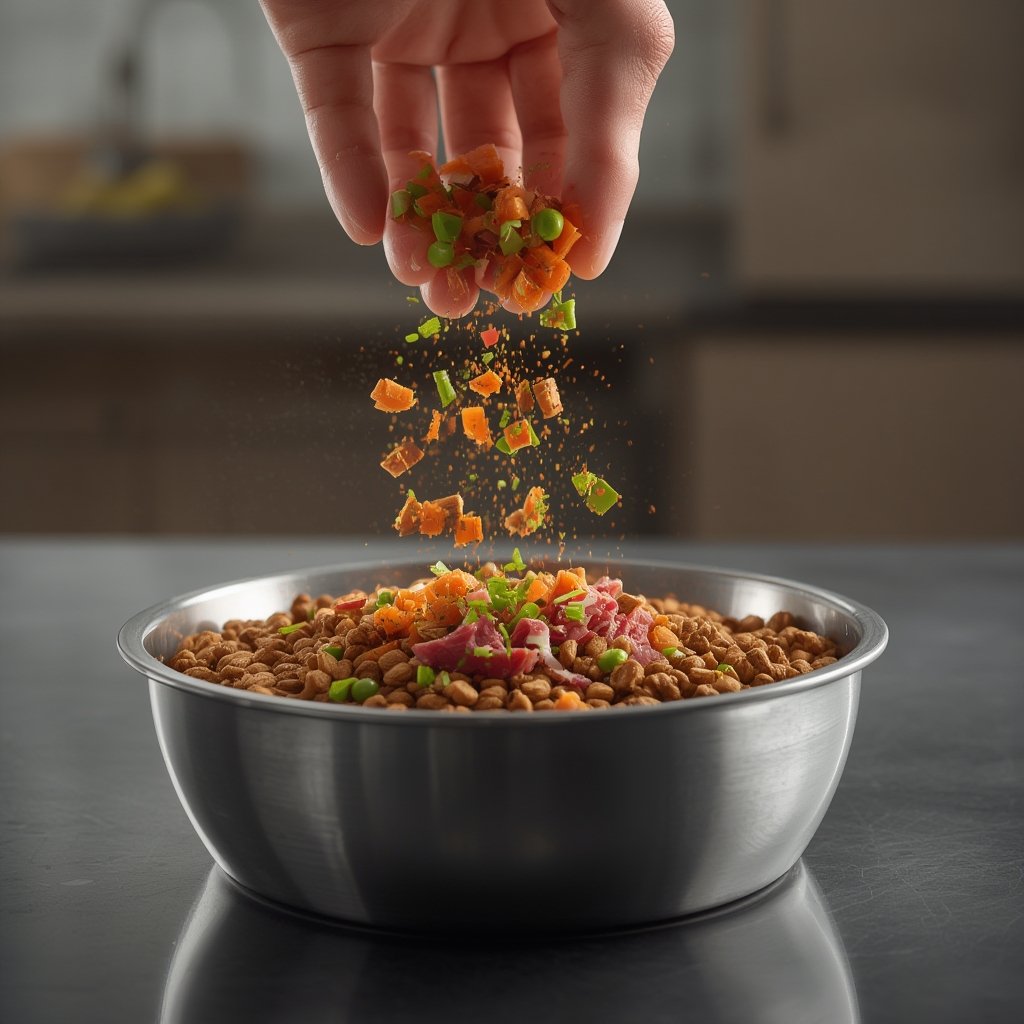
A dog food topper is any extra food, liquid, or freeze-dried supplement added on top of your dog’s usual kibble or wet meals. These products range from shredded meats and gravy packs to crunchy high-protein bites and probiotic meal mixers. But why are we seeing this rapid shift toward toppers?
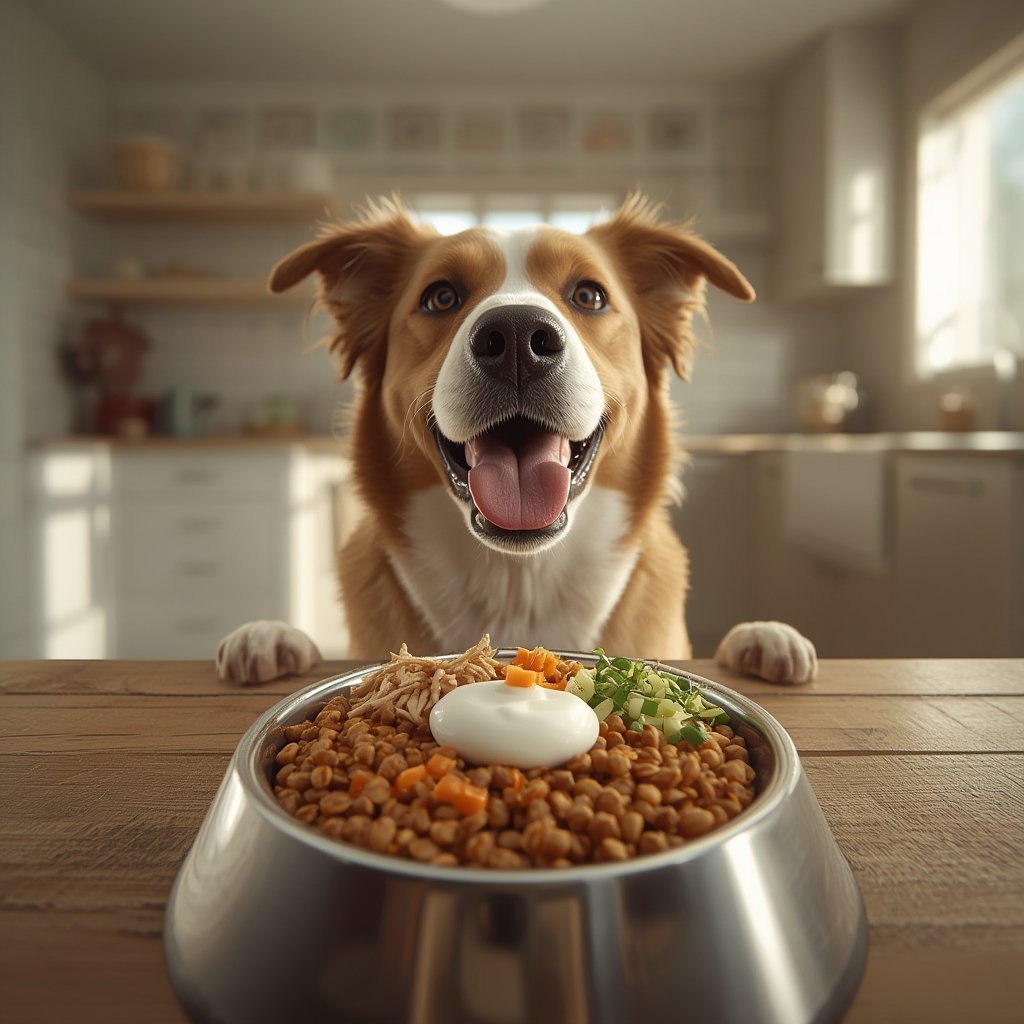
According to recent industry reports, 15% of dog owners bought dog food toppers or meal mixers in 2024 — a 50% jump from just two years earlier. The explosive 129% growth since 2018 reflects a growing focus on pet nutrition, premiumization, and the belief that kibble alone may not meet all dietary needs.
Dog food toppers are marketed as solutions for:
- Increasing meal palatability for picky eaters or older dogs
- Adding extra protein, superfoods, or supplements
- Improving hydration with wet or liquid toppers
- Supporting specific health needs (joint, skin, digestion)
- Making standard kibble more interesting or enjoyable
This trend has surged so much that dry toppers now hold 82.5% market share globally, thanks to their long shelf life and ability to mix easily with regular dog food, without refrigeration (source).
Curious how toppers compare to other pet products? Check out our deep dive into eco-friendly tofu cat litter options, if you’re also a cat owner seeking healthier routines.
How to Choose and Use a Dog Food Topper: Step-by-Step Guide
Ready to introduce a dog food topper or meal mixer into your pet’s diet? Follow these actionable steps to keep things safe, effective, and budget-friendly:
- Read the ingredient panel. Companies are not required to follow the same strict ingredient and allergen labeling for toppers as for standard dog food. Look for recognizable meats, named vegetables, and minimal fillers.
- Pick a format matching your dog’s needs. Dry toppers add crunch and have the best shelf life. Wet or gravy toppers boost hydration for dogs who don’t drink much water. freeze-dried or raw toppers offer intense flavor, but always research preparation and storage requirements.
- Consider health goals, not just flavor. Some toppers claim benefits for seniors (joint, mobility), puppies (extra protein), or allergy-prone pets (limited ingredients). Be cautious: No clinical studies directly link toppers to major health improvements (source).
- Compare servings and price. Brands rarely list price per serving. calculate the number of servings in a bag or jar, then divide the purchase price. Compare this cost to simply upgrading your base food—sometimes advanced dog food is cheaper and more balanced long-term.
- Mix and observe. Introduce your chosen topper with your dog’s usual food, mixing well to prevent your pet from picking out just the “fun stuff.” Monitor for improvements but also watch for digestive upset, changes in stool, or itchiness—these could signal an ingredient issue.
- Rotate or pause as needed. For picky dogs, rotating between a couple of protein-based toppers can help avoid flavor fatigue or sensitivities.
If you’re interested in supporting calm behavior in your other pets, see our expert guide on the best cat calming collars and proven ways to reduce feline stress—sometimes a holistic approach works best for the whole home.
Advanced Analysis & Common Pitfalls: Dog Food Topper Mistakes to Avoid
The booming dog food topper market may paint an appealing picture, but it’s essential to look closer at what the data—and lack of it—really shows.
- No direct proof of health benefit. Popular topper brands make claims for better coat, energy, or digestion, but there are no published clinical trials validating these claims as of 2024. Owner experiences are positive, but measurable improvements are unproven.
- Missing allergy and complaint data. Market research highlights positive product drivers (ease, taste), but not actual consumer complaint patterns. If your dog has known allergies, scrutinize ingredient panels—and be wary of “proprietary blends.”
- Unknown cost efficiency. Market projections show the topper category hitting USD 6.56 billion in 2025, but not how prices stack up against simply buying better base food. Without per-serving data, it’s hard to calculate which is the smarter investment (source).
- Regulatory gaps. There is no data on AAFCO compliance for toppers even in the US. Unlike main meal dog food, toppers may not guarantee nutritional completeness or ingredient traceability unless clearly stated.
| Feature/Question | Dog Food Topper | Upgraded Base Dog Food |
|---|---|---|
| Average Cost Transparency | Unclear, not always labeled as per serving | Per meal cost easier to compare |
| Guaranteed Complete Nutrition | Usually not complete, intended as supplement | Guaranteed if “complete and balanced” on label |
| Allergen Disclosure | Variable, rarely detailed for toppers | Allergens more consistently disclosed |
| Shelf Stability | High for dry, low for wet/liquid unless refrigerated | Standard, depends on formulation |
| Best For | Picky eaters, variety, hydration boost | Everyday feeding, balanced diet |
For another example of safe, stress-free enrichment in pets, see our trusted cat harness guide—the right gear matters, regardless of species.
If you’re searching for ingredient transparency, it’s worth noting that freeze-dried raw toppers (with a 37% market share) are often chosen for minimal processing and nutrient preservation—but real allergen and safety data are rarely available in market summaries (source).
Conclusion: Should You Use a Dog Food Topper?
Dog food toppers clearly offer convenience and can entice picky dogs or help with specific feeding situations, especially for hydration or added protein. However, most marketed claims—for coat, energy, or digestion—aren’t supported by robust science. Ingredient transparency and cost comparison are both lacking across leading topper brands, making it crucial to do your own evaluation.
If you want to try a dog food topper, start simple, observe results, and always watch closely for unintended effects like allergies or digestive issues. When in doubt, consult a knowledgeable veterinarian—sometimes the best meal boost is just upgrading to a higher quality, all-in-one dog food.
Ready to experiment with toppers or meal mixers? Shop smart, rotate wisely, and always put your dog’s unique needs first.
FAQ
Are dog food toppers safe for all dog breeds and ages?
Most dog food toppers are safe for healthy adult dogs, but not all are appropriate for puppies, seniors with kidney issues, or dogs with food allergies. Always read the label, introduce new foods gradually, and consult your vet if unsure.
Can I use home-cooked foods as a topper?
Yes, simple home-cooked meats and veggies (unseasoned, without salt or onions) make great toppers. They’re often safer if you stick with single-ingredient, lean proteins and rotational veggies like carrots or peas.
Do dog food toppers replace the need for a complete dog food?
No, toppers are supplements—not replacements for a balanced, complete dog food. Use them for occasional variety, hydration, or palatability, but ensure your dog’s main diet meets nutritional standards.
What signs suggest a topper isn’t working for my dog?
Watch for loose stools, vomiting, itchiness, or a decrease in appetite. Remove the topper if any issues develop and consult your veterinarian to rule out allergies or food intolerances.
How do I know if my dog needs a topper or just better base food?
If your dog regularly skips meals, shows boredom with food, or has recurring skin issues, first check the quality of your base food. Toppers can boost appeal, but often upgrading the main food is a more effective long-term fix.