

Pet dental chews have exploded in popularity as owners look for effective, low-stress ways to control tartar and bad breath, but are they really a substitute for brushing or professional cleanings? New research offers clarity—and practical insights—so you can make informed decisions for your dog’s long-term oral health.
Key Takeaways
- Recent studies confirm pet dental chews improve calculus and bad breath, but should not fully replace brushing or professional cleanings.
- There are gaps in research on long-term safety, use in puppies, and effectiveness across breeds or sizes—know what’s unproven.
- Top veterinary-approved chews, like honeycomb-shaped chews, show measurable benefits and high palatability with minimal safety risks in adults.
- What Are Pet Dental Chews and Why Use Them?
- How To Use Pet Dental Chews for Maximum Results
- Advanced Analysis: What Works, Pitfalls, and Table Comparison
- Conclusion
- FAQ
What Are Pet Dental Chews and Why Use Them?
Pet dental chews are edible treats designed to mechanically clean your dog’s teeth as they chew, reducing tartar, plaque, and oral odor. Unlike most dental sticks and treats, high-quality chews have unique shapes, textures, or active ingredients to increase scraping and promote better oral health. They are marketed as a convenient supplement—or sometimes alternative—to brushing, especially for owners who struggle with direct teeth cleaning.
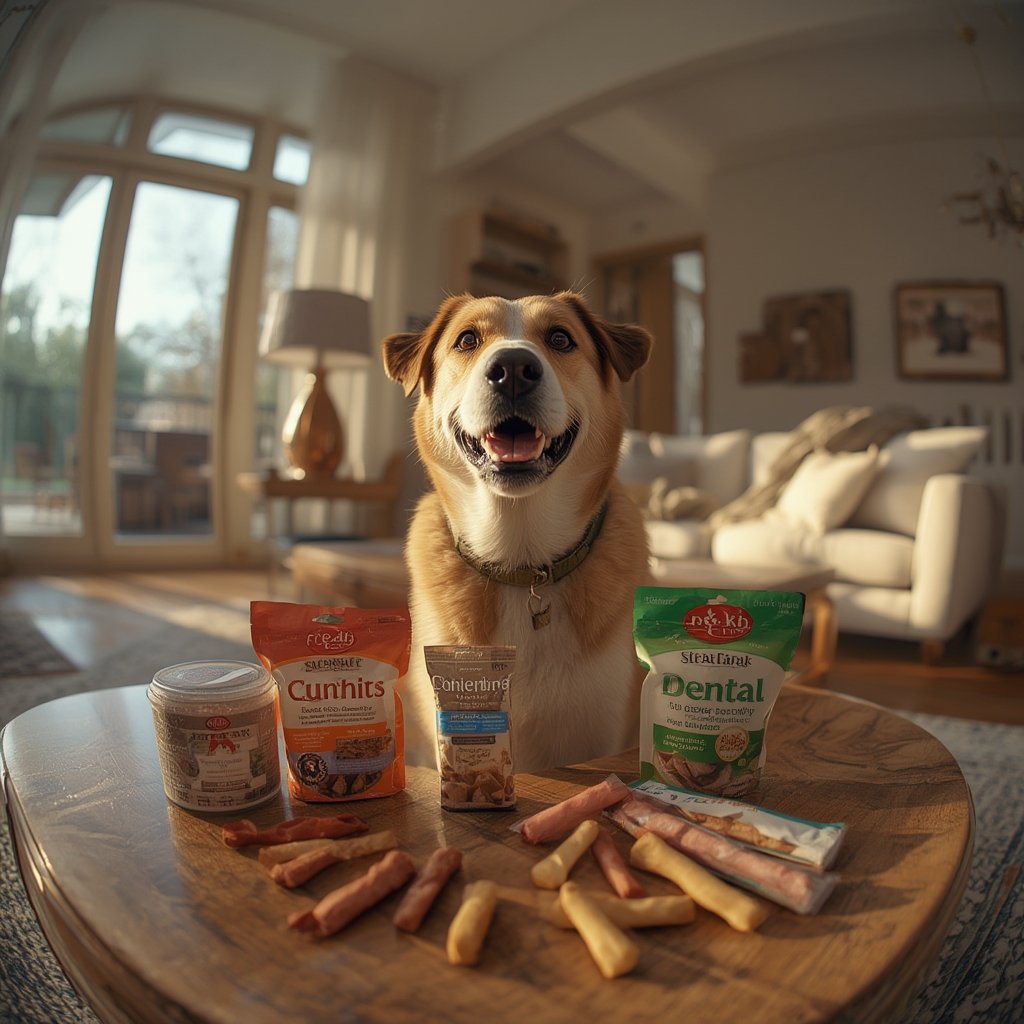
Why do they matter? According to 2024 clinical studies, daily use of certain dental chews such as honeycomb-shaped chews can decrease calculus by 26.6%, plaque by nearly 14.2%, and doggie breath (malodor) by 46.71% after just two months (study source). Another 2023-2024 study found a novel chew, when compared with a normal commercial diet, had lower calculus thickness and lower scores for gingivitis and bleeding, as well as improved oral microbiota balance (read more).
However, research also shows dental chews are not perfect substitutes for professional veterinary cleaning—they do not always significantly reduce gingivitis, and long-term effects remain unproven. Understanding their real-world effectiveness and limitations is essential for your dog’s overall dental care plan.
How To Use Pet Dental Chews for Maximum Results
If you want to make the most of pet dental chews, you need to pick the right product and integrate them into a regular regime that supports, not replaces, brushing or professional care. Here’s a step-by-step approach based on current evidence:
- Select a veterinary-recommended dental chew. Look for chews with proven designs. honeycomb-shaped chews and others with unique shapes tend to perform best in studies. Check for VOHC (Veterinary Oral Health Council) acceptance or independent study references. Avoid chews that are too hard (which can break teeth) or are not fully digestible.
- Adapt the chew size to your dog’s weight and jaw strength. Brands like Yummy Combs offer weight-based sizes. This increases cleaning and lowers choke and injury risks. Never give large chews to small dogs or vice versa.
- Integrate chews into your daily routine, not as a standalone treatment. Pair chews with brushing (even every other day is beneficial) if your dog allows. For better results, brush at least several times per week.
- Monitor your dog while chewing. Always supervise. Discard any chunks or bits that could be swallowed whole.
- Watch for signs of GI upset. Well-designed chews are digestibility tested, but any change in stool, vomiting, or lack of appetite warrants stopping the product and consulting your vet.
- Stay up to date on recalls and safety alerts. No major chews have 2023-2024 alerts, but always check FDA updates, especially for puppies and dogs with allergies or health issues.
- Reassess oral health at vet checkups. Use pet dental chews as maintenance—not as a way to avoid professional advice or cleanings. Some chews can extend time between cleanings, but do not “cure” periodontal disease.
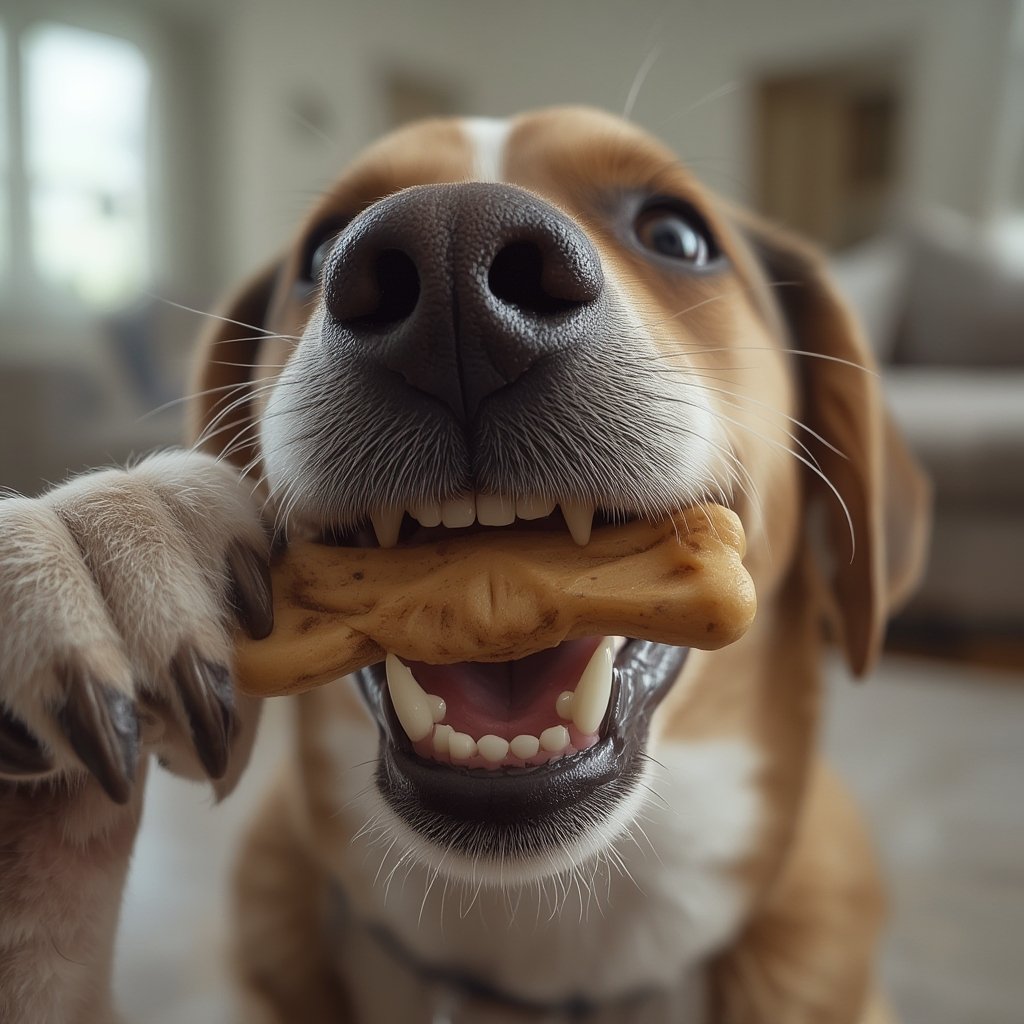
Consider supplementing your dog’s oral care routine with functional products like a dog food topper for added nutrition or a smart pet feeder for portion control—especially important if you’re monitoring calorie intake due to daily treats.
If you own a cat, a cat calming collar or cat harness can complement your overall pet wellness toolkit by reducing anxiety during oral care routines.
Advanced Analysis: What Works, Pitfalls, and Table Comparison
While pet dental chews sound effortless, here’s what the newest data reveals about their true effectiveness, limitations, and important guardrails:
- Short-term results only: Most effectiveness studies last 60 days or less. No published data on impacts after a year or multiple years. Plan on using chews as ongoing management, not a “fix.”
- Not proven safe for puppies: All major studies involve adult dogs. Young puppies’ teeth and guts may react differently—ask your vet before using chews in dogs under 6-12 months.
- Limited breed/size distinction: Research shows benefits across mixed breeds, but there’s no breakdown for smush-faced, tiny, or giant breeds. Don’t assume a “universal” result.
- Do not fully prevent or cure periodontal disease: Chews help, but deep cleanings under anesthesia are the only way to remove subgingival plaque that leads to advanced gum disease. Skipping regular vet cleanings is risky.
- Potential weight gain: In one study, dogs gained 0.48 kg in 60 days. Monitor calorie intake and adjust food if needed.
- No major recalls or FDA warnings (2023–2024): Still, inspect all treats for manufacturing defects, choking hazard, or staleness before use.
- Ingredients and features matter: Chews that are fully digestible and sized correctly reduce risk. Unique shapes (like honeycomb) outperform generic stick shapes. Avoid chews that are rock hard.
| Intervention | Plaque Reduction (up to) | Tartar/Calculus Reduction (up to) | Gingivitis Benefit | Halitosis/Breath | Requires Anesthesia? |
|---|---|---|---|---|---|
| Pet Dental Chews (e.g. honeycomb, VOHC-approved) | 14.2% | 26.6% | Minimal/slight | Up to 46.7% improved | No |
| Brushing (every other day+) | Up to 37% (older studies) | Up to 41% | Moderate/significant | Good improvement | No |
| Vet Professional Cleaning | 90-100% (surface and subgingival) | 100% | Complete (plus therapy) | Immediate improvement | Yes |
For ingredients and technical features, look for chews like Yummy Combs® or similar honeycomb chews, which have shown significant improvements in clinical settings and are favored in veterinary-led studies. Other notes:
- Differentiation by unique shapes, not magical ingredients
- Choose digestible, not rawhide or plastic-based, chews
- High palatability (consumption rates in studies >90%) is a good sign your dog will actually eat them
Cost comparison data is unavailable, but many owners report monthly dental treat spending of $10–$40, which often remains less than the average cost of a veterinary dental cleaning; however, those cleanings remain unmatched for advanced plaque and tartar removal.
For the latest peer-reviewed oral health recommendations or alternative hygiene options, reference studies on dental chews in the Journal of Veterinary Dentistry or comparison resources like the National Library of Medicine.
Conclusion
Pet dental chews provide real, measurable benefits for controlling tartar and breath, especially when paired with brushing and regular veterinary visits. They are not a magic bullet—most gains are incremental, not absolute, and research shows long-term safety in puppies and all breeds isn’t confirmed. Choose high-quality, vet-backed chews sized to your dog, monitor for side effects, and use them as part of a broader oral care strategy. For the best oral health, keep regular professional cleanings on your schedule and ask your vet about the best pet dental chews for your specific pet. Ready to take action? Upgrade your dog’s routine by selecting a proven dental chew—and combine it with real brushing for maximum results.
FAQ
Are pet dental chews safe for puppies?
Current studies focus only on adult dogs. Safety, digestibility, and efficacy have not been established for puppies under 6–12 months. Ask your veterinarian before giving dental chews to young dogs.
Do dental chews replace brushing?
No, dental chews help reduce plaque and odor but do not fully replace brushing or professional cleanings. For best results, use dental chews as a supplement, not a substitute for other oral care.
Can all breeds and sizes use the same dental chews?
Chews should be matched to your dog’s weight and jaw strength. While improvements were seen across breeds in studies, there is no proven benefit for every specific breed or size. Always choose chew sizes recommended by the manufacturer.
How do I pick a good dental chew?
Prioritize chews with proven designs (honeycomb, ridged), high digestibility, and a strong safety record. Look for third-party certifications such as VOHC or products referenced in veterinary research. Avoid excessively hard or plastic-based chews.
What are the risks of dental chews?
Primary risks include calorie overconsumption (potential weight gain), choking hazards if chews are the wrong size, or very rarely digestive upsets. Safety studies show few adverse events, but always supervise your dog and watch for problems.